Introduction to Esports
Esports, short for electronic sports, represents one of the most fascinating revolutions in modern entertainment. What began as small-scale competitions in gaming arcades or college dorms has evolved into a global phenomenon with millions of fans, professional teams, sponsors, and tournaments that rival traditional sports in both viewership and revenue. In essence, esports transforms video games into professional competitions where individuals or teams battle for glory, fame, and often massive cash prizes.
In today’s world, esports is not just about playing games; it is a structured, organized, and skill-based competition that requires strategy, coordination, precision, and psychological endurance. The players train like athletes, the coaches strategize like managers in traditional sports, and fans fill stadiums or stream online to watch their favorite players perform. This digital sport has created a new culture that blends entertainment, technology, and competition in ways never seen before.
The Early Beginnings of Esports
The story of esports begins in the late 20th century when video games first became widely accessible. In the early 1970s, universities in the United States hosted small gaming tournaments, such as the “Intergalactic Spacewar Olympics,” where students competed for fun and bragging rights. The idea of competing in video games was novel then, but it planted the seeds for what would become a billion-dollar industry.
The 1980s brought arcade machines and home consoles, with iconic titles like Pac-Man, Donkey Kong, and Space Invaders inspiring competition among friends and strangers alike. The first large-scale competition, the Space Invaders Championship in 1980, attracted thousands of players and marked a turning point in gaming history. The competitive nature of gaming continued to evolve as technology advanced, paving the way for organized tournaments.
By the 1990s, the rise of the internet and personal computers created an entirely new environment for gamers. Games such as Quake, StarCraft, and Counter-Strike introduced multiplayer experiences that could be played online. LAN parties, where players connected computers locally to compete, became a cultural staple among young gamers. This era laid the foundation for modern esports, where communication, teamwork, and skill defined the outcomes of matches rather than simple luck or high scores.
The Rise of Modern Esports
The 2000s witnessed the professionalization of esports. The internet became faster, gaming PCs more powerful, and online platforms allowed players from across the world to compete seamlessly. Competitive titles such as Dota, League of Legends, Call of Duty, and Halo transformed from simple games into global sports. Developers began to realize the potential of competitive gaming and started supporting esports scenes through tournaments, prize pools, and spectator features.
One of the biggest shifts came with League of Legends and Dota 2, two games that set the stage for massive global competitions. Tournaments such as The International, with prize pools worth millions of dollars, drew attention from sponsors, media outlets, and mainstream audiences. Around the same time, first-person shooter games like Counter-Strike: Global Offensive and Overwatch introduced their own leagues, further cementing esports as a legitimate competitive arena.
The rise of streaming platforms revolutionized the esports experience even further. Websites that allowed players to broadcast their matches and interact with fans turned competitive gaming into a spectator sport. Viewers could watch tournaments live from anywhere in the world, cheer for their favorite teams, and even learn from the best players. This accessibility transformed esports into a form of entertainment comparable to television and traditional sports events.
The Growth of Esports as an Industry
Today, esports is a multi-billion-dollar industry encompassing teams, organizations, event management companies, sponsors, and media outlets. Professional players sign contracts, receive salaries, and train under coaches, much like football or basketball athletes. Esports organizations have dedicated management structures that handle marketing, brand partnerships, and player development.
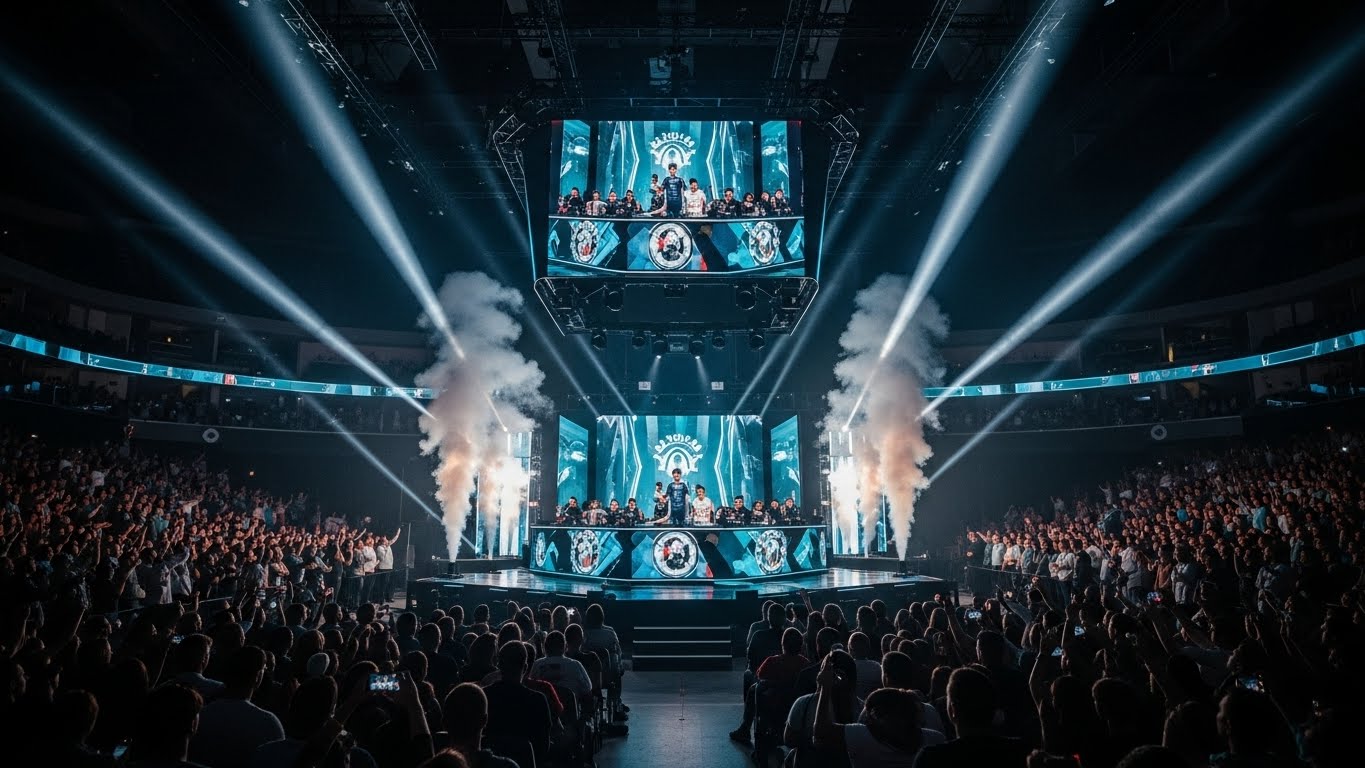
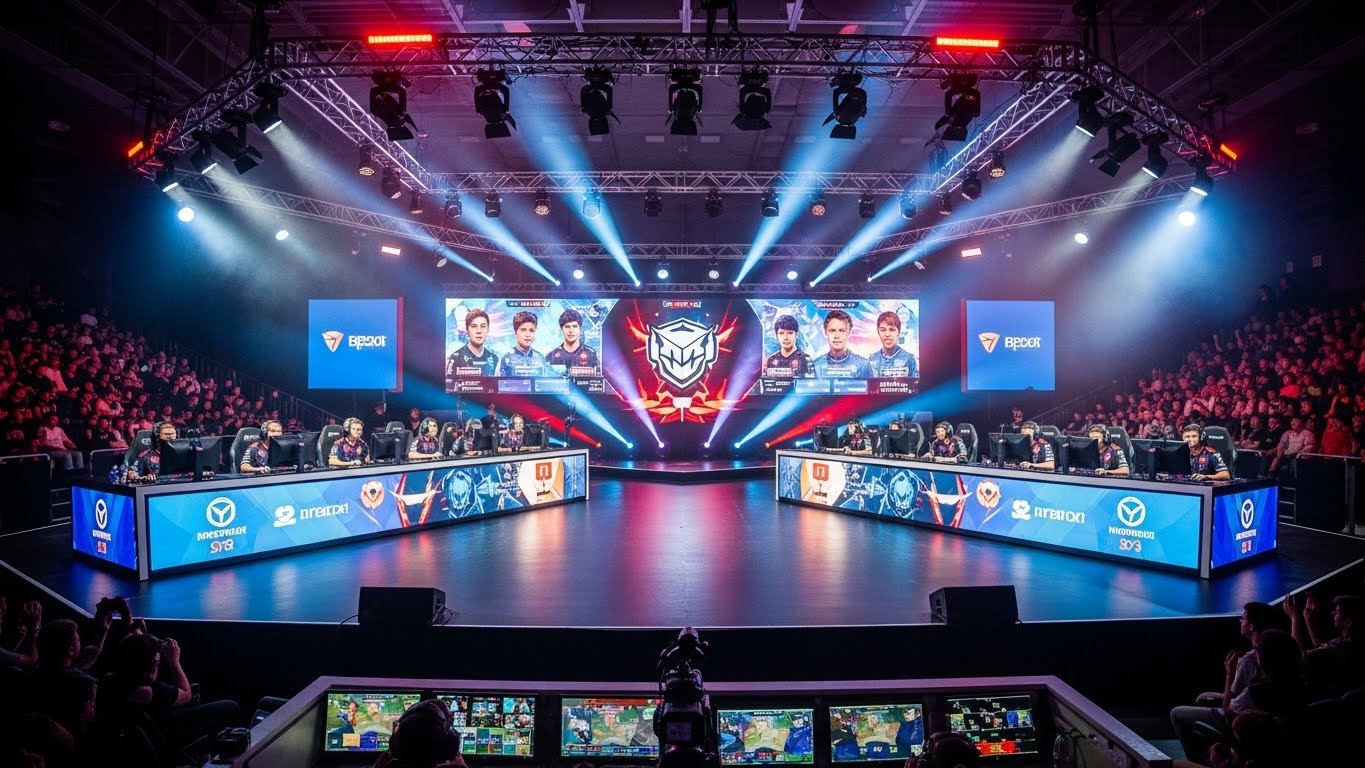
Brands and investors have recognized the potential of esports, leading to partnerships with major companies in technology, beverage, and apparel industries. These collaborations not only fund the growth of esports but also integrate it into mainstream culture. Stadiums are now being designed specifically for esports events, complete with large LED screens, audience seating, and immersive lighting effects.
Esports viewership numbers are staggering. Global tournaments attract millions of viewers, rivaling major traditional sports broadcasts. Fans follow teams, buy merchandise, and attend live events in packed arenas. The passion surrounding esports mirrors that of soccer, basketball, or cricket, with communities forming around teams and players who become international celebrities.
Esports Genres and Popular Titles
The world of esports is incredibly diverse, encompassing a range of genres that cater to different types of players and audiences.
One of the most popular genres is the Multiplayer Online Battle Arena (MOBA). Games like League of Legends and Dota 2 dominate this space, emphasizing teamwork, strategy, and quick reflexes. Teams of five players compete to destroy the enemy’s base while defending their own, requiring precise coordination and tactical thinking.
The First-Person Shooter (FPS) genre is another pillar of esports. Titles like Counter-Strike: Global Offensive, Call of Duty, Valorant, and Overwatch have built massive competitive scenes. FPS games test accuracy, reaction time, and strategic positioning, with teams often training for months to perfect their tactics.
Battle Royale games have also made their mark, with Fortnite and PUBG attracting large audiences. These games combine survival and combat mechanics, offering unpredictable and thrilling gameplay where only one player or team emerges victorious.
Sports simulation games, such as FIFA and NBA 2K, mirror real-world sports and allow fans to compete virtually. These titles have helped bridge the gap between traditional sports and esports, attracting players who may not engage with other gaming genres.
Lastly, fighting games like Street Fighter, Tekken, and Super Smash Bros. have a strong legacy in esports. They emphasize one-on-one competition, precision, and mind games, creating intense and personal rivalries between players.
Training and Discipline in Esports
Behind the glamour and excitement of tournaments lies a rigorous process of training and preparation. Professional esports players follow demanding schedules, often practicing for 8 to 12 hours a day. Their training involves improving mechanical skills, learning new strategies, analyzing opponents’ gameplay, and maintaining physical and mental health.
Just like traditional athletes, esports players rely on coaches, analysts, and fitness trainers. Coaches help with game strategy, while analysts review gameplay footage to identify weaknesses and opportunities for improvement. Many players also focus on physical fitness, as long hours of sitting and concentration can lead to fatigue and health issues.
Mental strength is equally important. The pressure of performing in front of large audiences, managing expectations, and handling losses can take a toll. Sports psychologists and mental health experts are now integral parts of esports organizations, ensuring players can sustain peak performance under stress.
The Role of Technology in Esports
Technology is the heartbeat of esports. From gaming hardware to software platforms, every aspect of esports depends on innovation. High-performance computers, monitors with fast refresh rates, and ergonomic equipment are essential for professional play. Developers continuously optimize games for competitive balance and fairness, ensuring every player competes under equal conditions.
Streaming technology has also been transformative. The ability to broadcast matches in real time with high-quality visuals and commentary has turned esports into a global spectacle. Virtual reality and augmented reality are emerging as future avenues for interactive esports experiences, potentially revolutionizing how fans watch and engage with matches.
Artificial intelligence is being explored for player training and match analysis. AI tools can review gameplay data to provide detailed insights, helping teams refine strategies. Moreover, blockchain and digital collectibles are introducing new ways for fans to support teams through virtual merchandise and tokenized experiences.
The Global Esports Community
Esports has transcended borders, cultures, and languages. It is a truly global community that connects people from every corner of the world through a shared passion for gaming. Whether it’s fans in South Korea cheering for StarCraft champions or crowds in the United States celebrating League of Legends finals, esports has united people under one digital roof.
Countries such as South Korea, China, and the United States have become esports powerhouses, producing world-class players and hosting major tournaments. European nations like Sweden, Germany, and Denmark have also contributed significantly to the competitive landscape. Meanwhile, emerging regions such as South America, Southeast Asia, and the Middle East are rapidly developing their esports ecosystems.
Esports communities thrive both online and offline. Fans discuss strategies, share highlights, and form friendships through online platforms. Local gaming cafes, conventions, and fan gatherings strengthen these bonds, turning esports from a virtual passion into a social experience.
The Educational and Career Opportunities in Esports
Esports has opened doors to careers far beyond playing. Today, there are roles for coaches, commentators, event organizers, video editors, social media managers, and game analysts. Universities and colleges around the world now offer esports scholarships and degrees, recognizing the academic and professional value of the industry.
Students can study game design, event management, digital marketing, or even esports psychology. This new educational wave signifies that esports is not just entertainment—it is a legitimate career path that demands expertise and creativity. Many institutions also establish collegiate esports teams, allowing students to compete nationally and internationally while pursuing their studies.
Esports and the Future of Entertainment
The future of esports looks brighter than ever. As technology advances, the lines between gaming, entertainment, and real sports continue to blur. Virtual arenas, holographic displays, and interactive fan experiences are becoming possibilities. Esports may even integrate with emerging fields such as the metaverse, where digital and physical realities merge seamlessly.
Mainstream media has begun to embrace esports, with television broadcasts and sponsorships from major corporations. This growing visibility ensures that esports will continue to reach new audiences. The inclusion of esports in multi-sport events, such as the Asian Games, suggests that one day it might be fully recognized alongside traditional Olympic sports.
Moreover, as internet accessibility increases in developing regions, millions of new players and viewers are joining the global scene. The continued democratization of gaming ensures that anyone with skill and dedication can rise through the ranks and make their mark on the world stage.
Challenges Faced by Esports
Despite its success, esports faces challenges that need to be addressed for sustainable growth. Issues such as player burnout, inconsistent regulations, and performance-enhancing substances are concerns within the industry. Maintaining integrity through anti-cheating systems and fair play standards is crucial to preserving credibility.
Another major challenge lies in balancing commercialization with community authenticity. As corporations invest heavily in esports, there is a risk that the grassroots spirit of gaming could be overshadowed by profit-driven motives. Ensuring that players and fans remain central to the experience will be vital for the long-term health of the ecosystem.
Additionally, there is ongoing debate about inclusivity and diversity in esports. While the industry is growing, more efforts are needed to make esports accessible to players of all backgrounds, genders, and regions. Representation and fair opportunities will help esports truly reflect its global audience.
Conclusion: The Endless Game
Esports is more than just a trend—it is a cultural and technological revolution reshaping how the world views competition, entertainment, and community. From small arcade tournaments to international stadium events, esports has proven that digital competition can inspire passion, creativity, and unity across generations.
Its growth shows no signs of slowing down. The players are the new athletes, the fans are the new spectators, and the games are the new arenas of glory. As we move further into the digital age, esports will continue to evolve, blending innovation with human skill and imagination.
In the end, esports represents the spirit of modern society—connected, competitive, and creative. It is a celebration of how far technology and human passion can take us. Whether one plays, watches, or simply admires the artistry of digital competition, esports stands as a testament to the boundless potential of the gaming world.