Introduction: The Digital Revolution of Competition
In the past decade, the world of competitive gaming has transformed from a niche hobby into a global phenomenon. Esports, short for electronic sports, represents organized, multiplayer video game competitions, particularly between professional players, individually or as teams. Once considered a pastime primarily for enthusiasts, esports has now evolved into a billion-dollar industry with massive audiences, lucrative sponsorships, and mainstream recognition. The rise of esports signifies not just a new form of entertainment but a cultural shift in how society perceives competition and athleticism.
The Evolution of Esports
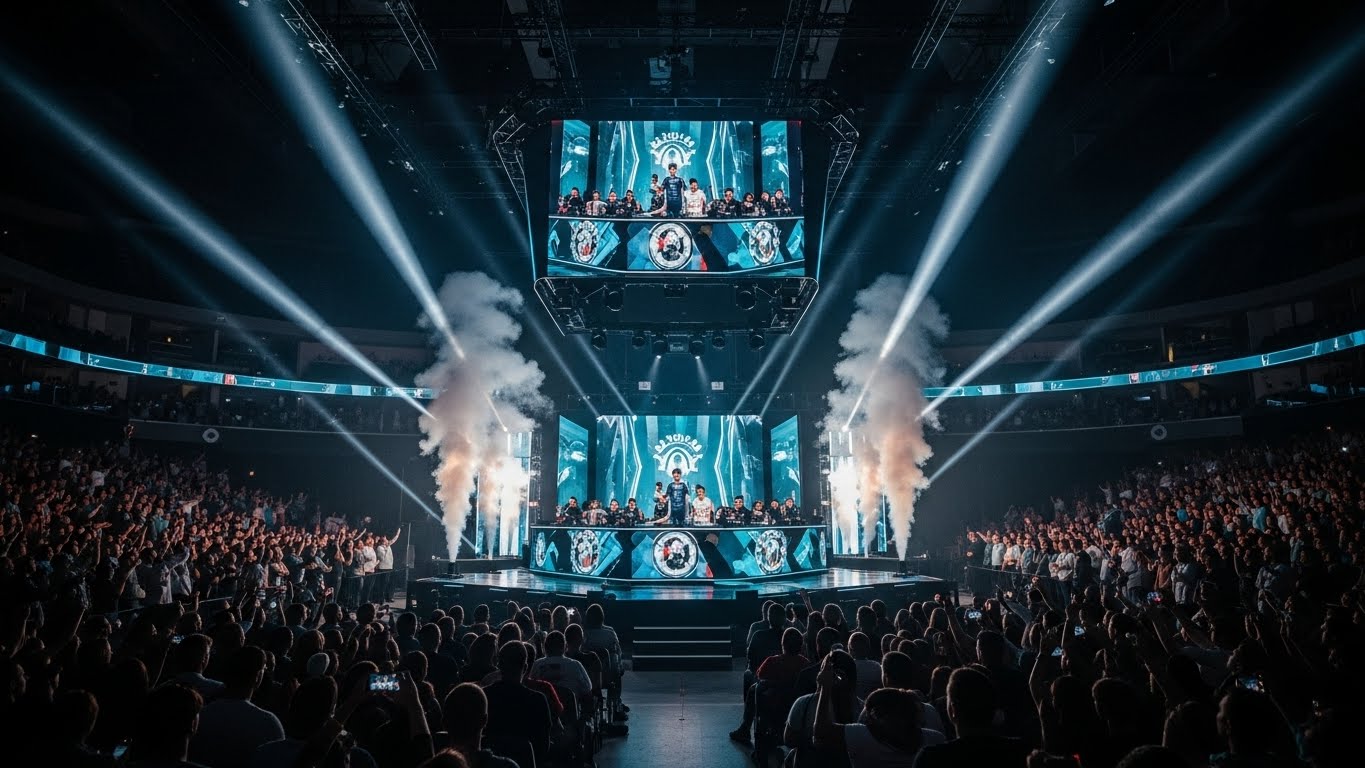
The roots of esports trace back to the early 1970s when the first video game competitions were organized. Events like the Space Invaders Championship in 1980 marked the beginning of competitive gaming, attracting thousands of participants. Throughout the 1990s and early 2000s, games like StarCraft, Counter-Strike, and Warcraft fueled the growth of competitive communities, laying the foundation for modern esports. The advent of high-speed internet and live-streaming platforms in the late 2000s allowed players to broadcast their gameplay to a global audience, bringing esports into the homes of millions. Today, esports tournaments are held in massive arenas, with prize pools rivaling those of traditional sports.
Popular Esports Games
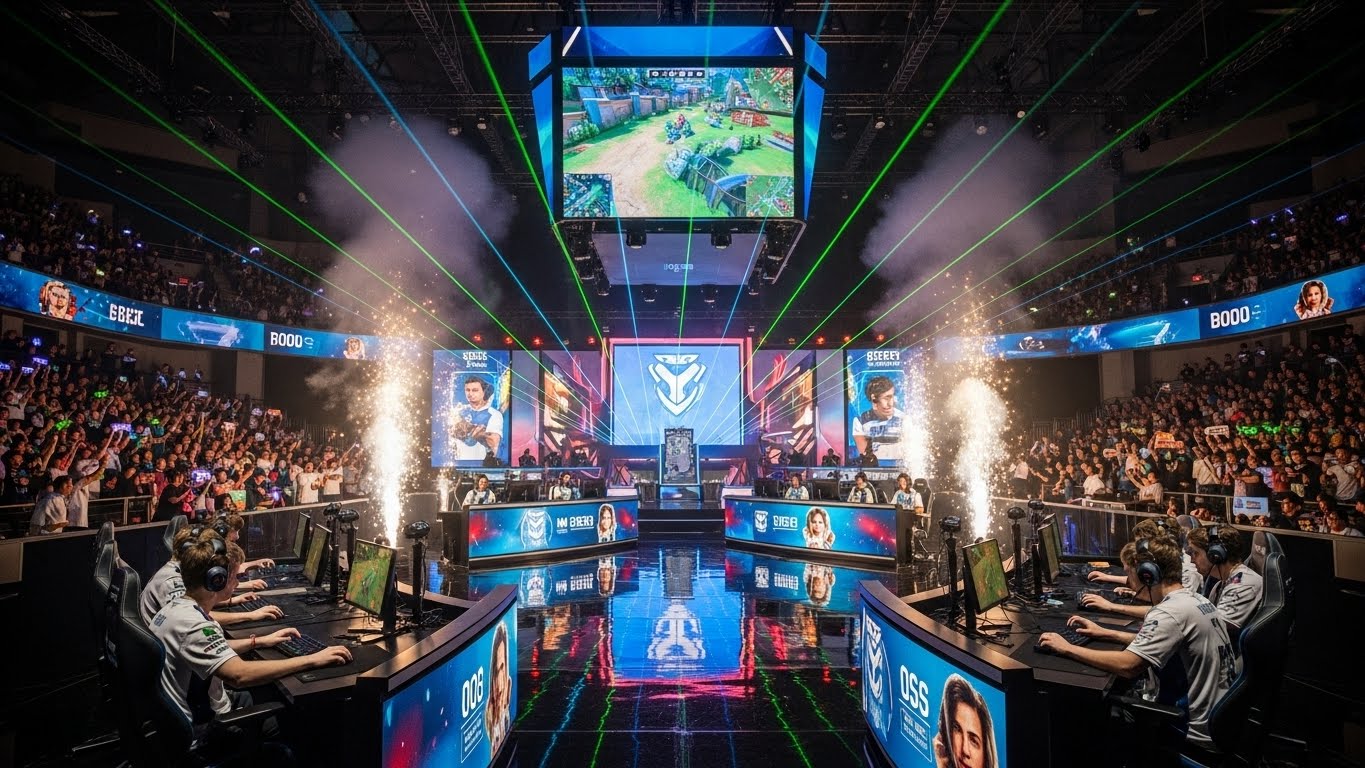
Esports encompasses a wide variety of game genres, each with its own competitive scene. Multiplayer online battle arena (MOBA) games such as League of Legends and Dota 2 are among the most popular, known for their strategic depth and large-scale tournaments. First-person shooters (FPS) like Counter-Strike: Global Offensive and Call of Duty test players’ reflexes, teamwork, and precision. Fighting games like Street Fighter and Super Smash Bros have cultivated niche yet passionate communities. Additionally, sports simulations such as FIFA and NBA 2K attract players who enjoy virtual renditions of real-world sports. The diversity in games ensures that esports has a broad appeal, catering to various interests and skills.
The Esports Community and Culture
The esports community is a unique blend of competitive spirit, entertainment, and social interaction. Fans are not just spectators; they actively participate by streaming gameplay, creating content, and supporting their favorite teams. Online platforms provide spaces for discussions, tutorials, and fan engagement, fostering a sense of belonging among enthusiasts. Cosplay, fan art, and esports conventions further enhance the cultural identity of the community. The culture emphasizes skill, strategy, and dedication, often mirroring the traditions seen in traditional sports while adding a digital twist.
Professionalization of Esports
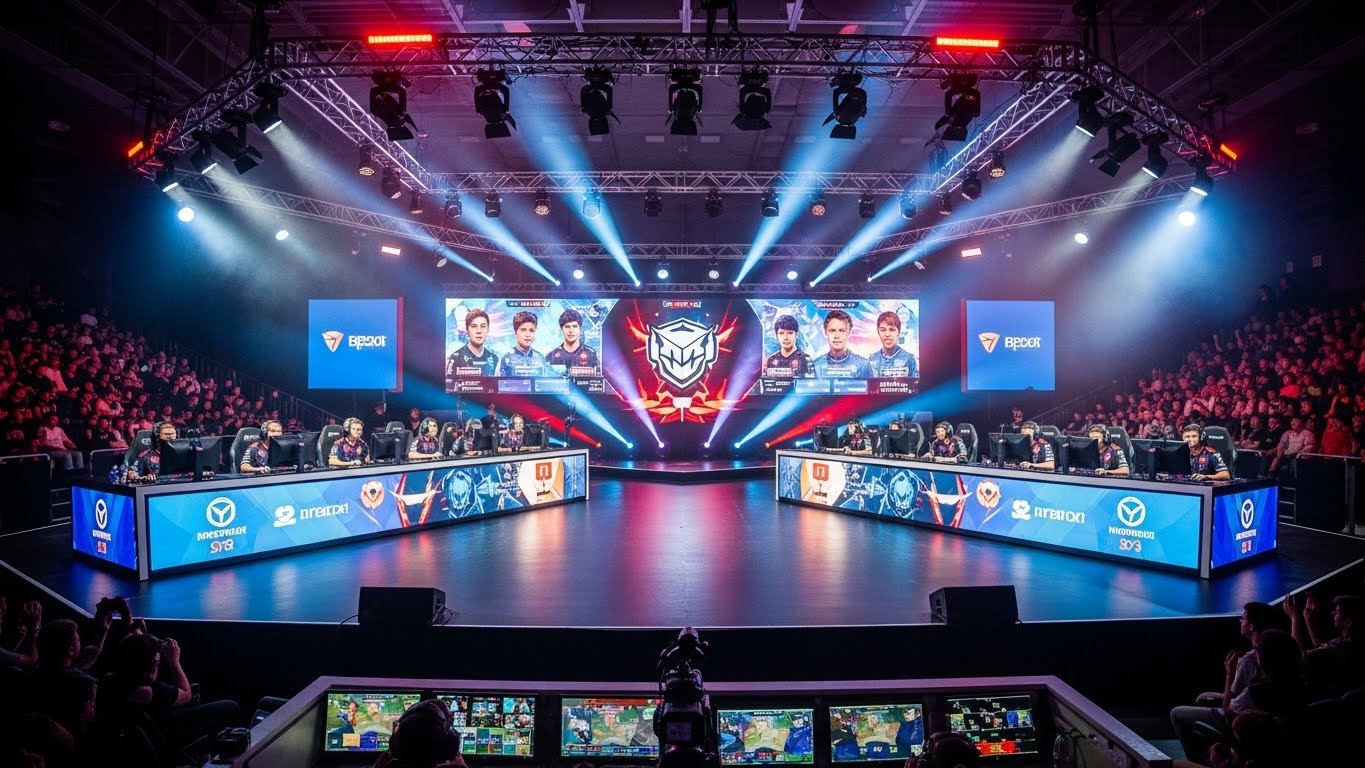
What sets esports apart from casual gaming is the level of professionalism involved. Professional players undergo rigorous training schedules similar to athletes in traditional sports. They focus on improving reflexes, strategic thinking, communication, and teamwork. Coaches, analysts, and managers are now integral parts of esports teams, guiding players in tactics, performance optimization, and mental health. Esports organizations operate much like sports franchises, managing branding, sponsorships, and fan engagement. This professional structure has elevated esports from a hobbyist activity to a legitimate career path for many talented individuals worldwide.
Economic Impact of Esports
The financial ecosystem surrounding esports is staggering. Revenue streams include sponsorships, advertising, media rights, merchandise, and tournament prize pools. Major brands invest heavily in esports partnerships, recognizing the potential to reach a young, tech-savvy audience. Streaming platforms generate substantial income through subscriptions, donations, and advertisements. Esports tournaments such as The International in Dota 2 or the League of Legends World Championship offer multi-million-dollar prize pools, attracting the best talent globally. The economic impact extends beyond players and teams, benefiting game developers, event organizers, marketers, and broadcasters.
Esports as a Career
Esports has opened up numerous career opportunities beyond playing professionally. Game developers, broadcasters, content creators, coaches, analysts, event organizers, and marketers all contribute to the ecosystem. Professional players can earn salaries, sponsorships, and prize money, sometimes exceeding what athletes in traditional sports make. Streaming platforms provide avenues for aspiring gamers to monetize their skills and personality, creating personal brands and loyal fan bases. The career longevity of an esports player may vary depending on game genre and skill level, but the growth of the industry ensures that opportunities continue to expand.
Health and Wellbeing in Esports
While esports offers exciting opportunities, it also poses challenges related to physical and mental health. Prolonged screen time, repetitive strain injuries, poor posture, and irregular sleep patterns are common concerns among professional gamers. Mental health issues such as stress, burnout, and performance anxiety can also affect players. Many esports organizations now prioritize health management by incorporating physical training, nutrition, mental coaching, and rest periods. This emphasis on wellbeing reflects the maturity of esports as a professional industry, acknowledging that sustainable performance requires holistic care.
Esports and Education
The rise of esports has also influenced educational institutions. Schools and universities now offer esports programs, scholarships, and competitive teams. These programs teach not only gaming skills but also teamwork, strategy, leadership, and communication. Some institutions integrate esports into STEM education, highlighting game design, coding, and analytics. The inclusion of esports in education fosters discipline and critical thinking, demonstrating that competitive gaming can be a tool for learning and personal development rather than merely entertainment.
Global Impact and Cultural Acceptance
Esports has transcended regional boundaries, creating a truly global phenomenon. Countries in Asia, North America, Europe, and South America all host vibrant esports communities. South Korea, in particular, is recognized as a pioneer, with professional leagues, television coverage, and national recognition for esports athletes. International tournaments bring together players from diverse backgrounds, promoting cross-cultural interactions and understanding. Cultural acceptance of esports has grown substantially, with governments and organizations acknowledging it as a legitimate sport and entertainment industry. This global reach highlights the universal appeal of gaming and its ability to unite people.
Technology Driving Esports Forward
Technological advancements continue to propel esports into new frontiers. High-speed internet, virtual reality (VR), augmented reality (AR), and cloud gaming have expanded the possibilities for gameplay and spectatorship. Streaming platforms allow millions of viewers to watch tournaments live, with interactive features enhancing engagement. Data analytics help teams optimize strategies, track performance, and scout talent. Emerging technologies like AI are being used to study gameplay patterns and create adaptive training programs. The integration of technology ensures that esports remains dynamic, innovative, and ever-evolving.
Challenges Facing Esports
Despite its rapid growth, esports faces several challenges. Issues such as cheating, online harassment, and match-fixing threaten the integrity of competition. Regulatory frameworks are still developing, and player rights, contracts, and fair treatment require more robust protection. The competitive nature of esports can also lead to mental burnout and career instability. Furthermore, bridging the gap between casual gaming audiences and professional esports spectators remains an ongoing challenge. Addressing these issues is essential for sustaining the growth and legitimacy of the industry.
The Future of Esports
The future of esports looks promising, with continued expansion in audience, technology, and opportunities. Virtual tournaments, enhanced streaming experiences, and immersive technologies are likely to redefine how fans engage with competitive gaming. Collaborations between traditional sports, entertainment industries, and esports are increasing, leading to hybrid events and new forms of media. As esports continues to gain mainstream acceptance, it may achieve parity with traditional sports in terms of recognition, sponsorship, and global impact. The potential for esports to shape the future of competition, entertainment, and education is immense.
Conclusion: More Than Just a Game
Esports is no longer merely a digital pastime; it has emerged as a cultural, economic, and technological force. From grassroots tournaments to global championships, esports exemplifies dedication, skill, and innovation. The industry challenges traditional notions of sport, competition, and entertainment while creating new opportunities for players, fans, and businesses. As technology evolves and society embraces digital culture, esports will continue to redefine the landscape of competitive entertainment, proving that the future of sports might just be virtual.