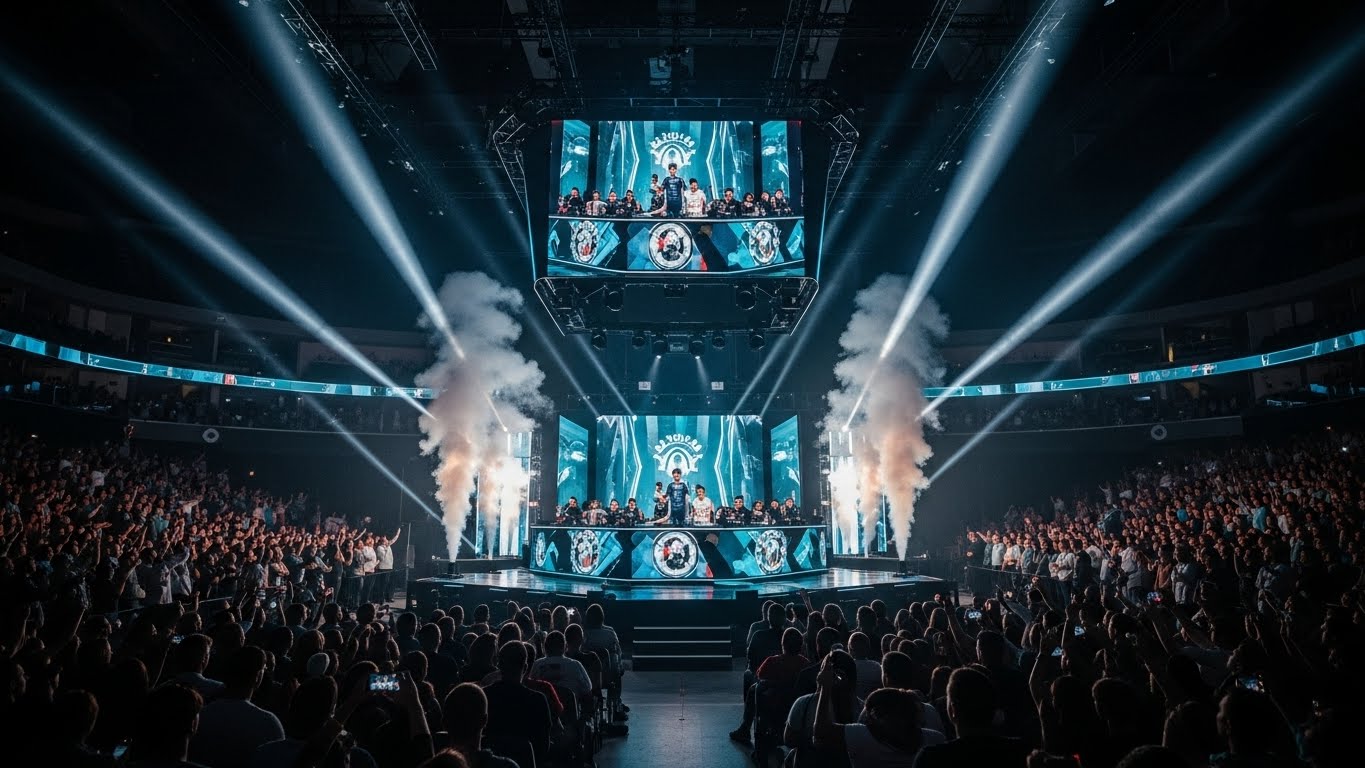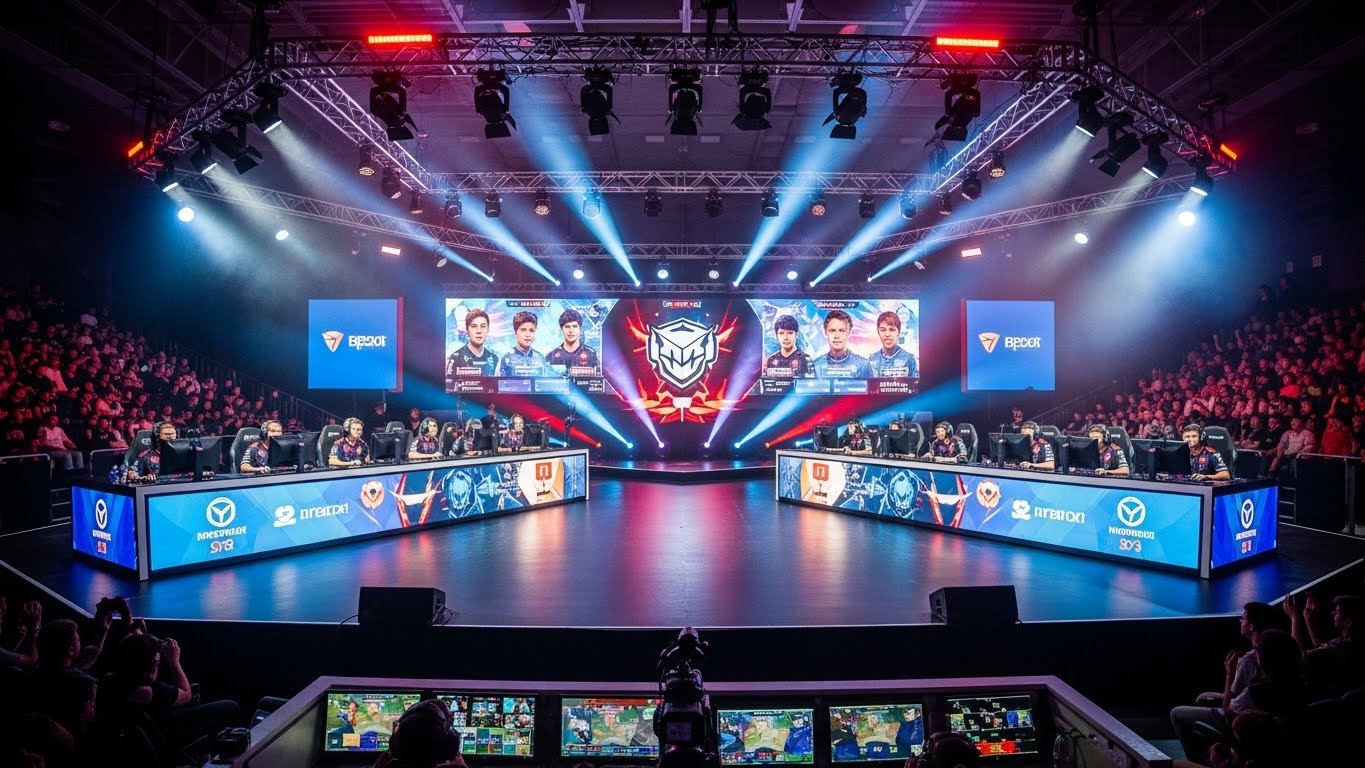
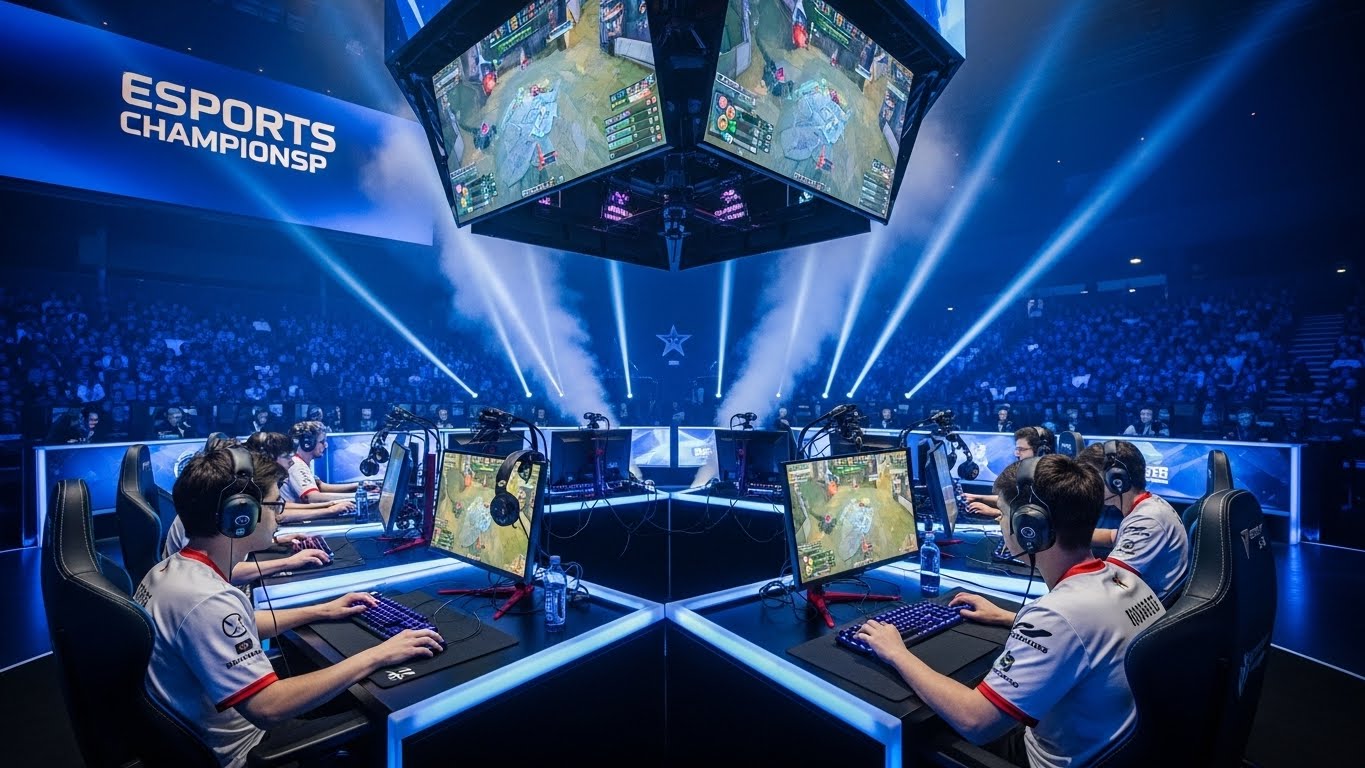
In recent years, eSports has transitioned from a niche hobby into a global phenomenon, captivating millions of fans and creating a vibrant, fast-growing industry. What started as a subculture of gaming enthusiasts battling it out in online tournaments has now evolved into a billion-dollar enterprise, with professional leagues, sponsorships, and live events drawing massive audiences both online and in stadiums. The world of eSports is not just about playing video games; it’s a complex ecosystem that includes professional players, coaches, analysts, content creators, and an entire network of companies, fans, and investors. This blog post delves into the rise of eSports, its influence on the gaming industry, and the broader cultural and social impacts it has on society.
The Evolution of eSports
eSports, short for “electronic sports,” is competitive gaming where individuals or teams play video games at a professional level. The journey of eSports began in the late 1990s, when competitive gaming tournaments started to gain attention. Early examples like the “Cyberathlete Professional League” and the rise of games such as “Quake” and “StarCraft” set the stage for the competitive scene. However, it was the early 2000s when the concept of eSports began to take a more structured form. As broadband internet became more accessible, gamers were able to connect online, allowing for multiplayer gaming on a global scale.
The real breakthrough for eSports came in the 2010s when streaming platforms like Twitch allowed gamers to broadcast their gameplay to a global audience. This shift allowed eSports to transcend traditional media and reach fans directly, creating a new era of fan engagement. In addition to live streaming, major eSports tournaments began offering substantial cash prizes, and sponsorships from global brands flooded the industry, validating eSports as a legitimate form of entertainment and competition.
Today, eSports boasts a wide range of games, from first-person shooters like “Call of Duty” and “Counter-Strike” to multiplayer online battle arenas (MOBAs) such as “League of Legends” and “Dota 2.” With its diverse genres and rapidly expanding fanbase, eSports is now a cultural staple, rivaling traditional sports in popularity and influence.
The Global Impact of eSports
One of the defining features of eSports is its global reach. With players, fans, and teams spanning the globe, eSports is a truly international phenomenon. Major tournaments like “The International” (Dota 2’s world championship), “League of Legends World Championship,” and “Overwatch League” attract millions of viewers, both online and in-person. The sheer scale of these events, combined with high production values and professional commentary, makes eSports an entertaining spectacle.
The growth of eSports is particularly notable in Asia, where countries like South Korea and China have become major hubs for professional gaming. In South Korea, eSports is considered a mainstream career, with top players achieving celebrity status. The South Korean government has even embraced eSports as part of its cultural export strategy, showcasing gaming as an integral part of the country’s global influence. Similarly, China has invested heavily in eSports, with its domestic leagues and events attracting both local and international attention.
In the West, eSports has also gained significant traction, especially in the United States and Europe. The rise of platforms like Twitch, YouTube Gaming, and Facebook Gaming has made it easier for fans to follow their favorite players and teams, further expanding the audience for competitive gaming. Sponsorship deals with major brands such as Coca-Cola, Intel, and Mercedes-Benz have helped solidify eSports as a mainstream industry, with its influence continuing to grow across borders.
Professional eSports: A Full-Time Career
As eSports has evolved, so too have the opportunities for professional players. Competitive gamers can now pursue gaming as a full-time career, a far cry from the days when it was considered a hobby or a side job. Successful eSports players sign multi-million-dollar contracts with major teams, often accompanied by endorsement deals and streaming opportunities. These players dedicate hours every day to practice, refine their skills, and compete in tournaments. For many, it’s a lifestyle that demands extreme focus and discipline.
The pathway to becoming a professional gamer varies by game, but there are common elements. Most professional players start by competing in smaller online tournaments or amateur leagues. As they gain experience and showcase their talent, they’re scouted by professional teams. These teams are often backed by investors and sponsors, and players receive salaries, accommodations, and training. Players also frequently stream their gameplay on platforms like Twitch, where they earn money from donations, advertisements, and sponsorships.
While the life of a professional eSports player may seem glamorous, it’s not without challenges. The pressure to perform consistently, the grueling practice schedules, and the short career lifespan can take a toll on players. Many top-tier players retire in their late twenties or early thirties, with some even transitioning into coaching or streaming as a post-competitive career. Despite the challenges, the allure of professional gaming continues to attract aspiring players worldwide.
The Role of Coaches and Analysts in eSports
In eSports, success doesn’t just come from individual talent; it’s also about teamwork, strategy, and preparation. That’s where coaches and analysts come in. Just like in traditional sports, eSports teams rely on experienced coaches to guide their players and help them develop strategies. Coaches play a crucial role in managing team dynamics, analyzing opponents, and creating effective game plans. They also help with mental preparation, ensuring players stay focused and manage the stress of high-stakes competitions.
Analysts, on the other hand, specialize in studying gameplay data, identifying trends, and providing insights that can give a team a competitive edge. They use various tools and software to break down matches, assess player performance, and find areas for improvement. The combination of skilled players, experienced coaches, and sharp analysts is what separates the best teams from the rest.
eSports and Its Massive Fanbase
One of the driving forces behind the success of eSports is its incredibly dedicated fanbase. Fans are deeply engaged with the content, following their favorite teams, players, and events through live streams, social media, and online communities. The interaction between players and fans is a key part of the eSports experience, with many fans watching live streams of their favorite players or teams, participating in live chats, and even donating money to support them.
eSports fans are highly invested in the success of their teams, and this sense of community creates a unique atmosphere. Unlike traditional sports, eSports fans often feel a direct connection to the players, who are more accessible and approachable due to their presence on streaming platforms. This has fostered an interactive, fan-driven ecosystem, where fan-driven content, such as fan art, memes, and video highlights, adds to the cultural richness of eSports.
The Future of eSports
Looking ahead, eSports is poised to continue its rapid expansion. One of the major areas of growth is in the realm of mobile gaming. With the rise of smartphones and tablets, mobile eSports is quickly becoming a popular avenue for competitive gaming. Games like “PUBG Mobile,” “Mobile Legends,” and “Clash Royale” have attracted massive player bases, and mobile eSports tournaments are gaining in popularity. This opens up new opportunities for players and fans, especially in regions where access to high-end gaming PCs or consoles may be limited.
Additionally, the integration of virtual reality (VR) and augmented reality (AR) into gaming could transform the eSports experience. Imagine a future where players and fans alike experience competitions in a fully immersive, virtual environment. VR could revolutionize how we engage with eSports, offering an entirely new level of interaction.
Another exciting development in eSports is the increasing involvement of traditional sports organizations and investors. Several professional sports teams, including basketball, soccer, and football clubs, have established their own eSports teams, often in partnership with gaming giants. This merger of traditional sports and eSports is a sign of the growing legitimacy of the industry.
Conclusion
eSports has come a long way since its humble beginnings in the late 1990s. Today, it’s a thriving industry, drawing millions of fans, creating career opportunities for players and coaches, and influencing gaming culture around the world. With its global reach, dedicated fanbase, and incredible growth potential, eSports is poised to become a permanent fixture in the entertainment landscape. Whether you’re a player, a fan, or someone curious about the world of competitive gaming, there’s no denying that eSports has already made a significant mark on the world—and it’s only going to get bigger.