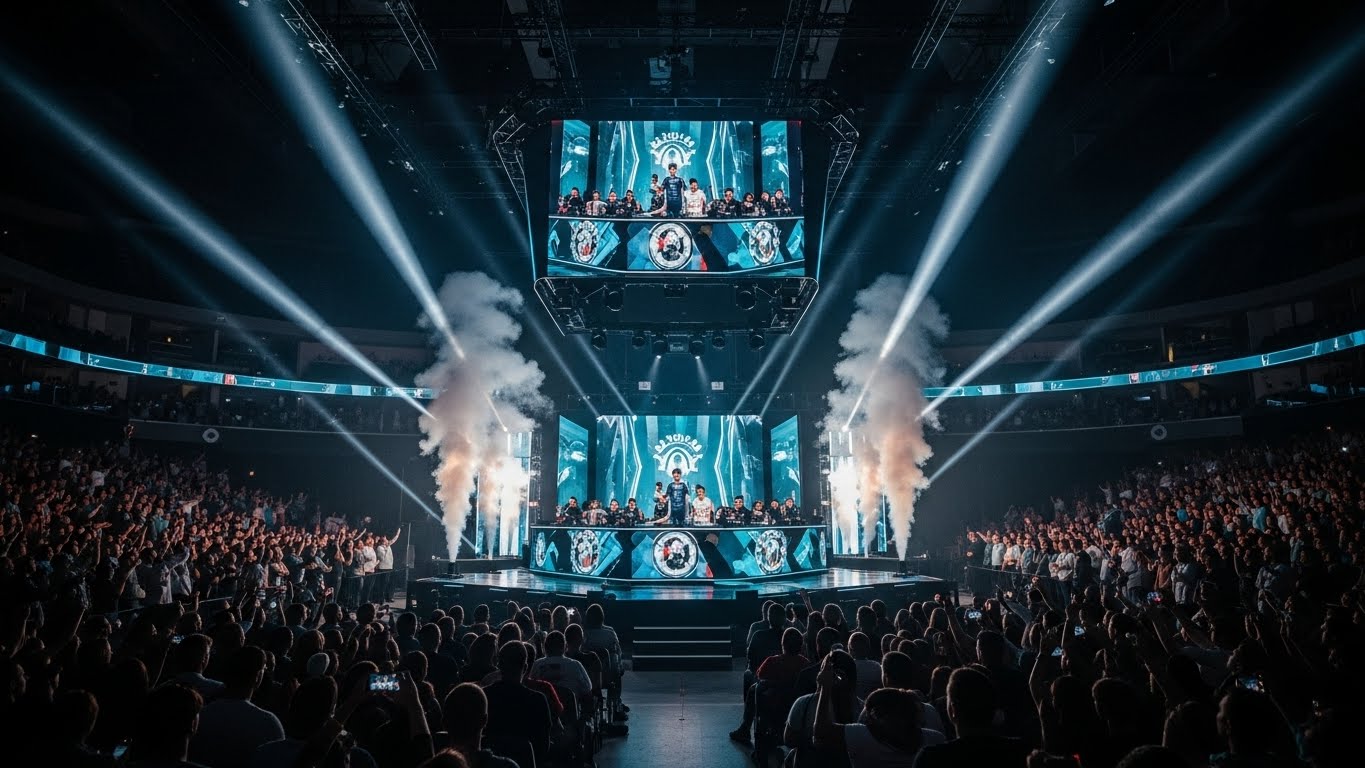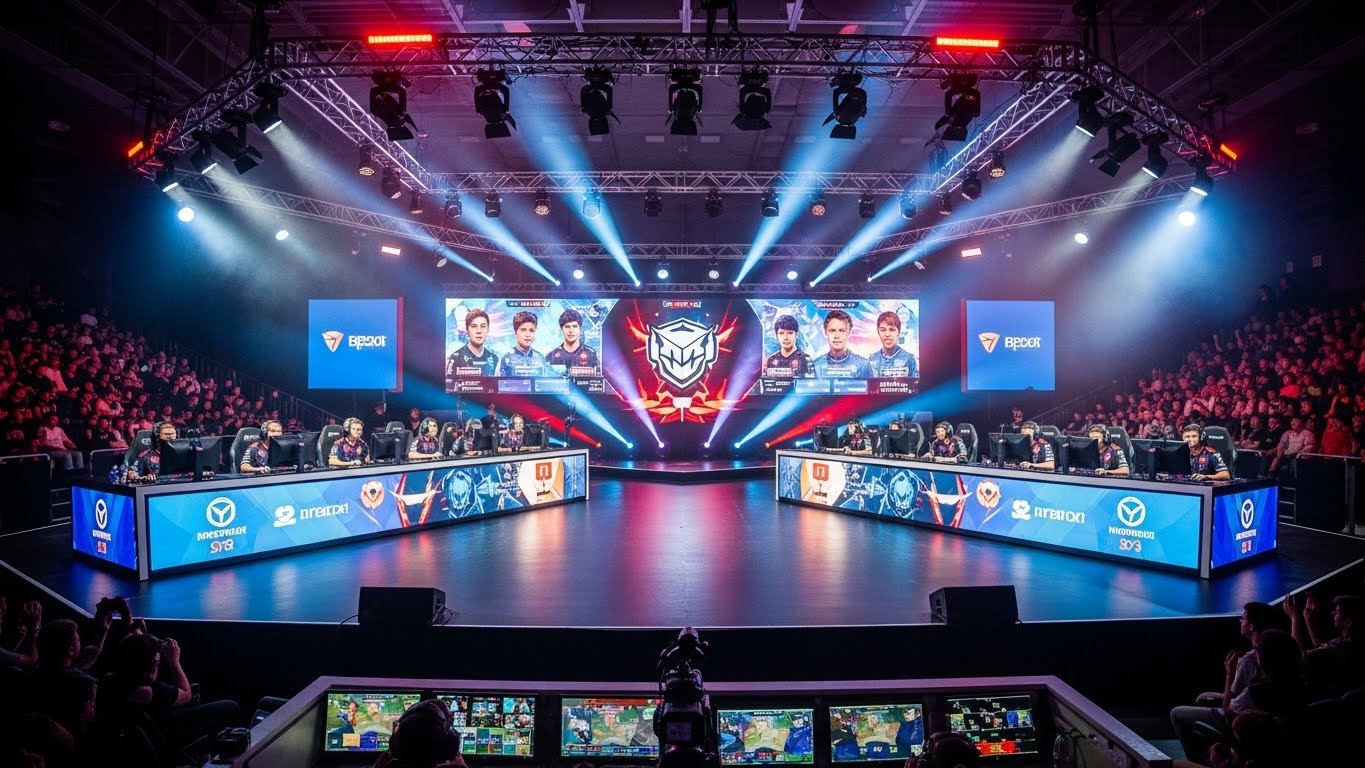
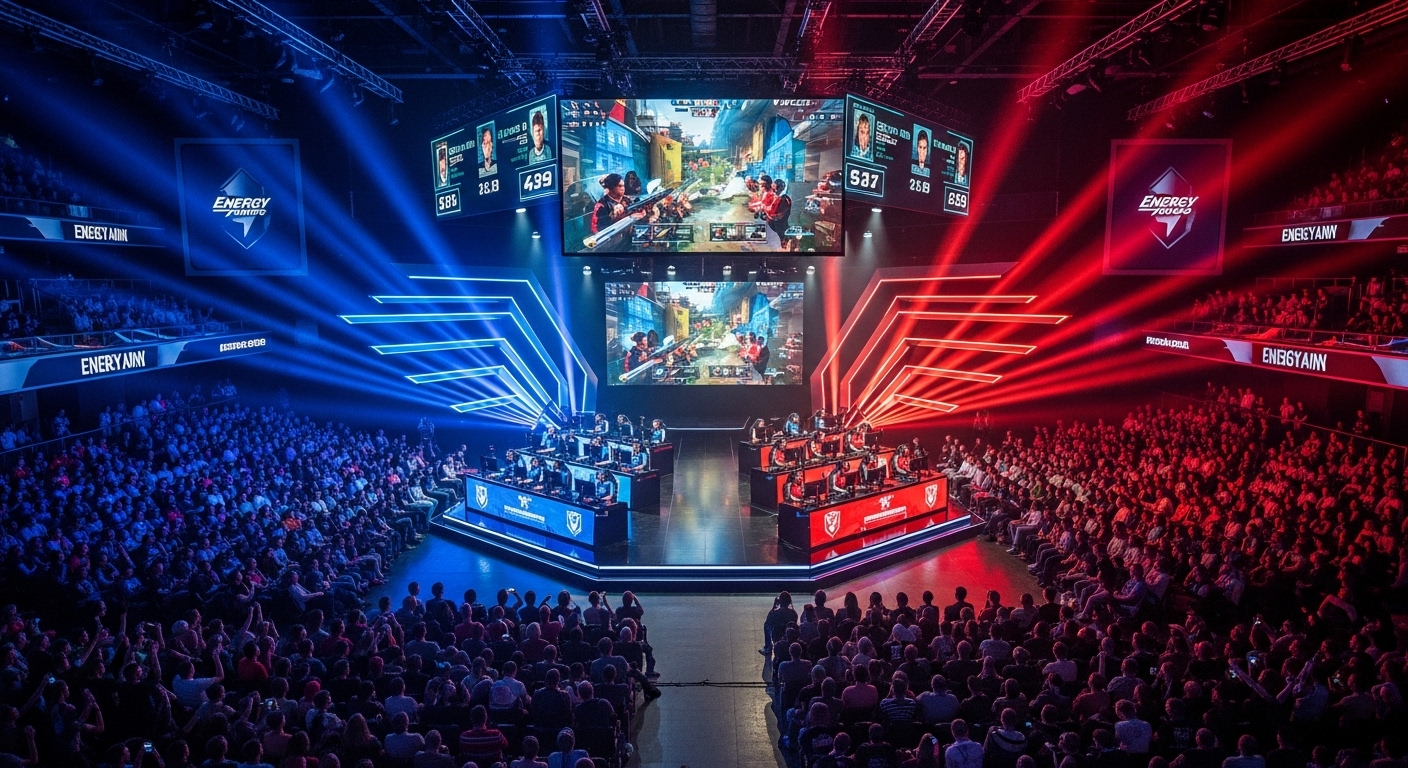
Introduction: Esports – The Future of Competition
In recent years, esports has transitioned from a niche hobby to a global phenomenon, capturing the attention of millions of fans and generating billions of dollars in revenue. What was once considered a pastime for gamers has evolved into a legitimate, organized, and highly competitive industry, with professional players, coaches, sponsors, and fans creating an intricate ecosystem of competitive gaming.
Esports is no longer a hobby or a subculture; it is a full-fledged industry that rivals traditional sports in terms of audience, viewership, and media rights. With major tournaments attracting tens of thousands of live spectators and millions more tuning in from around the world, esports has become a mainstream entertainment category. But how did we get here, and where is the industry headed in the future?
In this blog post, we will explore the origins, rise, and future of esports, discussing the key factors that have made it one of the fastest-growing entertainment industries in the world.
The Origins of Esports: A Competitive Journey
The roots of competitive gaming can be traced back to the early 1970s, when the first video game competitions were held. The first documented video game tournament took place in 1972 at Stanford University, where players competed in the game Spacewar. However, it wasn’t until the 1990s that esports began to take shape with the advent of online gaming.
The launch of Doom in 1993 and Warcraft in 1994 were pivotal moments that laid the groundwork for the esports movement. These games were among the first to allow multiplayer gaming over the internet, enabling players to compete against each other globally. By the late 1990s and early 2000s, competitive gaming tournaments, such as the Cyberathlete Professional League and the World Cyber Games, began to emerge, offering both professional players and casual gamers a platform to showcase their skills.
In the early days, the esports scene was primarily focused on first-person shooters (FPS) like Quake and Counter-Strike, but as the internet expanded and gaming technology improved, the genre pool broadened, with strategy games like StarCraft and Warcraft III attracting huge followings. These tournaments were held in convention centers and broadcast on TV in some regions, but it wasn’t until the emergence of platforms like Twitch that esports truly began to grow into a global entertainment juggernaut.
The Growth of Esports: Turning Passion into Profession
The 2010s marked a significant turning point for esports, as the industry began to professionalize. With the rise of streaming platforms like Twitch and YouTube, players were able to share their gameplay with a global audience, building fanbases that extended far beyond the confines of traditional tournaments. At the same time, companies such as Riot Games, Blizzard Entertainment, and Valve began to create esports ecosystems around their flagship titles, establishing leagues, tournaments, and sponsorships that would fuel the industry’s growth.
The introduction of League of Legends in 2009 by Riot Games marked a defining moment in the development of esports. The game quickly became a cornerstone of the esports scene, with its own professional league, the League of Legends Championship Series (LCS), launching in 2013. The success of League of Legends proved that competitive gaming could be just as exciting and professional as traditional sports, and it opened the door for other titles like Dota 2, Overwatch, and Fortnite to follow suit.
As esports grew, so did its viewership. Major events like The International (Dota 2’s championship tournament) and the League of Legends World Championship began attracting millions of viewers online and in person. The prize pools for these tournaments grew exponentially, with The International offering over $40 million in prize money in 2021, a staggering amount that further solidified esports as a viable professional pursuit.
Esports also gained attention from traditional sports organizations, with big-name investors and athletes taking an interest in the growing sector. Sports networks like ESPN and FOX began broadcasting major tournaments, and large-scale arenas started hosting events that were akin to major sporting events.
The Esports Ecosystem: Key Players and Stakeholders
The world of esports is more than just professional players and tournaments; it is an intricate ecosystem with several key stakeholders that contribute to the overall success of the industry.
Professional Players and Teams
At the heart of esports are the professional players, who dedicate countless hours to mastering their craft. These players often train in specialized gaming houses, under the supervision of coaches and analysts, to develop the strategies and skills required to compete at the highest level. Esports players are often young, with many starting their professional careers in their teens. Top players can make millions of dollars in salary and sponsorship deals, and their skill and achievements make them the stars of the esports world.
Professional esports teams, like Cloud9, T1, and G2 Esports, are integral to the ecosystem. These teams not only field top-tier players but also engage in marketing, brand-building, and community outreach to grow their fanbases. Some teams also have merchandise lines, creating additional streams of revenue beyond tournament winnings.
Sponsors and Advertisers
Sponsorships play a crucial role in the growth of esports. Major brands such as Coca-Cola, Intel, and Nike have partnered with esports organizations to sponsor tournaments, teams, and players. These sponsorships provide financial support and help legitimize esports as a serious business.
Advertisers also play a key role in generating revenue, with in-game ads, branded content, and exclusive partnerships offering significant income. As esports continues to grow, more brands are investing in esports sponsorships, seeing it as an effective way to connect with younger, tech-savvy audiences.
Tournaments and Leagues
The structure of esports tournaments has become highly professionalized. Games like League of Legends, Counter-Strike: Global Offensive, and Valorant have developed their own official leagues and tournament circuits, where top teams compete for huge cash prizes and recognition. These events are often streamed on platforms like Twitch, YouTube, and Facebook, reaching millions of fans worldwide.
The growth of tournaments has also seen the rise of tournament organizers (TOs), such as ESL, DreamHack, and ESL Pro League. These organizations are responsible for organizing and broadcasting major esports events, bringing together players, teams, and fans in high-energy arenas and online spaces.
Streaming and Content Creation
Streaming has played a major role in the growth of esports, with platforms like Twitch and YouTube becoming essential to the industry. Gamers and content creators can live-stream their matches, provide commentary, and engage with their audiences in real-time. This not only allows fans to follow their favorite players but also helps content creators generate income through advertising, donations, and subscriptions.
Esports streamers are often seen as influencers in the gaming community, with many amassing millions of followers. The success of streamers has further blurred the lines between esports and entertainment, making gaming an integral part of mainstream pop culture.
Esports and Traditional Sports: A Growing Parallel
The rise of esports has sparked comparisons to traditional sports, with many seeing the two as growing in parallel. While esports may not yet match the global appeal of football or basketball, it shares many characteristics with traditional sports in terms of competition, fan engagement, and media coverage.
Just like traditional athletes, esports players train for hours each day, competing in leagues and tournaments for recognition and prize money. The teams, coaches, and analysts behind esports also mirror those in traditional sports, where strategy and performance are key.
Furthermore, major esports events are often broadcast on television and streamed to global audiences, making them accessible to fans of all ages. As the industry continues to grow, esports is becoming more widely recognized as a legitimate form of competition, on par with traditional sports in terms of excitement, intensity, and prestige.
The Future of Esports: What Lies Ahead?
The future of esports is incredibly promising. As technology continues to improve and gaming becomes more mainstream, the esports industry is poised for even more growth. Here are some trends that will likely shape the future of esports:
Increased Investment and Sponsorships
As esports continues to grow, more companies and investors will pour money into the industry. We will see bigger sponsorship deals, increased media rights deals, and even more corporate involvement. This will lead to better tournament production, higher prize pools, and expanded opportunities for players and teams.
Mobile and Cross-Platform Gaming
Mobile gaming is rapidly gaining popularity, and we are likely to see more mobile esports tournaments in the future. Games like PUBG Mobile and Mobile Legends are already drawing large crowds, and as mobile gaming technology improves, so will the competitive opportunities for players. Cross-platform gaming will also allow players on different consoles and devices to compete against each other, further blurring the lines between platforms and creating more inclusive competitions.
Virtual Reality and Augmented Reality
With advancements in virtual and augmented reality, esports could see a new wave of immersion. VR and AR could create more interactive and realistic competitions, taking esports to new heights. Imagine competing in a VR League of Legends match or watching an AR Dota 2 tournament unfold before your eyes—this could soon be a reality.
Mainstream Integration
Esports will continue to integrate with traditional media outlets and entertainment, with even more television broadcasts, live events, and online streams. The industry’s expansion into non-gaming sectors, such as film, music, and fashion, will make esports a central part of modern pop culture.