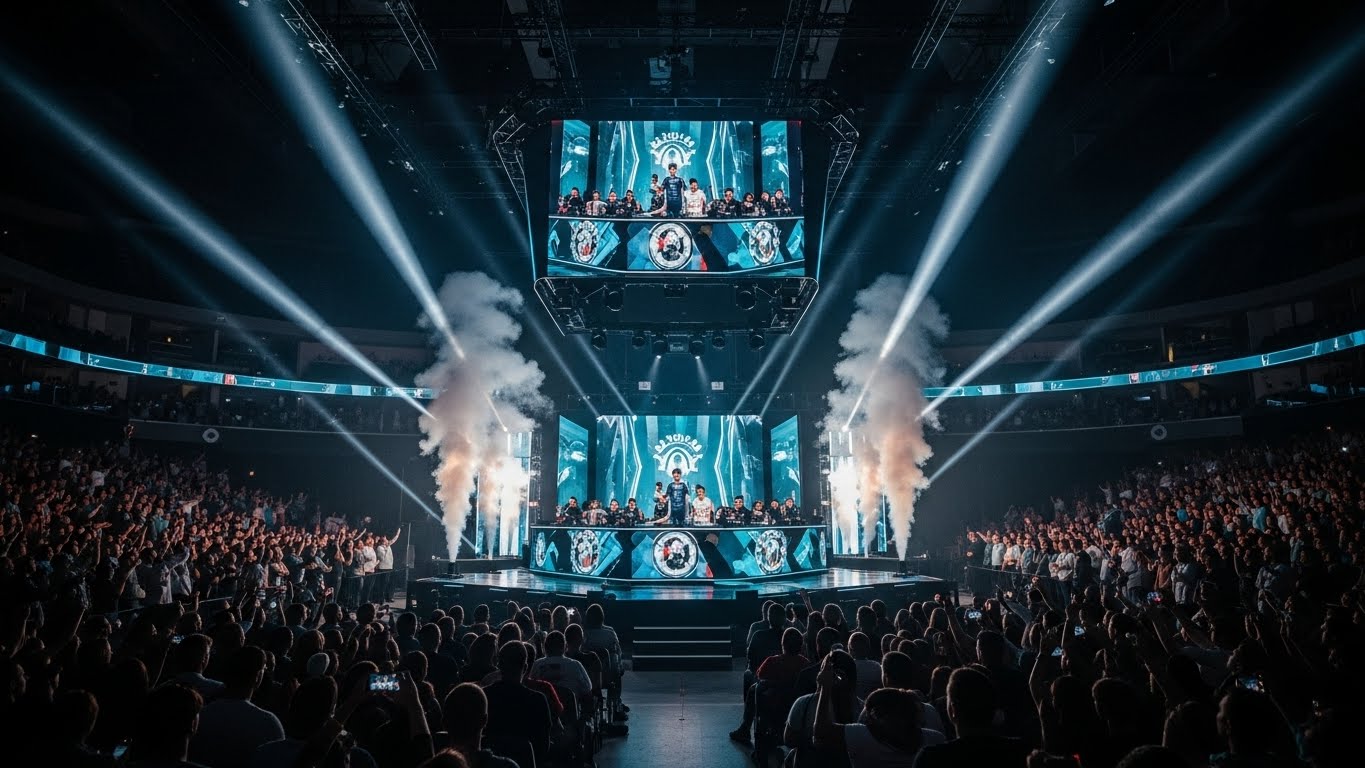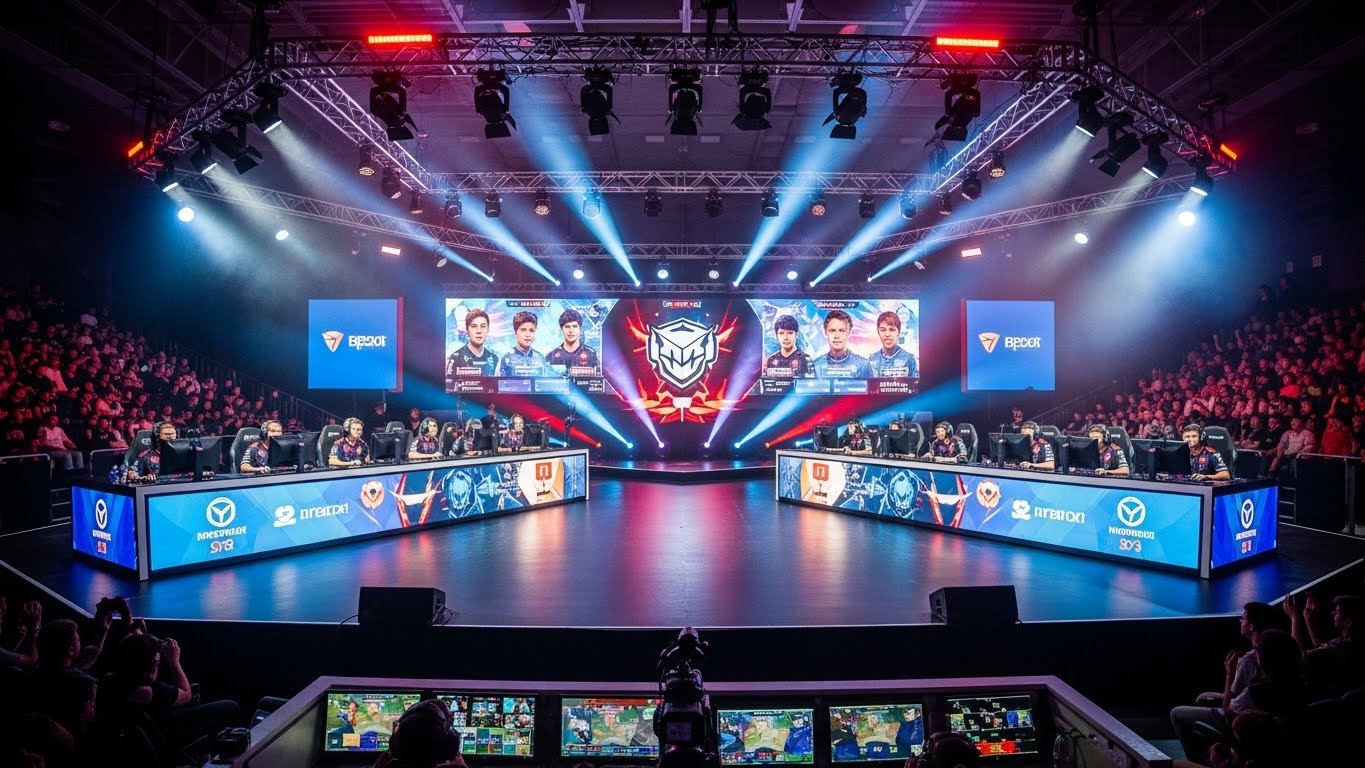
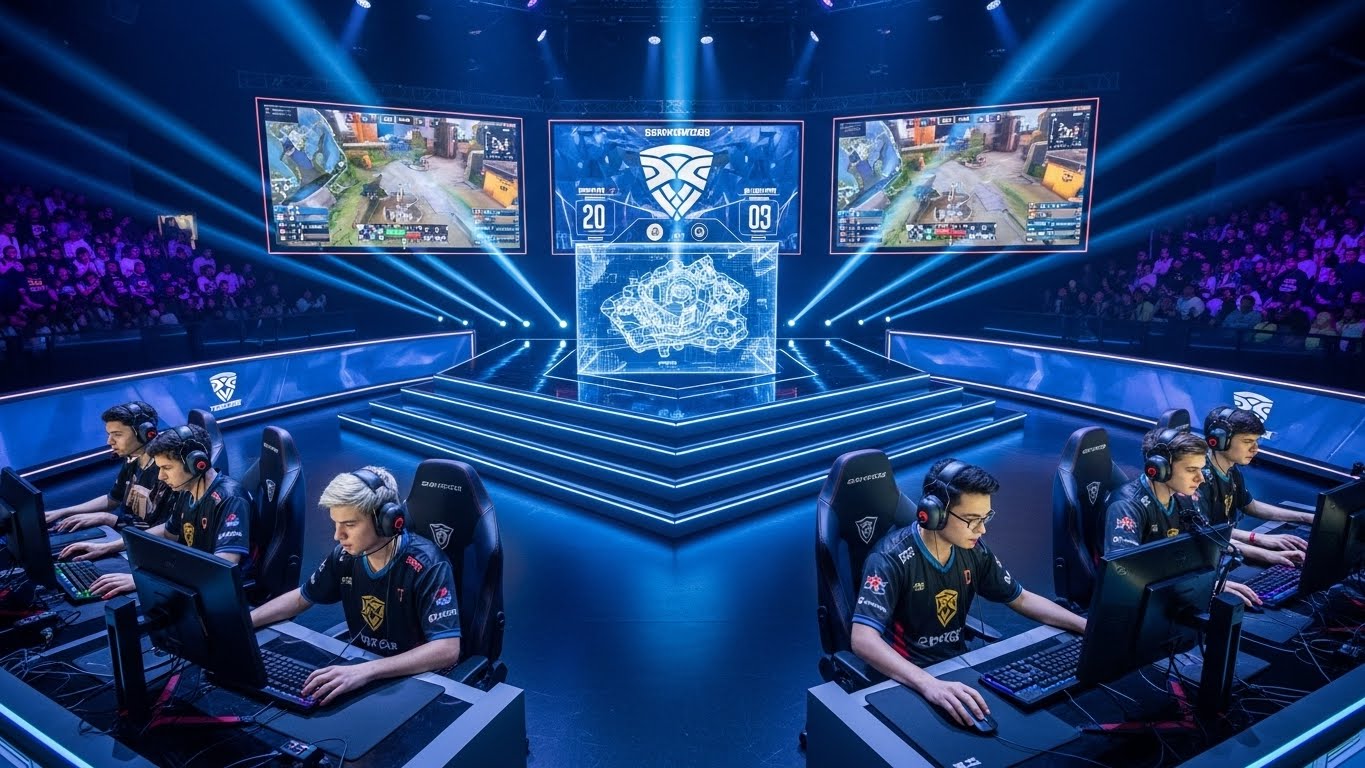
In recent years, esports has evolved from a niche subculture into a multi-billion-dollar industry, capturing the attention of gamers, enthusiasts, and investors alike. Competitive gaming has become a legitimate form of entertainment, offering thrilling experiences for both players and fans across the globe. With global tournaments, a growing fanbase, and substantial sponsorships, esports is fast becoming a major cultural and economic force. But how did we get here? In this blog post, we’ll explore the growth of esports, its cultural impact, and what the future holds for this ever-expanding industry.
The Birth of Esports: From Hobby to Profession
The concept of competitive gaming has existed for decades, but the true rise of esports can be traced back to the late 1990s and early 2000s. The emergence of online gaming platforms and faster internet speeds paved the way for multiplayer gaming, allowing players to compete against each other from anywhere in the world. Games like StarCraft and Quake were some of the first to gain popularity in the competitive scene, leading to the creation of the first major esports tournaments.
In 1997, the Red Annihilation tournament for Quake was a landmark event, with the winner receiving a Ferrari 328 GTS as a prize. This tournament marked a turning point in the perception of video games as just a pastime to something far more serious. The early 2000s saw the formation of esports organizations, like Major League Gaming (MLG) and World Cyber Games (WCG), which set the stage for professional gaming to flourish.
The Explosion of Esports: A Global Phenomenon
By the mid-2010s, esports had evolved into a worldwide phenomenon. A pivotal moment came in 2013 with the launch of League of Legends (LoL) World Championship, which attracted over 30 million viewers, and the esports community took notice. This event solidified the growing interest in competitive gaming, with esports tournaments now regularly featuring live broadcasts, commentary, and major sponsorships from global brands.
Esports has seen a surge in players and viewers, especially in popular games like League of Legends, Dota 2, Counter-Strike: Global Offensive, and Fortnite. The rise of streaming platforms like Twitch and YouTube Gaming has made it easier than ever for players to showcase their skills, interact with fans, and build their own communities. These platforms have not only provided gamers with an avenue for showcasing their talent but also given viewers a chance to witness the excitement and drama of esports tournaments in real-time.
The Impact of Streaming and Content Creation
The rise of streaming platforms such as Twitch, YouTube, and Facebook Gaming has significantly impacted the growth of esports. These platforms allow gamers to broadcast their gameplay, engage with fans, and even monetize their content through ads, sponsorships, and donations. Streamers have become celebrities in their own right, with millions of followers and significant influence over gaming culture.
Content creators on platforms like Twitch have become central to the ecosystem of esports. While traditional sports rely on professional athletes and teams, esports thrives on the personalities and stories of the players themselves. Fans flock to watch their favorite streamers for both their skill and charisma, contributing to the rapidly expanding esports community. Some streamers have even transcended gaming to become influencers and celebrities in mainstream media.
Esports as a Career: Becoming a Professional Gamer
The idea of becoming a professional gamer was once considered a dream for many, but today, it’s a reality for a select group of individuals. Esports athletes train and compete just like traditional athletes, dedicating hours each day to honing their skills. Professional esports players are often signed to teams that provide them with salaries, coaching, and access to the best equipment. These teams compete in regional and international tournaments, where the stakes are high, and the rewards are even higher.
Esports professionals can earn money in a variety of ways. Tournament prize money, team salaries, sponsorships, and merchandise sales are just a few revenue streams available to top players. For instance, the Dota 2 International tournament boasts one of the largest prize pools in esports history, often reaching over $30 million. As the esports industry continues to expand, more and more players are turning their passion for gaming into lucrative careers.
Beyond the players themselves, the esports ecosystem also includes coaches, analysts, casters, and content creators who contribute to the overall experience. These individuals play a crucial role in the development of the esports industry, helping to shape the narrative around events and elevating the level of competition.
The Business Side of Esports: Money, Sponsorships, and Investments
Esports is not just about gaming—it’s also a big business. Major corporations have recognized the commercial potential of esports, investing millions of dollars into teams, tournaments, and media rights. Brands like Coca-Cola, Intel, Nike, and Red Bull have entered the scene, sponsoring tournaments and professional players alike. The rapid growth of the industry has attracted significant investment from venture capitalists, further fueling its expansion.
One of the biggest sources of revenue in esports comes from sponsorships. Companies see esports as an opportunity to market their products to a younger, tech-savvy audience. Sponsorships are not limited to just team logos on jerseys or advertisements on live streams—they also include product collaborations, exclusive content, and even branded in-game items. These sponsorships create a symbiotic relationship between esports organizations and brands, benefitting both parties.
Esports teams also generate income through merchandise sales. Fans are eager to support their favorite teams by purchasing branded apparel, accessories, and gaming gear. This provides a significant revenue stream for teams and players alike. Additionally, media rights deals have become increasingly important. As the audience for esports continues to grow, major networks and streaming services are eager to broadcast tournaments, leading to lucrative deals that further boost the industry’s financial growth.
Esports and Traditional Sports: A Growing Intersection
As esports continues to grow, its relationship with traditional sports becomes more intertwined. Many professional esports organizations have partnered with traditional sports teams and franchises, creating hybrid teams that compete in both esports and traditional sports. For example, the NBA’s Golden State Warriors launched their own esports organization, while soccer teams like Paris Saint-Germain and Manchester City have established their presence in esports with teams in games like FIFA and League of Legends.
Furthermore, esports has also influenced the world of traditional sports in terms of audience engagement and viewing habits. As younger generations flock to esports, traditional sports leagues are looking for ways to appeal to this digital-native demographic. This has led to a rise in virtual fan experiences, interactive broadcasts, and online engagement strategies that were once exclusive to esports.
The blending of esports and traditional sports could be seen as the next logical step in the evolution of global entertainment. As the line between the two continues to blur, it’s clear that esports is here to stay and is shaping the future of entertainment in ways we never imagined.
The Future of Esports: Growth and Challenges Ahead
While esports has come a long way in a short period of time, the industry still faces several challenges as it continues to grow. One major hurdle is the lack of regulation and standardization. Unlike traditional sports, which have governing bodies and rules in place, esports is still in the process of establishing these frameworks. Issues such as cheating, match-fixing, and player contracts need to be addressed to ensure the integrity of competitive gaming.
Another challenge is the sustainability of the business model. While sponsorships and media rights deals have driven significant revenue, there is still a need for more diverse and reliable income sources. The industry must find ways to balance the business side of esports with the needs and well-being of players. Ensuring fair wages, player safety, and mental health support will be crucial for the long-term success of the industry.
Finally, the increasing professionalization of esports could result in a greater divide between casual players and professional competitors. As the stakes get higher, some worry that the accessibility and fun of gaming may be lost in the pursuit of profitability. Esports organizers will need to strike a balance between competitive integrity and inclusivity to keep the gaming community healthy and vibrant.
Conclusion: Esports is the Future of Gaming
Esports has quickly evolved from a niche hobby to a global industry, attracting millions of viewers and players worldwide. The rise of professional gaming, streaming platforms, sponsorships, and partnerships with traditional sports organizations has solidified esports as a major force in the entertainment world. As the industry continues to grow, the future of esports looks incredibly bright, with even more opportunities for players, fans, and investors to get involved.
Despite the challenges, esports is poised to reshape the landscape of competitive gaming and entertainment for generations to come. With its dynamic fanbase, growing financial investment, and increasing legitimacy as a career path, esports is more than just a trend—it is the future of gaming. So, whether you’re a casual gamer or a die-hard fan, it’s safe to say that the world of esports is just getting started, and its impact will continue to reverberate throughout the entertainment industry for years to come.