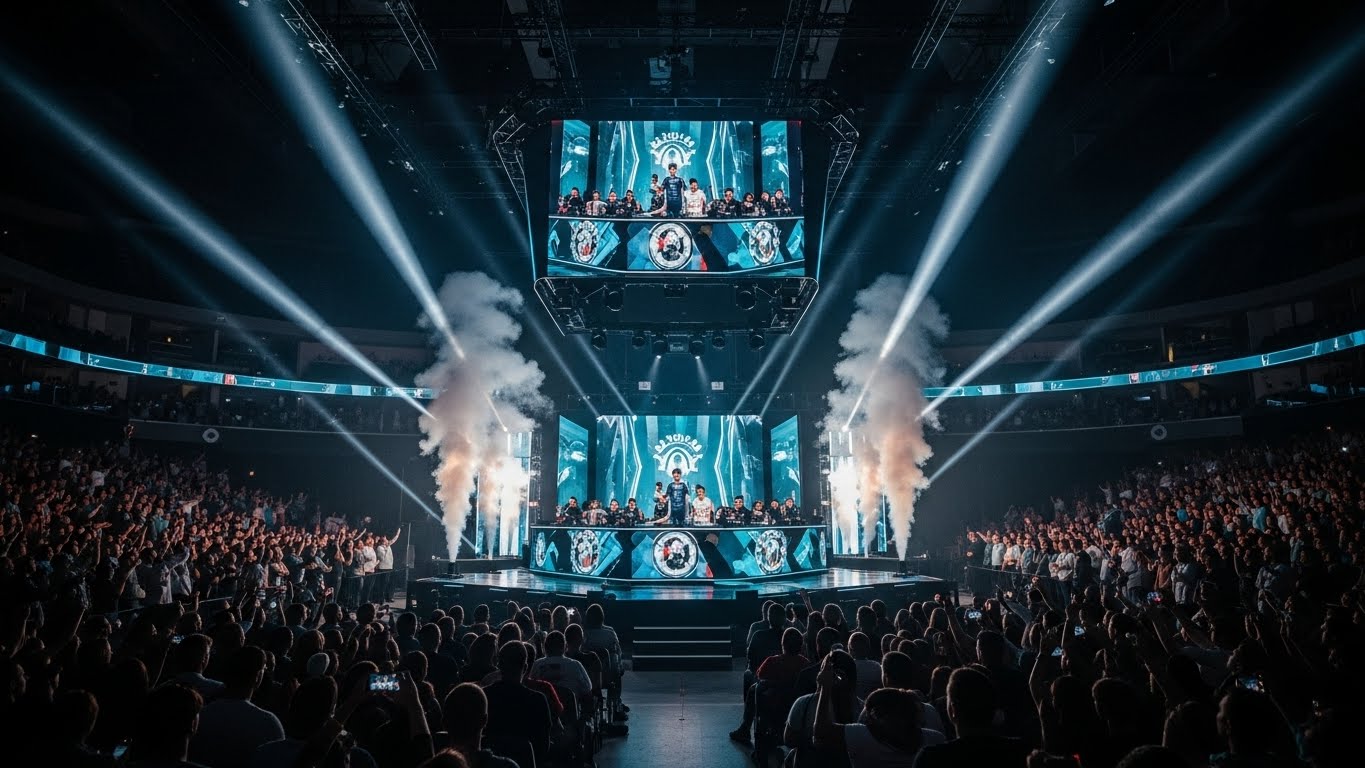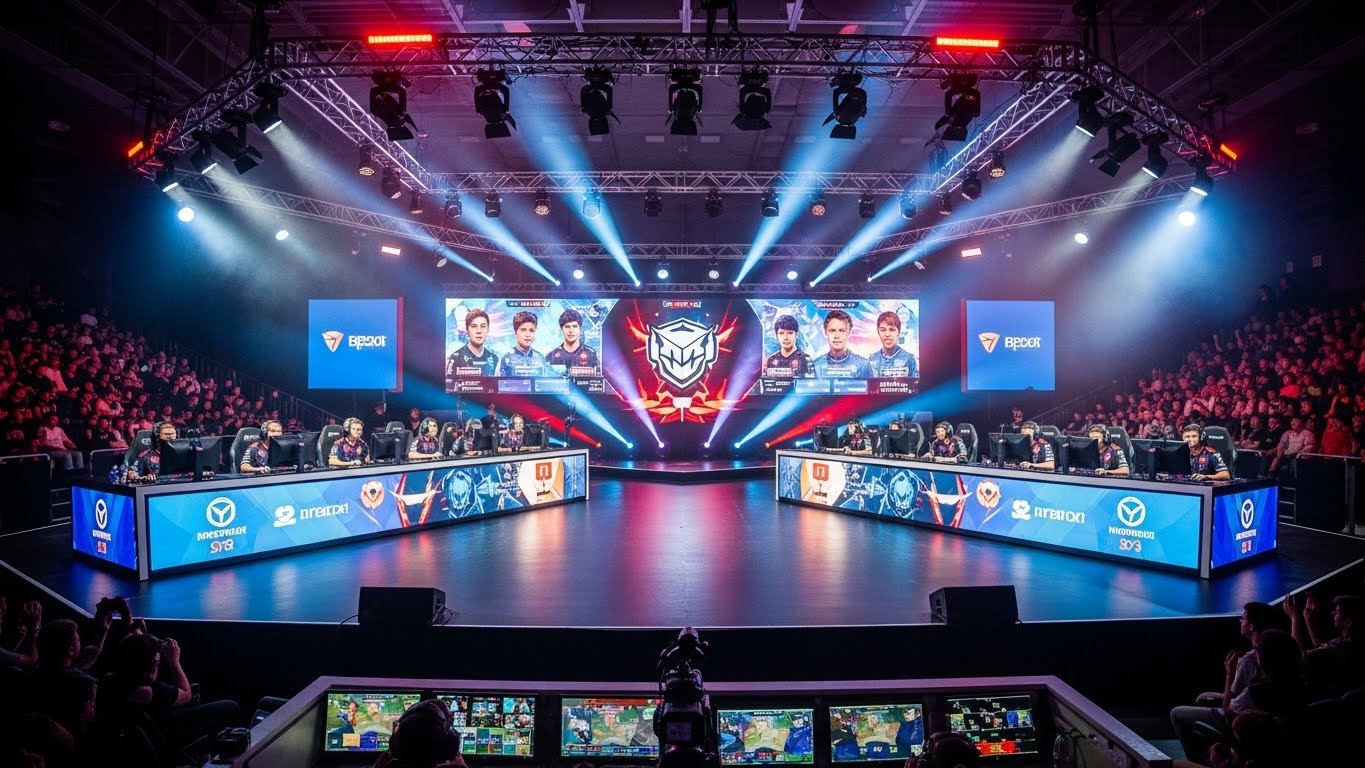
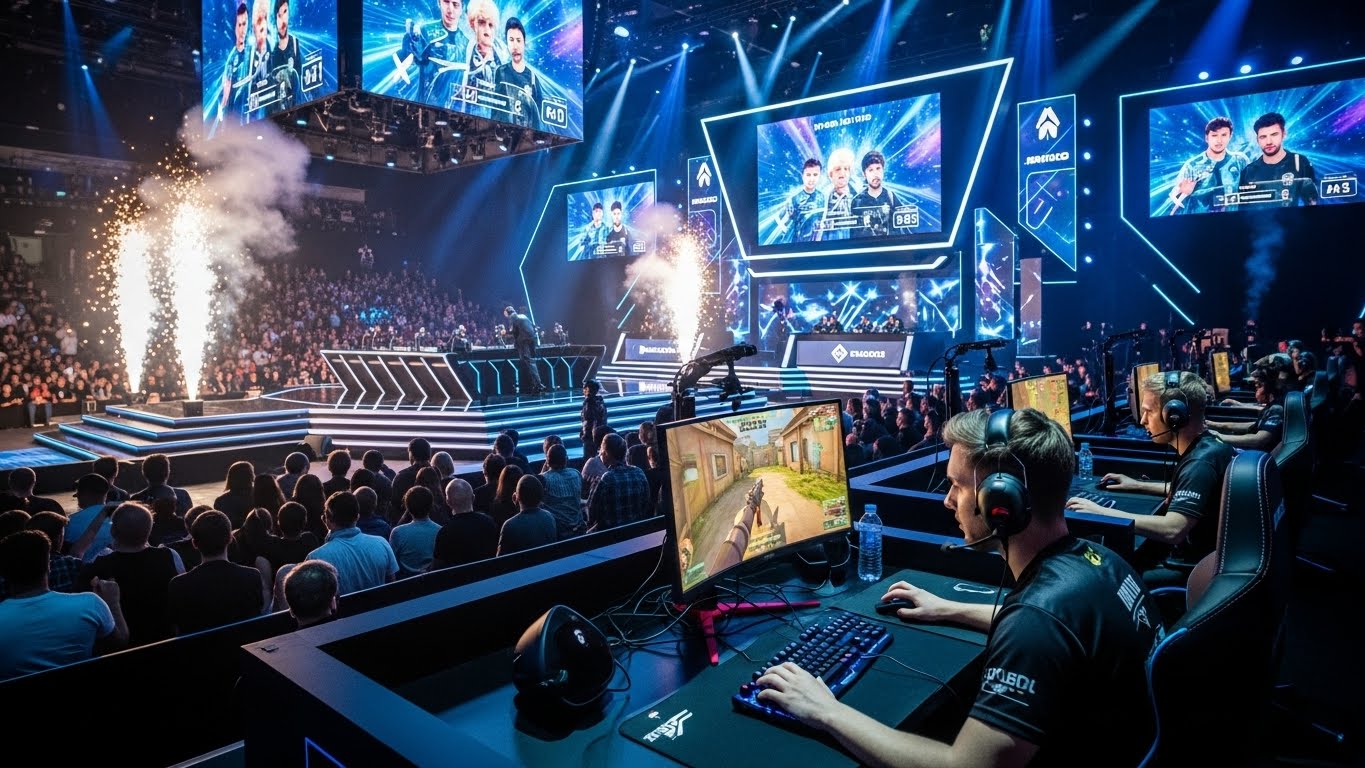
In the last decade, esports has gone from a niche activity to a global phenomenon. Competitive video gaming, once a hobby enjoyed by a small community of enthusiasts, is now a multi-billion-dollar industry with millions of fans worldwide. Esports tournaments fill stadiums, attract major sponsors, and offer life-changing prizes to the most talented players. In this blog post, we will explore the origins of esports, its cultural impact, the booming business side of the industry, and the future of competitive gaming.
The Beginnings of Esports: From Amateur Competitions to Global Recognition
The roots of esports can be traced back to the early days of video gaming. While arcade games like Pong in the 1970s and Space Invaders in the early ’80s sparked a sense of friendly competition, the foundation for esports was laid much later. As video games became more complex and multiplayer experiences grew, so did the desire to compete against other players.
In the late ’90s, competitive gaming began to find its stride. The launch of StarCraft in 1998 by Blizzard Entertainment was a pivotal moment in esports history. The game’s complex strategy and team-based mechanics turned it into a spectator sport. South Korea was one of the first countries to embrace competitive gaming on a mass scale. In the early 2000s, StarCraft tournaments were broadcast on television, and the first esports league, the Korean e-Sports Association (KeSPA), was formed. This early success in South Korea helped establish esports as a legitimate form of competition.
By the mid-2000s, global tournaments began to emerge, including the World Cyber Games and the Electronic Sports World Cup. These events attracted competitors from all over the world, and while esports was still in its infancy, it was clear that a growing number of players and viewers were passionate about the scene.
The Growth of Esports: A Multi-Billion Dollar Industry
Fast forward to the present day, and esports is now a fully established industry with an estimated value of over $1 billion. The increase in esports’ popularity can be attributed to several factors, including technological advancements, the rise of streaming platforms, and the establishment of professional leagues.
Streaming Platforms and Their Role in Esports’ Growth
The growth of platforms like Twitch, YouTube Gaming, and Facebook Gaming has been a key driver in esports’ development. Twitch, which launched in 2011, revolutionized the way fans interacted with competitive gaming. For the first time, fans could watch live streams of their favorite players and tournaments, interact in real-time via chat, and build a community around the games they loved.
By offering a platform where gamers could not only watch but also engage with content creators, Twitch helped blur the lines between players and fans. This interactivity led to the rise of “streamers” – individuals who earned substantial incomes from streaming their gameplay. Many top players and content creators, such as Ninja and Shroud, transitioned from casual streaming to full-time careers, earning money through sponsorships, donations, and advertising revenue.
Streaming has also made esports more accessible. Fans can watch major tournaments like League of Legends World Championship or The International for free, bringing in millions of viewers each year. This accessibility has played a huge role in turning esports into a mainstream form of entertainment.
The Role of Professional Leagues and Sponsorships
The rise of professional leagues has also been instrumental in esports’ growth. Games like League of Legends, Dota 2, Overwatch, and CS:GO now boast large, established leagues that attract top-tier players and provide lucrative salaries. The League of Legends Championship Series (LCS) is one of the most prominent esports leagues in the world, with its season finals attracting millions of viewers.
Professionalization has also led to greater financial investment from major sponsors. Companies like Coca-Cola, Mercedes-Benz, and Red Bull have all signed sponsorship deals with esports teams and events. These deals not only help fund tournaments but also bring legitimacy to esports as a recognized industry. The enormous prize pools associated with some esports tournaments, such as the $40 million prize pool for Dota 2’s International 2019, highlight the substantial financial rewards available for players, teams, and organizers.
Esports and Its Cultural Impact
Beyond its economic success, esports has had a profound impact on global culture. Competitive gaming has evolved from a pastime into a social experience, creating vibrant communities around popular titles.
The Community Aspect of Esports
One of the most significant cultural shifts has been the transition of gaming from a solitary activity to a highly social one. The rise of online multiplayer games like Fortnite, Overwatch, and Call of Duty has created a sense of global camaraderie, with players collaborating in teams or competing in ranked matches. These online communities are often the lifeblood of a game, where players exchange tips, share content, and form lifelong friendships.
Esports has also paved the way for a new type of celebrity: the gaming influencer. Gamers like PewDiePie, Ninja, and Pokimane have built massive online followings, becoming household names outside of gaming. These influencers often blend competitive gaming with entertainment, creating content that is engaging and fun to watch. Their personal brands extend beyond gaming to include sponsorships, merchandise, and collaborations with other industries.
Moreover, esports has become a global language, bridging cultural and geographic divides. Tournaments like The International and League of Legends Worlds attract viewers from all corners of the globe, with commentary available in multiple languages to ensure accessibility. This global appeal has united fans who share a common love for the games, regardless of their backgrounds or locations.
Esports in Traditional Media
As esports grew, so did its presence in traditional media. Major networks like ESPN, TBS, and NBC began airing esports events, and even traditional sports figures like Shaquille O’Neal and Michael Jordan became involved in esports through investments and endorsements. This cross-industry recognition has led to a greater acceptance of esports as a legitimate sport, breaking down the barriers between traditional and digital sports.
Furthermore, documentaries and television series have started to emerge, chronicling the lives of professional players and teams. Netflix’s The Last Dance documentary on Michael Jordan, for example, has sparked interest in esports documentaries, with productions like Free to Play, which follows the lives of Dota 2 players, helping to highlight the human stories behind the games.
Esports as a Career Path
Perhaps the most groundbreaking change brought about by esports is the opportunity it has created for players to turn their passion into a full-time career. In the past, professional gamers were often regarded as hobbyists or outcasts, but the rapid rise of esports has transformed this perception. Today, esports professionals can earn significant salaries from tournament winnings, sponsorships, and streaming platforms.
The Role of Coaches, Analysts, and Other Support Staff
Esports is not just about the players. Teams now employ coaches, analysts, psychologists, and managers to help players perform at their best. The competitive gaming landscape is much like traditional sports in this regard. Coaches help players improve their strategies, while analysts break down in-game data to give teams a competitive edge. Mental health professionals are also becoming a crucial part of the ecosystem, as the intense pressure and long hours can take a toll on players’ well-being.
Furthermore, esports organizations are expanding into a more corporate model, with multi-million-dollar investments from tech giants like Amazon and Microsoft. These investments are not only helping fund esports leagues and tournaments but also creating opportunities for people to work in fields like broadcasting, event management, content creation, and more.
The Appeal of Esports Scholarships
Esports has also entered the realm of education, with many universities offering esports scholarships. These programs allow talented players to receive financial aid while competing at a collegiate level. In addition to playing, students can study esports management, event organization, and other related fields. This integration of esports into education further legitimizes gaming as a career and provides new avenues for those who want to pursue their passion for gaming professionally.
The Future of Esports: What’s Next?
As esports continues to grow, its future looks brighter than ever. The industry is evolving rapidly, and several trends are emerging that will shape its trajectory in the coming years.
Global Expansion of Esports
While esports has already achieved a strong presence in regions like North America, Europe, and South Korea, there is immense potential for growth in emerging markets like Southeast Asia, Latin America, and Africa. These regions have large gaming populations, and as infrastructure improves, esports events and teams will likely expand to meet the demand.
The Impact of Virtual Reality and Augmented Reality
Another exciting possibility for the future of esports is the integration of virtual reality (VR) and augmented reality (AR) technologies. These technologies have the potential to revolutionize competitive gaming by offering a more immersive experience for players and viewers alike. VR could create entirely new genres of competitive games, while AR could add layers of interactivity to traditional games.
Esports in the Olympics
One of the most hotly debated topics in the esports community is whether competitive gaming will ever become an Olympic event. As esports continues to gain global recognition and institutional support, it’s not out of the question that esports could one day join the ranks of traditional sports in the Olympic Games.
Conclusion: A New Era of Competition and Entertainment
Esports has come a long way since its humble beginnings as a niche pastime for gamers. Today, it stands as a multi-billion-dollar industry, with a global audience, professional leagues, and lucrative career opportunities. The rise of esports has not only changed the way we view gaming but also the way we interact with entertainment. Whether you’re a player, a fan, or a business professional, the impact of esports on the world is undeniable. As the industry continues to grow and evolve, there’s no telling just how far esports