Introduction
Esports has transformed from a niche hobby into one of the most influential and fast-growing industries of modern entertainment. Once considered an informal pastime for passionate gamers, competitive gaming has now evolved into a global spectacle with professional teams, massive tournaments, and millions of dedicated fans. Esports blends strategy, skill, technology, and community, making it a powerful cultural force. This blog delves into the evolution of esports, its growing impact, and the bright future awaiting this digital battleground.
The Early Beginnings of Competitive Gaming
The concept of esports did not appear overnight. Its roots can be traced back to the early decades of video gaming, when arcade competitions allowed players to showcase their high scores and challenge others. University events and small tournaments marked the early stages of organized competitive play.
As technology improved, gaming transitioned from local competitions to online matches. High-speed internet made it possible for players to face opponents across the globe, allowing competitive gaming to flourish. What began as friendly local competitions eventually evolved into structured, international events supported by game developers and passionate communities.
The Explosion of Esports as a Mainstream Industry
The turning point for esports occurred when major tournaments began offering significant prize pools and attracting professional players. Competitive titles developed their own ecosystems, complete with leagues, sponsors, coaches, and fans. The industry grew even further when live-streaming platforms made it possible for millions of viewers to watch matches in real time.
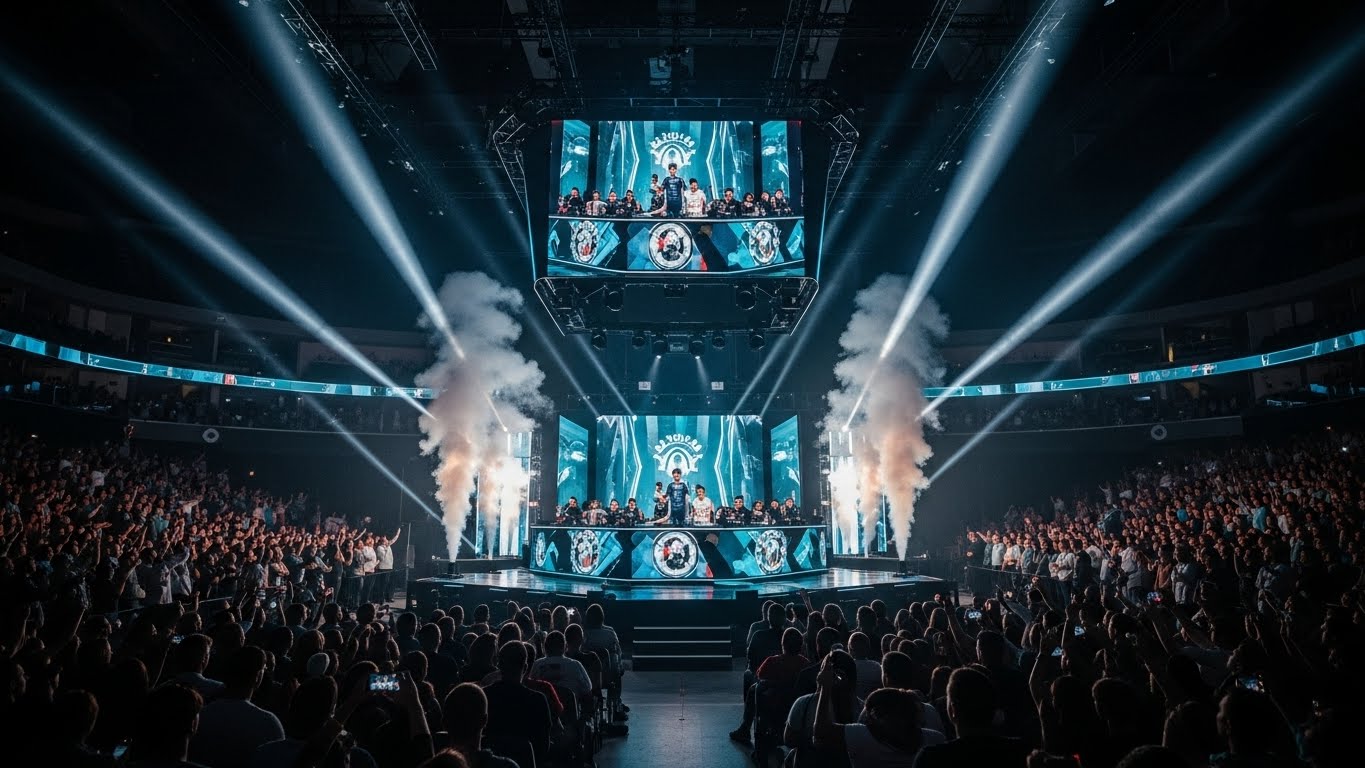
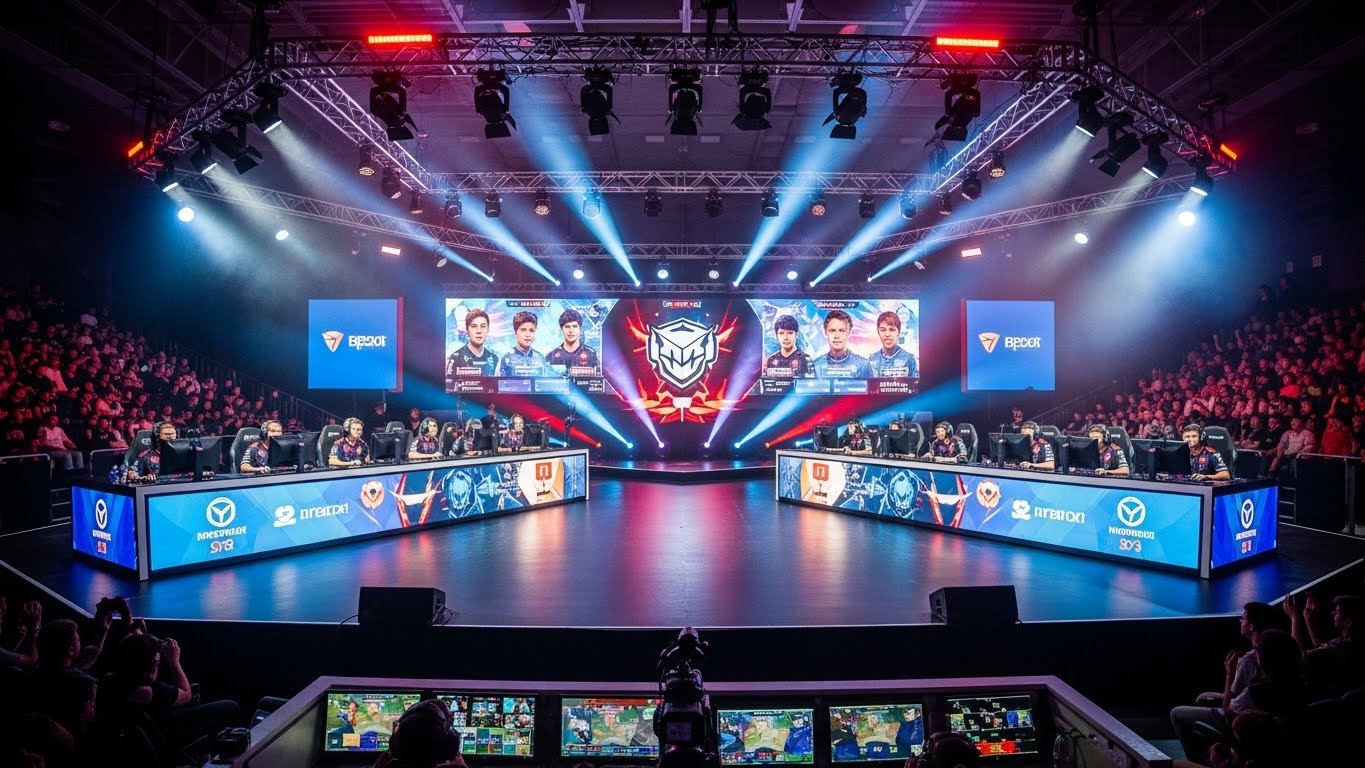
Esports quickly gained recognition alongside other major entertainment and sports industries. Large arenas began hosting tournaments with thousands of spectators, while millions more watched from around the world. What was once a subculture had transformed into mainstream entertainment, drawing attention from advertisers, investors, and even traditional sports organizations.
Popular Game Genres in Esports
Esports covers a broad range of game genres, each requiring different skills, strategies, and teamwork. These genres attract diverse players and audiences, contributing to the industry’s widespread appeal.
Multiplayer Online Battle Arena Games
Multiplayer online battle arena games are among the most popular esports genres. These games demand teamwork, quick decision-making, and deep game knowledge. Teams compete by selecting characters with unique abilities and working together to outmaneuver opponents in strategic battles.
First-Person Shooters
First-person shooter games test reflexes, precision, and tactical awareness. Esports tournaments centered around these games are known for their fast-paced action and intense competition. Players must demonstrate exceptional coordination, map knowledge, and communication skills.
Real-Time Strategy Games
Real-time strategy games challenge players to manage resources, build armies, and outthink their opponents. These games were some of the earliest examples of esports and continue to be respected for their complexity and strategic depth.
Sports Simulations
Sports simulation games appeal to fans of real-world sports who enjoy digital competition. These games mirror real-life rules and strategies, allowing players to showcase their skills in virtual versions of popular sports.
The Life of a Professional Esports Player
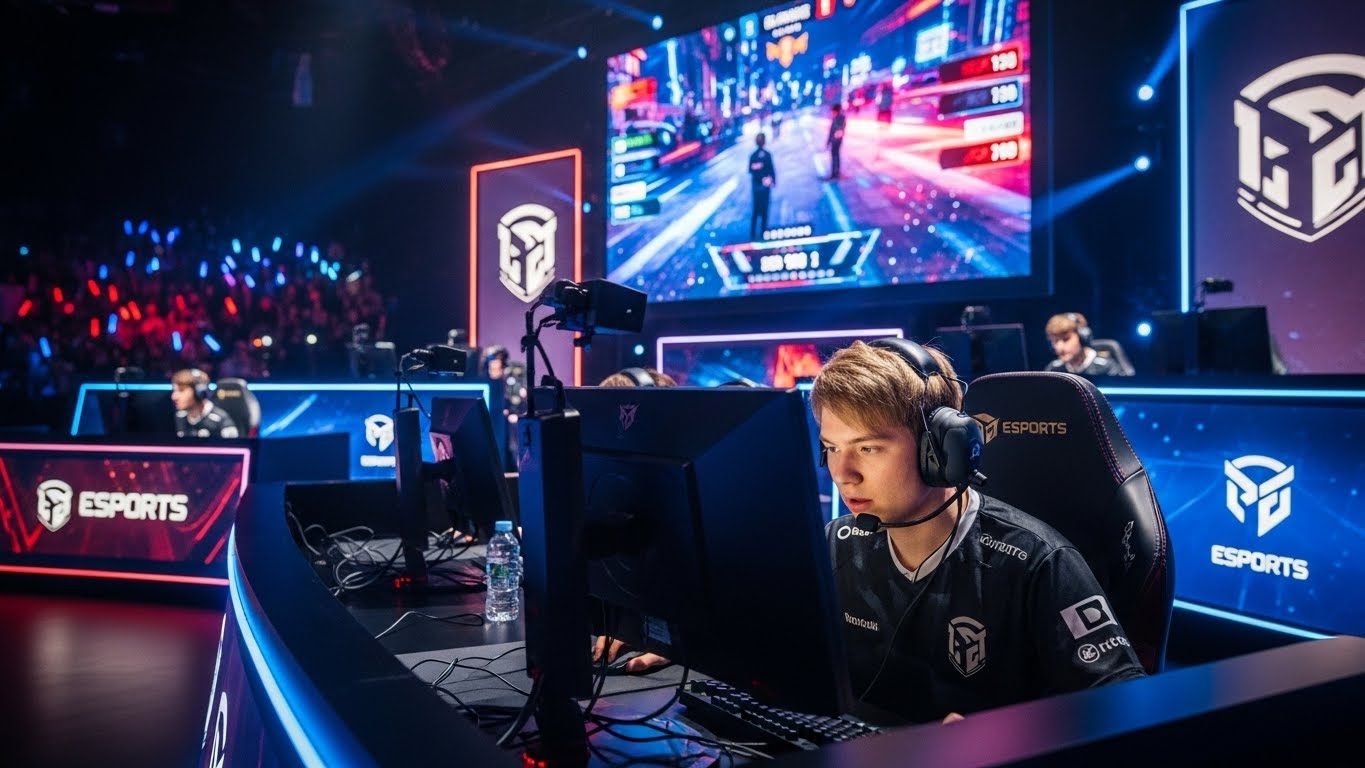
Becoming a professional esports player requires dedication, discipline, and consistent practice. Top players spend hours every day training, studying game strategies, and reviewing past matches to improve their performance. Much like traditional athletes, they work with coaches, analysts, and teammates to refine their skills.
Professional players also travel frequently for tournaments and promotional events. While the lifestyle can be glamorous with sponsorships and fan recognition, it is equally demanding. The pressure to perform at a high level is immense, and players must balance training, personal life, and mental well-being.
The Global Reach of Esports
Esports is a truly global industry. Tournaments take place in every major region, and fans from all over the world follow their favorite teams and players. International competitions bring together cultures and communities in a shared passion for gaming.
Countries across Asia, Europe, North America, and beyond have become key hubs for esports activity. Many governments have begun recognizing esports as an official sport, offering support for events, teams, and training programs. The global nature of esports has also led to cross-border collaborations and rivalries that fuel excitement and engagement.
The Role of Esports Organizations and Teams
Esports organizations play a critical role in shaping the competitive landscape. These organizations manage teams, recruit talent, coordinate training, and negotiate sponsorships. They provide resources and infrastructure to help players succeed at the highest level.
Teams often become household names within the esports community, with loyal fan bases who follow them across multiple games and tournaments. These fans purchase merchandise, attend events, and engage with teams through social media, turning esports organizations into powerful entertainment brands.
The Economic Impact of Esports
The esports industry generates revenue through sponsorships, advertising, merchandise, media rights, and tournament earnings. As the fan base grows, more businesses invest in esports, recognizing the value of reaching a young, tech-savvy audience.
Game developers also benefit from competitive gaming, as esports popularity can significantly enhance a game’s longevity. Successful esports titles often maintain strong player communities and consistent engagement, resulting in long-term success.
The industry has created numerous career opportunities beyond playing professionally. Coaches, analysts, event organizers, broadcasters, graphic designers, marketers, and journalists all contribute to the thriving esports ecosystem.
The Social and Cultural Influence of Esports
Esports is more than competition; it is a cultural movement that influences entertainment, technology, and social interaction. Many players and fans form meaningful connections through online communities, fostering friendships and teamwork.
Competitive gaming has also encouraged inclusivity by welcoming players of different backgrounds, languages, and countries. While the industry continues to work toward greater diversity and representation, it has already made significant progress in creating spaces where people can connect through shared passion.
Streaming and Content Creation in the Esports World
Live streaming has become essential to esports culture. Players and content creators share gameplay, tutorials, and commentary, building personal brands and connecting with audiences. Some streamers become influential figures within the gaming community, inspiring fans and contributing to the industry’s growth.
Esports events often incorporate live-streamed segments, behind-the-scenes content, and interactive commentary. These elements make esports more than a spectator activity; they create a dynamic, engaging experience that appeals to both dedicated fans and newcomers.
Challenges Facing the Esports Industry
Despite its rapid growth, esports faces several challenges. Competitive pressure can lead to burnout among professional players. Ensuring player well-being, balanced schedules, and mental health support is crucial for long-term sustainability.
Additionally, the industry must continue to address issues such as fair competition, security, and integrity within tournaments. As the audience expands, maintaining professionalism and ethical standards is essential to preserving the credibility of esports.
The Future of Esports
The future of esports is filled with promise. Advancements in technology will create even more immersive ways to experience competitive gaming. Virtual reality competitions, enhanced live events, and global leagues will push the boundaries of what esports can achieve.
Educational institutions are also acknowledging the value of esports by offering scholarships, courses, and training programs. This recognition will help nurture future players, managers, and professionals who can contribute to the industry.
Esports will continue to grow as a mainstream form of entertainment, bringing together fans, players, and creators from all over the world.
Conclusion
Esports has evolved from casual gaming sessions into a global cultural and competitive phenomenon. It combines passion, skill, teamwork, and innovation, creating an industry that captivates millions. As technology advances and the community grows, esports will continue to shape the future of entertainment and digital competition.
The rise of esports symbolizes more than the success of competitive gaming; it represents the power of digital communities, the excitement of high-level competition, and the limitless potential of human creativity. With a growing global audience and endless opportunities, esports stands as a defining force in modern entertainment.