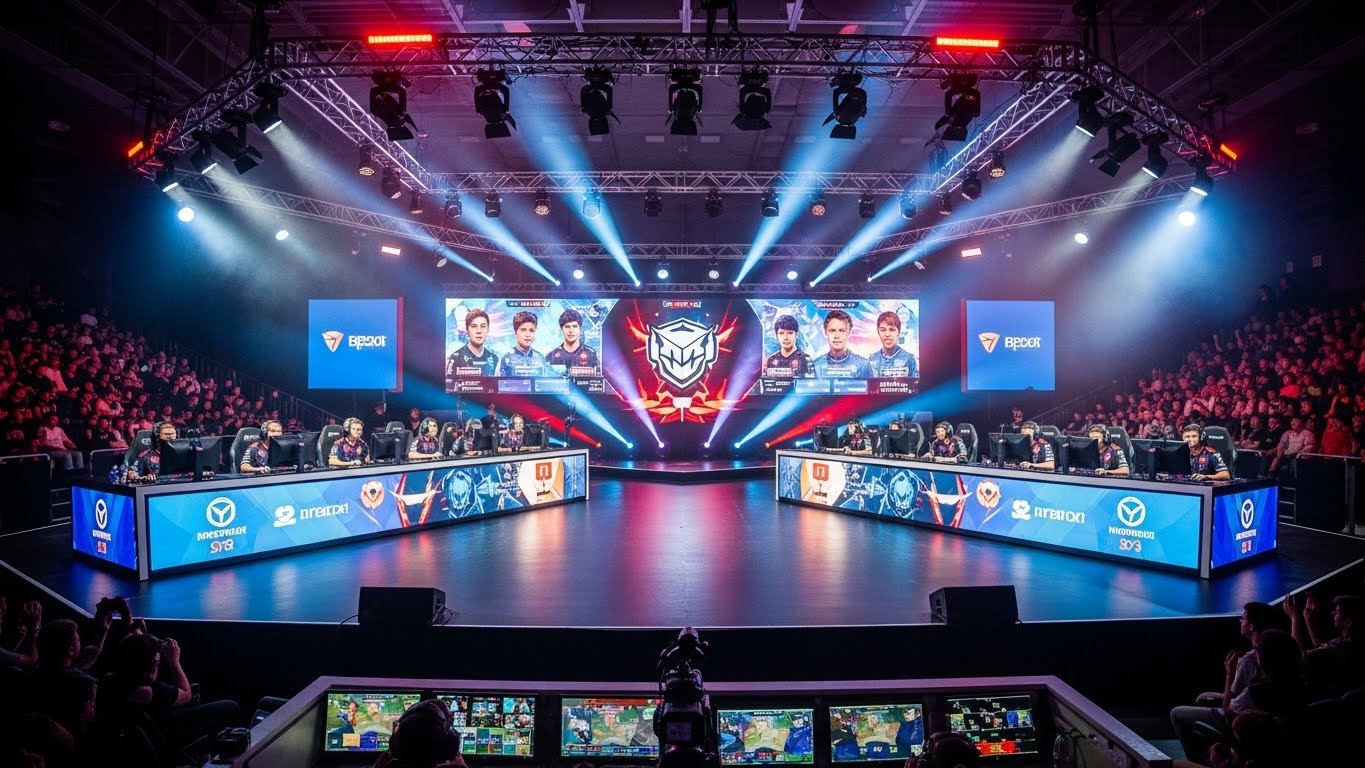
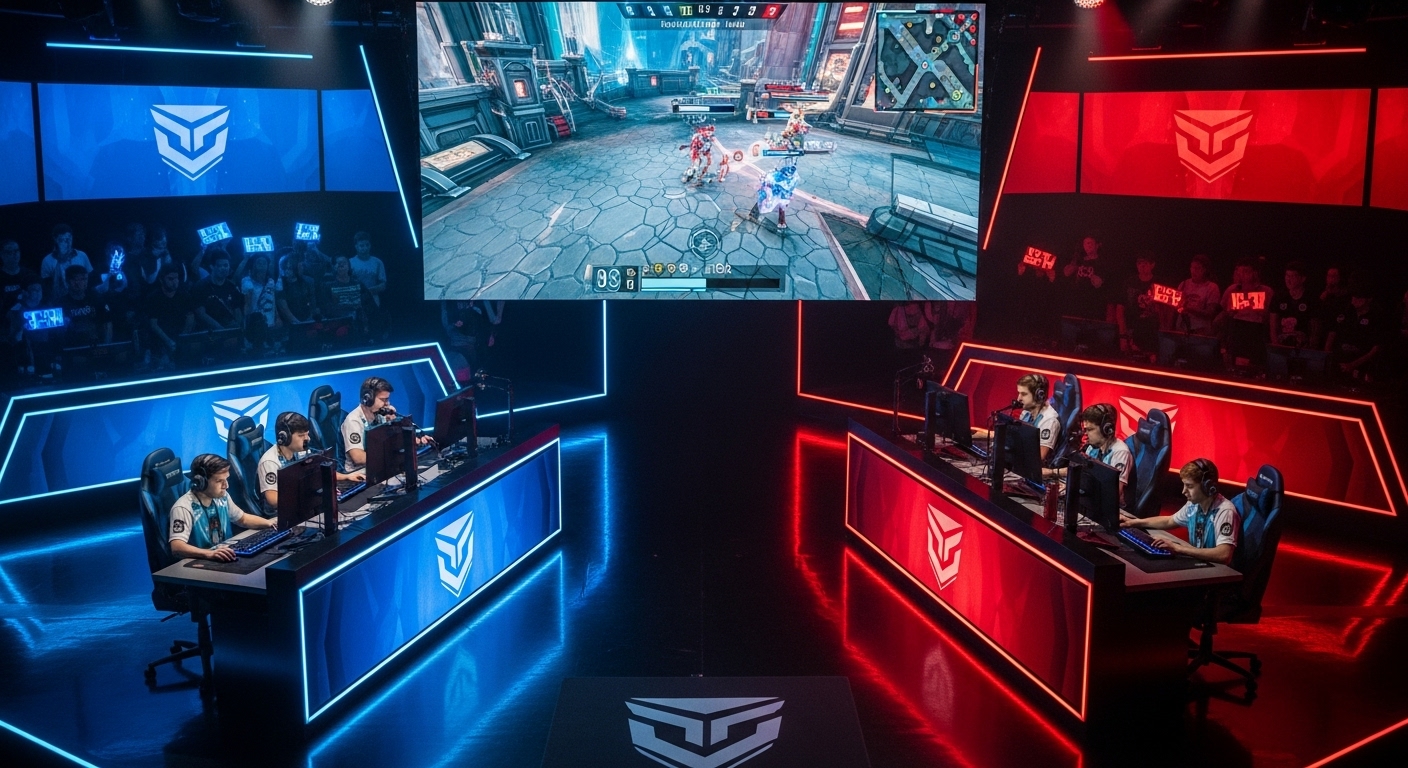
Over the past two decades, esports has grown from a niche hobby enjoyed by a small group of dedicated gamers into a multi-billion-dollar global phenomenon. What was once considered an isolated pastime for video game enthusiasts has now become one of the most exciting and rapidly growing sectors in the entertainment industry. Esports, or electronic sports, refers to competitive gaming at a professional level, often involving teams and players competing in highly organized tournaments for substantial prize pools. Today, millions of fans worldwide watch live streams, attend tournaments, and engage with esports content in a way that was unimaginable a few decades ago. This blog post will dive into the rise of esports, the key factors behind its meteoric success, and the future of this exciting, fast-paced industry.
The Early Days: From Arcade Games to Competitive Tournaments
While esports as we know it today didn’t exist in the early days of gaming, competitive gaming dates back to the early 1970s. One of the first recorded instances of competitive gaming was the Space Invaders Championship in 1980. However, the esports industry truly began to take shape in the late 1990s and early 2000s when games like StarCraft and Quake began to gain a competitive edge. These games allowed players to compete against each other in tournaments, and the prize money, while modest at first, helped set the stage for what was to come.
The birth of esports as a formalized sport can be attributed to South Korea. In the late 1990s, the release of StarCraft revolutionized gaming culture, particularly in South Korea, where the game became a national obsession. By 2000, the first professional gaming leagues and TV broadcasts of gaming events were launched. South Korea’s influence on the esports scene was immense. It’s where gaming tournaments were first broadcasted on television, creating a mainstream audience for esports competitions. Channels like OGN (OnGameNet) and MBCGame became staples in Korean households, and large-scale tournaments filled stadiums with passionate fans.
As esports grew in popularity, it spread to other parts of the world. In the early 2000s, Counter-Strike and Warcraft III established a foothold in the competitive gaming scene. The creation of organizations like Major League Gaming (MLG) in North America and the rise of online multiplayer games helped esports cross over into the mainstream, albeit still a niche hobby.
The Global Explosion: Esports Hits the Mainstream
The real turning point for esports came in the late 2000s and early 2010s, when the industry began to experience exponential growth. Key factors such as improved internet infrastructure, the rise of live-streaming platforms like Twitch, and the development of globally recognized esports titles played a massive role in this explosion.
The release of League of Legends (LoL) by Riot Games in 2009 was a game-changer. With its free-to-play model, the game quickly attracted millions of players, and its competitive scene exploded in popularity. By 2011, the League of Legends World Championship was held in a sold-out venue, attracting thousands of fans to watch their favorite teams compete for a significant cash prize. This marked the beginning of a new era for esports. Other titles such as Dota 2, Overwatch, Counter-Strike: Global Offensive, and Hearthstone soon followed suit, each contributing to the growth and diversity of the competitive gaming scene.
At the same time, the rise of streaming platforms like Twitch in 2011 played a pivotal role in esports’ mainstream success. Twitch allowed fans to watch live streams of esports tournaments and interact with players in real-time. Professional gamers and streamers quickly became celebrities in their own right, and the platform grew into a multi-million-dollar business. Gamers, both amateurs and professionals, could now showcase their skills to a global audience, build loyal fanbases, and secure sponsorship deals. The growth of Twitch and other streaming platforms made esports more accessible than ever before, allowing fans from across the globe to tune in to tournaments and follow the careers of top players.
Esports Today: A Thriving Industry
In 2025, esports is no longer a fringe activity; it is a legitimate industry valued at over $1 billion, with millions of fans worldwide. From high-stakes international tournaments to local LAN (Local Area Network) competitions, esports events now draw massive crowds both online and offline. Some of the most popular tournaments, like The International for Dota 2, League of Legends World Championships, and the Fortnite World Cup, offer prize pools worth millions of dollars, attracting top-tier teams from across the globe.
Esports has also caught the attention of major corporations and investors. Large companies such as Coca-Cola, Nike, Intel, and Samsung now sponsor esports teams and tournaments, while tech giants like Microsoft and Google have made investments in esports ventures. These sponsorships and investments have helped further professionalize esports, bringing with them increased visibility and credibility. In addition, traditional sports franchises like the NBA, NFL, and European football clubs have jumped into the esports scene by purchasing or investing in esports teams. For example, the NBA’s Golden State Warriors have their own esports team, Warriors Gaming Squad, and football teams like Paris Saint-Germain (PSG) and Manchester City have invested heavily in esports.
The media landscape has also shifted to accommodate the rise of esports. Major networks such as ESPN, Turner Sports, and CBS Sports have begun airing esports tournaments, reaching millions of households and expanding the viewership base. This growing media presence has helped elevate esports to the level of traditional sports, with commentary, analysis, and in-depth coverage available to fans worldwide.
The Appeal of Esports: Why Is It So Popular?
The rapid rise of esports can be attributed to a combination of factors that make it uniquely appealing to players and viewers alike. Some of the main reasons for its popularity include:
1. Competitive Nature and Skill Development
At the heart of esports is competition. Much like traditional sports, esports requires players to develop exceptional skills, quick reflexes, and strategic thinking. Whether it’s mastering the mechanics of Counter-Strike, coordinating team strategies in League of Legends, or reacting to changing dynamics in Overwatch, esports players invest hours upon hours to perfect their craft. This competitive nature drives both players and fans to become deeply invested in the outcome of games, leading to an engaging and intense viewing experience.
2. Community and Social Interaction
Esports has fostered a global community of gamers, fans, and content creators. Online platforms like Twitch and Discord allow players and fans to interact, share experiences, and discuss their favorite games. Esports tournaments themselves have become social events, with fans cheering for their favorite teams and players, and even meeting up in real life at major competitions or fan conventions. Esports also provides a platform for fans to directly support their favorite players through donations, subscriptions, and social media engagement.
3. Accessible to a Global Audience
One of the key advantages of esports is its accessibility. Unlike traditional sports, which may require expensive equipment or infrastructure, anyone with a computer or gaming console and an internet connection can participate in or watch esports events. This global accessibility has helped esports reach millions of fans across different countries, languages, and cultures. The fact that esports can be streamed online allows fans to watch major tournaments live from anywhere in the world.
4. Innovation and New Experiences
Esports is constantly evolving. New games are introduced, formats are updated, and new technologies like virtual reality (VR) and augmented reality (AR) are being explored. This constant innovation ensures that esports remains fresh and exciting for players and fans alike. The rise of mobile esports has further diversified the landscape, with games like PUBG Mobile and Clash Royale attracting a new generation of gamers who prefer to compete on their smartphones or tablets.
The Future of Esports: What’s Next?
The future of esports looks incredibly bright. As technology continues to improve and new gaming experiences emerge, the esports industry will likely see continued growth. Here are some key trends to watch:
1. Increased Investment and Sponsorships
As esports continues to attract mainstream attention, more traditional companies will likely enter the scene, bringing with them increased investment and sponsorship opportunities. This influx of funding will contribute to bigger prize pools, better event production, and more professional infrastructure.
2. Esports in Education
Esports is increasingly being incorporated into educational institutions. High schools, colleges, and universities are now offering esports programs, complete with scholarships for talented players. Some universities have even created dedicated esports arenas for students to train and compete. This academic interest in esports will help cultivate the next generation of professional gamers, coaches, analysts, and event organizers.
3. The Growth of Mobile Esports
With the proliferation of smartphones and mobile gaming apps, mobile esports is expected to become a dominant force in the industry. Games like Free Fire and Mobile Legends have already proven that mobile esports tournaments can attract large audiences. As mobile gaming technology improves, the potential for growth in this sector is vast.
4. Integration with Traditional Sports
The lines between esports and traditional sports are likely to continue blurring. In addition to the involvement of traditional sports teams in esports, we may see esports integrated into major sports leagues, possibly through the inclusion of virtual sports, fantasy leagues, or other esports-related activities.
Conclusion: Esports is Here to Stay
Esports has evolved from humble beginnings into a multi-billion-dollar industry that is reshaping the entertainment landscape. Its rise has been fueled by the passion of players, the enthusiasm of fans, and the support of major corporations. Today, esports is not just a game; it is a global industry with professional leagues, sponsorship deals, and millions of fans.