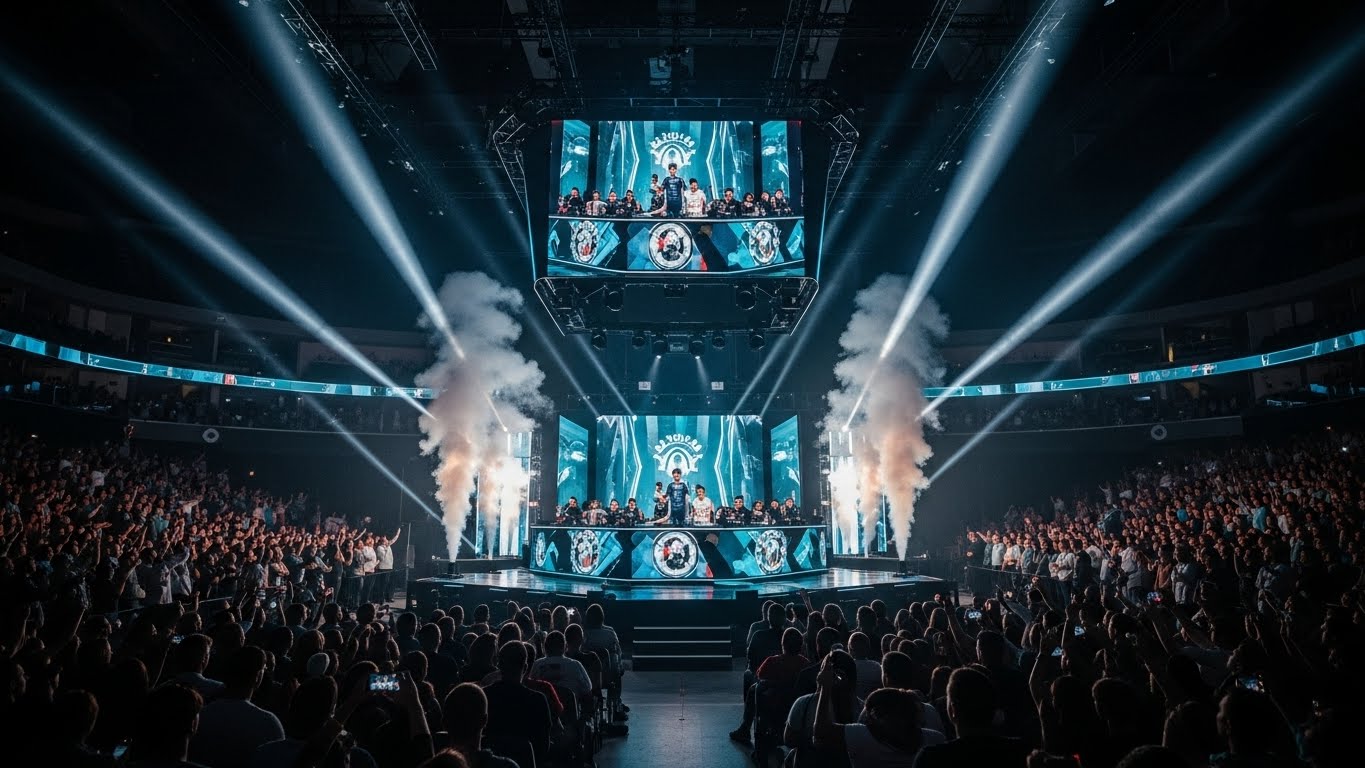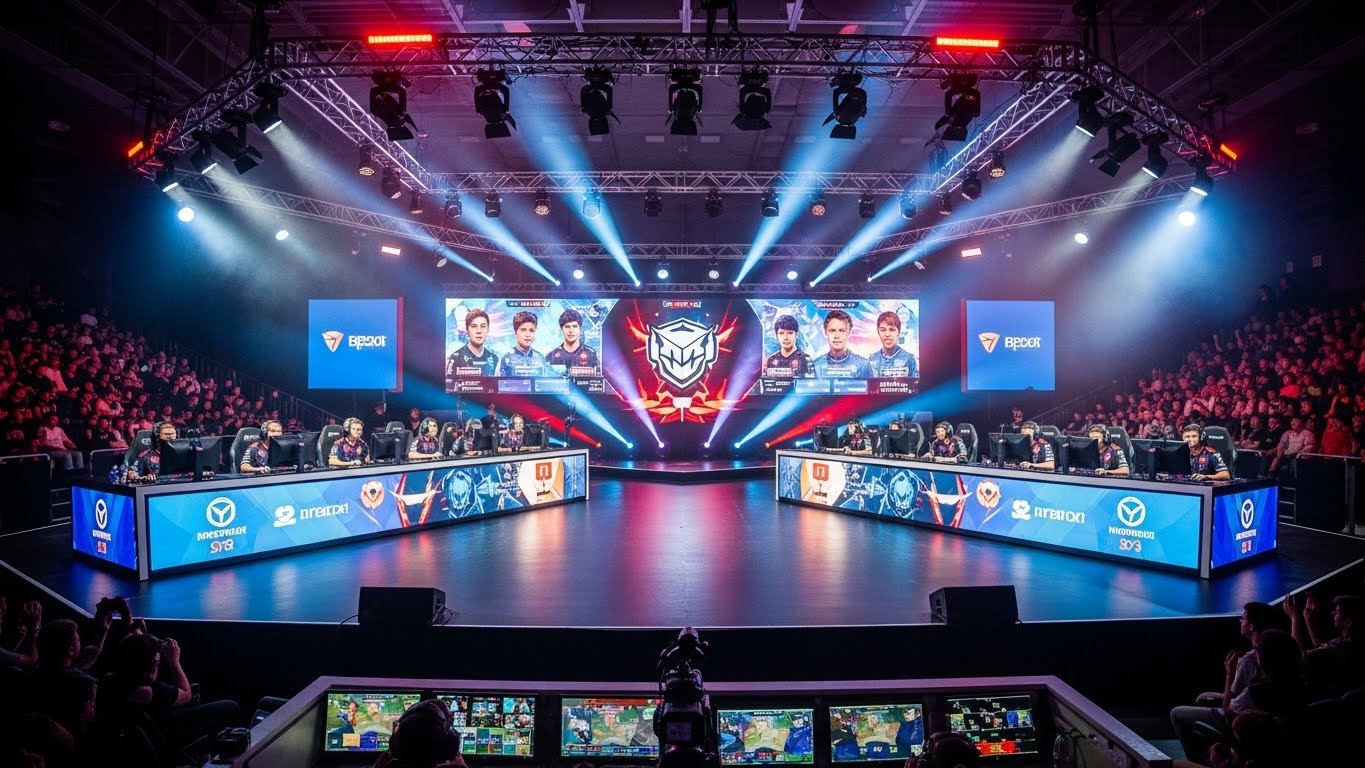
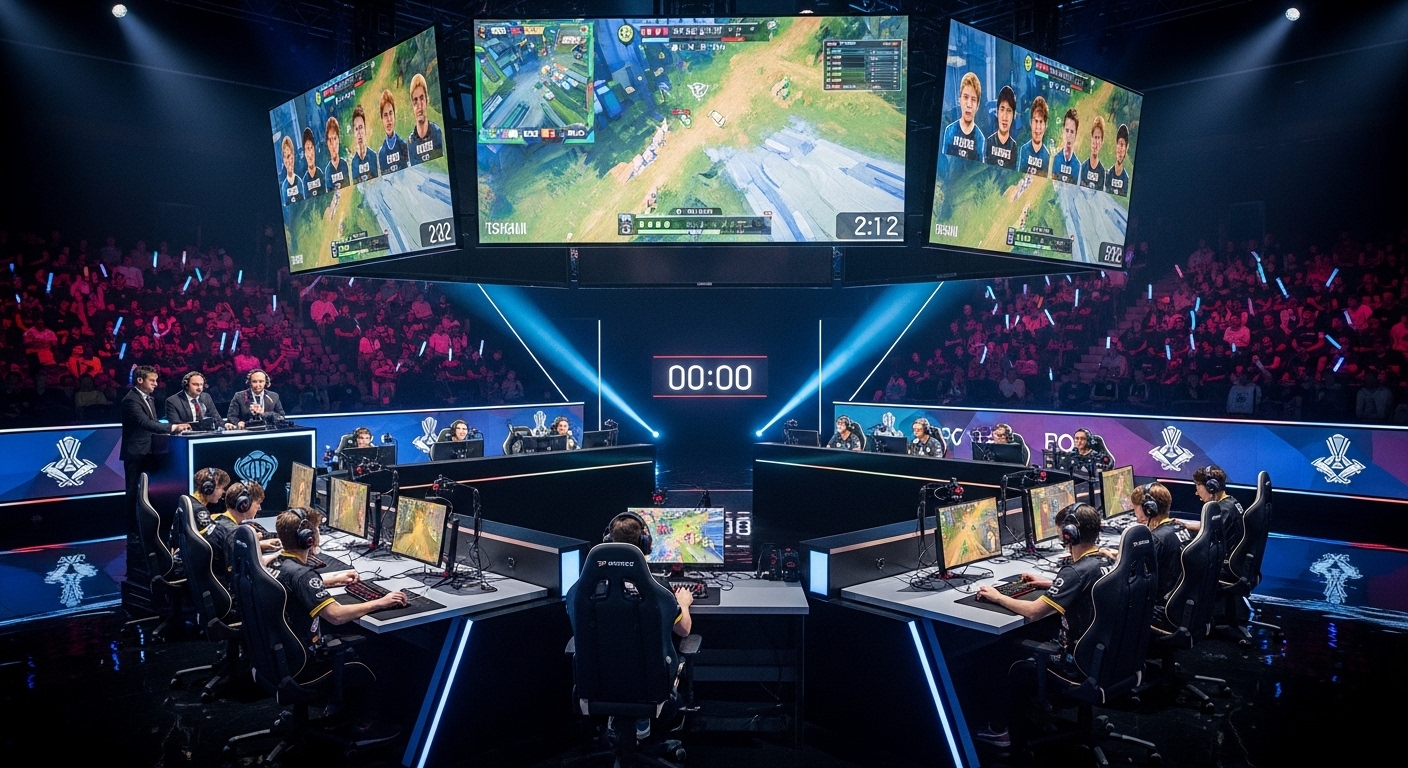
Esports, short for electronic sports, is one of the fastest-growing sectors in entertainment and competitive sports today. What started as a niche interest in the early 2000s has transformed into a global phenomenon, with millions of players, fans, and organizations involved. This blog post will take you through the fascinating journey of esports, exploring its origins, growth, and future potential.
Early Beginnings of Esports
The origins of esports can be traced back to the early 1990s when the first video game competitions began to take shape. Games like Street Fighter II and Doom were some of the first to have tournaments that garnered attention from competitive players. However, it wasn’t until the late 1990s and early 2000s that the term “esports” started to emerge more prominently.
In 1997, the Red Annihilation tournament, which was based around the Quake game, marked one of the first major esports events. The tournament was held in the United States and was streamed live, attracting a significant audience for the time. Quake itself is often seen as one of the first games to build the foundation for modern-day esports, thanks to its fast-paced gameplay and its early embrace of online multiplayer competition.
As the internet began to spread globally, the possibility of competitive online gaming grew exponentially. In 1998, the Cyberathlete Professional League (CPL) was founded, and it was one of the first professional esports organizations. This paved the way for more competitive tournaments, helping to lay the foundation for what would become the modern esports ecosystem.
The Rise of Competitive Gaming Platforms
In the early 2000s, a significant change occurred in the world of online gaming. With the increased availability of broadband internet, players from all over the world could now compete in games in real-time. This opened up new opportunities for large-scale tournaments and competitive play on a global scale.
One of the most influential platforms in this rise was Battle.net, Blizzard Entertainment’s online gaming service. Launched in 1996, Battle.net was pivotal in bringing games like StarCraft, Warcraft, and Diablo into the competitive spotlight. The game StarCraft, in particular, had a profound impact on the esports scene, especially in South Korea, where it became a national obsession. Tournaments like the Ongamenet Starleague in Korea set a precedent for professional esports leagues.
Additionally, platforms such as Xfire, Mumble, and TeamSpeak made it easier for players to communicate during competitive matches, enhancing the multiplayer experience and setting the stage for what would later become intricate team strategies in games like League of Legends and Dota 2.
The Growth of Esports in the 2010s
The 2010s marked a watershed moment for esports, where it transitioned from a subculture of gamers into a mainstream form of entertainment. Several factors contributed to this growth, including the rise of streaming platforms like Twitch, the development of esports leagues, and the ever-increasing quality of competitive games.
Streaming Platforms: The Birth of Esports as Spectacle
One of the key factors in esports’ rise to mainstream popularity was the advent of live streaming. In 2011, Justin.tv, a live streaming platform, was relaunched as Twitch, focusing specifically on gaming content. Twitch became the primary platform for watching competitive gaming, and it quickly grew into one of the most popular live streaming services globally. Esports competitions such as The International (Dota 2), League of Legends World Championship, and Overwatch League saw millions of viewers tuning in to watch the best players and teams compete for massive prize pools.
Twitch allowed gamers and fans to interact with each other in real-time, making esports more than just a competition but also a social experience. The ability to watch live gameplay, comment on matches, and interact with players and streamers helped build a community that transcended geographic boundaries. This communal aspect became a hallmark of the esports industry.
Esports Leagues and Organizations
As esports gained popularity, the establishment of professional leagues and organizations further legitimized competitive gaming. Games like League of Legends and Counter-Strike: Global Offensive began to see the creation of official tournaments and structured leagues, attracting sponsorships, broadcast deals, and large prize pools.
The League of Legends World Championship started in 2011 and quickly grew into one of the most prestigious events in esports, with prize pools reaching millions of dollars. Dota 2’s The International, which began in 2011, became another major tournament with an ever-growing prize pool, setting records in its early years for the largest prize money in esports history. The growth of these tournaments showed that esports was not just a passing trend but a sustainable and profitable industry.
The Role of Big Brands and Sponsorships
In the 2010s, brands and corporations started to take notice of esports’ growing influence. Major companies, including Intel, Red Bull, Coca-Cola, and Nike, began investing in esports events and teams. Sponsorship deals brought a level of credibility to the industry, and their involvement led to higher production values for tournaments, making them feel more like traditional sports events.
Additionally, partnerships with major streaming platforms like YouTube Gaming and Facebook Gaming helped increase the reach of esports competitions, bringing them to new audiences and further cementing esports as an entertainment medium.
The Global Expansion of Esports
As esports grew, it began to transcend regional boundaries, becoming a global phenomenon. South Korea, which had been a major center for esports since the StarCraft era, continued to be a leader in the development of esports culture. However, other regions such as North America, Europe, and China also began to see the rise of competitive gaming.
Esports in South Korea
South Korea’s role in shaping modern esports cannot be overstated. The country is often considered the birthplace of professional esports, and its players and teams have dominated numerous games over the years. Professional StarCraft leagues such as the Ongamenet Starleague in the early 2000s were instrumental in popularizing competitive gaming. South Korea’s infrastructure, coupled with the nation’s strong emphasis on internet connectivity, helped foster a culture of esports that was more ingrained than anywhere else in the world.
The country’s government also played a role in the growth of esports, even establishing a special division called the Korea e-Sports Association to oversee esports governance and promote its development.
Esports in China
China emerged as a major esports powerhouse, especially in games like League of Legends and Dota 2. The Chinese Esports Association and the country’s vast population provided fertile ground for the industry’s growth. Tournaments like the League of Legends Pro League (LPL) in China became critical to the success of the global esports ecosystem. Moreover, Chinese players and teams have dominated global tournaments for several years, including winning The International in 2012 and 2014.
Esports in North America and Europe
While South Korea and China were early adopters, North America and Europe also made significant contributions to esports. North American teams and organizations like Cloud9, Team Liquid, and Cloud9 became prominent players in major esports leagues such as League of Legends, Overwatch, and Call of Duty. European teams, particularly from countries like Sweden, Denmark, and Poland, also made their mark in games like Counter-Strike: Global Offensive and Dota 2.
The rise of online platforms like Twitch allowed these regions to expand their influence and build fan bases that crossed international borders. Additionally, the growth of mobile esports in these regions opened new opportunities for smaller teams and casual players to get involved.
The Future of Esports
As esports continues to evolve, several trends and advancements seem poised to shape its future. The increasing importance of virtual reality (VR) and augmented reality (AR), the further integration of esports into traditional sports, and the growth of mobile gaming will all play significant roles in the industry’s development.
The Role of Virtual Reality and Augmented Reality
The next frontier for esports may involve virtual and augmented reality. Games like Beat Saber and Echo Arena have already showcased the potential of VR in competitive gaming. As VR and AR technology become more advanced and affordable, we can expect esports to incorporate these elements into its core structure, providing an even more immersive experience for both players and spectators.
Esports and Traditional Sports Integration
Esports has increasingly become a part of the traditional sports ecosystem. Major sports leagues like the NFL, NBA, and even Formula 1 have all started to explore esports as a way to connect with younger audiences. Teams such as Manchester City and Paris Saint-Germain have even invested in esports divisions, creating a bridge between traditional sports and the world of competitive gaming.
Mobile Gaming and Esports
Mobile gaming is one of the fastest-growing segments of the gaming industry, and esports is no exception. With the success of games like PUBG Mobile, Free Fire, and Arena of Valor, mobile esports tournaments are gaining traction worldwide. The accessibility of mobile gaming, coupled with the rapid improvements in smartphone hardware, makes it possible for people to engage in esports without needing expensive gaming PCs or consoles. This democratization of gaming could further fuel the growth of esports.
Conclusion: Esports’ Bright Future
Esports has come a long way since its early days in the 1990s. Today, it stands as a multi-billion-dollar industry, attracting players, fans, and brands from around the world. The future of esports looks brighter than ever, with new technologies, more professional leagues, and growing global involvement all helping to push the industry to new heights.
As esports continues to evolve and grow, it will undoubtedly become an even larger part of the global entertainment landscape, cementing its place alongside traditional sports as a form of entertainment for the digital age. The journey of esports is just beginning, and the next chapter promises to be even more exciting than the last.