Introduction
Esports, short for electronic sports, has undergone a dramatic transformation over the past few decades. What started as simple arcade competitions has evolved into a global phenomenon that attracts millions of viewers and generates billions in revenue. The journey from humble beginnings to massive international tournaments showcases how technology, culture, and community have shaped this vibrant industry. In this blog post, we will explore the history, growth, and future of esports, highlighting key milestones and understanding its impact on society.
The Early Days: Birth in the Arcades
The origins of esports can be traced back to the 1970s and 1980s when arcade gaming was at its peak. These arcades were social hubs where players would compete for high scores on games like Pong, Space Invaders, and later Pac-Man. Although the concept of organized competitive gaming was not formalized, these early competitions laid the groundwork for the idea of playing video games for glory and recognition.
One of the earliest recorded esports events was the Space Invaders Championship held by Atari in 1980. This tournament drew thousands of participants across the United States, demonstrating that competitive gaming had potential beyond casual play. It was a sign that players were motivated not only by personal achievement but also by competition against others.
The Rise of Competitive PC Gaming
The 1990s marked a turning point in esports with the rise of personal computers and local area networks (LANs). Games like Doom, Quake, and StarCraft introduced multiplayer modes that allowed players to battle each other in real-time, creating a new competitive dimension.
LAN parties became popular, where gamers would bring their PCs together to play in the same physical location. This era saw the birth of some of the first esports tournaments and leagues, such as the Cyberathlete Professional League (CPL) founded in 1997. These events showcased the potential for esports as a spectator sport, with audiences enjoying fast-paced, strategic gameplay.
The Emergence of Online Multiplayer
With the advent of the internet, esports took a giant leap forward. Online multiplayer games broke the barriers of geography, allowing players from around the world to compete instantly. Titles like Counter-Strike, Warcraft III, and DotA (Defense of the Ancients) became staples of the competitive gaming scene.
This period also saw the rise of esports organizations and professional teams. Players began to specialize in particular games, honing their skills and strategies to compete at higher levels. The internet made it possible to stream matches live, leading to increased exposure and fan engagement.
The Influence of Streaming Platforms
The 2010s revolutionized esports again, thanks largely to streaming platforms like Twitch and YouTube Gaming. These platforms allowed players to broadcast their gameplay live, reaching audiences worldwide. Esports tournaments began to attract millions of viewers online, rivaling traditional sports in popularity.
Streaming also created new opportunities for players to build personal brands and interact with fans. This helped professional gamers become celebrities in their own right, further legitimizing esports as a viable career path.
The Growth of Esports Tournaments and Leagues
Today, esports boasts some of the most prestigious tournaments in the world, with prize pools rivaling traditional sports championships. Events like The International (for Dota 2), League of Legends World Championship, and the Fortnite World Cup draw massive live audiences and millions of online viewers.
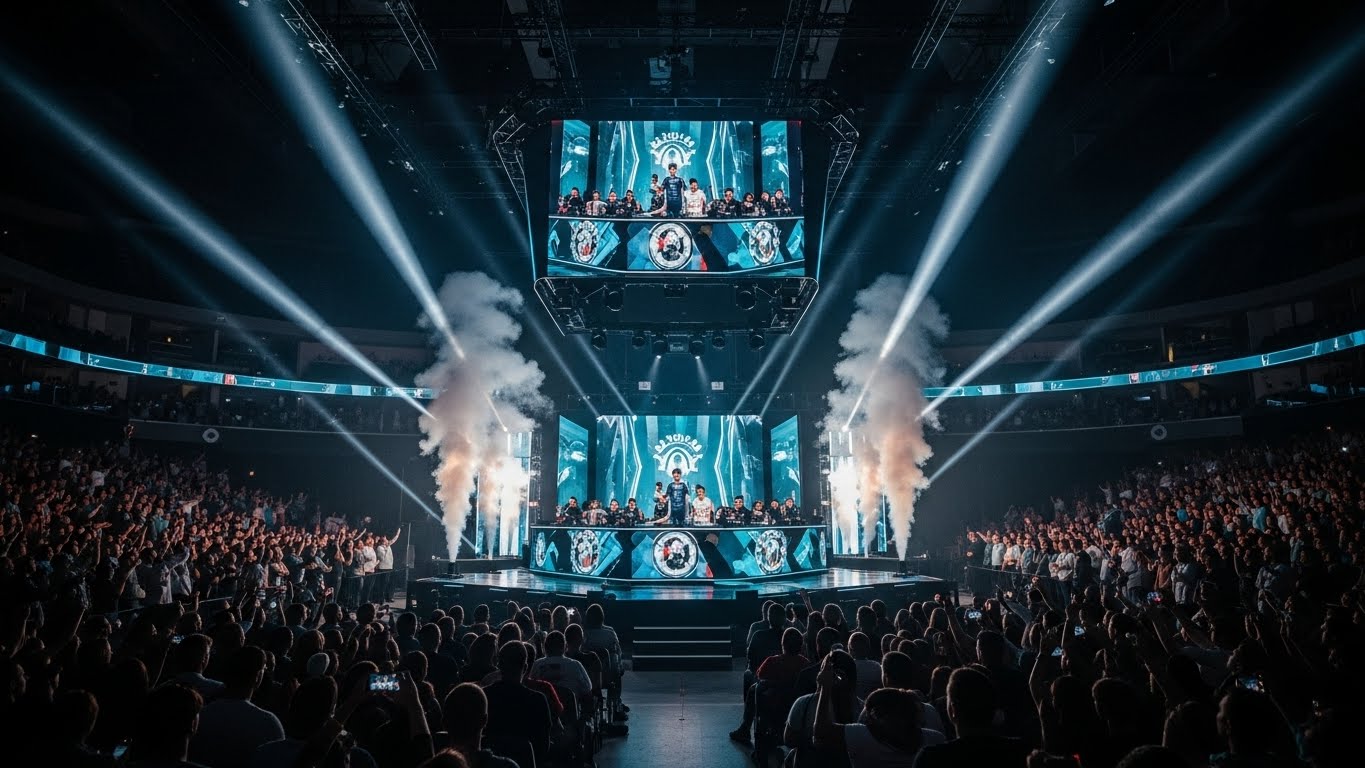
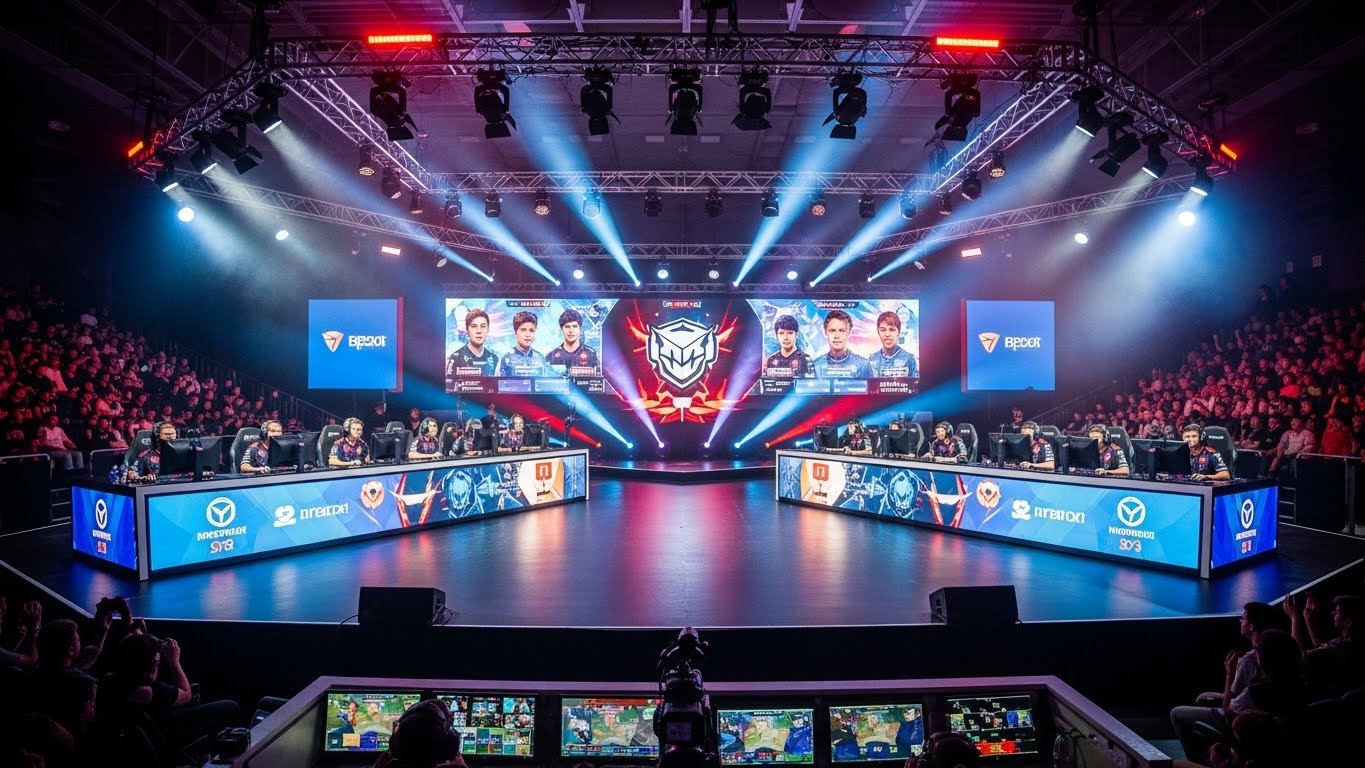
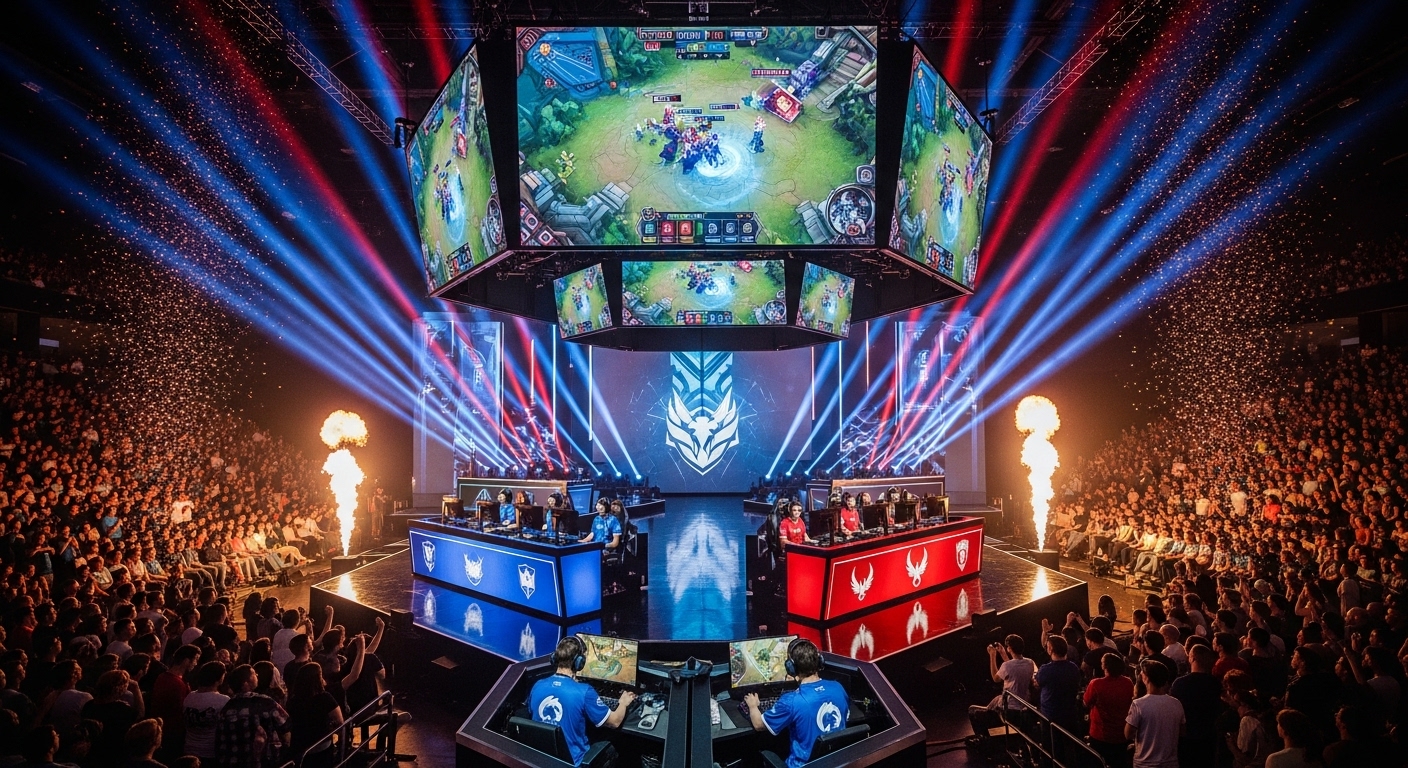
These tournaments are held in massive arenas filled with cheering fans, complete with elaborate stage setups and professional production. Teams from all over the globe compete for fame and fortune, supported by sponsors, broadcasters, and esports organizations.