Introduction: The Rise of a Digital Phenomenon
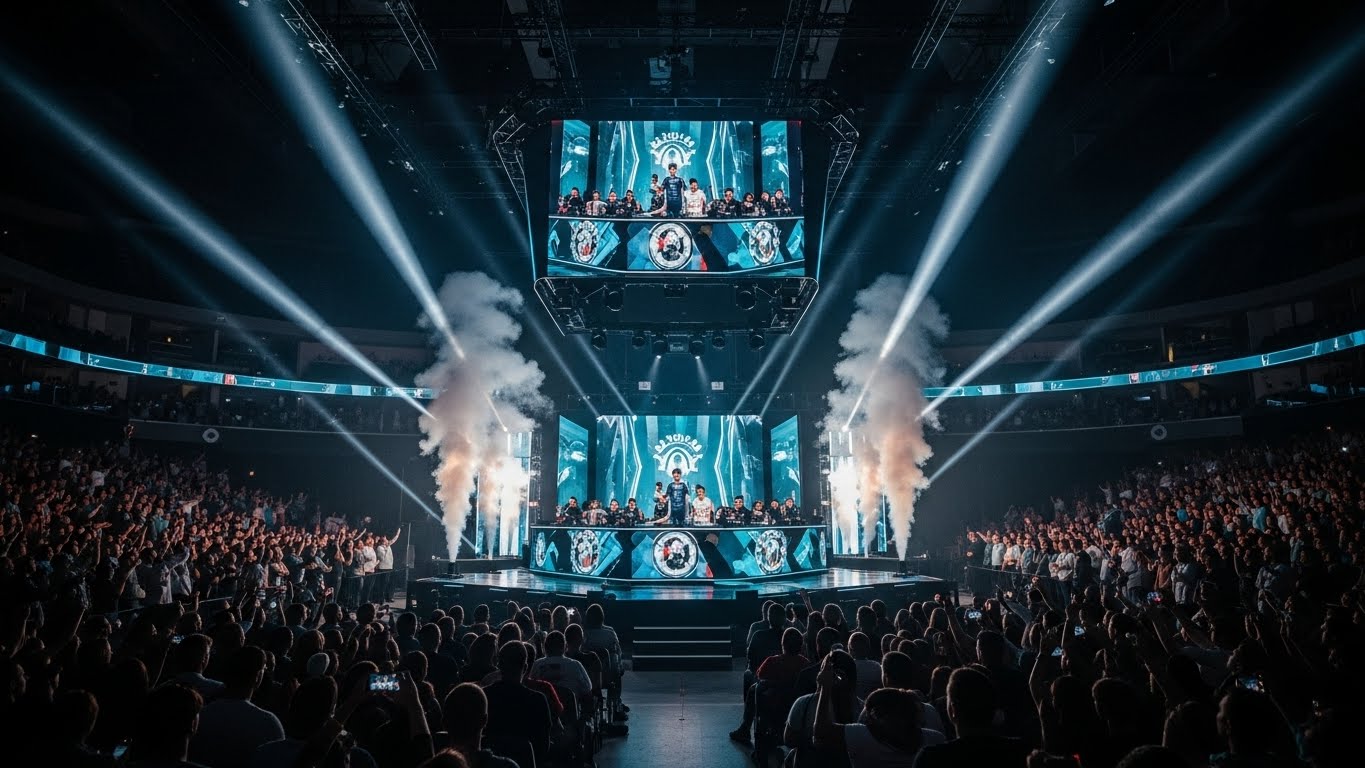
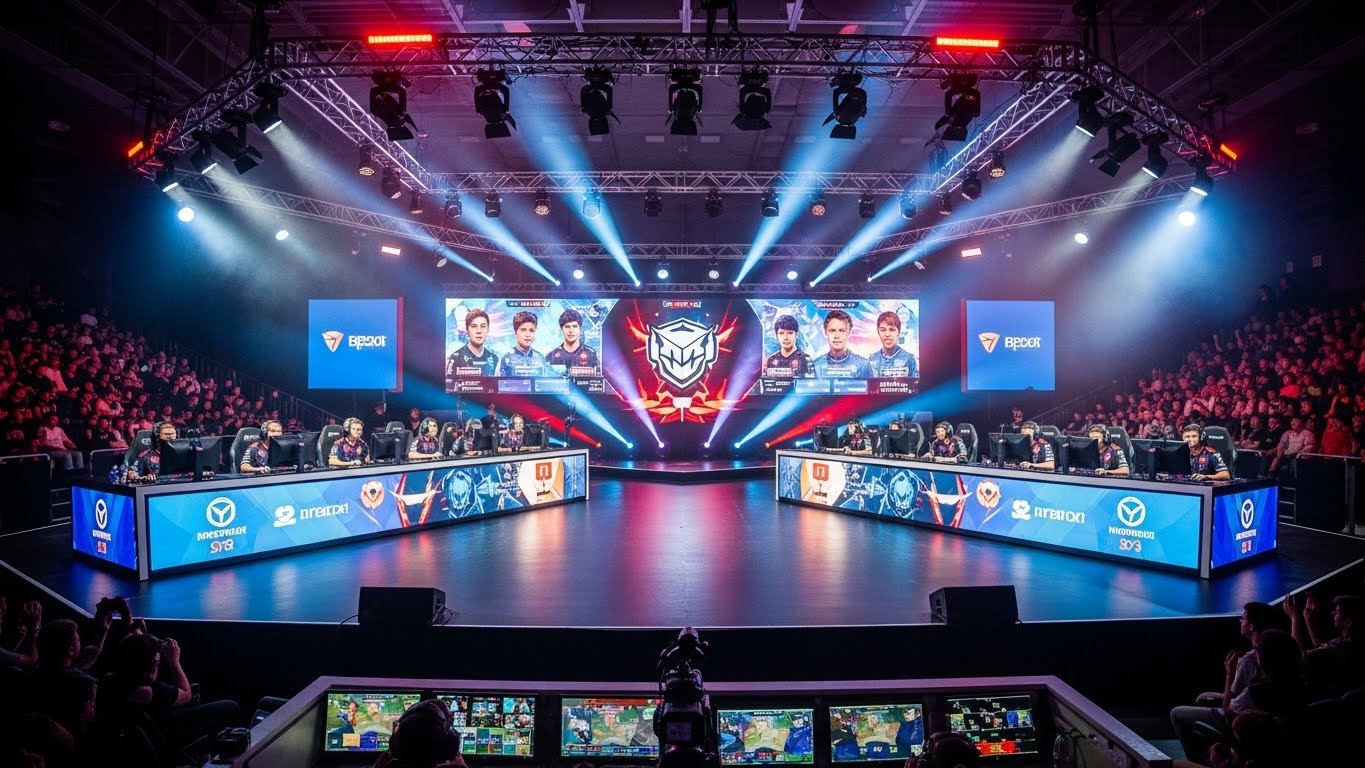
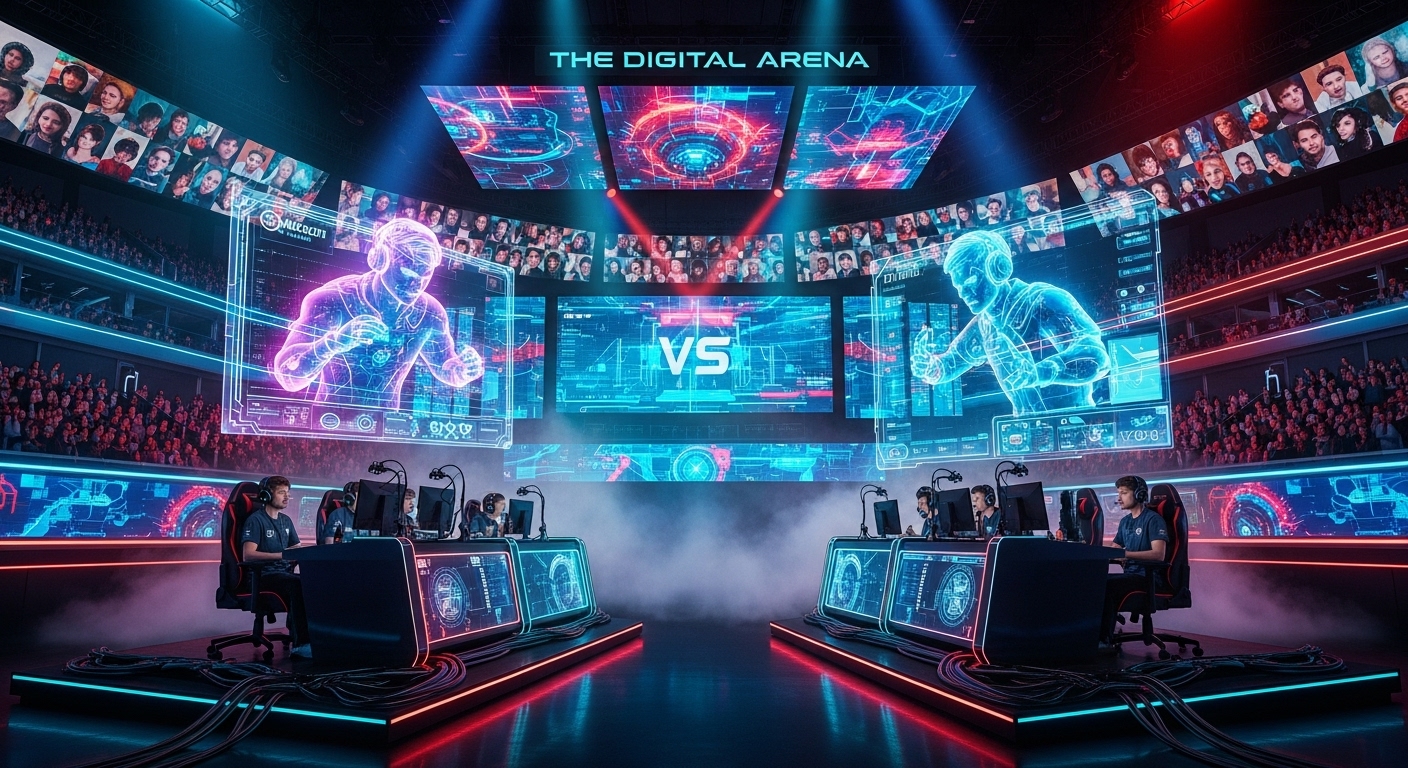
Two decades ago, few could have predicted that competitive video gaming would become one of the fastest-growing entertainment industries in the world. What started as small LAN parties and arcade showdowns has transformed into a billion-dollar global spectacle known as esports. Millions of fans tune in to watch their favorite players and teams compete in games like League of Legends, Counter-Strike, Dota 2, and Fortnite. Stadiums fill with spectators, sponsors pour in, and professional gamers achieve celebrity status.
Esports has matured into a structured, professional ecosystem — complete with leagues, coaches, analysts, and international tournaments. Yet its journey from niche subculture to mainstream recognition is as fascinating as it is complex.
The Early Days: Where It All Began
The origins of esports stretch back farther than many realize. In 1972, Stanford University hosted what is often considered the first video game competition — students competed in Spacewar! for a grand prize of a year’s subscription to Rolling Stone magazine. It was a modest start, but it planted a seed.
The 1980s brought arcade competitions like the Space Invaders Championship, which drew over 10,000 participants across the United States. The rise of home consoles expanded gaming’s accessibility, and as technology advanced, so did the ambition of competitive players. Early console tournaments were often local or national events, but they created the sense that gaming could be more than just a hobby — it could be a sport.
The 1990s: The Internet Era Begins
The 1990s marked the true beginning of organized competitive gaming, thanks to the rise of personal computers and the internet. LAN parties became cultural staples for PC gamers who gathered to play Quake, StarCraft, and Counter-Strike.
One of the major turning points came in 1997 with the Red Annihilation tournament for Quake. The winner, Dennis “Thresh” Fong, walked away with John Carmack’s Ferrari — a symbol that gaming could lead to fame and fortune. Around the same time, South Korea began investing heavily in internet infrastructure. As broadband access spread, online gaming took off, and esports started to gain legitimacy as a real profession.
Televised esports arrived in Korea with the launch of dedicated gaming channels, helping build an entire generation of professional players and devoted fans. This model laid the groundwork for the esports scene that would later emerge worldwide.
The 2000s: The Foundation of the Modern Esports Scene
The early 2000s were a defining era. Games like Counter-Strike 1.6, Warcraft III, and StarCraft: Brood War built massive competitive communities. Organizations like Major League Gaming (MLG), World Cyber Games (WCG), and the Electronic Sports World Cup (ESWC) began hosting global tournaments, bringing together players from around the world.
These events introduced structure and professionalism to esports. Teams had sponsors, contracts, and training schedules. The idea of gaming as a career started to take hold — especially in regions like South Korea, where pro players lived in team houses and trained full-time.
This decade also saw the beginnings of fan culture around teams and players. Online forums, message boards, and early streaming platforms allowed fans to follow matches, share strategies, and form communities. The groundwork for the modern esports ecosystem — with its mix of competition, content, and fandom — was firmly in place.
The 2010s: Esports Goes Mainstream
If the 2000s were about building foundations, the 2010s were about explosive growth. Streaming platforms like Twitch and YouTube Gaming transformed esports from a niche interest into global entertainment. Fans could now watch tournaments live, follow their favorite players daily, and even interact with them in real-time.
Game developers began investing heavily in structured competitive ecosystems. Riot Games launched the League of Legends Championship Series (LCS) in 2013, pioneering the franchised league model that mirrored traditional sports. Valve’s The International tournament for Dota 2 broke records year after year, with crowdfunded prize pools reaching tens of millions of dollars.
At the same time, Overwatch, Fortnite, and PUBG brought new genres and audiences into the fold. Suddenly, esports wasn’t just for hardcore gamers — it was attracting mainstream viewers, celebrities, and even traditional sports organizations. NBA teams invested in esports franchises, and universities began offering scholarships for competitive gaming.
The legitimacy that esports had been chasing for decades was finally here.
The Role of Technology in Esports Growth
Technology has been both the foundation and the fuel for esports’ success. High-speed internet, powerful PCs, and improved graphics have made gaming more accessible and immersive than ever. Streaming services allowed fans to watch games from anywhere in the world, breaking down geographical barriers and creating a truly global audience.
Social media amplified the reach of esports personalities. A single highlight clip could go viral overnight, turning an unknown player into a star. Analytics tools and replay systems added a layer of professionalism to the scene, allowing teams to study opponents and refine strategies much like athletes in traditional sports.
Virtual reality (VR), augmented reality (AR), and mobile gaming are opening new frontiers for competitive play. While VR esports are still in their infancy, they hint at a future where physical and digital competition might blend more seamlessly than ever before.
The Globalization of Esports
Esports has become one of the few truly global sports. From Seoul to Los Angeles, from Shanghai to Stockholm, major tournaments draw massive international audiences. The League of Legends World Championship, The International, and CS:GO Majors attract millions of concurrent viewers from every continent.
Different regions have developed their own strengths and cultures. South Korea remains the spiritual home of esports, known for its disciplined players and passionate fans. North America and Europe have cultivated professional leagues with strong business models and infrastructure. China has emerged as a powerhouse, investing heavily in esports stadiums and training facilities.
Meanwhile, Southeast Asia, the Middle East, and South America are becoming hotbeds of mobile esports, thanks to the widespread use of smartphones and affordable internet. Titles like Mobile Legends: Bang Bang and PUBG Mobile have millions of competitive players in these regions, bringing esports to audiences who might never have touched a gaming PC.
The Business of Esports: Money, Media, and Marketing
The economics of esports have evolved dramatically. Sponsorships and advertising remain major revenue sources, but other streams like media rights, merchandise, and ticket sales have become increasingly significant.
Brands that once ignored gaming now compete for visibility in tournaments. Companies like Intel, Red Bull, and BMW sponsor teams and events. Streaming rights are sold to platforms, much like traditional sports broadcasting deals. And as esports organizations grow, they expand beyond competition into lifestyle branding, content creation, and entertainment.
However, profitability remains a challenge for many teams. Despite the enormous audiences, the revenue distribution can be uneven. Top organizations thrive, while smaller teams struggle to stay afloat. Developers control much of the ecosystem, which creates debates about independence and long-term sustainability.
Still, the future looks bright. As viewership continues to climb, so do opportunities for monetization. Esports is learning from traditional sports — and in some ways, traditional sports are learning from esports.
Esports and Education: A New Pathway for Students
One of the more surprising developments in recent years has been the rise of esports in education. Universities across North America, Europe, and Asia now offer scholarships for skilled players. High schools run esports clubs and competitions to engage students who might not connect with traditional sports.
Beyond playing, esports programs teach valuable skills — teamwork, strategy, communication, and digital literacy. Some schools use esports as a way to introduce students to fields like game design, broadcasting, and computer science.
These programs are also breaking down stereotypes about gamers. Rather than being isolated or unproductive, students involved in esports often demonstrate strong leadership and problem-solving skills.
The Esports Athlete: Training, Lifestyle, and Pressure
Professional gaming might look glamorous from the outside, but it demands discipline and resilience. Pro players often train 8 to 12 hours a day, studying opponents, refining mechanics, and coordinating with teammates. Their reflexes and strategic thinking must be razor-sharp, and their careers are typically short — most retire before the age of 30.
Physical and mental health have become key concerns. The stress of competition, long practice hours, and public scrutiny can take a toll. Burnout and wrist injuries are common. To address this, many teams now hire coaches, analysts, and even sports psychologists.
The conversation around player welfare is evolving, with a growing focus on balance and longevity. Esports might take place in front of a screen, but the human element remains at its core.
Women in Esports: Breaking Barriers and Building Visibility
For a long time, esports was seen as a male-dominated space, but that perception is changing. Women are increasingly competing, streaming, managing teams, and leading organizations. Female-focused tournaments and initiatives have helped create visibility and opportunities for women in gaming.
Representation matters — both for aspiring players and for the broader industry. As more women take center stage in esports, the audience diversifies, and the community becomes more inclusive. However, challenges remain. Gender-based harassment and bias still exist, but progress is being made through education, awareness, and stronger community standards.
The future of esports will undoubtedly be more diverse, reflecting the global audience that powers it.
Esports and Traditional Sports: Rivals or Partners?
When esports first gained attention, many traditional sports figures dismissed it as “not real competition.” That debate has largely faded as major sports leagues have embraced gaming. The NBA, NFL, and Formula 1 all operate official esports leagues, while athletes like David Beckham and Michael Jordan have invested in esports organizations.
The crossover benefits both sides. Sports fans are introduced to new forms of entertainment, and esports gains credibility and structure. During the COVID-19 pandemic, when physical events were halted, virtual races and online tournaments kept audiences engaged, blurring the line between digital and physical competition even further.
Ultimately, both industries share a common goal: to entertain, inspire, and connect people through competition.
The Cultural Impact of Esports
Esports is more than just competition — it’s a cultural movement. It has its own celebrities, slang, memes, and rituals. Fans wear team jerseys, chant player names, and create fan art. Cosplay and conventions blend with tournaments, turning events into celebrations of gaming culture as a whole.
Mainstream entertainment has taken notice. Esports stars appear in commercials, documentaries, and even feature films. Music performances have become staples of major tournaments, with artists performing at opening ceremonies in front of millions of online viewers.
Gaming has become a shared cultural language, connecting generations and communities that might otherwise have little in common.
The Challenges Facing Esports
Despite its success, esports still faces challenges. Regulation remains inconsistent, as different games and regions operate under separate rules. Player contracts and labor rights vary widely, and some organizations have been criticized for lack of transparency.
Cheating and match-fixing are ongoing concerns. As prize pools grow, so does the temptation for unethical behavior. Developers and tournament organizers continue to improve security and oversight, but maintaining integrity is an uphill battle.
Another concern is the volatility of the industry. Esports is heavily dependent on game publishers, whose decisions can make or break entire scenes. When a game’s popularity fades or a company shuts down its competitive support, players and teams can be left without a future.
Sustainability — both financial and structural — will be the defining challenge of the next decade.
The Future of Esports: Where Do We Go From Here?
Looking ahead, the future of esports appears both promising and unpredictable. The integration of AI, augmented reality, and cloud gaming could transform how we play and watch games. 5G technology will make mobile gaming more competitive than ever, especially in regions with limited access to gaming PCs.
We can also expect greater crossover between esports and other entertainment sectors. The boundaries between gaming, film, and live events will continue to blur, creating hybrid experiences that appeal to broader audiences.
As the industry matures, issues like diversity, sustainability, and player welfare will take center stage. The goal will be to create an ecosystem that’s not only profitable but also healthy, inclusive, and lasting.
One thing is certain: esports is no longer a fringe hobby. It’s a global force shaping entertainment, technology, and culture — and it’s only just getting started.
Conclusion: The Legacy of Esports
Esports represents the power of passion, technology, and community. It’s proof that digital spaces can create real-world impact, connecting millions through competition and creativity.
From basement battles to packed arenas, from hobbyists to professionals, esports has rewritten the rules of what it means to be an athlete, a fan, and a part of something larger than yourself.
The story of esports is still being written — and for those who play, watch, and dream, the best chapters are yet to come.