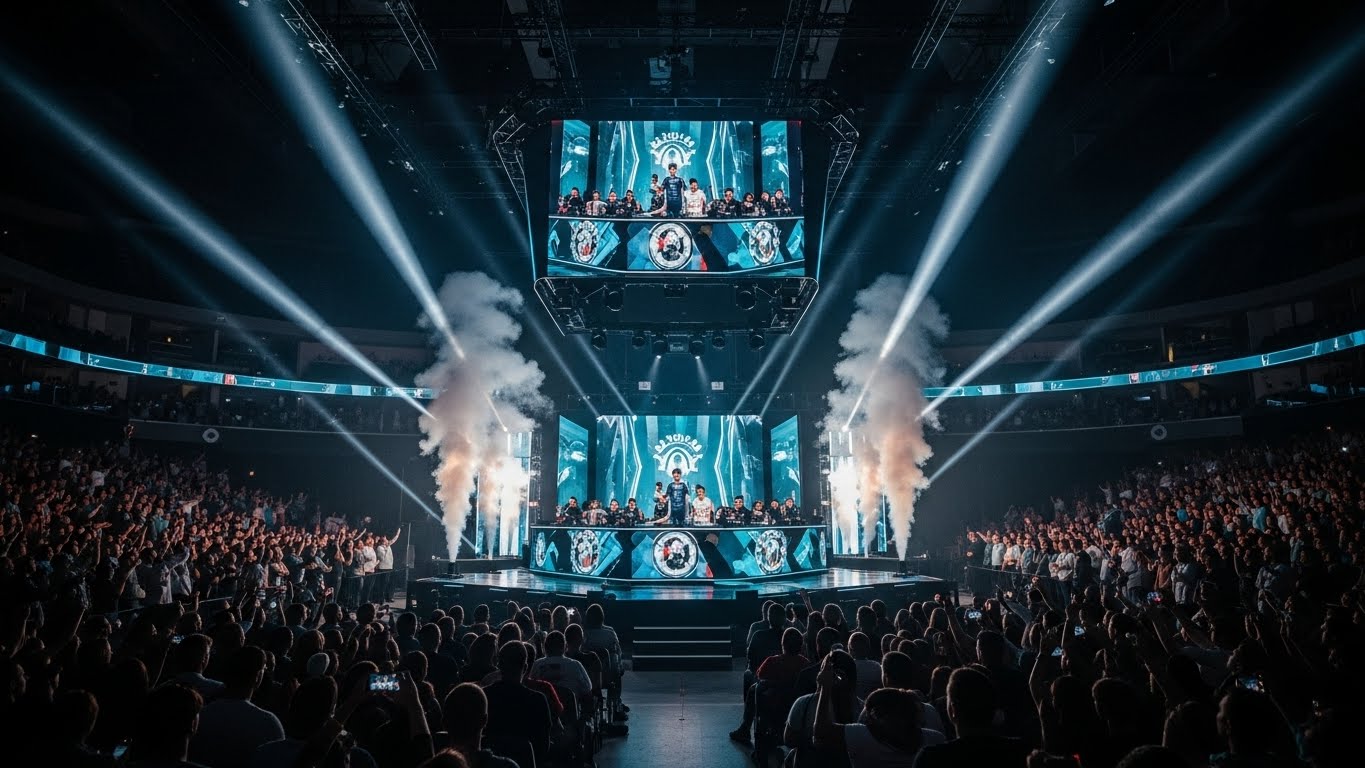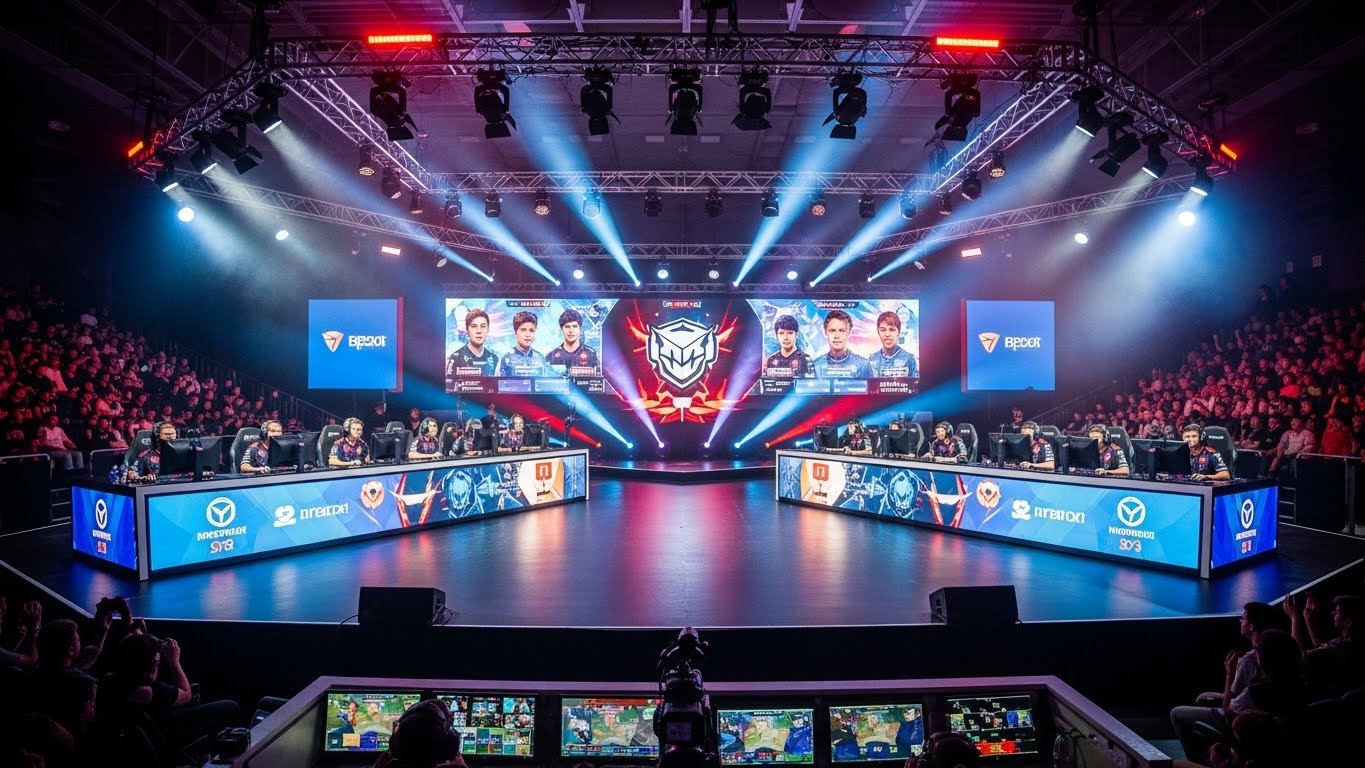
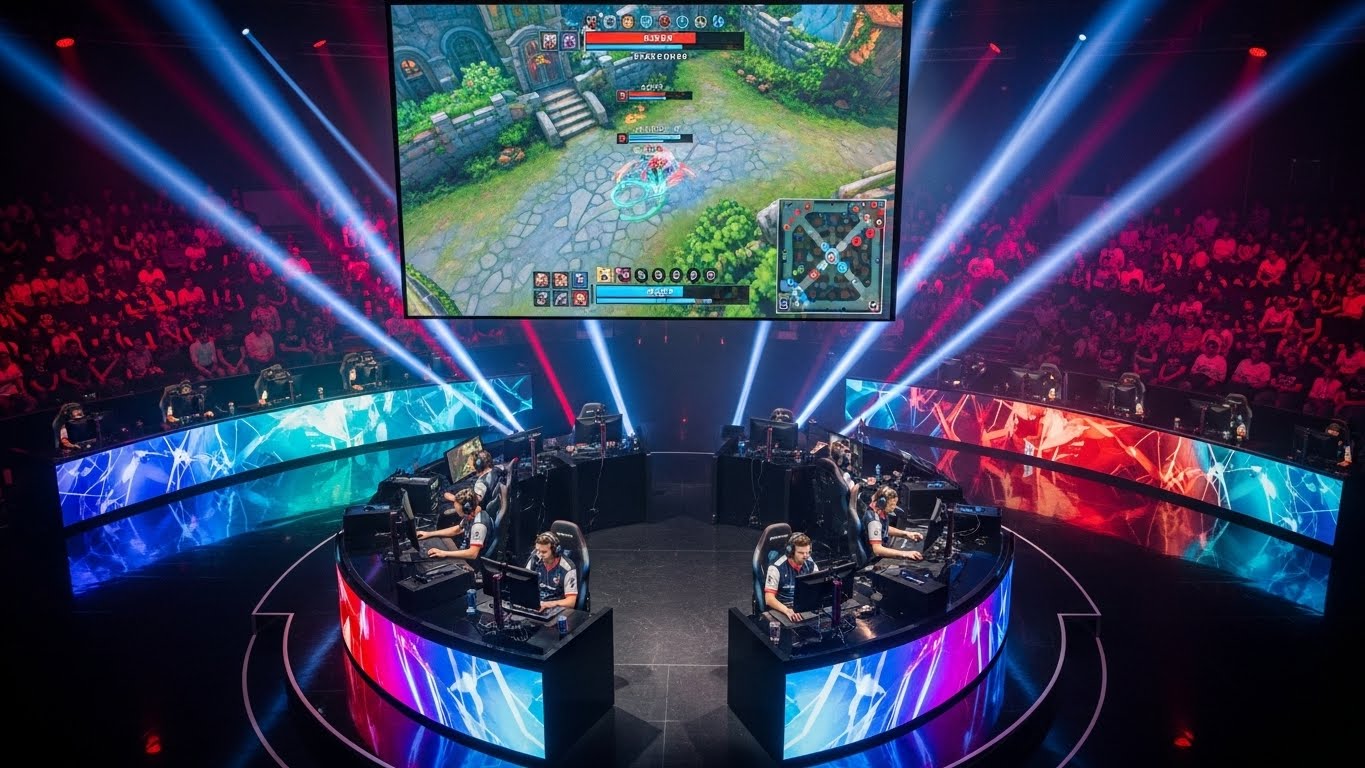
Esports, or electronic sports, has evolved from a niche subculture into a global phenomenon. What began as small LAN parties and community tournaments has grown into a billion-dollar industry, with professional players, massive audiences, and prestigious tournaments. But what is it about esports that has captured the hearts of millions? This blog explores the rise of esports, its impact on the gaming industry, the key players involved, and the cultural shift it represents in the broader landscape of entertainment.
The Rise of Esports: From Hobby to Profession
In its earliest days, competitive gaming was an activity for enthusiasts and hobbyists, often played in basements or at local arcades. The concept of esports can be traced back to the late 1990s and early 2000s, when titles like StarCraft, Quake, and Warcraft dominated the competitive scene. These games created a platform for players to demonstrate their skills and compete for small cash prizes, but the audience was mostly limited to the participants themselves and a small, dedicated fanbase.
The real turning point came in the mid-2000s with the advent of online multiplayer games and streaming platforms like YouTube and Twitch. Esports began to take shape as a form of entertainment that could be consumed not just by players but also by viewers who enjoyed watching skilled gamers compete in real-time.
One of the pivotal moments in the rise of esports was the launch of the League of Legends World Championship in 2011, organized by Riot Games. This marked the beginning of large-scale international esports tournaments, with significant prize pools and professional organizations forming around popular games. Over time, Dota 2, Counter-Strike: Global Offensive, Fortnite, and Overwatch joined the ranks of top-tier esports titles, each with its own professional ecosystem and global fanbase.
The Business of Esports: A Billion-Dollar Industry
Today, esports is not just a hobby or a passion—it’s a multi-billion-dollar industry. The global esports market is expected to generate over $1.6 billion in revenue by 2024, fueled by a combination of sponsorships, advertising, media rights, merchandise sales, and ticket sales for live events. This exponential growth is largely driven by the increasing mainstream acceptance of video games and gaming culture.
Sponsorships are one of the most significant revenue streams in esports. Companies like Coca-Cola, Intel, and Red Bull have invested heavily in esports, partnering with teams, players, and tournaments to reach a younger, tech-savvy audience. These brands recognize the immense potential of esports to engage consumers, particularly those who may not be interested in traditional sports or entertainment.
Another key contributor to esports’ financial growth is media rights. Streaming platforms like Twitch, YouTube, and Facebook Gaming have become essential hubs for esports content, with millions of viewers tuning in to watch live streams of their favorite players and teams. These platforms pay substantial sums for the rights to broadcast major tournaments, further cementing esports as a mainstream entertainment industry.
Esports teams and players also contribute significantly to the economy. Top-tier esports organizations, such as Cloud9, TSM, and Fnatic, generate revenue from sponsorships, tournament winnings, merchandise sales, and brand partnerships. Players, particularly those in popular games like League of Legends and Fortnite, can make a substantial living through tournament prizes, sponsorships, and streaming revenues.
The Esports Audience: A Global, Diverse Community
One of the most fascinating aspects of esports is the sheer diversity of its audience. Esports has a global reach, with fans from every continent tuning in to watch their favorite teams and players compete. In fact, some esports tournaments, such as the League of Legends World Championship and The International (the Dota 2 tournament), have attracted viewership numbers rivaling those of traditional sports events like the Super Bowl and the NBA Finals.
The age demographic of esports fans is skewed toward younger generations. According to recent studies, approximately 70% of esports viewers are between the ages of 18 and 34, making it a highly attractive demographic for advertisers and sponsors. However, as the esports industry grows, older generations are also becoming more interested in competitive gaming, with an increasing number of viewers aged 35 and above.
Esports also boasts a more diverse audience than traditional sports, with a significant percentage of female viewers and players. While gaming has historically been seen as a male-dominated activity, women have carved out their space in the esports world as players, commentators, and fans. Several esports organizations have launched initiatives to support female gamers and encourage more inclusive participation in competitive gaming.
Professional Esports Players: The Rise of a New Kind of Athlete
As esports has become more professionalized, players have emerged as digital athletes, with the same level of dedication, training, and skill as traditional athletes in sports like football, basketball, and tennis. Esports players must master their chosen games, often spending hours each day practicing, strategizing, and analyzing gameplay.
Many professional esports players begin their careers at a young age, with some making the leap into the professional scene as early as 16 or 17. Like traditional athletes, they are often scouted by esports organizations, which provide them with support in terms of training, sponsorships, and salary. The top players in games like League of Legends, Fortnite, and Valorant can earn millions of dollars annually through tournament winnings, sponsorships, and streaming deals.
However, the life of a professional esports player is not without its challenges. The pressure to perform, coupled with the intense scrutiny from fans and the public, can take a toll on a player’s mental health. Many professional players also experience burnout, as the demands of training and competition leave little room for rest or personal life. As a result, the conversation around mental health in esports has become increasingly important, with players, coaches, and organizations calling for better support systems.
Esports in Traditional Sports Arenas: Bridging the Gap
Esports’ rise in popularity has not gone unnoticed by the world of traditional sports. In recent years, we have seen a growing trend of traditional sports organizations investing in esports teams or hosting esports tournaments. The Dallas Cowboys, for instance, have their own Call of Duty team, while basketball teams like the Golden State Warriors have invested in esports organizations like E-sports.
Furthermore, several major sports leagues, including the NBA and NFL, have explored the idea of incorporating esports into their brands. The NBA 2K League, for example, is an official esports league based on the popular NBA 2K video game. This convergence of esports and traditional sports has created exciting opportunities for both industries, helping to broaden the appeal of esports to more mainstream audiences.
Esports has also begun to appear in major international sporting events. The Asian Games, for example, included esports as a medal event in 2018, marking a significant milestone in the legitimization of competitive gaming as a form of sports competition. Such developments signal that esports may one day be included in the Olympic Games, further solidifying its status as a global sport.
The Future of Esports: What Lies Ahead?
The future of esports looks incredibly promising, with continued growth and innovation on the horizon. One of the most exciting prospects is the expansion of esports into virtual and augmented reality. As technology improves, esports could evolve into immersive experiences that blend the physical and digital worlds, creating new types of competition and entertainment.
Another area of growth is the development of esports at the grassroots level. More and more schools and universities are launching esports programs, offering scholarships and creating opportunities for young players to pursue competitive gaming at the collegiate level. This will help ensure a pipeline of talent for professional esports teams and further integrate esports into mainstream education and culture.
Finally, esports is likely to continue its trajectory toward becoming a truly global sport, with more international tournaments, cross-border competition, and an ever-expanding fanbase. The rise of mobile gaming and esports in developing countries, where access to high-end gaming PCs and consoles may be limited, presents exciting new opportunities for growth and inclusivity.
Conclusion: A Digital Revolution
Esports has come a long way since its humble beginnings. From small LAN parties to massive global tournaments, esports has transformed into a multi-billion-dollar industry that has captured the attention of millions of fans worldwide. As the line between traditional sports and esports continues to blur, we are witnessing the rise of a new kind of athlete and a new form of entertainment that transcends geographic, cultural, and generational boundaries.
As technology evolves and esports continues to grow, its impact on the gaming industry and the broader entertainment landscape will only deepen. What was once a niche hobby has now become a global digital revolution, and it shows no signs of slowing down. The future of esports is bright, and as fans, players, and organizations continue to innovate, the world of competitive gaming will only become more dynamic, diverse, and exciting.