Introduction: The Rise of a New Era
Once considered a mere pastime or leisure activity, video gaming has transformed into a global phenomenon known as Esports, short for electronic sports. Over the past two decades, the world has witnessed a remarkable shift in the perception of gaming—from being an individual hobby confined to living rooms to becoming a billion-dollar industry filled with professional players, global tournaments, celebrity endorsements, and massive audiences.
Esports have evolved into a structured and competitive form of entertainment that rivals traditional sports in both popularity and influence. It represents not just technological progress but a cultural transformation that blends skill, strategy, and global connectivity. The digital age has given rise to a new kind of athlete, a new kind of competition, and a new kind of spectator experience.
This blog explores the incredible journey of Esports—from its humble beginnings to its present-day dominance, its economic and cultural impact, and the future possibilities that lie ahead in this ever-expanding digital arena.
The Origins: From Arcades to Arenas
The roots of Esports can be traced back to the early 1970s, when video games first began to gain attention. In 1972, a group of students at Stanford University organized what is often regarded as the first competitive gaming event—a tournament for the game “Spacewar.” Though small in scale, this event symbolized the birth of competitive gaming.
The 1980s marked a period of growth with the rise of arcade gaming. Titles like “Pac-Man,” “Donkey Kong,” and “Space Invaders” dominated public arcades, and competitions began to emerge around high scores. Players would travel to arcades to prove their skills, challenging others for bragging rights. These competitions may have been informal, but they sowed the seeds for something much greater.
In 1980, Atari held the Space Invaders Championship, which drew more than 10,000 participants—a landmark event that hinted at the potential of organized gaming competitions. This was a time when gaming began to shift from solitary entertainment to a communal and competitive experience.
The 1990s saw rapid technological progress, particularly with the advent of home consoles and the internet. Titles like “Street Fighter II,” “Quake,” and “StarCraft” paved the way for online and LAN-based tournaments. The development of multiplayer modes made it possible for players to compete directly, connecting across the world. By the end of the decade, organized competitions were becoming more structured, complete with sponsors, leagues, and professional players.
The 2000s: The Foundation of the Modern Esports Era
The turn of the millennium marked a revolutionary phase for Esports. Broadband internet, advanced graphics, and the rise of gaming PCs enabled the creation of immersive multiplayer experiences. Games like “Counter-Strike,” “Warcraft III,” and “StarCraft: Brood War” became cornerstones of competitive gaming, with entire communities forming around them.
During this period, Esports began to establish professional organizations and dedicated tournaments. South Korea played a pivotal role in shaping the industry. The country’s government recognized the potential of Esports early, investing in high-speed internet and supporting gaming infrastructure. As a result, South Korea became a global hub for professional gaming, with television channels broadcasting matches and players achieving celebrity status.
Major events like the World Cyber Games (WCG) and Electronic Sports World Cup (ESWC) attracted international attention. These tournaments featured global participation and substantial prize pools, marking a shift from casual competition to serious professional sport.
This decade also witnessed the rise of gaming as a spectator sport. Fans could now watch their favorite players through streaming platforms, even before the dominance of Twitch and YouTube. The idea that people could enjoy watching others play games was becoming normalized, setting the stage for the massive viewership that Esports commands today.
The 2010s: The Explosion of Esports Popularity
The 2010s can be considered the golden decade of Esports—a period of massive expansion, mainstream acceptance, and technological innovation. The emergence of live-streaming platforms, global tournaments, and corporate sponsorships catapulted Esports into the spotlight.
Games like “League of Legends,” “Dota 2,” and “Counter-Strike: Global Offensive” became global sensations, drawing millions of viewers to tournaments with multi-million-dollar prize pools. The International, Dota 2’s premier event, became one of the most lucrative competitions in the world, with its crowd-funded prize pool exceeding tens of millions of dollars annually.
Similarly, “League of Legends” built an ecosystem of franchised leagues around the globe, complete with professional teams, coaches, analysts, and rigorous training schedules. Players now had contracts, salaries, and endorsements similar to traditional athletes.
The explosion of Twitch, YouTube Gaming, and later, Facebook Gaming, played a monumental role in the Esports boom. Live streaming made competitive gaming more accessible to the public. Fans could watch matches in real time, interact with players, and even support them financially through donations and subscriptions. This created an interactive and immersive entertainment culture that traditional sports struggled to replicate.
By the end of the decade, Esports had moved beyond being a niche hobby. Universities began offering Esports scholarships, governments recognized professional players as athletes, and global brands such as Coca-Cola, Intel, and Nike entered the scene. Esports had officially become a legitimate and influential industry.
The Esports Ecosystem: Players, Teams, and Fans
At the heart of Esports lies a dynamic ecosystem composed of players, teams, organizers, sponsors, and fans. Each plays a vital role in sustaining the growth and success of the industry.
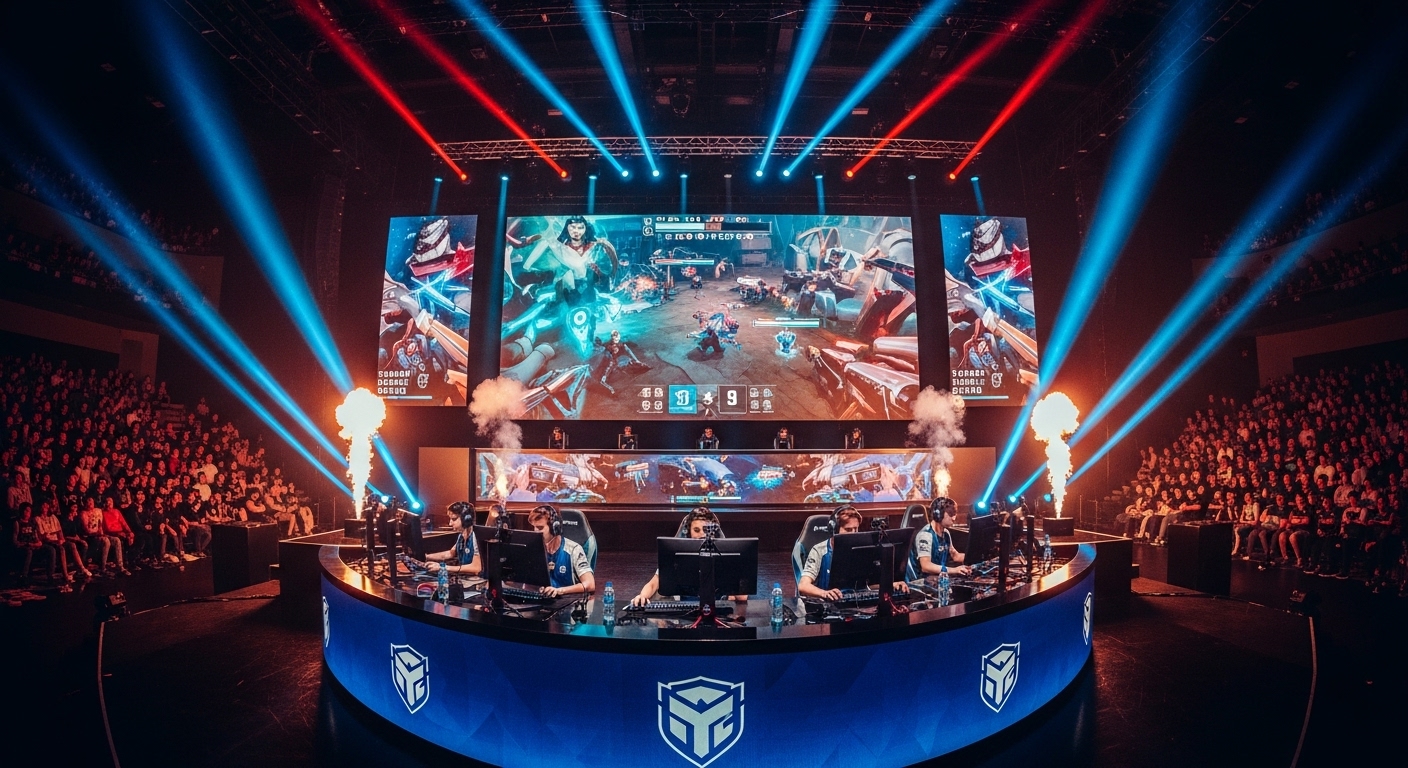
Professional players are the stars of this ecosystem. They dedicate countless hours to perfecting their craft, practicing strategies, and maintaining peak mental and physical condition. Contrary to the stereotype of the lazy gamer, professional Esports athletes undergo intense training, similar to traditional sports professionals. Their success relies not only on reflexes and coordination but also on teamwork, strategy, and psychological endurance.
Esports teams, on the other hand, function like traditional sports clubs. They have management structures, coaching staff, and support systems for nutrition, mental health, and media training. Teams such as Team Liquid, Fnatic, and T1 have become internationally recognized organizations, managing rosters across multiple games and regions.
Fans form the emotional backbone of Esports. They bring energy, passion, and community to the digital stage. Social media has amplified fan engagement, allowing supporters to interact with players, follow behind-the-scenes content, and participate in live chats during broadcasts. Esports fans often form strong loyalties to teams and players, much like football or basketball supporters.
The Economics of Esports
The Esports industry has grown into a multi-billion-dollar global market, driven by diverse revenue streams. Sponsorships, advertising, ticket sales, media rights, and merchandise all contribute to the financial ecosystem.
Sponsorships form the largest share of revenue, as brands seek to connect with the highly engaged, tech-savvy demographic that Esports attracts. Companies from various sectors—technology, automotive, beverage, apparel—have entered Esports sponsorships to reach younger audiences.
Media rights and broadcasting deals have also become increasingly lucrative. Platforms compete to secure exclusive streaming rights for major tournaments, driving viewership numbers into the millions. For example, international finals can attract audiences comparable to the Super Bowl or the World Cup, signaling the massive entertainment value of Esports.
Prize pools have also grown dramatically, with top players earning millions annually. Beyond individual success, entire Esports organizations now operate as sustainable businesses, with diversified income streams, brand partnerships, and fan merchandise.
However, the financial side of Esports is not without challenges. Player burnout, inconsistent salaries, and overreliance on sponsorships remain ongoing concerns. The industry continues to evolve toward stability, professional governance, and better player welfare systems.
Cultural Impact and Global Recognition
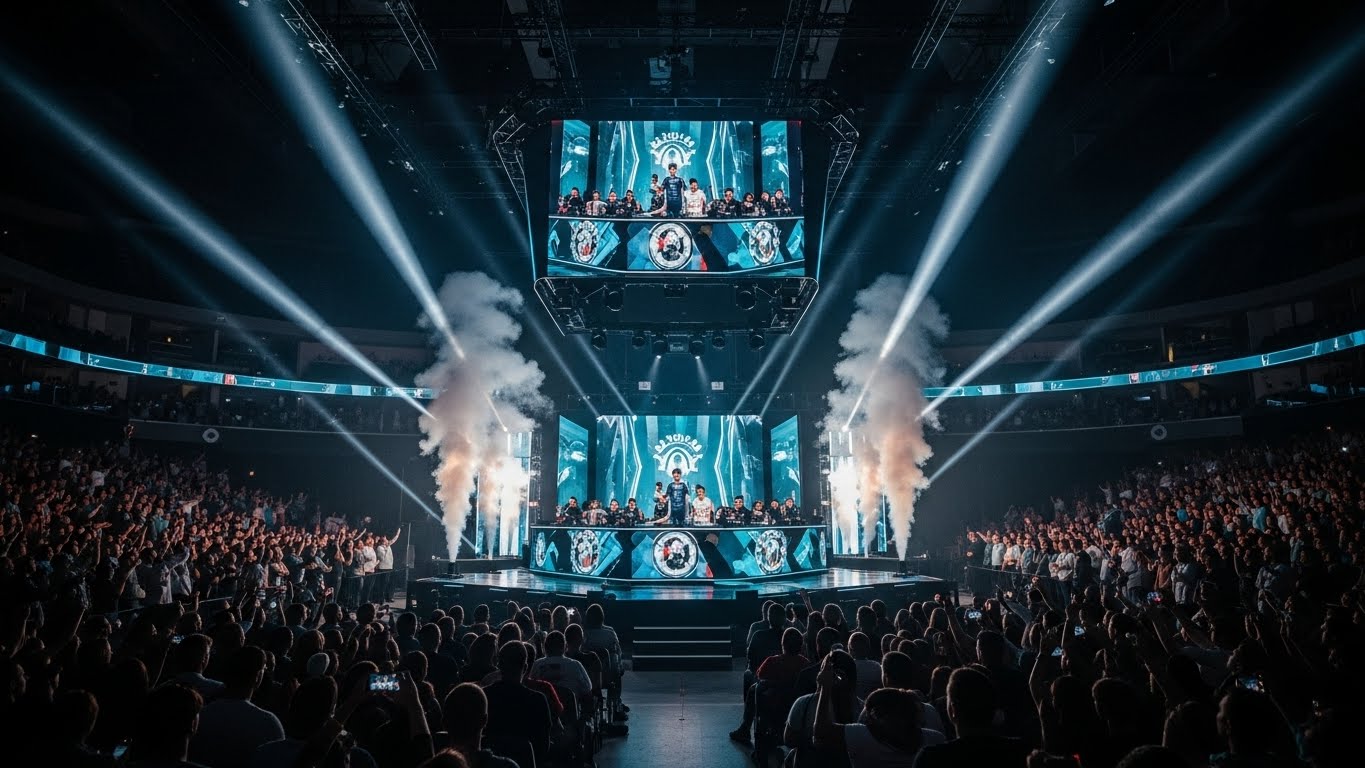
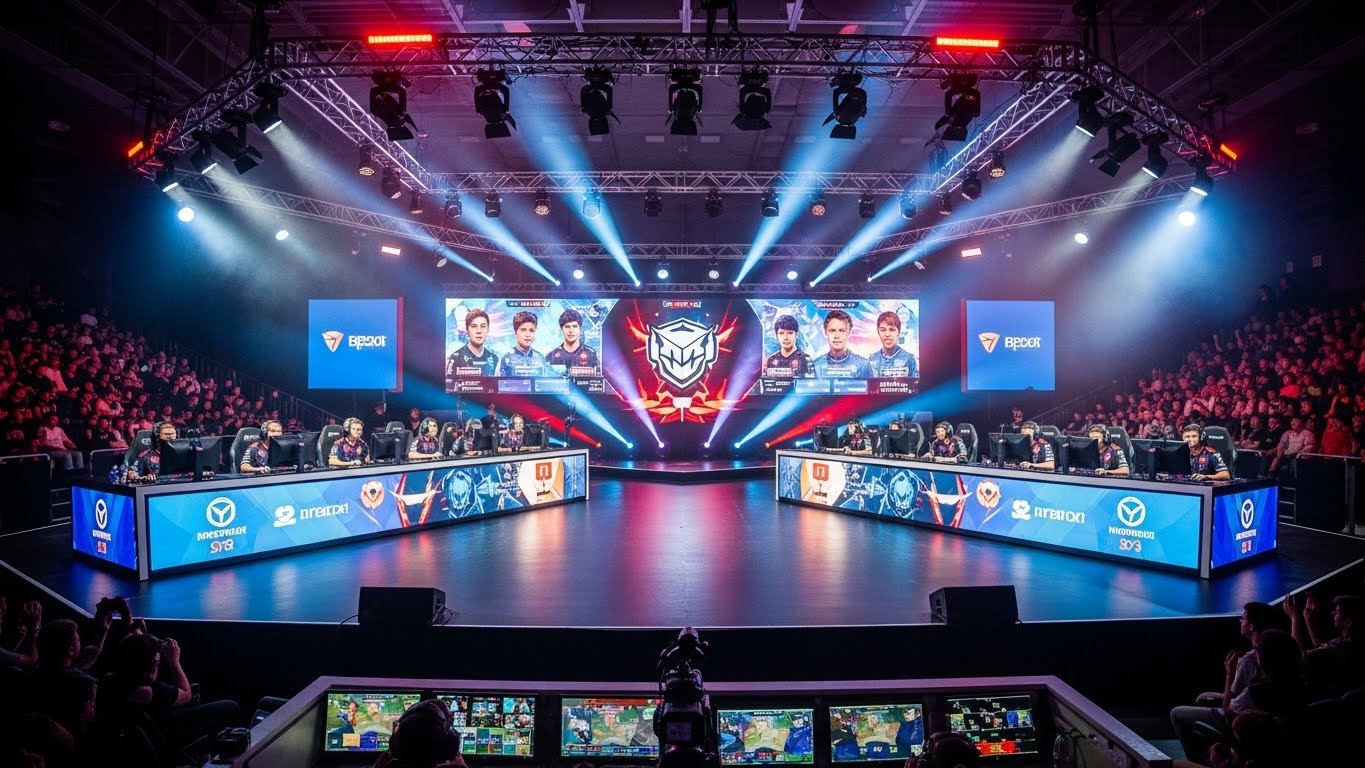
Esports has done more than redefine gaming; it has reshaped culture itself. What once existed in the margins of popular culture has now entered mainstream consciousness. Esports tournaments fill stadiums, appear on national television, and even find their way into discussions about inclusion in the Olympic Games.
The cultural significance of Esports lies in its accessibility. Unlike traditional sports that often require specific physical attributes or expensive facilities, Esports welcomes anyone with a computer or console and internet access. This inclusivity has led to the creation of diverse global communities that transcend borders, languages, and backgrounds.
Moreover, Esports has influenced music, fashion, and media. From in-game concerts and collaborations with famous artists to custom apparel lines, the merging of pop culture with gaming is evident. Esports has also impacted education, with schools and universities forming Esports clubs and offering programs in game design, management, and digital marketing.
Perhaps one of the most remarkable aspects of Esports culture is the sense of belonging it fosters. Fans and players alike share a deep connection to their favorite games and teams, finding identity and community in shared passion.
Challenges and Controversies
Despite its success, Esports faces several challenges that must be addressed to ensure long-term sustainability.
One of the major concerns is player health and burnout. Professional gaming requires intense focus and long hours of practice, often leading to physical strain such as eye fatigue and carpal tunnel syndrome, as well as mental stress. Many players retire at a young age, often before thirty, due to the demanding lifestyle.
Another issue lies in governance and regulation. Unlike traditional sports with established federations, Esports lacks a unified governing body. This has led to inconsistencies in tournament standards, player contracts, and disciplinary actions. Different games are owned by different developers, making coordination across the industry complex.
Cheating and match-fixing have also emerged as concerns. The digital nature of Esports makes it susceptible to hacks, exploits, and integrity violations. Maintaining fairness and transparency remains an ongoing battle for organizers and publishers.
Additionally, issues such as toxic behavior, gender inequality, and inclusivity continue to surface. While progress has been made to create a more positive and diverse environment, the industry still has room to grow in promoting respect and equality for all participants.
Esports and Education: A Pathway to the Future
The relationship between Esports and education has strengthened significantly in recent years. Many universities around the world now recognize Esports as a legitimate extracurricular and academic pursuit. Scholarships for talented players are becoming increasingly common, enabling students to balance competitive gaming with education.
Academic programs in game development, Esports management, and digital marketing are also gaining traction. These courses prepare students not just for competitive play but for roles in event organization, broadcasting, content creation, and data analysis.
Esports also encourages valuable life skills. Teamwork, communication, strategic thinking, and problem-solving are all central to competitive gaming. In this sense, Esports acts as both a learning platform and a career opportunity in the expanding digital economy.
The Future of Esports: Technology and Beyond
Looking ahead, the future of Esports appears boundless. Emerging technologies such as virtual reality (VR), augmented reality (AR), and artificial intelligence (AI) promise to redefine how games are played, viewed, and experienced.
The metaverse—a virtual shared space where gaming, social interaction, and digital economies merge—could become the next frontier for Esports. Players may compete in fully immersive environments, and fans might experience matches through interactive virtual venues.
Additionally, the growing acceptance of Esports in mainstream sports institutions indicates a potential for Olympic inclusion. The International Olympic Committee has already begun experimenting with Esports exhibitions, suggesting that competitive gaming could one day stand alongside traditional athletics on the world stage.
Esports will also continue to expand its influence on media and entertainment. As streaming platforms integrate with interactive technologies, the line between player and viewer will blur even further, creating a new era of participatory entertainment.
Conclusion: The Digital Legacy of Esports
From dimly lit arcades to grand global arenas, Esports has traveled a remarkable journey. What began as friendly competition among enthusiasts has evolved into a cultural and economic powerhouse that defines modern entertainment. It has challenged traditional notions of sports, fostered international communities, and inspired millions of young people worldwide.
The rise of Esports symbolizes the spirit of the digital age—where creativity, technology, and competition converge. As the industry continues to mature, its influence will extend far beyond gaming, shaping the future of media, education, and human connection.
Esports is no longer just about playing games; it is about innovation, aspiration, and the pursuit of excellence in a world that celebrates both digital skill and global unity.
In every match, every tournament, and every victory, Esports continues to write its own legacy—a legacy that will define the digital century.