Introduction: The Evolution of Competitive Gaming
Esports has transformed from a niche hobby into a multi-billion-dollar industry, capturing the attention of millions worldwide. Once seen as a pastime for gamers, competitive video gaming is now one of the most popular and rapidly growing forms of entertainment. Professional leagues, sponsorships, and international tournaments have turned esports into a global phenomenon, with millions of fans and players alike immersing themselves in the virtual arena. This blog post explores the rise of esports, its significance in the modern world, and why it represents the future of competition and entertainment.
What is Esports?
Esports, short for electronic sports, refers to organized, multiplayer video game competitions, particularly between professional players, individually or as teams. These competitions often take place in various formats, including tournaments, leagues, and one-off events, with games spanning a wide range of genres, from real-time strategy games to first-person shooters and battle royale titles.
Unlike traditional sports, esports is conducted entirely within the digital realm. However, the stakes, intensity, and excitement are just as high, if not higher, than in many traditional sports. Esports athletes dedicate hours of practice to hone their skills, develop strategies, and improve their gameplay. Major titles like “League of Legends,” “Dota 2,” “Counter-Strike: Global Offensive,” and “Fortnite” have become household names, with millions of people tuning in to watch high-stakes tournaments broadcast live around the world.
The Growth of Esports: A Global Phenomenon
The growth of esports over the past decade has been nothing short of remarkable. What was once a small, niche hobby has now evolved into a multi-billion-dollar industry. According to industry reports, the global esports market is expected to surpass $1.5 billion in revenue by 2023. This growth is fueled by various factors, including increasing viewer engagement, sponsorship deals, media rights, and the rise of live streaming platforms.
One of the key drivers behind the global appeal of esports is its accessibility. Unlike physical sports, which often require specialized equipment or facilities, esports can be played anywhere, as long as there’s access to a computer, console, or internet connection. This ease of access has allowed esports to reach audiences far and wide, breaking down geographical and cultural barriers. Today, millions of people from all corners of the world engage with esports—whether they’re playing competitively, watching live streams, or discussing strategies on forums.
The Rise of Professional Esports Players
As esports has gained prominence, so too has the rise of professional gamers. These athletes—many of whom are in their late teens or early twenties—dedicate their lives to perfecting their craft. Training for esports requires discipline, focus, and mental fortitude, much like traditional sports. Players often spend anywhere from eight to twelve hours a day practicing and scrimming (practice matches) with their teams.
Esports players must maintain peak mental sharpness and physical endurance to keep up with the fast-paced nature of competitive gaming. Reflexes, strategy, communication, and teamwork are just as crucial as raw mechanical skill. Successful esports athletes often sign contracts with professional teams, which provide salaries, sponsorship deals, and opportunities to compete in prestigious tournaments with multi-million-dollar prize pools.
Esports players also have their own fanbases, much like traditional athletes. Top-tier players can amass millions of followers on social media platforms, and their faces are recognized worldwide. With sponsorships, streaming income, and tournament winnings, professional gamers can earn lucrative salaries, solidifying esports as a viable career path.
The Infrastructure Behind Esports
Behind the scenes, a complex infrastructure supports the esports ecosystem. Teams, players, coaches, analysts, event organizers, broadcasters, and even nutritionists work together to ensure the success of esports competitions. Just like traditional sports teams, esports organizations often have dedicated coaching staffs, analysts who study gameplay footage, and team management responsible for handling logistics, finances, and contracts.
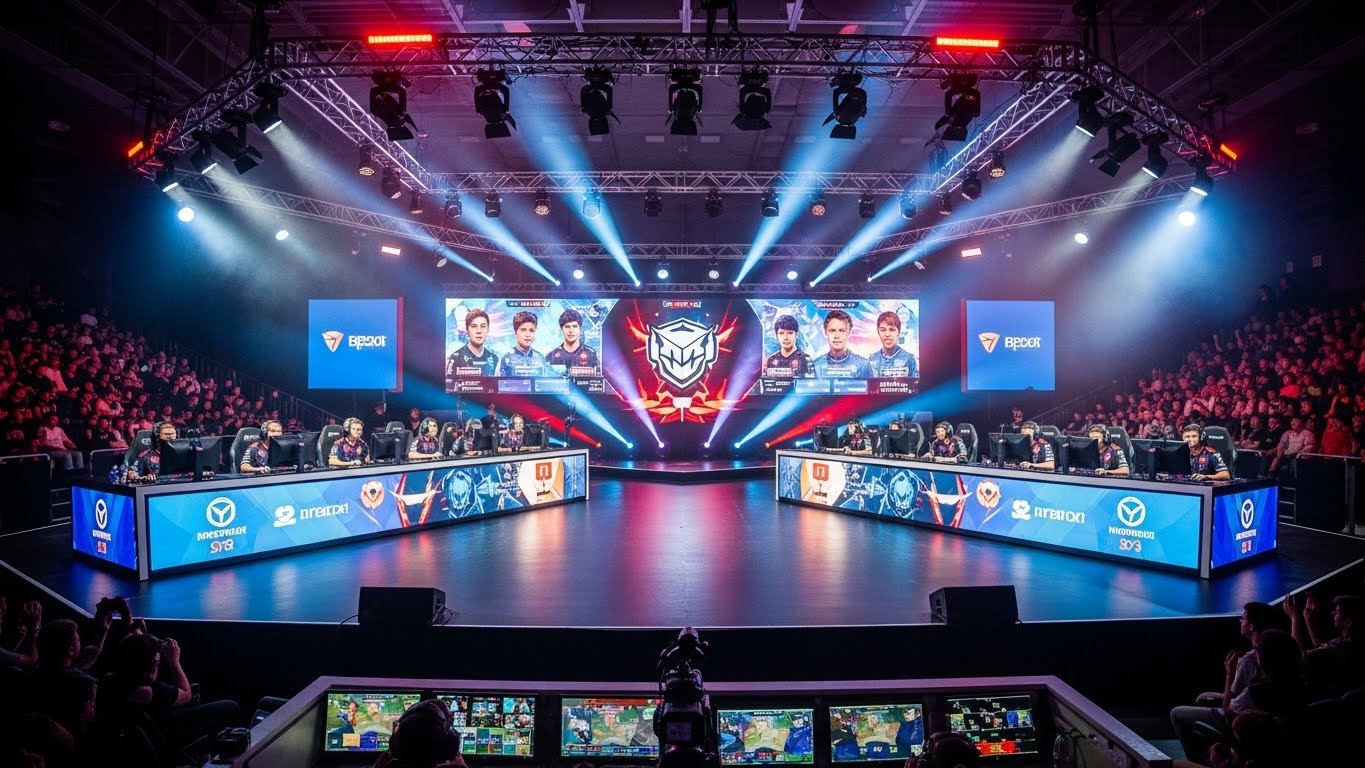
Esports events are highly orchestrated affairs. Tournament organizers carefully plan schedules, ensure smooth broadcasting, and provide commentary to keep the audience engaged. The emergence of streaming platforms like Twitch and YouTube Gaming has revolutionized how fans consume esports content. Viewers can now watch live matches, interact with their favorite players, and participate in real-time discussions.
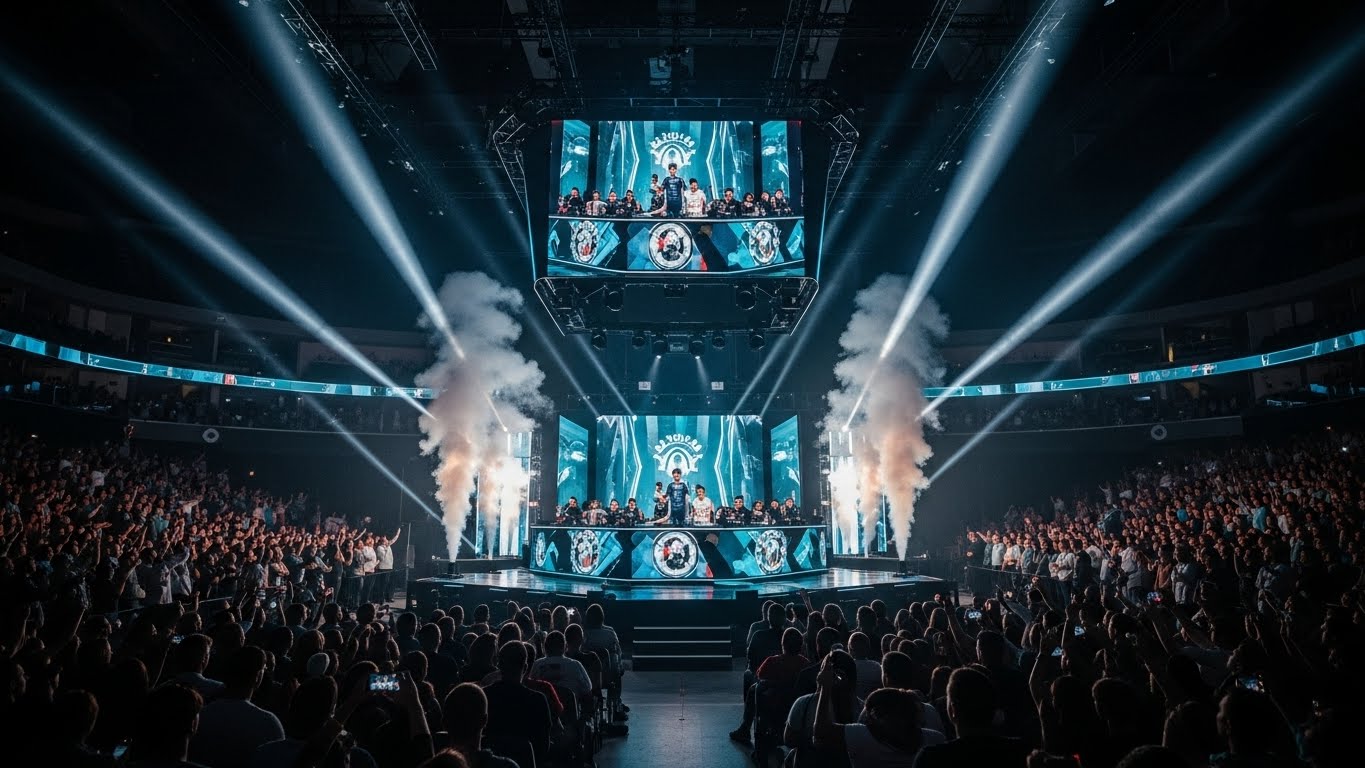
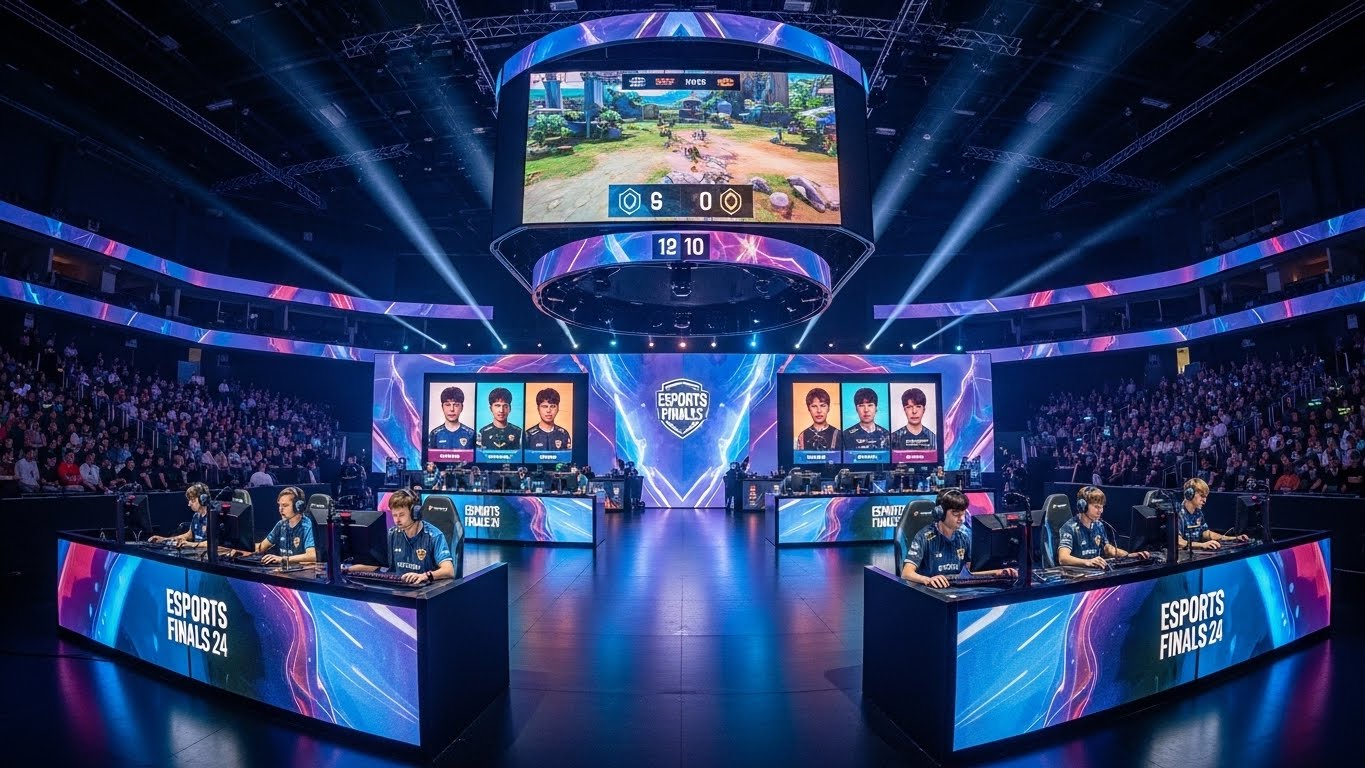
Furthermore, the live event experience has become a spectacle. Large-scale esports tournaments, such as The International (Dota 2), League of Legends World Championship, and the Fortnite World Cup, are broadcast live from massive arenas and feature high production value, complete with professional commentators and cutting-edge technology. These events attract tens of thousands of live spectators and millions of online viewers, demonstrating how esports has evolved into a major form of global entertainment.
The Role of Esports in Digital Media and Entertainment
Esports has become deeply intertwined with digital media, particularly through streaming platforms like Twitch, YouTube, and Facebook Gaming. These platforms allow fans to interact with players, watch live streams, and engage in real-time chat discussions. This level of interaction has created a unique fan experience that goes beyond the traditional sports viewing model.
The rise of esports has also created a new breed of content creators and influencers. Streamers, who broadcast themselves playing video games, have amassed massive followings. These influencers build personal brands by sharing their gaming experiences, interacting with fans, and participating in esports competitions. Top streamers can generate substantial revenue through sponsorships, donations, and subscriptions.
Esports is also a driver for the gaming industry, with game developers leveraging the competitive scene to promote their titles. Popular games like “Overwatch,” “Valorant,” and “PUBG” have built esports scenes around their titles, encouraging players to engage with the game both competitively and recreationally. This symbiotic relationship between esports and game developers has created a thriving ecosystem where both parties benefit from the growing interest in competitive gaming.
The Social Impact of Esports
While esports has become a form of entertainment and competition, it has also had a significant social impact. Communities centered around esports have become increasingly inclusive, connecting people from different cultures, backgrounds, and countries. Whether through online forums, social media, or fan gatherings at live events, esports fans share a common passion for gaming and competition.
Esports also provides a platform for diversity and representation. Unlike traditional sports, which often emphasize physical attributes, esports levels the playing field, allowing individuals from various backgrounds to participate. Many professional esports organizations are committed to fostering inclusivity, whether through gender diversity, LGBTQ+ representation, or support for underrepresented groups in gaming.
Furthermore, esports has become a space for education and career development. Esports programs in schools and universities are now common, allowing students to develop their skills in competitive gaming while earning scholarships. Many institutions have dedicated esports arenas, coaches, and teams, recognizing the academic and career potential within the esports industry.
Esports and Traditional Sports: A Growing Relationship
Esports is not only reshaping the entertainment landscape but also forging connections with traditional sports. Many traditional sports organizations have recognized the value of esports and have made significant investments in the industry. Professional sports teams, such as the Philadelphia 76ers and Manchester City, have formed esports teams to compete in major tournaments.
Additionally, traditional broadcasters, such as ESPN and Fox Sports, have started to cover esports events, further legitimizing its place in the global sports ecosystem. The overlap between esports and traditional sports is also seen in the crossover of athletes who enjoy both forms of competition. Some professional athletes, including NBA players and football stars, are avid fans of esports, while others participate in esports tournaments themselves.
This collaboration between traditional sports and esports signals a future where the two industries coexist and mutually benefit from the growing digital audience.
The Challenges Ahead for Esports
Despite its rapid growth, esports faces several challenges as it continues to mature. One of the primary issues is sustainability. While major esports tournaments offer substantial prize pools, many players struggle to secure long-term financial stability. There is also concern about the pressure placed on players to perform at a high level continuously, leading to burnout and mental health struggles.
Additionally, esports faces ongoing challenges related to cheating, match-fixing, and other forms of corruption. As the industry grows, maintaining the integrity of competitions will be crucial to ensuring the legitimacy of esports as a form of professional competition.
The Future of Esports: Expanding Boundaries
The future of esports looks incredibly promising. As technology continues to advance, the potential for new forms of gaming, such as virtual reality (VR) and augmented reality (AR), could further revolutionize the esports experience. Esports could eventually merge with other digital forms of entertainment, creating immersive experiences for fans and players alike.
Esports’ influence on culture will continue to grow, with more companies, advertisers, and media outlets becoming involved in the ecosystem. Esports will likely become a fixture in mainstream entertainment, with larger audiences, higher prize pools, and more diverse competitions.
As esports continues to evolve, its impact on the world of entertainment, gaming, and competition will only become more profound, establishing it as the future of digital sports.
Conclusion: Esports as the New Frontier of Competition
Esports is more than just a passing trend—it’s the future of competitive entertainment. With its massive growth, professionalization, and expanding global audience, esports is redefining how we think about sports and competition. As technology continues to innovate and the community grows, esports will continue to shape the future of digital entertainment, creating new opportunities for players, fans, and organizations alike. Whether you’re an aspiring player or a dedicated fan, it’s clear that esports is here to stay, and its impact on the world of entertainment will only become more profound in the years to come.