Esports, short for electronic sports, has rapidly evolved from niche gaming communities into a global phenomenon. What started as casual competitions among friends has transformed into a multi-billion-dollar industry, attracting millions of fans, professional players, and corporate sponsors. Esports is no longer just a hobby—it is a cultural movement, a career path, and a legitimate form of competition. This blog explores the world of esports, its growth, influence, and the opportunities it presents for players and audiences alike.
Understanding Esports
At its core, esports involves competitive video gaming where individuals or teams face off in organized tournaments. Unlike traditional sports, which rely on physical athleticism, esports emphasizes strategy, reflexes, teamwork, and mental endurance. Games span multiple genres including first-person shooters, multiplayer online battle arenas, real-time strategy, and sports simulations. Titles like League of Legends, Dota 2, Counter-Strike, and Fortnite have become household names in the esports community.
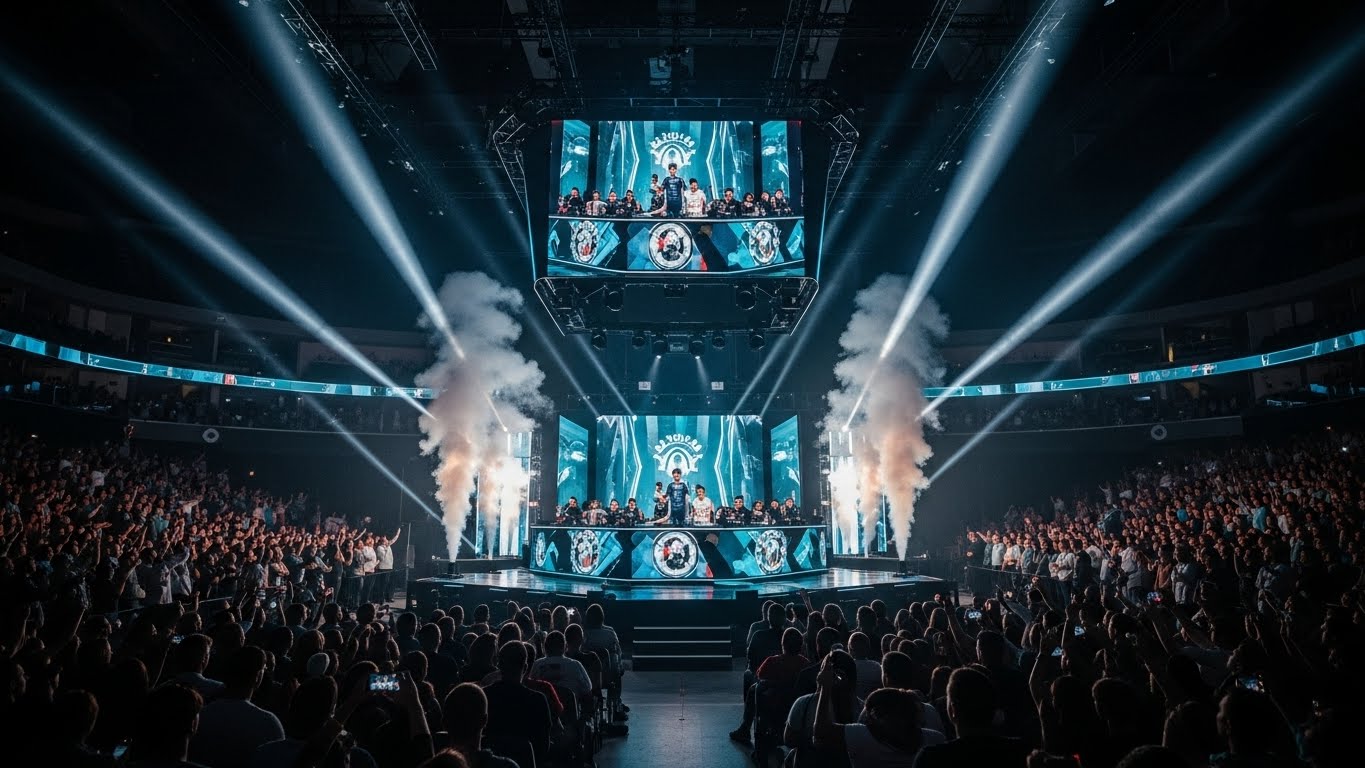
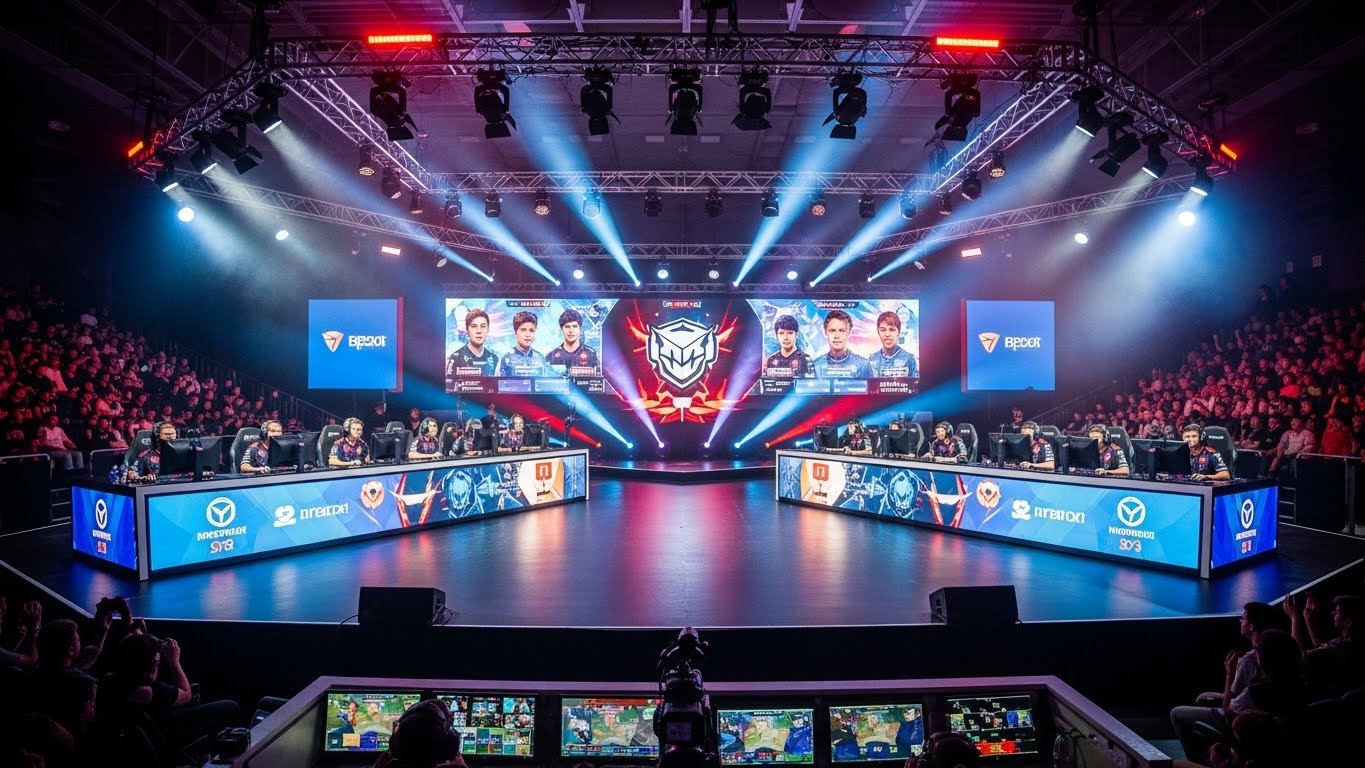
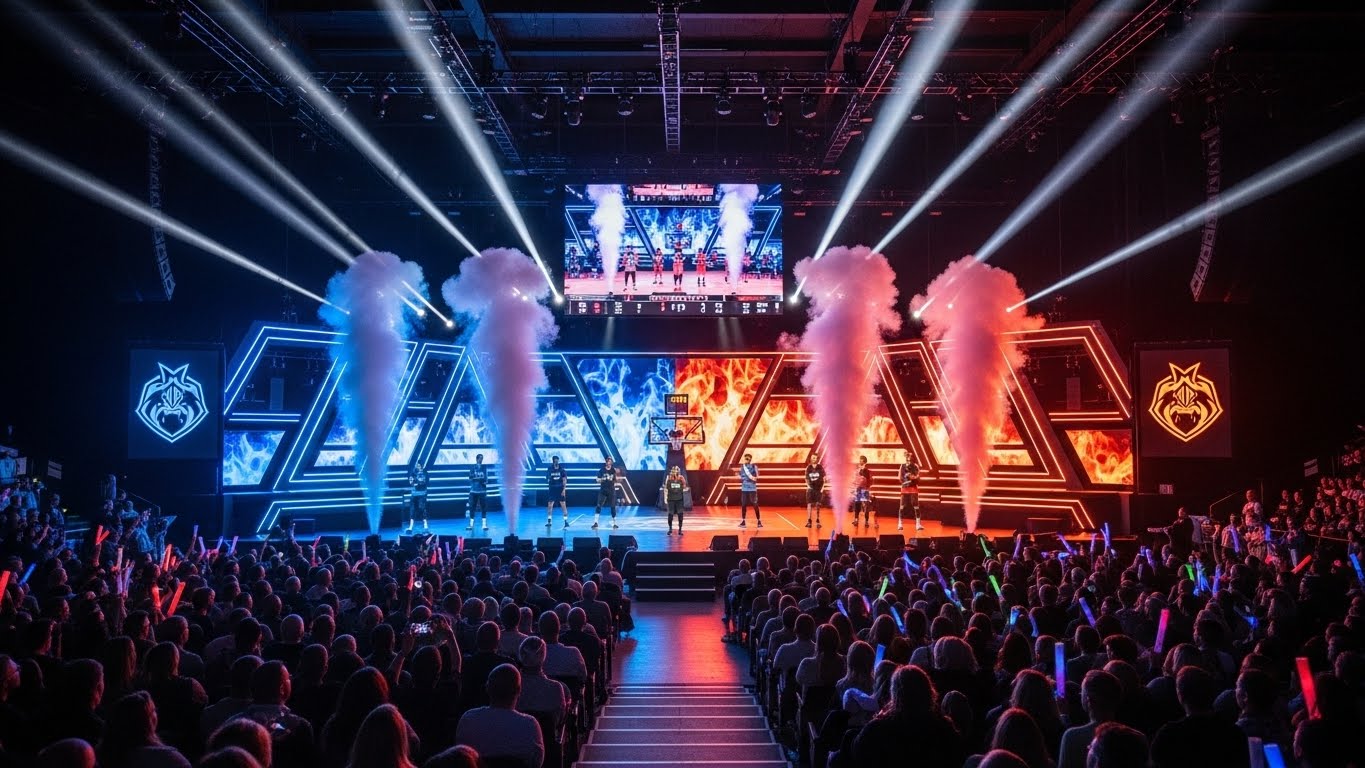
Esports competitions vary from local meetups to massive international events held in stadiums and broadcasted to millions worldwide. These tournaments combine the thrill of sports with the accessibility of digital entertainment, creating a unique form of engagement for players and fans alike.
The Growth of the Esports Industry
The growth of esports over the past decade has been phenomenal. Early competitive gaming in arcades has evolved into fully professional leagues with structured seasons, player contracts, and sponsorship deals. Organizations recruit players, coaches, analysts, and content creators, mirroring the infrastructure of traditional sports teams.
Viewership has also surged. Millions of fans watch tournaments online through streaming platforms, following their favorite teams and players around the clock. Prize pools for major events often reach millions of dollars, reflecting the commercial viability of esports. This growth demonstrates that esports is not merely entertainment but a sustainable industry capable of generating global revenue.
The Role of Skill and Strategy
Success in esports requires more than fast fingers—it demands strategic thinking, adaptability, and teamwork. Players must master the mechanics of their chosen game while understanding opponent behavior and adapting strategies in real-time. Just as a football team studies plays and opponents, esports players analyze game patterns, devise tactics, and communicate efficiently with teammates.
Mental resilience is equally crucial. Competitive gaming involves high-pressure situations where a single mistake can determine the outcome of a match. Players must remain focused, make split-second decisions, and manage stress effectively. This combination of mental acuity, quick reflexes, and strategic thinking distinguishes esports from casual gaming and solidifies its status as a professional pursuit.
Esports as a Career
For many, esports has become a legitimate career path. Professional players earn salaries, prize money, and endorsements, while supporting roles such as coaches, analysts, and content creators contribute to the ecosystem. Teams often provide training facilities, nutrition plans, and mental coaching to optimize performance, mirroring the professional infrastructure of traditional sports.
Esports also opens doors beyond gameplay. Commentators, event organizers, journalists, and marketers find opportunities in this rapidly expanding industry. The growth of esports academies and training programs enables young players to develop skills early, creating a structured pipeline for talent. The concept of esports as a viable career continues to gain credibility, challenging outdated perceptions of gaming as mere entertainment.
The Global Impact of Esports
Esports has a profound global influence. It connects communities across countries, transcending cultural and linguistic barriers. International tournaments foster cultural exchange and create a sense of belonging among players and fans worldwide. Esports has also inspired academic research, with universities offering scholarships and degrees in esports management, game design, and digital entertainment.
Moreover, esports contributes to technological innovation. Game development, streaming platforms, virtual reality, and augmented reality technologies are advancing rapidly to meet the demands of competitive gaming. This technological growth has a ripple effect on broader industries, influencing entertainment, education, and digital media.
Esports and Mental Health
Competitive gaming can be mentally demanding. Long hours of practice, high expectations, and intense competition can lead to stress and burnout. However, when managed properly, esports can also have positive effects on mental well-being. Players develop critical thinking, problem-solving skills, and emotional resilience. Team-based games teach communication, empathy, and conflict resolution, promoting social and cognitive growth.
Support systems are increasingly integrated into esports organizations. Mental health professionals, coaches, and mentors help players manage pressure and maintain balance, emphasizing the importance of holistic development. These initiatives ensure that esports remains a sustainable pursuit rather than a source of harm.
The Role of Fans and Community
The esports community is one of its most vital aspects. Fans create content, participate in online discussions, and attend live events, forming a vibrant ecosystem of engagement. Streaming platforms allow audiences to interact directly with players, offering insights into gameplay, strategies, and personalities.
This interaction between players and fans creates a unique relationship absent in many traditional sports. Fans are not only spectators but active participants, influencing trends, supporting teams, and contributing to the culture of esports. The sense of belonging and shared passion strengthens the connection between the digital and real world.
Technology Driving Esports
Technology is at the heart of esports. High-speed internet, advanced gaming hardware, and powerful graphics engines enable seamless gameplay and immersive experiences. Streaming platforms allow live broadcasts to reach global audiences, while sophisticated analytics tools provide insights into player performance, strategies, and trends.
Virtual reality and augmented reality are increasingly integrated into esports, creating innovative ways to experience games. These technological advancements expand the possibilities for esports, attracting new audiences and redefining the boundaries of competitive gaming.
Esports and Education
Esports is also making its way into education. Schools and universities are offering esports programs, providing scholarships and courses related to game design, digital media, and competitive strategy. These programs combine academic rigor with practical experience, preparing students for careers in the gaming and entertainment industry.
Participation in esports programs teaches discipline, teamwork, and time management. Students learn to balance practice with academic responsibilities, developing skills that are transferable to professional life. Esports in education emphasizes that competitive gaming can be both intellectually stimulating and socially enriching.
Women in Esports
While the esports industry has traditionally been male-dominated, female participation is growing steadily. Women are breaking barriers as professional players, streamers, coaches, and content creators. Their success challenges stereotypes and encourages inclusivity within the gaming community.
Promoting diversity in esports is essential for the long-term growth of the industry. By supporting female players and creating equal opportunities, the esports ecosystem becomes richer, more competitive, and reflective of a diverse global audience. Representation matters, and the increasing visibility of women in esports inspires the next generation of gamers.
The Future of Esports
The future of esports looks promising. Advancements in technology, increased mainstream recognition, and a growing global fanbase suggest continued expansion. Virtual reality, mobile esports, and AI-driven analytics will shape new competitive formats and enhance gameplay experiences.
Esports is likely to become even more integrated with mainstream media and entertainment. Partnerships with traditional sports organizations, television networks, and global brands will further legitimize esports as a core part of modern culture. The evolution of esports demonstrates that competitive gaming is no longer a fringe activity but a central feature of the entertainment landscape.
Conclusion: Esports as a Cultural Phenomenon
Esports represents more than digital competition; it is a cultural phenomenon that unites people, drives innovation, and offers opportunities for personal and professional growth. It combines the thrill of competition with technological advancement, creating experiences that are both immersive and meaningful.
Through skill, strategy, teamwork, and community engagement, esports challenges traditional notions of sports and entertainment. It empowers individuals to pursue careers, fosters global connections, and promotes mental and social development. As esports continues to evolve, it promises to shape the way we play, watch, and interact with games, leaving a lasting impact on society.
In essence, esports is not just about winning matches or streaming gameplay. It is a platform where talent meets opportunity, where communities thrive, and where the boundaries between the digital and real world are constantly expanding. Leveling up in esports is about more than mastering a game—it is about embracing innovation, resilience, and a shared passion for competition in a rapidly changing world.