Introduction
In the past few decades, the world of competitive gaming has evolved from a niche pastime into a multi-billion-dollar industry. Esports, short for electronic sports, has become one of the most popular forms of entertainment worldwide, with millions of players, fans, and organizations involved in the digital competition. What was once considered a hobby or a casual interest is now a legitimate career path for many individuals, with esports tournaments regularly drawing in massive audiences, both online and offline. From high-stakes competitions to streaming platforms and sponsorship deals, esports has solidified its place as a cultural and entertainment powerhouse. This blog explores the rise of esports, its impact on the gaming industry, and its journey toward becoming a global phenomenon.
The Origins of Esports
The concept of competitive gaming dates back to the early days of video gaming. In the late 20th century, people began organizing small tournaments for popular arcade games like Space Invaders and Pong. However, it wasn’t until the early 2000s that esports truly began to take shape as a competitive scene. Games like StarCraft, Warcraft III, and Quake were among the first to feature online multiplayer modes, enabling players from different parts of the world to compete against each other.
The first large-scale esports tournaments began to emerge in the late 1990s and early 2000s. In 2000, the World Cyber Games (WCG) was launched, attracting players from around the world to compete in various games. Shortly thereafter, the Electronic Sports World Cup (ESWC) and DreamHack festivals in Sweden helped further popularize esports as a global competitive scene. These early tournaments laid the groundwork for what would become a massive industry, helping to establish esports as a legitimate form of competition.
The Growth of Esports
Over the past decade, esports has experienced explosive growth. Today, the esports industry is valued at over $1 billion, with millions of fans, players, and brands invested in its success. One of the primary reasons for this growth is the rise of online streaming platforms like Twitch, YouTube Gaming, and Facebook Gaming, which have allowed esports to reach a global audience. These platforms provide real-time coverage of tournaments, player streams, and gaming content, enabling fans to watch their favorite players and teams compete from anywhere in the world.
Major esports tournaments like The International (Dota 2), the League of Legends World Championship, and Counter-Strike: Global Offensive (CS: GO) events attract millions of viewers each year. For example, the 2018 League of Legends World Championship reached an audience of over 100 million viewers, making it one of the most-watched events in esports history. As a result, esports has garnered the attention of both mainstream media and traditional sports organizations, solidifying its place as a mainstream form of entertainment.
Esports as a Career Path
One of the most significant developments in the rise of esports is the emergence of gaming as a professional career. Professional esports players now compete in high-stakes tournaments for substantial prize money, sponsorship deals, and streaming revenue. In fact, many of the top esports athletes make millions of dollars annually through tournament earnings, sponsorships, and streaming platforms like Twitch.
Professional players often join teams and organizations that manage their schedules, training, and brand partnerships. These esports teams operate similarly to traditional sports franchises, with coaches, analysts, and managers working to optimize players’ performances. Many professional gamers also build lucrative careers as content creators, producing gameplay videos, tutorials, and live streams to supplement their incomes.
Esports has also given rise to a wide range of career opportunities beyond playing. Team coaches, analysts, marketers, event organizers, and broadcasters all play critical roles in the success of esports. Organizations like Cloud9, Team Liquid, and FaZe Clan have become household names, employing dozens of staff members to support their operations and marketing efforts. As the industry grows, so too do the job opportunities within it, making esports a viable career path for many people, even if they are not professional players.
Streaming and Fan Engagement
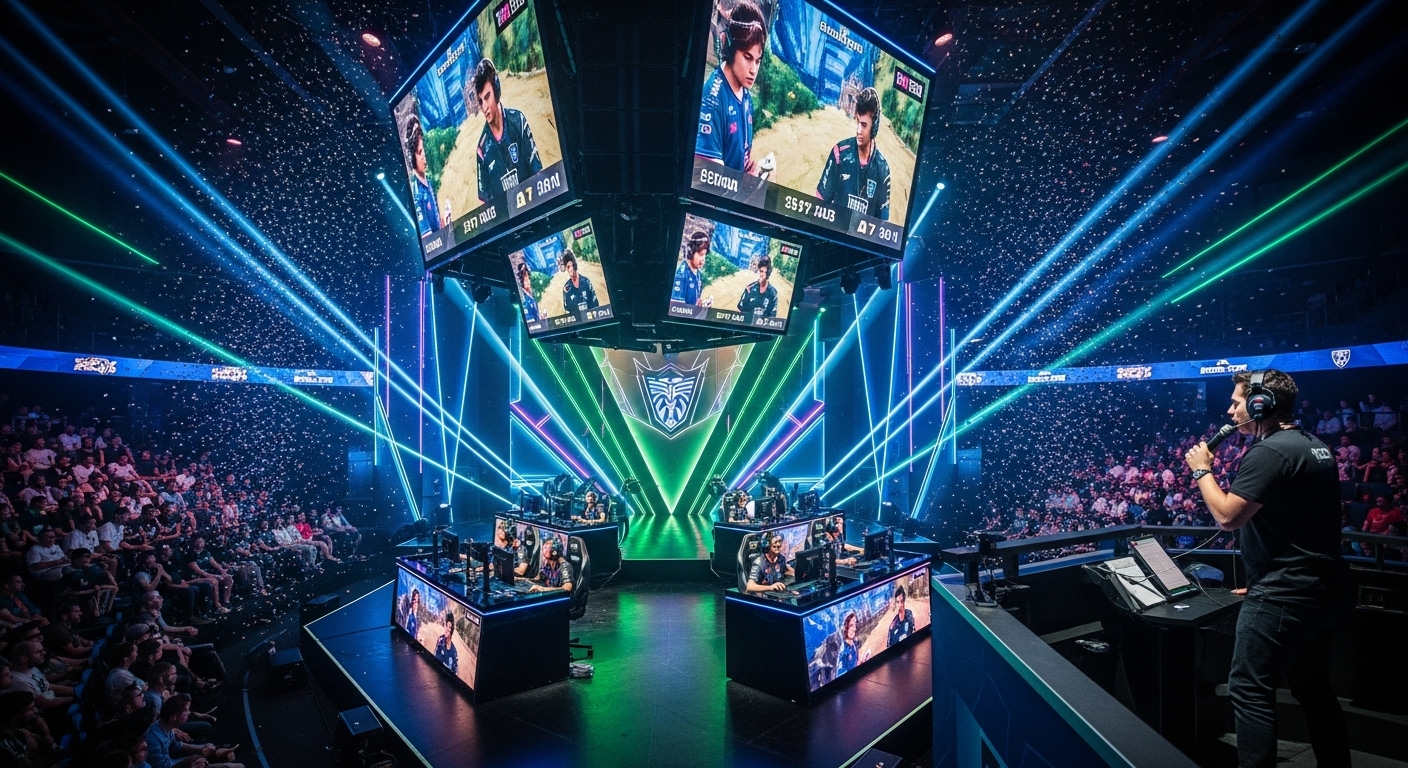
Streaming has revolutionized the way fans experience esports. Platforms like Twitch and YouTube Gaming have become hubs for gamers to showcase their skills, interact with fans, and engage with other players. Twitch alone boasts over 15 million daily active users, many of whom tune in to watch live tournaments, casual gameplay, or esports commentary.
The interactive nature of streaming allows fans to engage with players in real time, making the esports experience more personal and engaging. Fans can participate in live chats, ask questions, and interact with streamers during broadcasts. This direct connection between players and fans has fostered a sense of community in the esports world. In many cases, fans become highly invested in their favorite players and teams, following them across multiple tournaments and supporting them through social media and donations.
Streaming has also provided opportunities for gamers to build their own brand and earn income. Top-tier streamers like Ninja, Shroud, and Pokimane have turned their gaming channels into profitable businesses, thanks to ad revenue, sponsorships, merchandise sales, and fan donations. The rise of streaming has democratized the world of esports, allowing anyone with a passion for gaming and an internet connection to participate in the scene.
The Esports Community
At the heart of esports is its passionate and engaged community. The esports community is made up of players, fans, streamers, and content creators from all around the world. What makes this community unique is its diversity and inclusiveness. Esports brings together people from different backgrounds, cultures, and walks of life, all united by their shared love for competitive gaming.
Esports fans are some of the most dedicated in the world. They follow tournaments, cheer for their favorite players, and engage in discussions about strategies, performance, and results. Esports events like The International and DreamHack have created opportunities for fans to come together and experience the excitement of competition in person. In addition to live events, online communities and forums allow fans to connect with each other, share fan art, analyze game strategies, and support their favorite players and teams.
The sense of camaraderie within the esports community has contributed to the growth of the industry. Fans are deeply invested in the success of their favorite players and teams, often forming emotional connections with them. As a result, esports has become a global phenomenon that transcends borders and languages. Fans from every corner of the world come together to celebrate their shared passion for gaming.
Esports and Traditional Sports
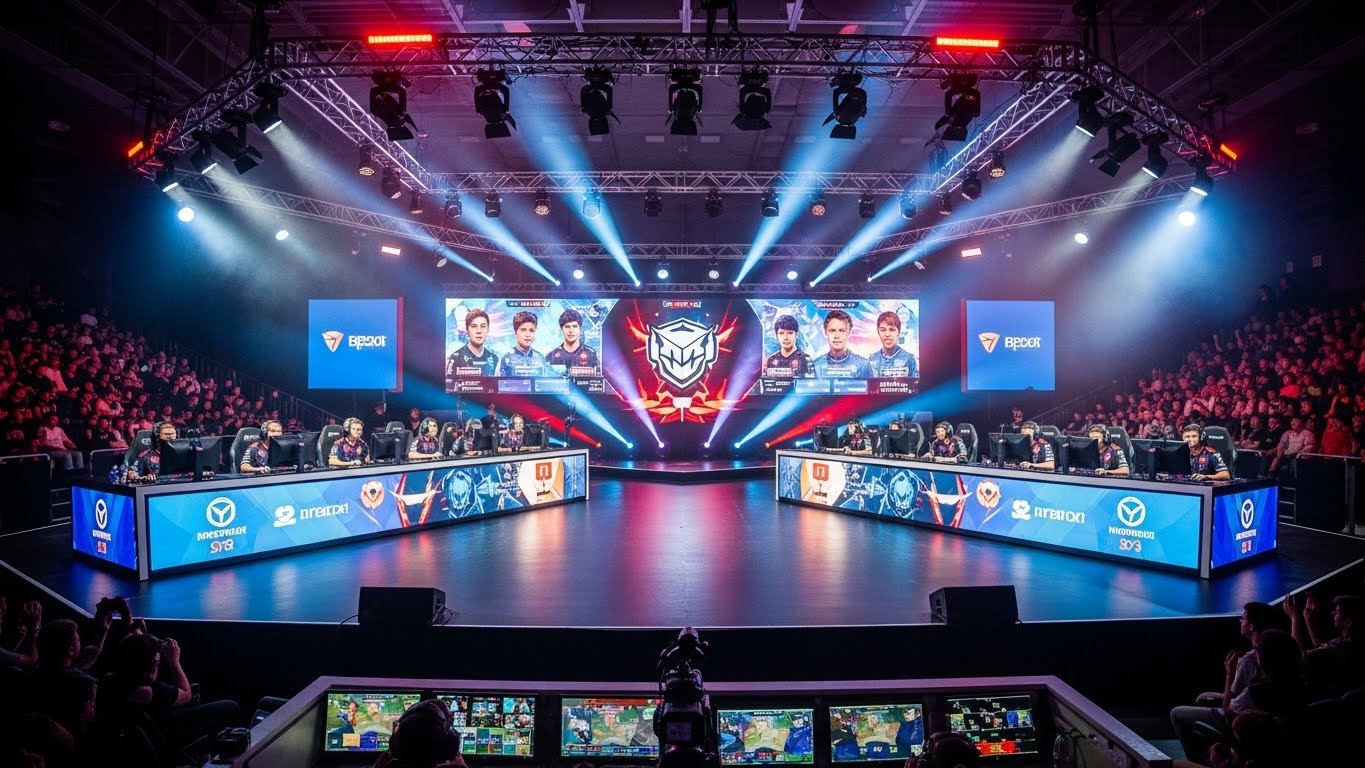
As esports continues to grow, it is increasingly being compared to traditional sports in terms of competition, organization, and fan engagement. In many ways, esports mirrors traditional sports: players must train and develop skills, teams must work together to achieve success, and fans must come together to support their teams.
Some traditional sports organizations have taken notice of esports’ rapid rise, with major franchises like the Golden State Warriors and Manchester City investing in esports teams. The NBA 2K League and FIFA eWorld Cup are prime examples of how traditional sports are intersecting with esports, allowing fans of real-world sports to engage with the digital world of competitive gaming.
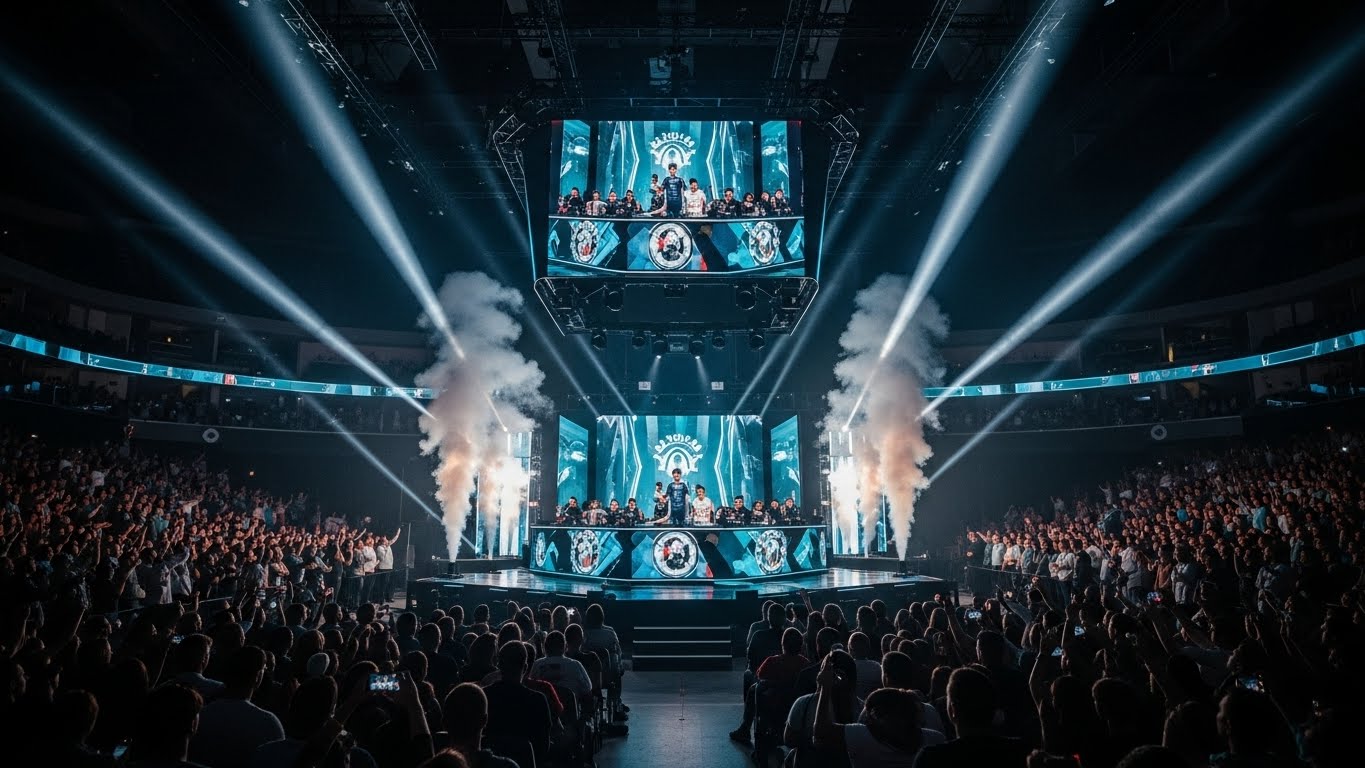
Esports is also gaining recognition as a legitimate form of competition in its own right. While it does not involve the physical exertion of traditional sports, it still requires strategy, reflexes, and teamwork. In fact, many esports tournaments are held in massive arenas, drawing in thousands of fans and offering live broadcasts to millions more. As the line between esports and traditional sports continues to blur, the future of both industries looks increasingly interconnected.
The Future of Esports
The future of esports is incredibly bright, with the industry expected to continue its upward trajectory in the coming years. As technology advances, esports will likely become even more immersive, with virtual reality (VR) and augmented reality (AR) offering new opportunities for players and fans. These technologies could revolutionize how competitive gaming is played, providing a more realistic and interactive experience.
Mobile gaming will also continue to play a significant role in the growth of esports. Games like PUBG Mobile, Free Fire, and Arena of Valor have already proven to be hugely popular, particularly in regions like Southeast Asia and Latin America. With the increasing power of smartphones and mobile networks, the potential for mobile esports is limitless.
In addition to technological advancements, esports is also expected to gain more mainstream recognition. As more universities and colleges offer scholarships for esports players, competitive gaming will become a more established path for students pursuing both higher education and a professional gaming career. As the industry matures, we can also expect greater investment from major brands, media outlets, and global sports organizations, further legitimizing esports as a key player in the entertainment and sports sectors.
Conclusion
Esports has come a long way from its humble beginnings as a hobby for gamers. Today, it is a booming industry with millions of fans, players, and organizations around the world. The rise of esports is a testament to the power of digital entertainment and the universal appeal of competitive gaming. With its growing audience, increasing financial support, and evolving technologies, esports is poised to continue shaping the future of gaming and entertainment for years to come. As the digital arena continues to expand, esports will remain at the forefront of this exciting new frontier, providing opportunities for players, fans, and creators to come together in the spirit of competition, community, and fun.