
Esports is no longer just a buzzword for gamers; it’s a worldwide phenomenon that has redefined how we perceive competitive sports and digital entertainment. Once seen as a niche hobby for tech enthusiasts, esports has transformed into a multi-billion-dollar industry with millions of fans, players, and teams across the globe. What makes esports so compelling is not just its competitive nature, but the community, the technology, and the sheer thrill of watching intense, high-level gameplay unfold in real time.
In this blog, we will explore the rise of esports, the mechanics behind competitive gaming, and what the future holds for this dynamic industry.
The Beginnings of Esports: A Humble Start
Esports has its origins in the early days of competitive gaming. The 1970s and 1980s saw the first amateur gaming tournaments, but it was in the 1990s when the concept of esports truly began to take shape. Games like Doom and StarCraft created the foundations for multiplayer online competitions, and by the late 1990s, tournaments like the Red Annihilation Tournament began to attract a broader audience.
However, it wasn’t until the 2000s that esports began to emerge as a global industry. Platforms like Battle.net and later Steam allowed players to compete against each other from across the world. The first major international tournaments, such as the World Cyber Games (WCG) and ESL (Electronic Sports League), helped establish competitive gaming as a legitimate sport.
While esports was primarily focused on games like Warcraft III, Quake, and Counter-Strike, it was the explosion of League of Legends in 2009 that truly marked the beginning of the esports boom. As esports competitions became more frequent and accessible, viewers could watch high-level gaming from the comfort of their homes, thanks to streaming platforms like Twitch and YouTube Gaming.
The Esports Ecosystem: More Than Just Players
Esports is far more than just the players who compete in tournaments. It is a vibrant ecosystem that includes teams, coaches, analysts, commentators, content creators, and sponsors. The success of esports depends on the coordination of these various elements to create a rich and engaging experience for both players and fans.
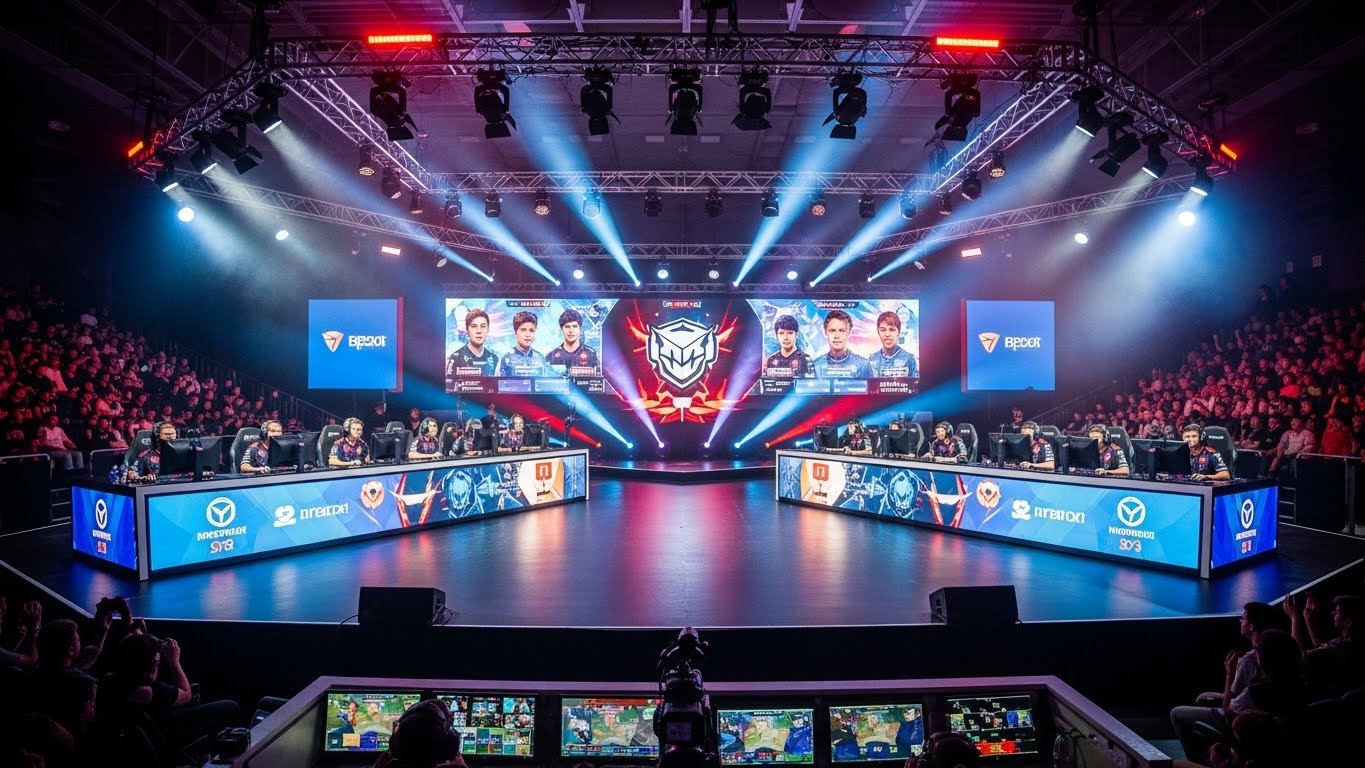
Professional Esports Teams: The structure of professional esports teams mirrors that of traditional sports teams. Top-tier players are recruited for their exceptional skill, and together, they train and strategize for upcoming tournaments. These teams often have coaches and analysts who study opponents’ strategies and help fine-tune gameplay.
Commentators and Analysts: Much like traditional sports, esports features commentators and analysts who offer live commentary during tournaments. These individuals play an essential role in keeping fans engaged by breaking down complex gameplay, explaining strategies, and building excitement around the match. Popular commentators have become celebrities in their own right, and their unique style often contributes significantly to the event’s atmosphere.
Content Creators and Streamers: Many esports players and teams have developed large followings on platforms like Twitch and YouTube, where they live-stream their practice sessions, share behind-the-scenes footage, or engage with fans directly. These streamers often have a significant influence on the gaming community, and some even transition from professional players to full-time streamers, building lucrative careers in content creation.
Sponsorships and Branding: Just like in traditional sports, sponsorship plays a major role in the success of esports. Global brands such as Intel, Nike, Coca-Cola, and Red Bull have all partnered with esports leagues and teams, providing financial support and helping bring esports to mainstream audiences. Sponsorships allow esports organizations to grow and expand, offering players better resources and opportunities.
Esports Tournaments: Where the Magic Happens
The heart of esports lies in its tournaments. From regional qualifiers to international championships, esports tournaments offer players the chance to showcase their skills and win substantial prize pools. But it’s not just the players who benefit—tournaments also serve as a platform for brands to advertise and engage with an enthusiastic audience.
Major Tournaments: Some of the most prestigious tournaments in esports include The International (Dota 2), the League of Legends World Championship, and the Intel Extreme Masters (CS:GO). These events often feature multi-million-dollar prize pools and attract massive audiences, both online and in-person. Tournaments are typically broadcast live, with millions of viewers tuning in to watch the action unfold.
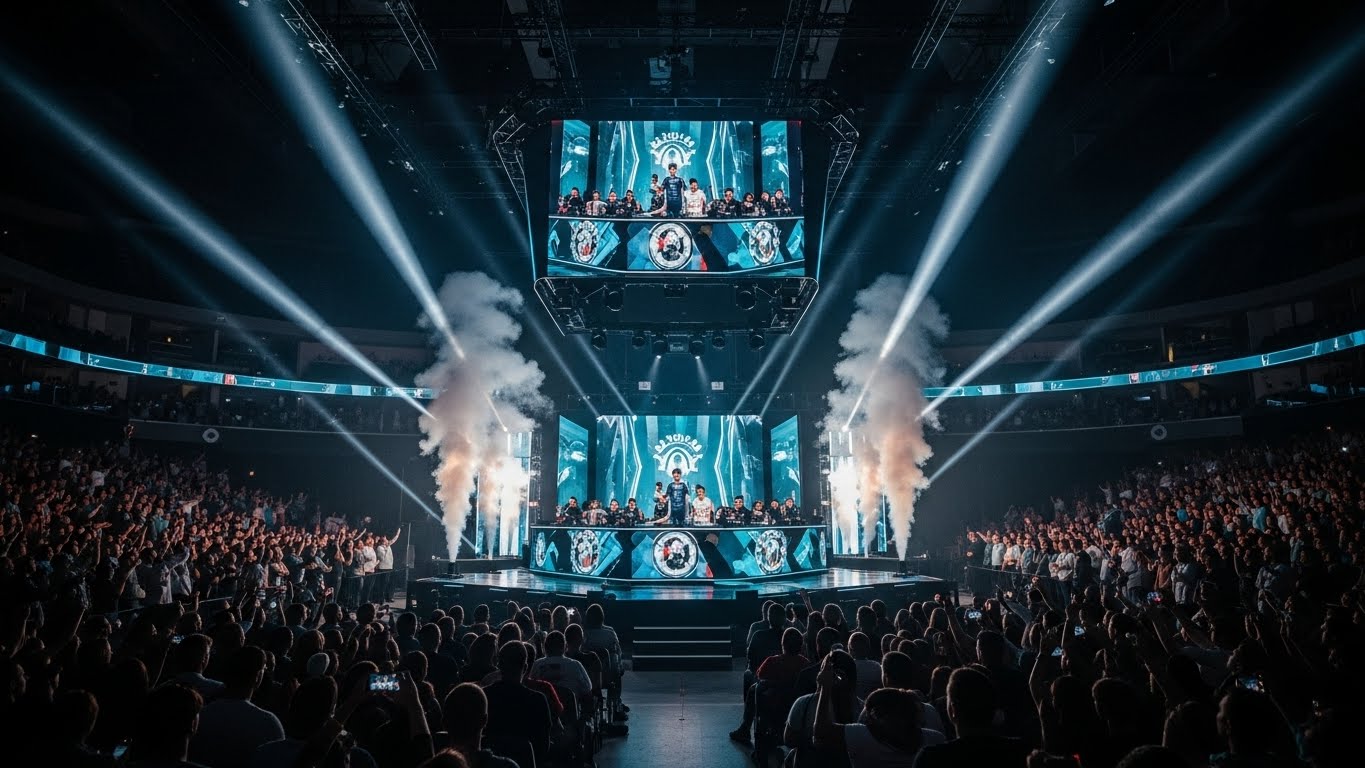
The Online-Offline Hybrid: While many esports events began as online-only affairs, they have increasingly become hybrid or fully offline events. Fans flock to arenas to witness the action in person, while millions more watch the live broadcasts from home. Esports venues, like the Staples Center in Los Angeles or the Saitama Super Arena in Japan, have hosted some of the biggest events in esports history.
Prize Pools and Sponsorships: One of the most eye-popping aspects of esports is its prize pools. The Dota 2 International, for example, consistently boasts some of the largest prize pools in esports history, sometimes exceeding $30 million. Sponsorships help inflate these prize pools, providing both players and teams with the resources to train, compete, and elevate the level of play.
The Fanbase: Esports as a Global Community
One of the defining features of esports is its global fanbase. Unlike traditional sports, where fans tend to be regionally clustered, esports attracts people from every corner of the world. Whether you’re watching a League of Legends match from North America, a Dota 2 tournament from Southeast Asia, or a CS:GO final from Europe, esports has created a truly global audience.
Cultural Significance: The appeal of esports is universal. While some games are regionally specific, the competitive nature of gaming transcends borders. Fans from different countries and cultures come together to cheer for their favorite teams and players, creating a sense of unity through shared passion.
Fan Engagement: The digital nature of esports means fans can interact with players and teams more directly than they can with traditional sports. Through social media, fan forums, and live streams, fans have a unique opportunity to engage with their favorite personalities, ask questions, and show support. This level of engagement is a powerful factor in building long-lasting fan loyalty.
Esports Arenas and Watch Parties: Esports events aren’t just about watching gameplay—they are about creating an experience. Watch parties, both online and in physical venues, allow fans to share in the excitement of major events together. Esports arenas are often packed with enthusiastic fans who cheer, chant, and create an electric atmosphere, similar to the energy found at traditional sports events.
The Future of Esports: Innovation and Expansion
The future of esports is incredibly bright, with continued growth expected across multiple fronts. From new game genres and technological advancements to the expansion of esports education and career opportunities, there’s no telling where esports will go next.
Technological Innovation: As gaming technology evolves, so will the way esports is played. Virtual reality (VR) and augmented reality (AR) have the potential to redefine how tournaments are conducted, making them even more immersive for both players and viewers. Artificial intelligence may also play a significant role in improving training and gameplay strategies.
Mainstream Recognition: The recognition of esports as a legitimate form of competition continues to grow. Some even predict that esports could become part of the Olympic Games or other large-scale international competitions. As esports becomes more integrated into mainstream culture, the industry will see new opportunities for sponsorships, media deals, and partnerships.
Esports in Education: Many universities and colleges are now offering scholarships for esports players, and esports programs are becoming more common in higher education. This creates pathways for young gamers to pursue professional careers while still getting an education.
Conclusion: Esports and the Future of Competitive Entertainment
Esports has come a long way since its early days as a niche hobby for hardcore gamers. Today, it’s a globally recognized, multi-billion-dollar industry with a diverse and passionate fanbase. Whether you’re a player, a fan, or someone looking to explore this exciting world, esports offers an opportunity to engage with one of the most dynamic and fast-growing sectors of entertainment.
As technology continues to advance and the esports ecosystem matures, there’s no doubt that the world of competitive gaming will continue to shape the future of digital entertainment for years to come. The next generation of esports stars is waiting, and the digital arena is more accessible and thrilling than ever.