Introduction: The Rise of Esports
Esports, or competitive gaming, has transformed from a casual pastime into a global entertainment powerhouse. Once perceived as a niche hobby for gamers, it now attracts millions of players, spectators, and investors worldwide. From small local tournaments to international championships broadcast to millions, esports has redefined the way people engage with video games. Its rapid growth has created professional careers, fostered global communities, and positioned gaming as a serious form of entertainment that rivals traditional sports.
The Origins of Competitive Gaming
The roots of esports trace back to the early days of arcade competitions and local gaming gatherings. Classic games such as Street Fighter, StarCraft, and Counter-Strike became the first competitive platforms, drawing players who wanted to test their skills. As internet connectivity expanded, competitions shifted online, enabling global participation. These early foundations laid the groundwork for the organized esports industry we know today, where strategy, skill, and teamwork are paramount.
Popular Esports Genres
Esports spans a variety of game genres, each offering unique challenges and appeal. Multiplayer Online Battle Arenas (MOBAs), like League of Legends and Dota 2, emphasize strategy, coordination, and real-time decision-making. First-Person Shooters (FPS) such as Counter-Strike and Call of Duty demand precision, reflexes, and tactical thinking. Battle Royale games, including Fortnite and Apex Legends, combine strategy, adaptability, and survival skills. Other genres, such as sports simulations and fighting games, continue to diversify the esports ecosystem, catering to players and fans with different interests and skill sets.
The Professionalization of Esports Players
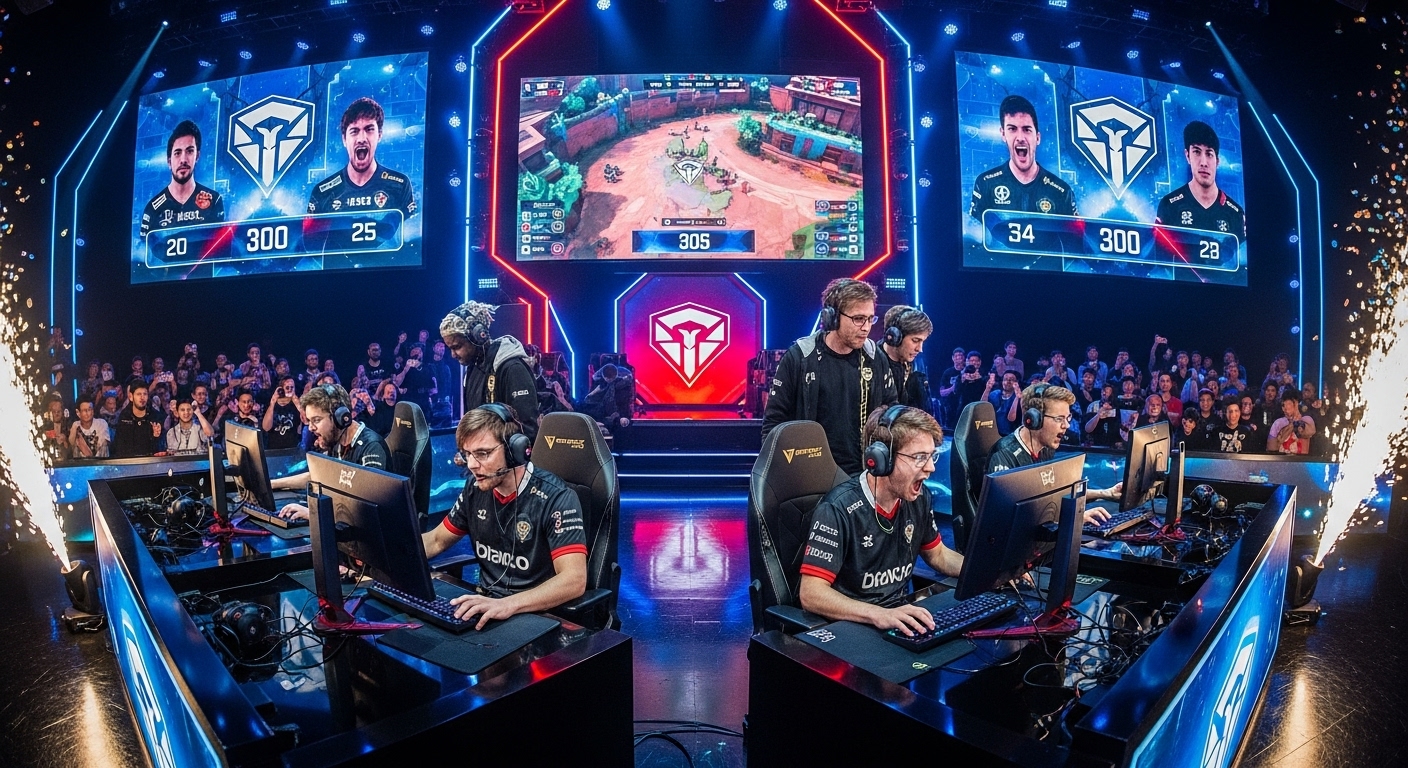
Esports has evolved into a career path for many talented players. Professional esports athletes dedicate hours of training daily, analyzing gameplay, and refining strategies. Unlike casual gaming, professional players maintain structured schedules, often with coaching, physical fitness, and mental conditioning to sustain peak performance. Top players gain sponsorships, media exposure, and salaries that rival those of traditional athletes, illustrating how esports has become a legitimate profession with financial and personal rewards.
Esports Tournaments: The New Spectacles
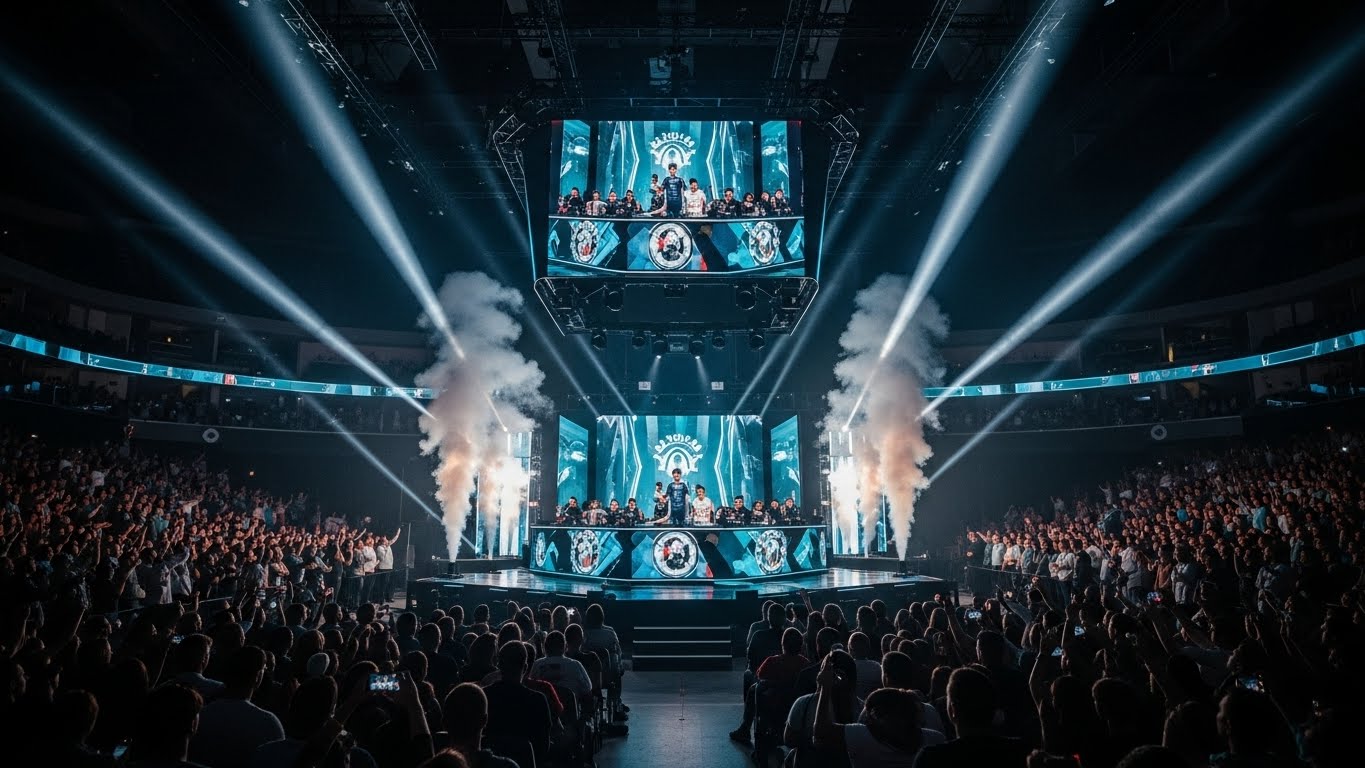
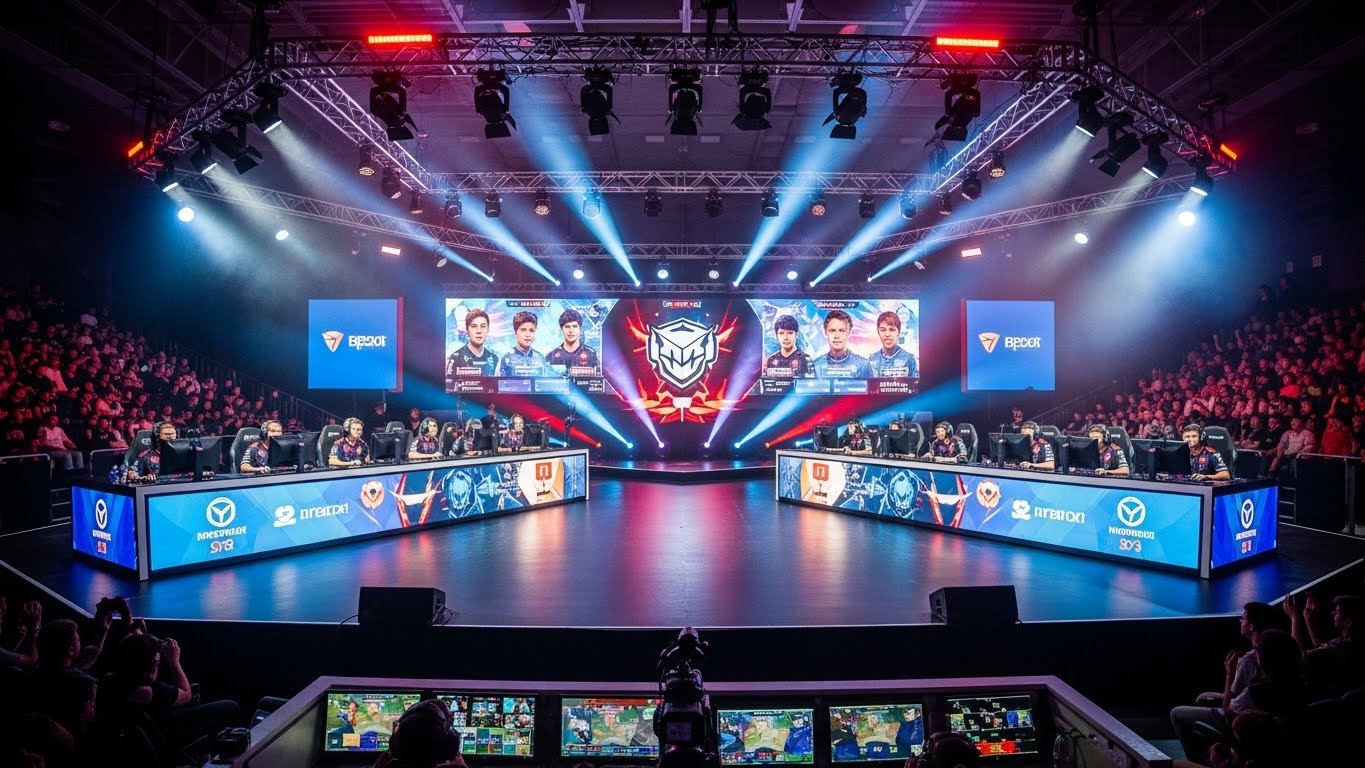
Esports tournaments have become grand events, comparable to traditional sporting championships. High-profile competitions such as The International, League of Legends World Championship, and Fortnite World Cup attract live audiences in massive arenas while streaming to millions online. These tournaments feature professional commentary, cinematic production, and fan interactions, providing a thrilling viewing experience. The combination of competition, entertainment, and community engagement makes esports tournaments a cultural phenomenon that captivates audiences globally.
The Role of Streaming in Esports
Streaming platforms have revolutionized the way esports reaches fans. Viewers can watch live matches, interact with players, and engage in discussions in real-time. Streaming enables players to build personal brands, monetize content, and develop loyal fanbases. The interactive nature of live streaming fosters community, as fans share strategies, celebrate victories, and participate in events. Platforms supporting esports have created a bridge between players and audiences, expanding the industry’s reach and influence.
The Economics of Esports
Esports has grown into a multi-billion-dollar industry. Revenue streams include tournament prize pools, sponsorship deals, merchandise, advertising, and media rights. Brands recognize esports as an effective way to engage younger demographics, investing heavily in teams, events, and content creation. Organizations operate like professional sports franchises, managing players, coaching staff, and marketing. The financial growth of esports has not only created career opportunities but also supported the development of infrastructure, technology, and global competitions.
Teams and Organizational Structures
Esports teams resemble traditional sports clubs in structure and operation. Teams recruit talent, develop training programs, and strategize for competitions. Organizations provide coaching, mental health support, and resources for skill improvement. Players represent their teams in tournaments, cultivating loyalty among fans. Team dynamics, collaboration, and effective communication are essential for success, reflecting the disciplined and professional environment that esports fosters.
Global Communities and Cultural Impact
Esports connects players and fans across the world, fostering global communities united by a shared passion. Online forums, social media groups, and live events enable fans to discuss strategies, celebrate achievements, and collaborate creatively. Esports transcends language and geographic barriers, creating an inclusive space where diversity and innovation thrive. Its cultural influence extends beyond gaming, impacting fashion, media, and entertainment, and inspiring new forms of expression and engagement.
Training, Discipline, and Mental Resilience
Competitive gaming requires more than just reflexes; it demands mental resilience, discipline, and strategic thinking. Professional players manage stress, focus under pressure, and adapt to rapidly changing game scenarios. Many incorporate physical fitness and mental exercises to maintain performance levels. The rigorous training and preparation highlight esports as a serious discipline that challenges conventional perceptions of gaming as purely recreational.
Esports in Education
Recognizing its potential, educational institutions increasingly embrace esports. Schools and universities offer esports programs, scholarships, and organized teams. Students gain skills such as teamwork, leadership, strategic planning, and digital literacy. Beyond gaming skills, these programs prepare students for careers in event management, content creation, game design, and broadcasting. Integrating esports into education validates its significance and fosters the next generation of competitive gamers and industry professionals.
Technological Innovations Driving Esports
Esports thrives at the forefront of technology. High-performance gaming hardware, streaming platforms, analytics software, and high-speed internet enhance gameplay and viewer experiences. Virtual reality and augmented reality promise immersive esports competitions, while artificial intelligence enables smarter opponents, adaptive gameplay, and advanced analytics. Technology not only powers games but also transforms audience engagement, tournament production, and the overall landscape of competitive gaming.
Addressing Common Misconceptions
Despite its success, esports faces skepticism. Critics often dismiss it as “just playing games” or question its legitimacy as a career. However, professional esports demands skill, discipline, teamwork, and strategy, akin to traditional sports. Players undergo structured training, analyze gameplay, and compete at high levels under intense pressure. Esports combines entertainment, athleticism, and cognitive challenge, proving that it is far more than casual gaming and is deserving of recognition as a legitimate industry.
The Future of Esports
The future of esports is poised for expansion and innovation. Cloud gaming and mobile esports will make high-quality experiences accessible worldwide. Virtual and augmented reality will redefine competition and immersion. Increasing investment from global brands and organizations will fuel the creation of leagues, tournaments, and content. As mainstream acceptance grows, esports will continue to blur the lines between gaming, entertainment, and professional sports, offering new opportunities for players, fans, and industry professionals alike.
Conclusion: Esports as a Cultural and Professional Force
Esports has evolved into a transformative global phenomenon that combines competition, entertainment, and community. It has created professional careers, inspired creativity, and connected players and fans worldwide. From local competitions to international championships, esports has proven that gaming is more than a pastime—it is a professional pursuit and a cultural force. As technology advances and audiences expand, esports will continue to shape entertainment, influence culture, and redefine the possibilities of competitive play.