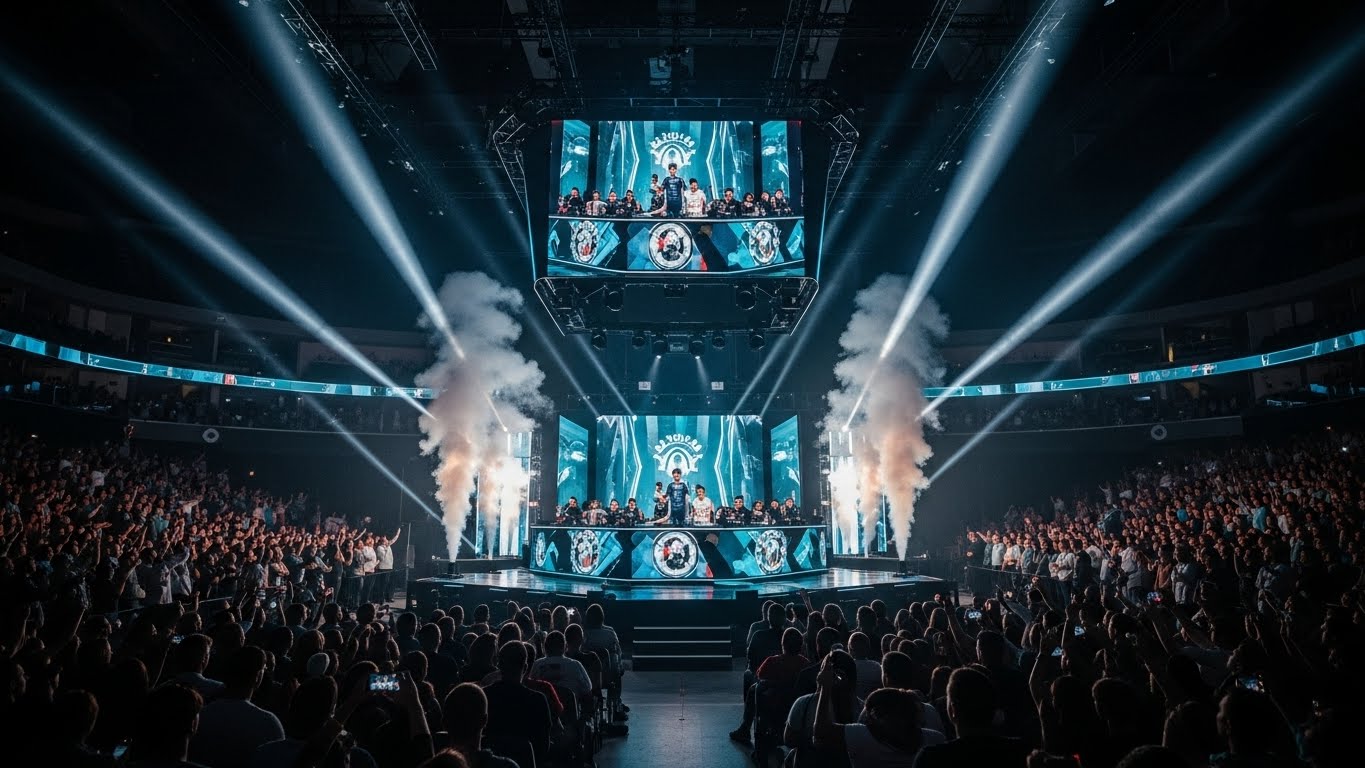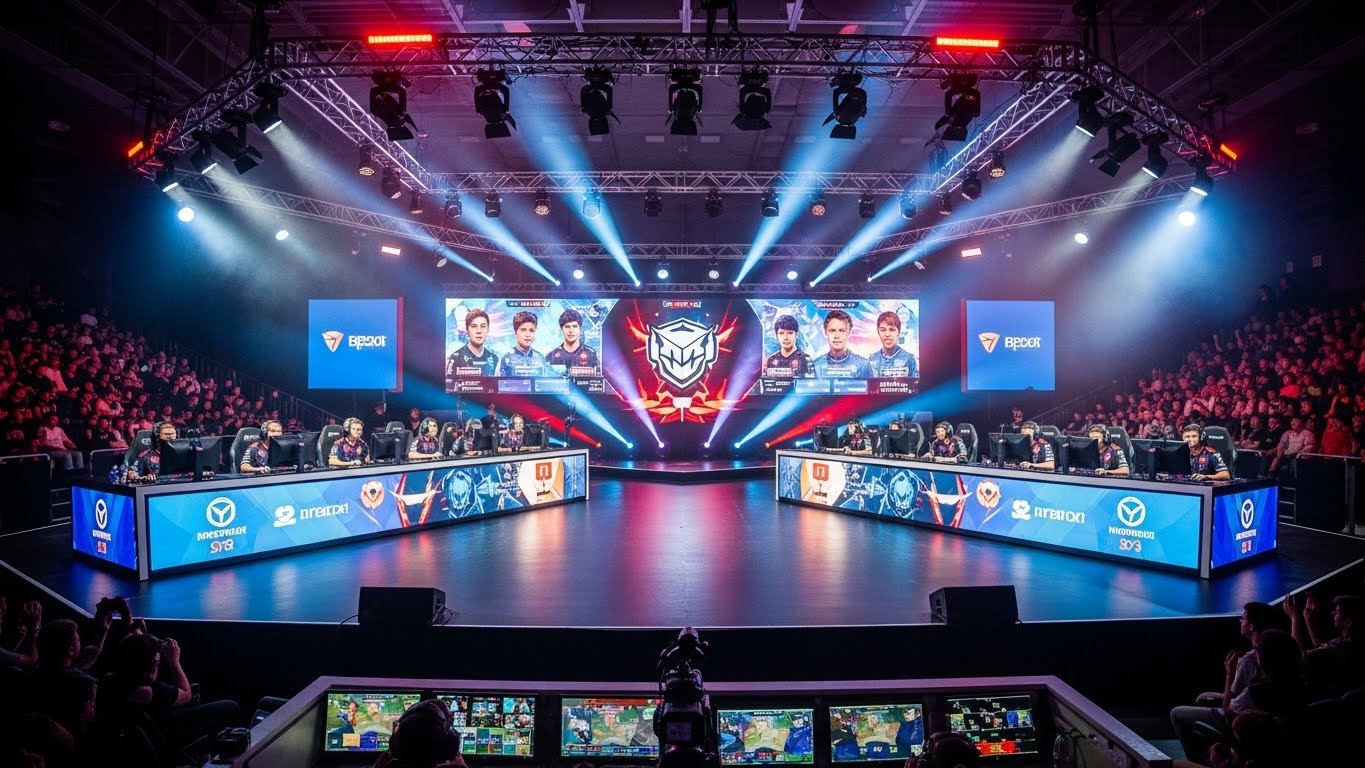
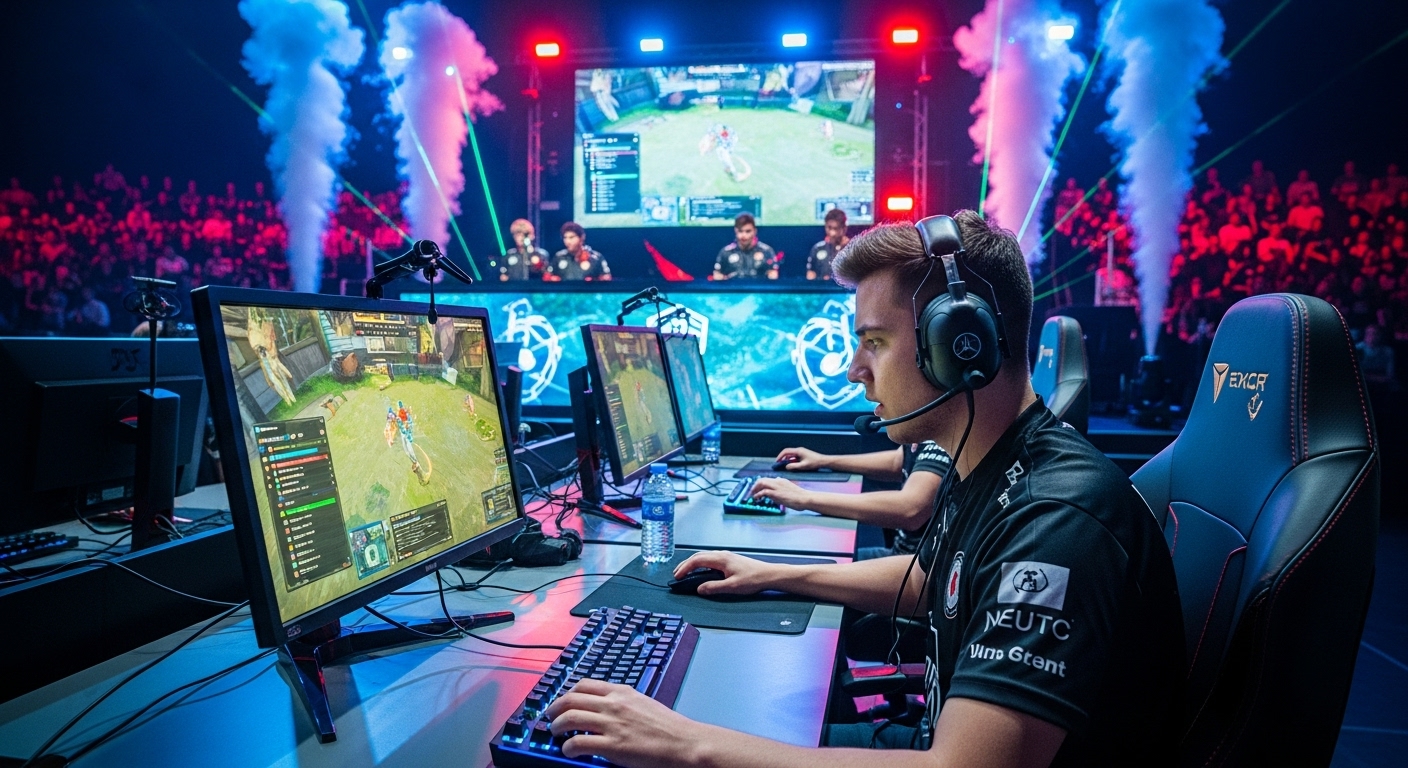
Esports, or competitive video gaming, has evolved from a niche pastime into a global phenomenon. Once considered a hobby for a select few, esports now attracts millions of players, fans, and investors worldwide. With professional leagues, multi-million-dollar tournaments, and live-streamed competitions, esports has transformed the way we view sports, entertainment, and technology. This blog explores the rise of esports, its impact on culture, the challenges it faces, and what the future holds for this rapidly growing industry.
The Early Days of Competitive Gaming
Competitive gaming traces its origins back to the late 1970s and 1980s when arcades and early video games became popular social hubs. Players competed for high scores in games such as Pong, Space Invaders, and Pac-Man. The first documented video game tournament, held at Stanford University in 1972 for Spacewar players, awarded a one-year subscription to a magazine as a prize, highlighting the community-driven nature of early gaming competitions.
With the advent of personal computers and consoles, local multiplayer competitions became common. Early online games like Doom and Quake in the 1990s allowed players to connect and compete across cities and even countries. These developments demonstrated that video games could be more than casual entertainment—they could foster strategic thinking, skill, and social interaction on a competitive scale.
The Birth of Professional Esports
The late 1990s and early 2000s marked the professionalization of esports. Titles such as StarCraft in South Korea and Counter-Strike globally gave rise to organized leagues and professional teams. Players began receiving salaries, and tournaments started offering cash prizes substantial enough to support full-time careers.
South Korea became the epicenter of professional esports, with StarCraft players achieving celebrity status. Television networks broadcasted matches, sponsors invested in teams, and professional training facilities were established. This era laid the foundation for esports as a serious industry and highlighted the potential for gaming to rival traditional sports in terms of viewership and fan engagement.
Popular Esports Genres
Esports spans a variety of genres, each with unique competitive mechanics and fan communities. Multiplayer Online Battle Arena (MOBA) games, such as League of Legends and Dota 2, emphasize teamwork, strategy, and fast decision-making. First-Person Shooter (FPS) games like Counter-Strike: Global Offensive and Valorant test reflexes, accuracy, and coordination under high-pressure scenarios.
Battle Royale games, including Fortnite and PUBG, require adaptability and strategic survival skills. Fighting games such as Street Fighter and Tekken focus on one-on-one skill mastery, while sports simulations like FIFA and NBA 2K replicate real-world sports competition digitally. The diversity of games ensures that esports can appeal to a broad audience with varying interests and skills.
The Growth of the Global Esports Industry
The esports industry has experienced exponential growth, with revenues surpassing billions of dollars annually. Professional teams operate like traditional sports franchises, with salaries, sponsorships, merchandising, and branded content. Major tournaments, such as The International for Dota 2 or the League of Legends World Championship, draw massive live audiences and millions of online viewers worldwide.
Asia, particularly South Korea and China, remains a central hub for esports development, with government support, professional leagues, and cultural acceptance of gaming as a legitimate career. North America and Europe have also embraced esports, hosting large-scale tournaments and integrating competitive gaming into schools and universities. The global reach of esports illustrates its universal appeal and growing cultural significance.
The Role of Streaming Platforms
Streaming platforms have been instrumental in the rise of esports. Services such as Twitch, YouTube Gaming, and other live-streaming platforms allow fans to watch tournaments in real-time, interact with players, and build online communities. Streamed content has become a primary way for audiences to engage with esports, creating a highly interactive and immersive experience.
Individual streamers have also gained fame and financial independence through content creation. Viewers can subscribe, donate, and participate in live chat, creating a unique connection between players and fans. Streaming has not only expanded the reach of esports but also introduced new opportunities for revenue generation within the industry.
Esports as a Cultural Phenomenon
Esports has grown into a cultural force, influencing fashion, media, and social trends. Gaming personalities are now celebrities with massive fan followings, shaping lifestyle choices and online communities. Esports tournaments attract not just players but content creators, cosplayers, and fans, creating a vibrant ecosystem around the games.
Esports also challenges traditional notions of sports. Success in esports relies on strategy, coordination, reflexes, and mental acuity, proving that athleticism is not confined to physical prowess. This shift is helping to legitimize gaming as a professional endeavor and a form of entertainment comparable to traditional sports.
Education and Esports
Many educational institutions have recognized esports as a platform for learning and skill development. Colleges and universities now offer esports scholarships, competitive teams, and academic programs focused on game design, event management, and esports strategy. Participating in esports teaches students teamwork, communication, strategic planning, and problem-solving skills.
Esports programs also foster inclusivity, allowing students who may not participate in traditional sports to engage in competitive activities. Integrating esports into education provides new career pathways and encourages students to explore technology, creativity, and leadership in ways traditional programs may not.
Health and Wellbeing in Esports
While esports offers numerous opportunities, it also presents unique health challenges. Extended gaming sessions, high-pressure competition, and online interactions can contribute to physical and mental strain. Common issues include eye fatigue, repetitive strain injuries, sleep disruption, stress, and anxiety.
To address these challenges, professional teams and organizations now emphasize holistic wellness. Fitness programs, ergonomic setups, mental health support, and structured training schedules help players maintain peak performance while safeguarding their health. Recognizing the importance of wellbeing is crucial to ensuring sustainable careers in esports.
Technological Innovations Driving Esports
Esports thrives at the intersection of gaming and technology. Advancements in graphics, networking, and computing power have enhanced gameplay quality and accessibility. Emerging technologies such as virtual reality (VR) and augmented reality (AR) are beginning to redefine competitive experiences, creating immersive arenas that enhance viewer engagement.
Data analytics and artificial intelligence are used to analyze player performance, optimize strategies, and improve coaching methods. Broadcasts now feature enhanced visuals, real-time statistics, and immersive commentary, making esports more engaging for audiences. Technology continues to drive the evolution of esports, shaping both gameplay and spectator experience.
The Business of Esports
Esports has become a multi-billion-dollar industry with a complex ecosystem. Teams, players, tournament organizers, sponsors, streaming platforms, and advertisers all contribute to its growth. Sponsorships and endorsements are major revenue sources, with brands leveraging esports to connect with a young and highly engaged audience. Merchandise, ticket sales, and media rights further fuel industry expansion.
The business of esports extends beyond gaming itself. Event management, content creation, analytics, and coaching services create jobs and investment opportunities, demonstrating that esports is a thriving economic sector with diverse revenue streams.
Challenges Facing Esports
Despite its growth, esports faces several challenges. The intense pressure on players can impact mental health, and the rapid pace of technological change requires constant adaptation. Issues such as cheating, online toxicity, and content moderation also pose risks to the community. Additionally, the professionalization of esports raises questions about fair compensation, labor rights, and career longevity.
Addressing these challenges requires collaboration between stakeholders—players, teams, organizers, educators, and regulators. Establishing ethical standards, wellness programs, and clear career pathways is essential for ensuring sustainable growth in the industry.
The Future of Esports
The future of esports is full of possibilities. Advancements in technology, including 5G networks, cloud gaming, and immersive VR experiences, will make esports more accessible and interactive than ever before. Cross-platform competitions, global tournaments, and integration with mainstream sports could expand audiences and further legitimize esports as a professional pursuit.
As esports continues to grow, it may also serve as a platform for social engagement, education, and cultural exchange. The combination of skill, strategy, and entertainment ensures that esports will remain relevant, dynamic, and influential in the digital era.
Conclusion: Esports as a Modern Cultural Force
Esports has evolved from arcade competitions to a global industry that entertains, educates, and inspires millions. It represents a new form of competition where strategy, skill, and teamwork define success. With professional leagues, massive audiences, and technological innovation driving growth, esports has cemented its place in modern culture.
As the industry continues to mature, it offers opportunities for players, educators, entrepreneurs, and fans alike. Esports demonstrates the potential of gaming to transform entertainment, challenge traditional norms, and create communities united by shared passion. Competitive gaming is no longer just a pastime—it is a reflection of human ingenuity, ambition, and connection in the digital age.