Introduction: The New Age of Competition
Esports, short for electronic sports, has evolved from a casual pastime into a global competitive industry. Unlike traditional sports, esports revolves around video games, skill, and strategy rather than physical prowess. What began as small gatherings of gaming enthusiasts has transformed into a worldwide cultural and economic phenomenon. Millions of fans watch tournaments, players earn substantial incomes, and professional teams operate much like traditional sports franchises. This rise of esports reflects not only technological advancement but also a shift in entertainment, community, and professional opportunities in the digital age.
The Origins and Rise of Esports
The roots of esports can be traced back to the late 1970s and early 1980s when arcade game tournaments started gaining popularity. Players competed in classics like Space Invaders and Pac-Man, drawing crowds eager to see who could achieve the highest score. Though small in scale, these events showcased the competitive spirit that would define esports.
The late 1990s and early 2000s marked a turning point with the emergence of multiplayer PC games such as StarCraft, Counter-Strike, and Warcraft III. The internet enabled players to connect and compete across borders, creating the first global esports communities. Professional tournaments began forming, often hosted by universities, gaming companies, or online platforms.
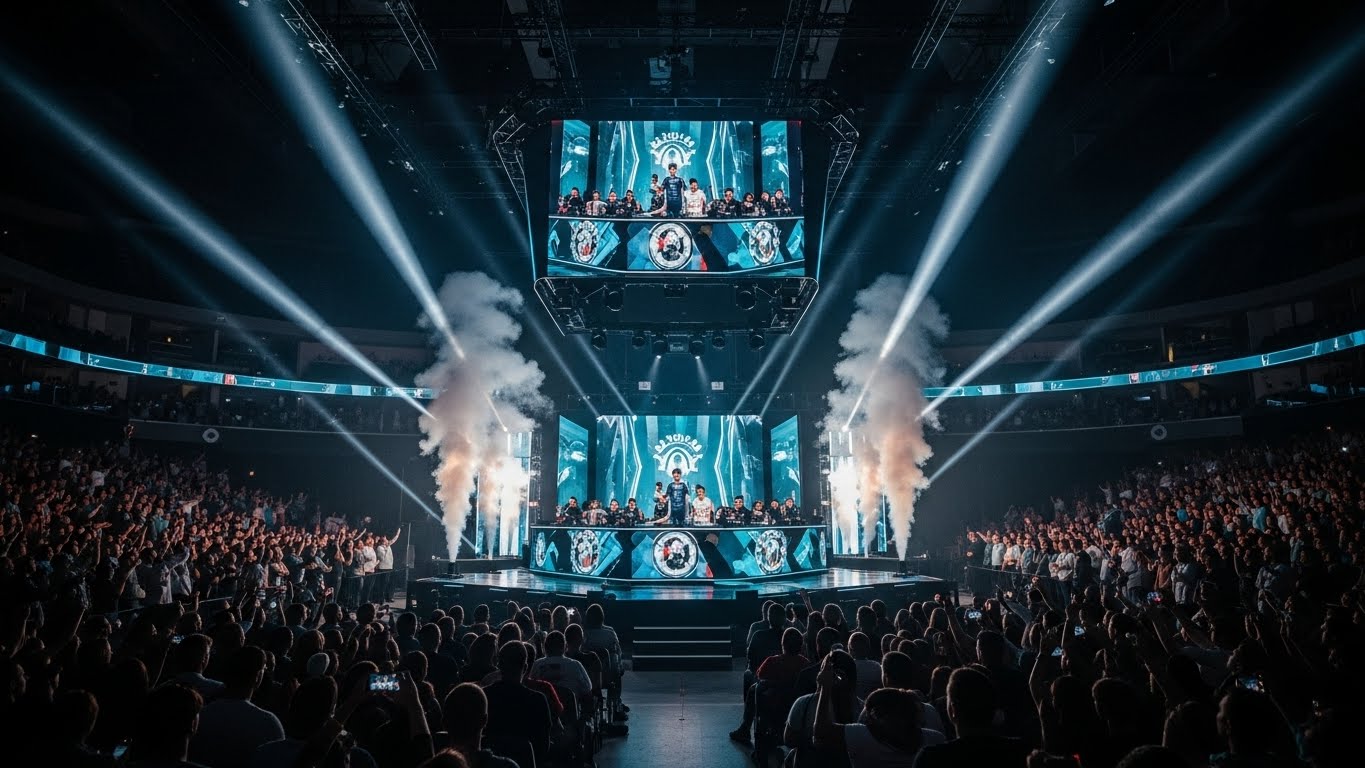
With the advent of streaming platforms like Twitch and YouTube Gaming, esports exploded in popularity. Fans could watch matches live, interact with players, and participate in the community. Today, esports commands millions of viewers globally, with tournaments held in massive arenas and online simultaneously, showcasing its mainstream appeal.
Popular Game Genres in Esports
Esports is diverse, spanning multiple game genres, each with its own strategies, fanbase, and competitive scene.
Multiplayer Online Battle Arenas (MOBA):
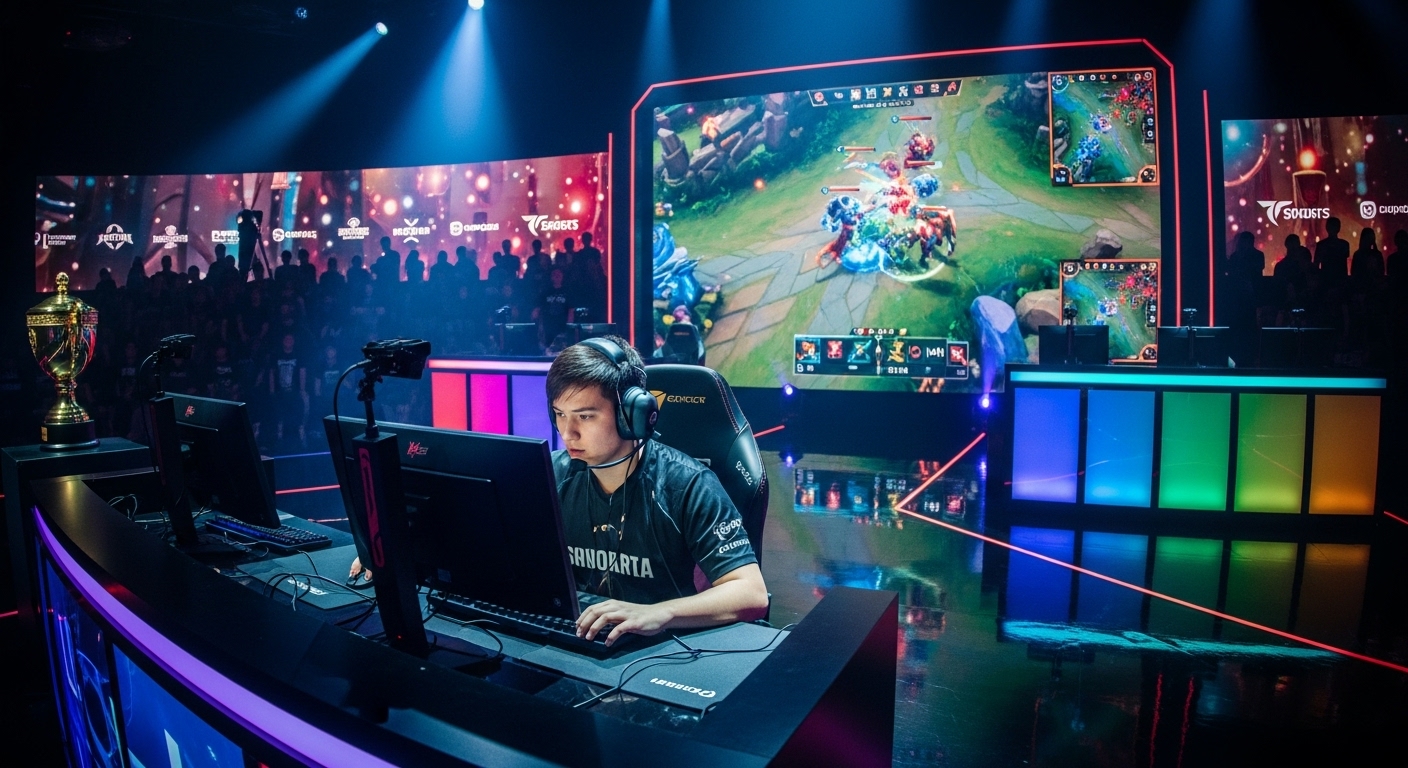
Games such as League of Legends and Dota 2 dominate this genre. MOBA games require strategic teamwork, fast reflexes, and careful planning. Players control unique characters with distinct abilities and collaborate to destroy the opponent’s base. Tournaments in this genre attract millions of viewers and feature prize pools reaching millions of dollars, highlighting the global appeal of MOBA esports.
First-Person Shooters (FPS):
FPS games, including Counter-Strike: Global Offensive, Valorant, and Call of Duty, are staples of esports. These games test accuracy, reaction time, and tactical thinking. Professional FPS competitions often include regional and international tournaments where teams compete for recognition, rankings, and substantial financial rewards.
Battle Royale Games:
Battle royale games like Fortnite and PUBG combine survival mechanics with large-scale competition. Players or teams compete to be the last one standing. These games emphasize strategy, adaptability, and quick decision-making. The excitement of unpredictability and large-scale multiplayer competition has made battle royale esports a fan favorite.
Sports Simulations and Fighting Games:
FIFA, NBA 2K, and Street Fighter offer esports experiences that mirror traditional sports and one-on-one competition. These games require mastery of controls, strategies, and tactical thinking. Fighting games in particular celebrate individual skill, timing, and reflexes, making them popular in both professional and casual esports circuits.
Real-Time Strategy (RTS) and Card Games:
Games like StarCraft II and Hearthstone appeal to players who prioritize strategy, planning, and resource management. RTS and card game competitions test analytical thinking and adaptability. Though less visually flashy than MOBAs or battle royale games, these genres maintain a dedicated competitive scene.
The Professional Esports Ecosystem
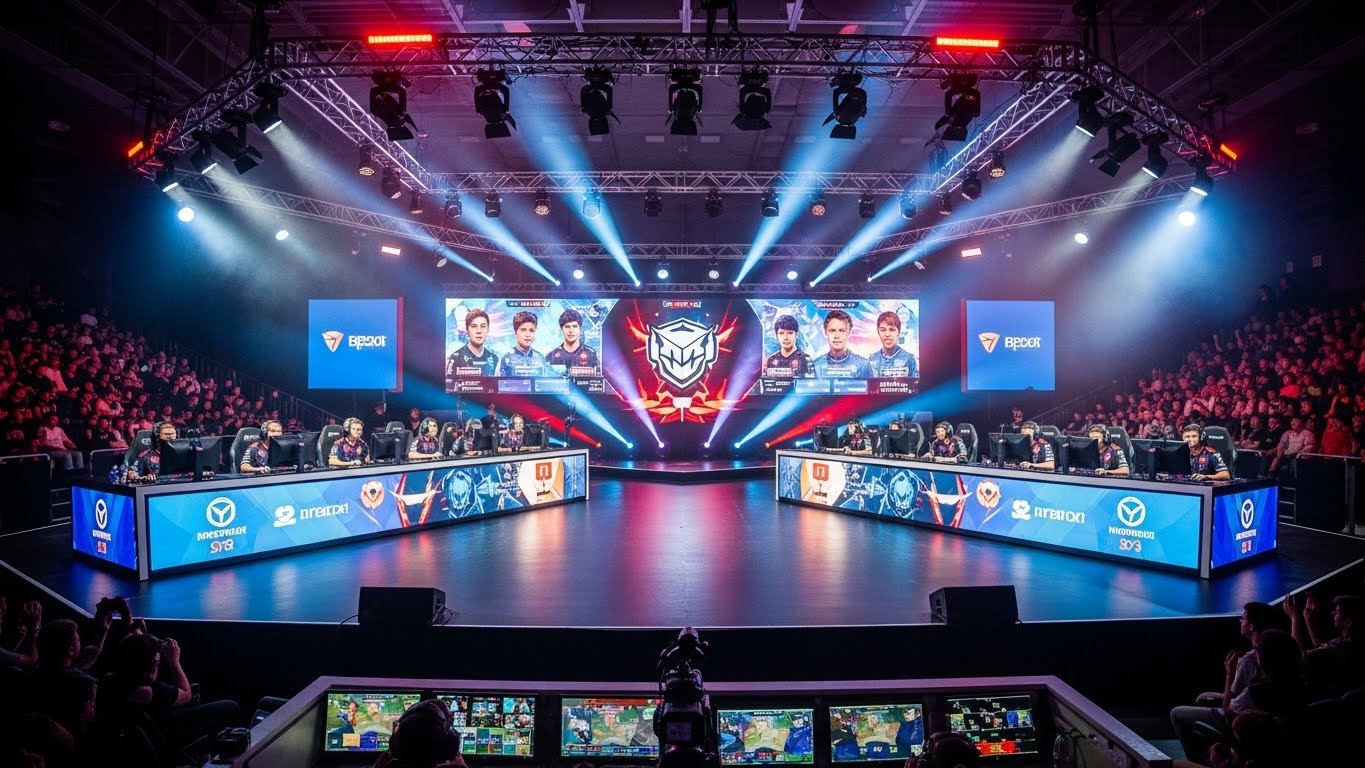
Professional esports operates much like traditional sports. Teams consist of players, coaches, analysts, and managers. Training is rigorous, often spanning several hours per day, focusing on strategy, coordination, communication, and mental stamina.
Tournaments occur at multiple levels: local, regional, and global. Top-tier competitions attract massive audiences, both in arenas and online. Prize pools are substantial, often reaching millions of dollars, reflecting the industry’s financial growth. Sponsorships from technology companies, energy drinks, apparel brands, and more add additional revenue streams.
Esports organizations have become professional franchises. Players sign contracts, receive salaries, and benefit from dedicated training facilities. Health and wellness programs are implemented to combat physical strain, stress, and burnout, showing the industry’s commitment to longevity and player development.
Streaming and Media Influence
Streaming platforms have been instrumental in esports’ rise. Unlike traditional sports, esports thrives on online viewership. Fans can watch matches live, participate in chat discussions, and access highlights instantly. Platforms like Twitch and YouTube Gaming allow audiences to engage with their favorite players in real time, creating a sense of community and immediacy.
Streaming also provides opportunities for emerging players. Aspiring gamers can showcase their skills, build a following, and attract professional opportunities. Commentators, or casters, add entertainment value through play-by-play analysis, storytelling, and humor. Social media amplifies engagement, with highlights, memes, and event recaps spreading rapidly among fans.
Career Opportunities in Esports
Esports is no longer just about playing games. It offers a broad spectrum of career paths. Professional players earn income from tournament winnings, sponsorships, and streaming. Other roles include coaches, analysts, event organizers, content creators, social media managers, and marketing professionals.
Universities worldwide have begun offering esports scholarships and degree programs in gaming, digital marketing, and management. Countries like South Korea, China, and the United States recognize esports as a legitimate career path, further solidifying its presence in mainstream society. Esports professionals are now considered athletes, with contracts, structured training, and career guidance.
Global and Cultural Impact
Esports has become a worldwide cultural phenomenon. International tournaments bring together players and fans from diverse backgrounds, transcending national boundaries.
In South Korea, esports players are celebrities, appearing on television and endorsing major brands. In China and the United States, governments and private investors have developed esports infrastructure, including arenas, training centers, and regional leagues.
Esports has also bridged generational gaps. Parents who once discouraged gaming now attend events and support their children’s gaming careers. This shared enthusiasm highlights how esports fosters connections, teamwork, and community.
Challenges in the Esports Industry
Despite rapid growth, esports faces significant challenges. Player burnout is a serious issue, as prolonged gaming sessions can lead to mental and physical strain. Organizations are responding with structured schedules, rest periods, and wellness programs.
Maintaining fair competition is another concern. Cheating, match-fixing, and hacking threaten esports integrity. Anti-cheat systems, regulatory bodies, and strict penalties help address these challenges.
Gender diversity remains limited, as the esports community is still largely male-dominated. Initiatives to promote inclusivity and encourage participation from women and other underrepresented groups are gaining momentum.
Commercialization also poses a challenge. With increasing sponsorship and revenue, balancing business interests with community values is essential to maintain authenticity and fan loyalty.
The Future of Esports
The future of esports is promising and full of potential. Emerging technologies such as virtual reality, augmented reality, and artificial intelligence will transform gameplay and viewing experiences. Virtual arenas and immersive spectator options will redefine fan engagement.
Educational institutions are likely to play a larger role, integrating esports into curriculums, scholarship programs, and extracurricular activities. Governments may recognize esports as an official sport, opening possibilities for inclusion in international sporting events.
Advancements in cloud gaming and internet infrastructure will make esports accessible to players worldwide, allowing talent from all regions to compete on a global stage. Esports will continue to evolve as a platform for entertainment, competition, and innovation.
Conclusion: Esports as a Defining Force
Esports has transformed the landscape of entertainment and competition. From humble beginnings in arcade halls to global stadiums, it has become a multi-billion-dollar industry that celebrates skill, strategy, and community. Esports connects people across cultures, inspires innovation, and provides meaningful career paths in the digital age.
As technology advances and society embraces digital competition, esports will remain a defining force in entertainment. It represents the evolution of sports, culture, and social connection in a rapidly changing world. What started as a hobby has become a global movement, proving that competitive spirit and passion can thrive in the digital realm.