Introduction: The Emergence of Esports
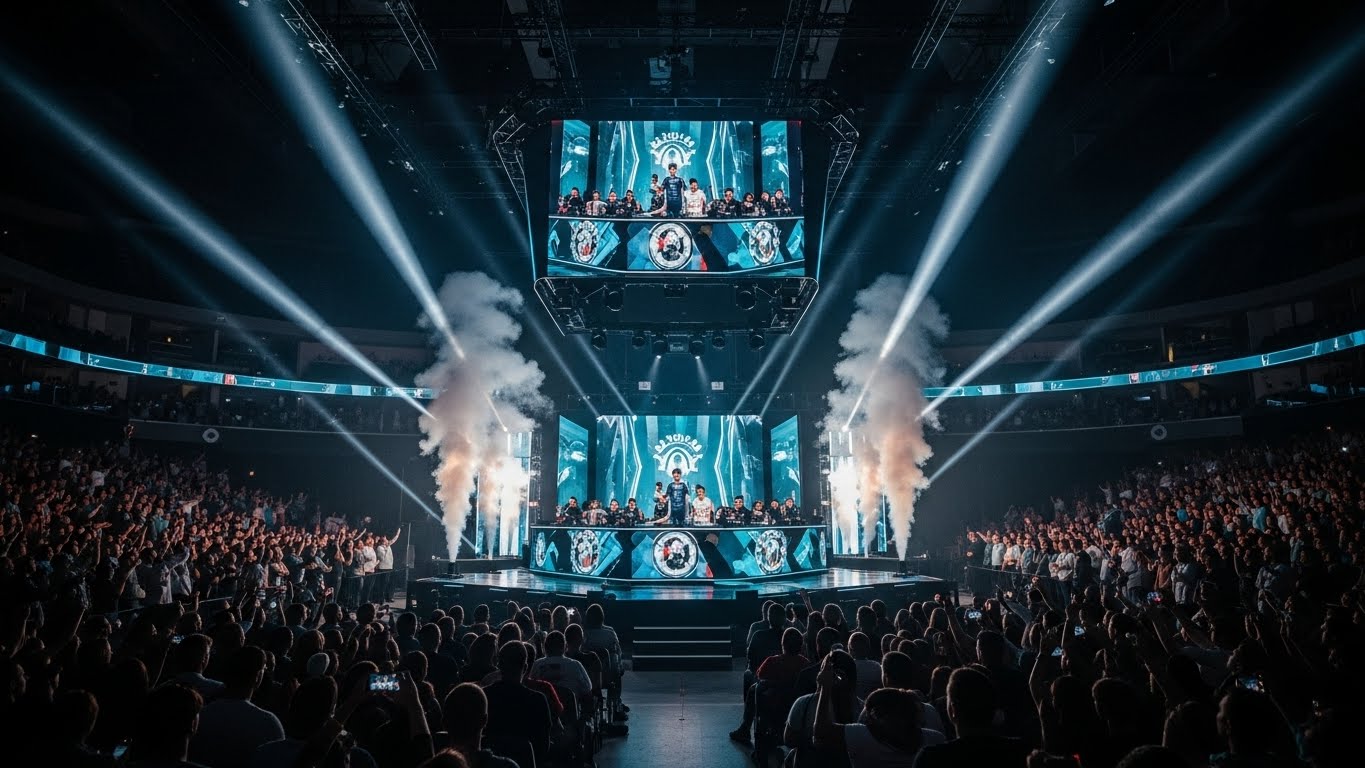
In the last two decades, esports has evolved from a niche hobby into a global cultural and economic phenomenon. No longer limited to casual gamers in bedrooms, competitive gaming now commands stadiums, sponsorship deals, and worldwide audiences rivaling traditional sports. Esports represents a unique blend of skill, strategy, teamwork, and entertainment in the digital era. This blog explores how esports is reshaping competition, fostering communities, creating career opportunities, and influencing culture around the world.
The Origins and Growth of Esports
The roots of esports can be traced back to the late 1970s, when arcade competitions and early home consoles allowed players to compete for high scores. Titles like Pong, Space Invaders, and Pac-Man offered the first glimpses of competitive gaming.
By the 1990s, personal computers and online connectivity transformed gaming into multiplayer experiences. Games like StarCraft, Quake, and Counter-Strike demanded skill, strategy, and teamwork, laying the foundation for organized competitions. The 2000s marked a turning point, with professional leagues, structured tournaments, and global broadcasts emerging. Today, games like League of Legends, Dota 2, Fortnite, and Call of Duty dominate international esports competitions, attracting millions of fans and offering substantial prize pools. The evolution of esports reflects technological advancement, creative innovation, and the growing appeal of digital competition.
Esports as a Career Path
Esports has become a legitimate professional career. Top players train for hours each day, honing mechanical skills, strategy, and communication. Competitive gamers can earn salaries, sponsorships, streaming revenue, and prize money comparable to traditional athletes.
Beyond the players, esports offers careers for coaches, analysts, commentators, event organizers, and content creators. The ecosystem surrounding competitive gaming mirrors traditional sports industries, with multiple roles contributing to its growth. For young gamers, esports presents a pathway to turn passion into profession, merging skill, entertainment, and business opportunities.
Cognitive and Mental Benefits
High-level esports requires more than reflexes; it demands intelligence, strategic planning, and critical thinking. Players must anticipate opponents’ moves, adapt tactics instantly, and execute precise actions under pressure. This improves decision-making, multitasking, and cognitive flexibility.
Esports also fosters resilience. Players learn to manage failure, cope with pressure, and stay motivated despite setbacks. Mental toughness, patience, and focus developed through gaming often translate into academic, professional, and personal success. Far from being purely recreational, esports strengthens problem-solving and strategic reasoning skills.
Physical Health in Competitive Gaming
While esports may appear sedentary, physical health is increasingly recognized as vital for competitive success. Professional teams integrate fitness routines, stretching, and eye-care exercises into training schedules. Good physical conditioning enhances reaction time, endurance, and mental clarity during long competitions.
Ergonomic practices and posture management prevent repetitive strain injuries and long-term health issues. Nutrition, hydration, and rest are also essential for peak performance. By prioritizing health alongside gaming, professional esports athletes ensure sustainable careers and high levels of performance.
Teamwork and Communication Skills
Many esports titles are team-based, requiring effective coordination and communication. Success relies on understanding roles, sharing strategies, and supporting teammates under pressure. Team-based esports fosters leadership, cooperation, and trust, developing skills that are transferable to workplaces and social environments.
Even individual esports games often involve support teams, including coaches, analysts, and strategists. This collaborative environment teaches players accountability, constructive feedback, and the value of collective effort. Esports provides a unique arena where digital collaboration develops real-world social and professional competencies.
Community Building in Esports
One of esports’ most powerful aspects is its ability to create communities. Online forums, streaming platforms, and social media allow fans and players to interact, share knowledge, and celebrate achievements. These digital communities transcend geography, language, and cultural differences.
Local gaming clubs, university esports teams, and online leagues provide social connections and mentorship opportunities. For many players and fans, esports creates a sense of belonging, identity, and shared purpose. The communal aspect of esports demonstrates how digital competition can foster meaningful social bonds.
Entertainment and Cultural Impact
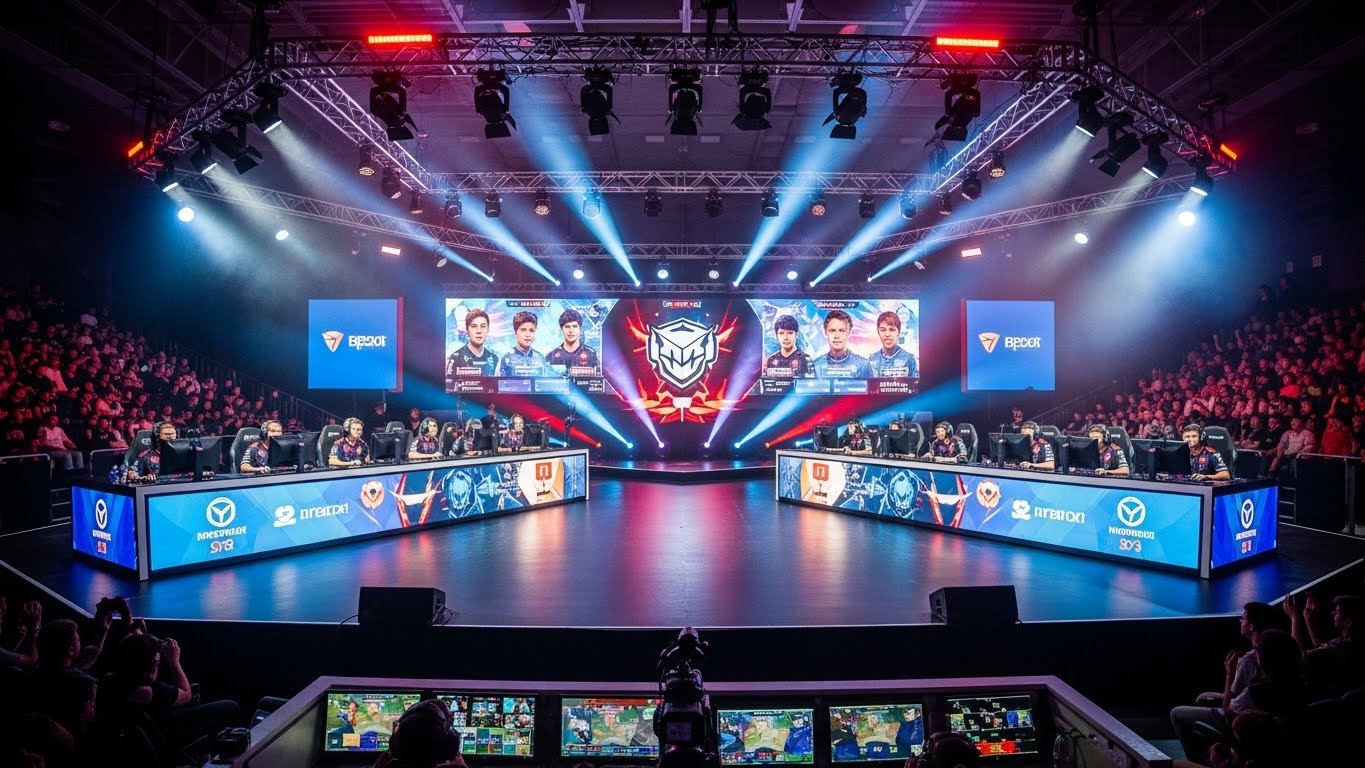
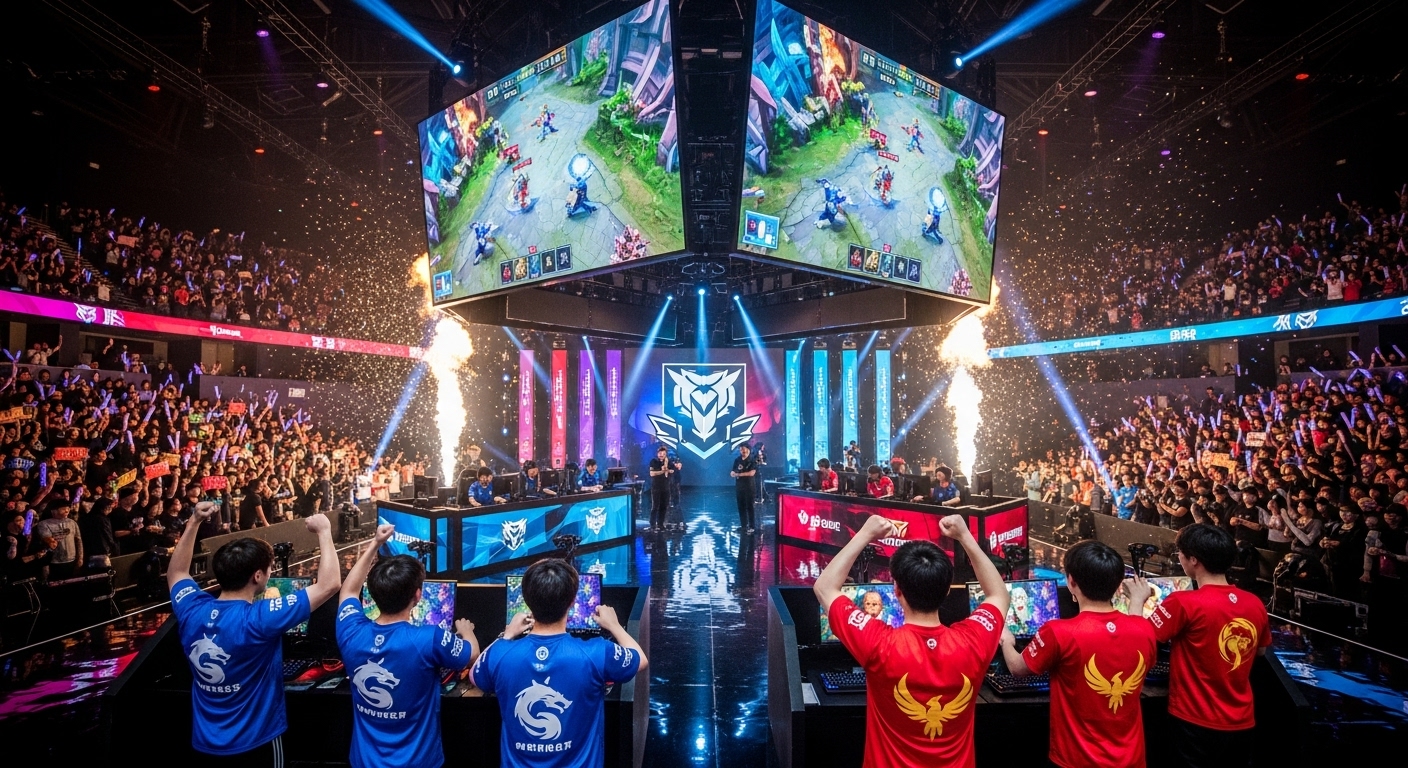
Esports is a major entertainment medium. International tournaments feature live commentary, professional analysis, and high-quality production, offering excitement comparable to traditional sports. Fans experience intense engagement, from cheering for favorite teams to participating in live discussions during streams.
The cultural impact of esports is growing. Gaming has inspired music, fashion, merchandise, and digital content creation. Esports stars are celebrities, influencing global pop culture, youth trends, and media consumption. Through its entertainment value, esports has become both a social phenomenon and a cultural force.
Economic Influence of Esports
Esports has emerged as a significant economic driver. Revenue streams include sponsorships, advertising, ticket sales, merchandise, and media rights. Major corporations invest in teams, leagues, and tournaments to reach engaged audiences.
Local economies benefit as well. Hosting tournaments generates income for hotels, restaurants, and transportation services. The esports industry also creates jobs in marketing, production, coaching, technology, and content creation. This economic footprint highlights esports’ importance beyond entertainment, positioning it as a major contributor to global commerce.
Technology and Innovation in Esports
Technology is central to esports’ growth. High-performance computers, gaming peripherals, and high-speed internet connections enable competitive gameplay. Data analytics, AI-driven coaching, and performance tracking enhance player training and strategy development.
Broadcasting technology has transformed viewership. Interactive streaming, multiple camera angles, real-time statistics, and professional commentary create an immersive experience. Innovations like virtual reality and augmented reality are poised to redefine esports, blending gaming, entertainment, and audience participation in new ways.
Esports in Education
Educational institutions are increasingly embracing esports. Schools and universities offer esports programs, scholarships, and competitive opportunities. Students develop teamwork, leadership, strategic thinking, and digital literacy skills while participating in organized competitions.
Esports education also exposes students to careers in technology, game design, content creation, and event management. Integrating esports into education demonstrates its potential as a tool for learning, skill development, and professional preparation, bridging recreation and real-world opportunities.
Inclusivity and Diversity in Esports
Esports offers broad accessibility. Unlike many traditional sports, physical attributes are less critical, making competitive gaming open to diverse participants. Programs for women, adaptive esports for people with disabilities, and international competitions promote inclusivity and equal opportunity.
Women’s esports is gaining prominence, challenging historical gender biases and inspiring future generations. Global accessibility ensures that esports celebrates diversity while creating equitable spaces for talent to thrive.
Global Reach of Esports
Esports is truly global. Professional players, teams, and audiences span every continent. International tournaments unite millions of fans, forming shared digital cultural experiences. Players and fans connect across borders, creating communities centered around shared passion and competition.
The global reach of esports also fosters cross-cultural exchange. Players learn teamwork and respect from international peers, while fans engage with different gaming traditions. Esports has become a universal language that unites people worldwide through shared enthusiasm and digital interaction.
Challenges Facing Esports
Despite its growth, esports faces challenges. Player burnout, mental fatigue, and repetitive strain injuries are common concerns. Maintaining balance between gaming, physical health, and personal life is critical for long-term sustainability.
The industry also faces issues with fairness, ethics, harassment, and regulation. Standardizing professional contracts, league rules, and player welfare policies is essential. Addressing these challenges ensures esports continues to thrive responsibly while protecting participants and audiences alike.
The Future of Esports
The future of esports is dynamic and promising. Emerging technologies, such as virtual reality, augmented reality, and AI-based analytics, will redefine both competition and audience engagement. Esports will continue to expand in education, career opportunities, and entertainment.
As the industry matures, priorities such as inclusivity, mental health, and ethical governance will strengthen its foundation. Esports is not just a passing trend—it is a lasting cultural shift, redefining how people compete, engage, and connect digitally.
Conclusion: Why Esports Matters
Esports is far more than playing video games. It is a cultural, economic, and social phenomenon that develops skills, builds communities, and provides career opportunities. It entertains millions, bridges geographic and cultural divides, and inspires creativity, innovation, and collaboration.
Whether as a player, coach, fan, or content creator, esports offers pathways for achievement, growth, and connection. By combining technology, strategy, and human skill, esports has redefined the concept of competition for the digital age. In the modern world, esports is not just recreation—it is a transformative force shaping culture, education, and society on a global scale.