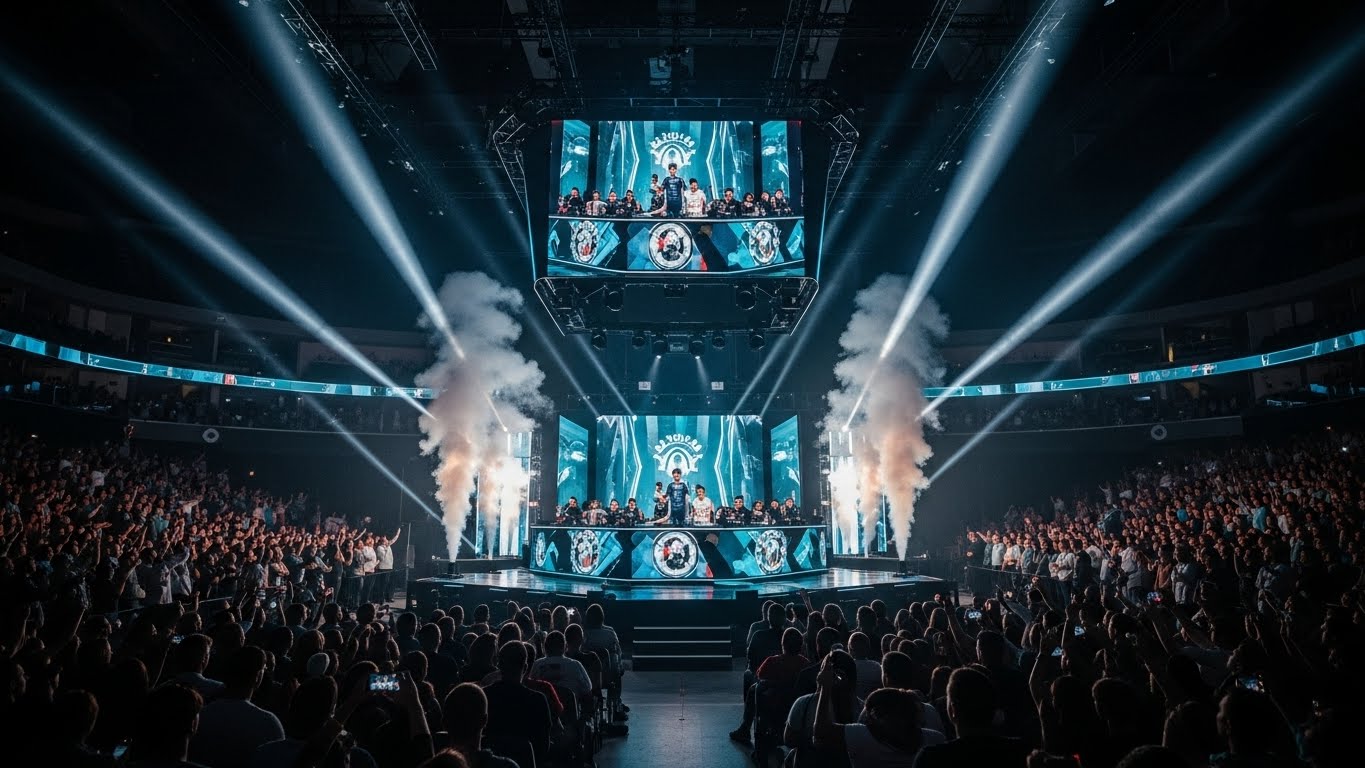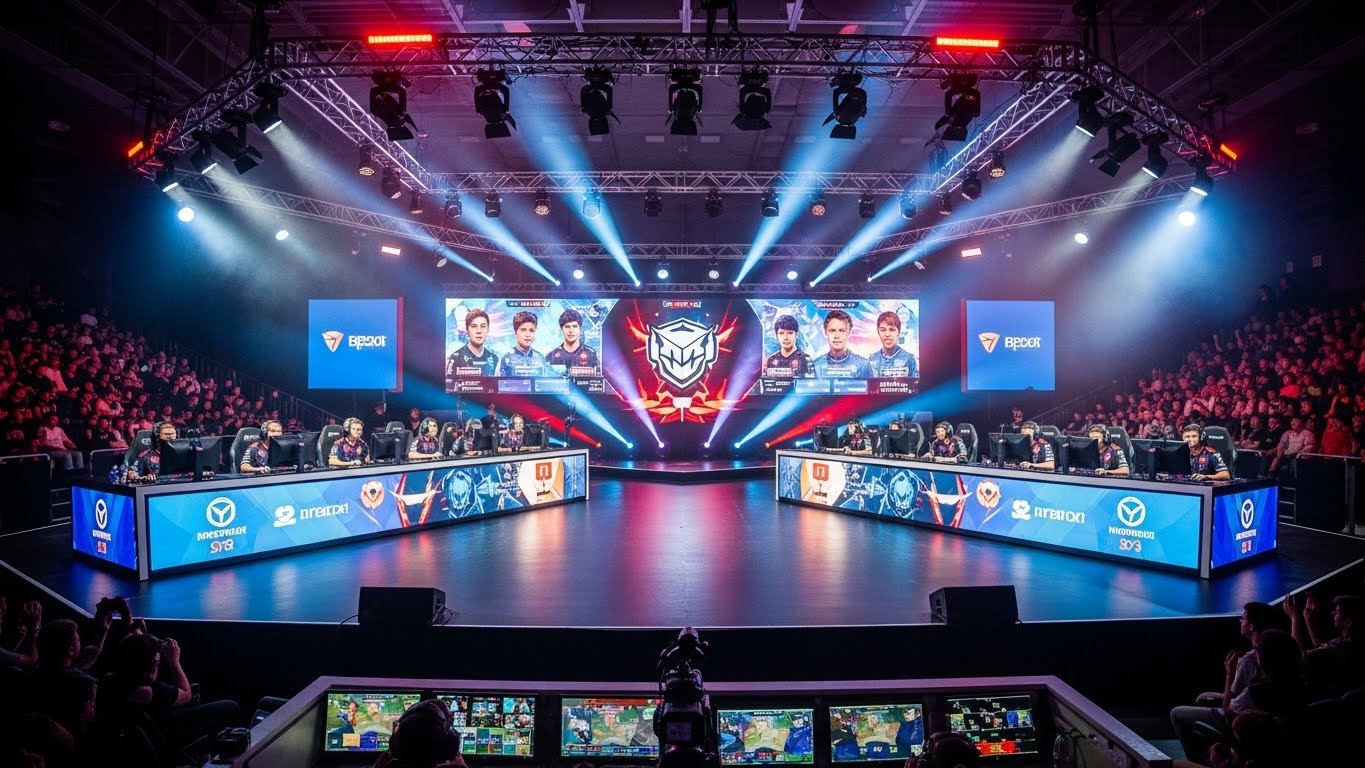
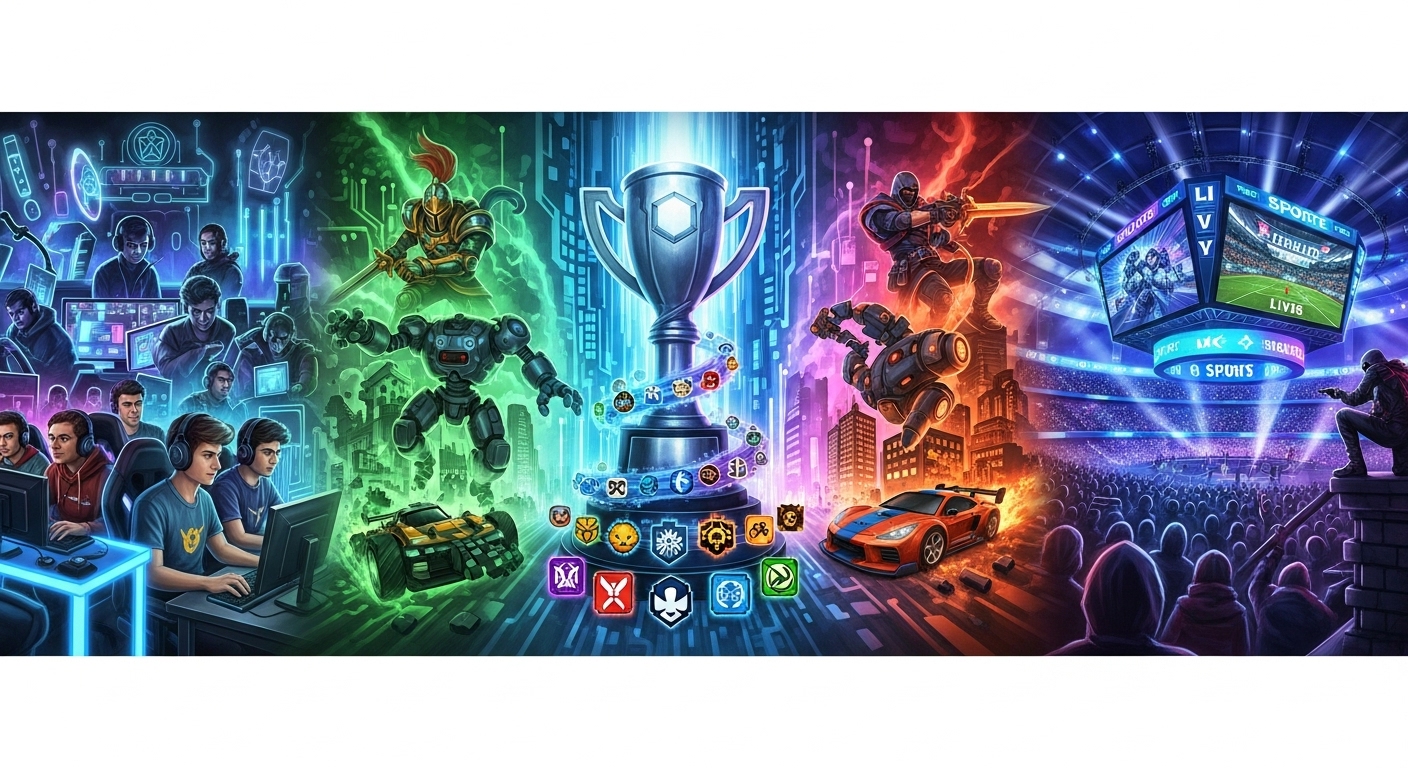
Esports, short for electronic sports, has rapidly transformed from a casual pastime into a global competitive phenomenon. It blends skill, strategy, and teamwork, creating a new form of entertainment that rivals traditional sports in excitement, professionalism, and fan engagement.
What is Esports?
Esports refers to organized, competitive gaming where individuals or teams compete in video games at a professional level. Unlike casual gaming, esports emphasizes precision, strategy, and coordination. Competitions range from local tournaments to massive international events with multi-million-dollar prize pools.
Popular esports genres include multiplayer online battle arenas, first-person shooters, real-time strategy games, and sports simulations. Each requires a unique combination of reflexes, tactical thinking, and teamwork, making esports a test of both skill and mental agility.
The Rapid Rise of Esports
In the last decade, esports has experienced explosive growth. The rise of high-speed internet, powerful gaming hardware, and streaming platforms has made competitive gaming more accessible to players and audiences worldwide.
Esports events now attract millions of viewers globally, with fans following their favorite players and teams just as they would in traditional sports leagues. Sponsorship deals, media coverage, and merchandise sales have further solidified esports as a mainstream entertainment industry.
Popular Esports Titles
Several games dominate the esports scene due to their strategic depth and competitive appeal:
- League of Legends: Known for its intense team strategy and global tournaments.
- Dota 2: Famous for high-skill gameplay and record-breaking prize pools.
- Counter-Strike: Global Offensive: A tactical shooter emphasizing precision and teamwork.
- Fortnite: Combines fast-paced action with creative building mechanics.
- Call of Duty: Popular for competitive multiplayer battles and esports leagues.
These titles not only draw massive player bases but also inspire professional leagues and international championships.
Esports as a Career
Professional esports has become a legitimate career path. Gamers can earn significant income through tournament winnings, sponsorships, streaming, and coaching. Beyond players, the industry also employs analysts, content creators, event organizers, and commentators.
Educational institutions are even introducing esports programs, providing structured pathways for aspiring professionals to develop skills, strategy, and teamwork.
The Role of Streaming Platforms
Streaming platforms have been instrumental in esports’ global growth. They allow fans to watch live competitions, follow favorite players, and interact with global communities. Influencers and content creators contribute by sharing tutorials, match highlights, and engaging commentary, making esports accessible and entertaining for a wider audience.
Benefits of Esports
Esports offers more than just excitement. It improves strategic thinking, problem-solving, and hand-eye coordination. Players learn teamwork, focus under pressure, and decision-making skills that can be applied in other areas of life.
Furthermore, esports promotes inclusivity. Unlike many physical sports, competitive gaming can be enjoyed regardless of physical ability, providing opportunities for diverse participants worldwide.
The Future of Esports
The future of esports is bright and full of innovation. Emerging technologies such as virtual reality, artificial intelligence, and cloud gaming will enhance the competitive experience. As global tournaments grow and esports becomes more integrated into educational systems, the industry will continue to expand its reach and influence.
Esports is not just a trend; it is shaping the future of entertainment, competition, and digital culture.
Conclusion
Esports has redefined gaming into a global competitive spectacle. Combining strategy, skill, and community, it offers players and fans an entirely new form of engagement. With professional opportunities, technological advancements, and growing audiences, esports is set to remain a dominant force in entertainment for years to come.