
Introduction
Esports, or electronic sports, has become one of the fastest-growing industries in the world. What once began as friendly gaming contests has evolved into a professional and organized sport where players compete for fame, fortune, and glory. The digital era has transformed gaming into a global phenomenon that attracts millions of viewers and generates billions in revenue.
The Beginning of Esports
The journey of esports started with small local gaming tournaments in the 1980s and 1990s. Early competitions for games like Space Invaders and Street Fighter gave players a platform to showcase their skills. However, it was the rise of the internet and online multiplayer games that truly changed everything. Players could now compete globally, breaking the barriers of distance and time.
The Rise of Competitive Gaming
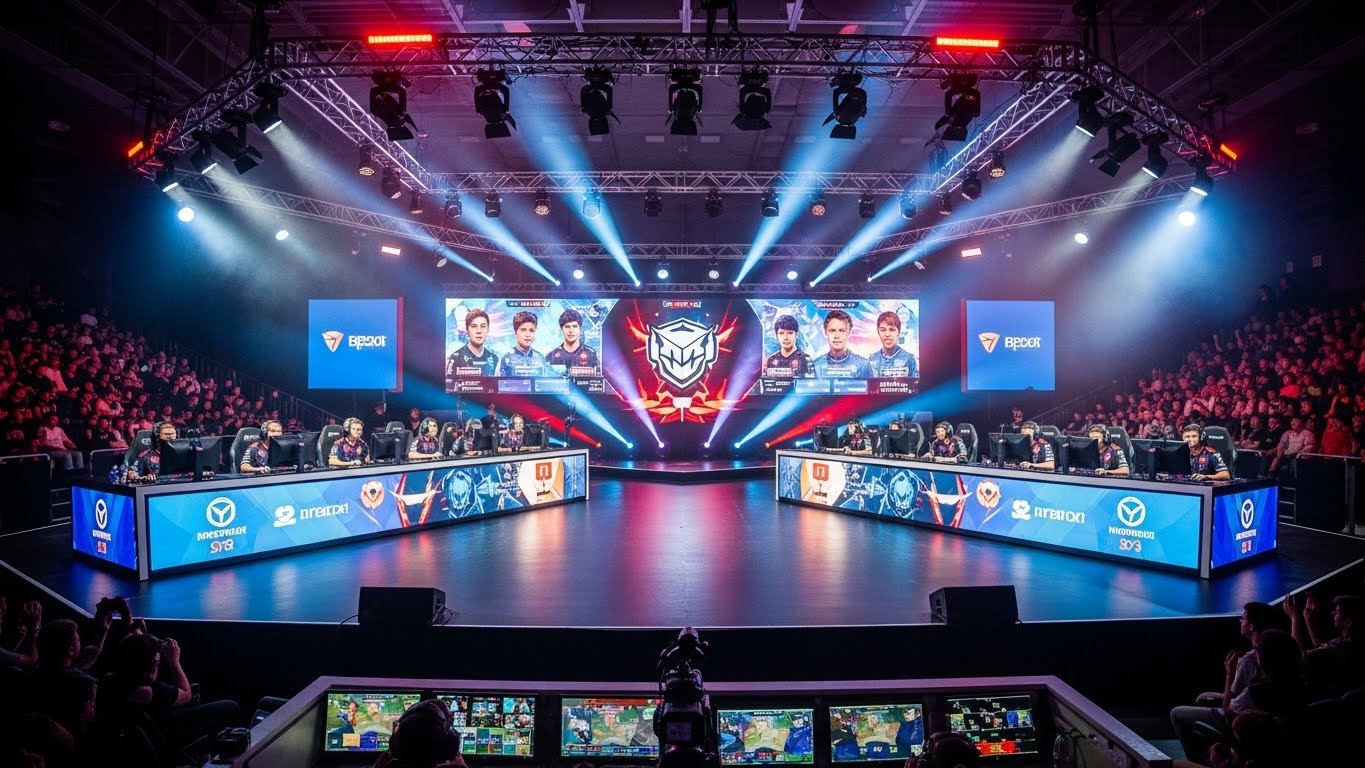
With the development of powerful computers and consoles, competitive gaming became more advanced and organized. Major titles like Counter-Strike, Dota 2, and League of Legends began hosting international tournaments with huge prize pools. Millions of fans started watching these competitions live, both in stadiums and online, making esports a legitimate global sport.
The Professional Esports Scene
Today, esports players are treated like professional athletes. They train for hours every day, work with coaches and strategists, and represent top-tier organizations. Teams participate in leagues and championships where the competition is fierce and the stakes are high. Successful players earn sponsorships, salaries, and recognition that rivals stars from traditional sports.
The Role of Technology
Technology has been the driving force behind the growth of esports. High-speed internet, advanced gaming equipment, and live-streaming platforms have made it easier for fans to watch their favorite teams and players. Streaming services allow millions of viewers to connect instantly, creating a global community of gaming enthusiasts. The introduction of virtual reality and artificial intelligence promises to make esports even more immersive in the future.
The Global Impact of Esports
Esports has had a massive cultural and economic impact worldwide. It has opened up new career opportunities for gamers, commentators, analysts, and event organizers. Universities are offering esports scholarships, and several countries recognize professional gamers as official athletes. This growth has also attracted major brands and investors, making esports a vital part of the entertainment industry.
The Future of Esports
The future of esports looks incredibly bright. With new games, improved technology, and increasing global interest, the industry is expected to continue expanding rapidly. Esports will likely become even more integrated into mainstream sports and education, creating endless opportunities for players and fans alike.
Conclusion
Esports is no longer just about playing video games; it is a symbol of the digital age and the power of technology to unite people through competition. From humble beginnings to global tournaments, esports has changed the way the world views gaming. As it continues to grow, one thing is certain—the world of esports is only just getting started.