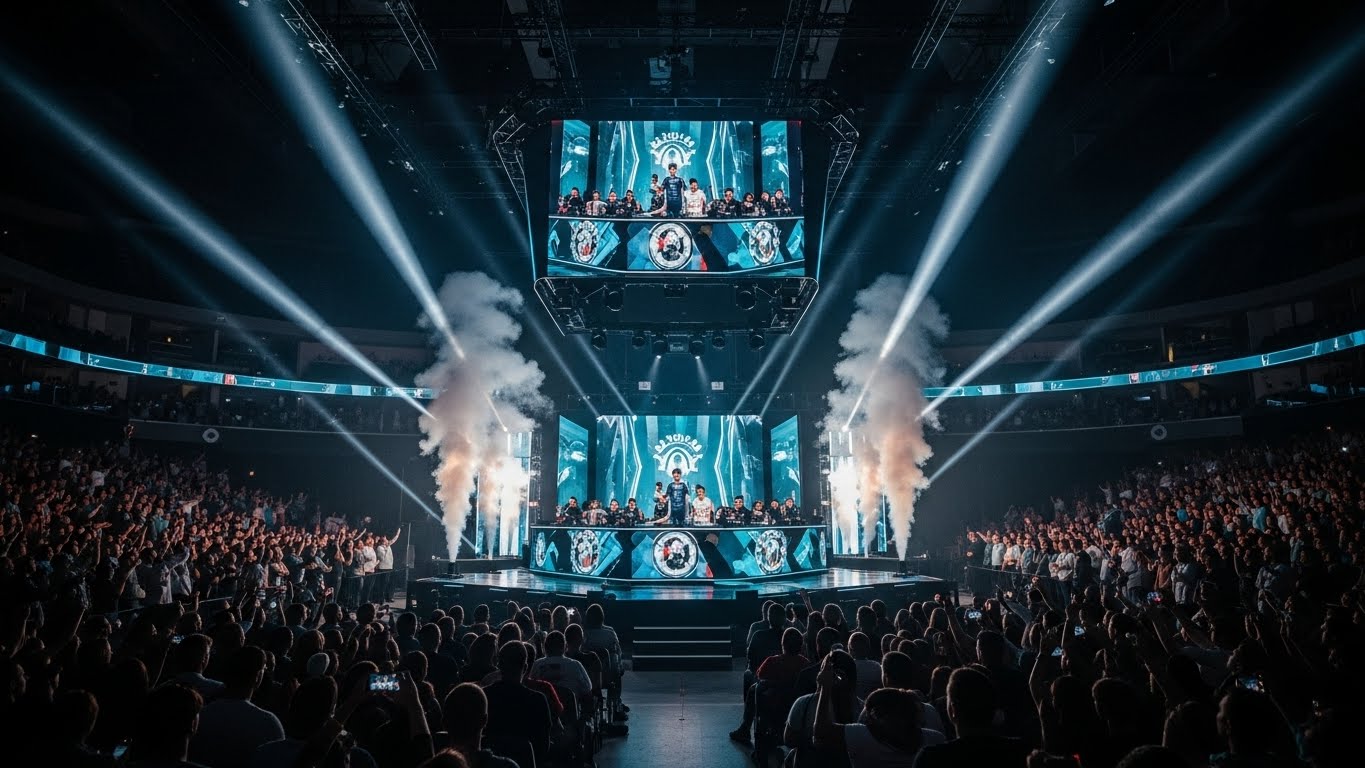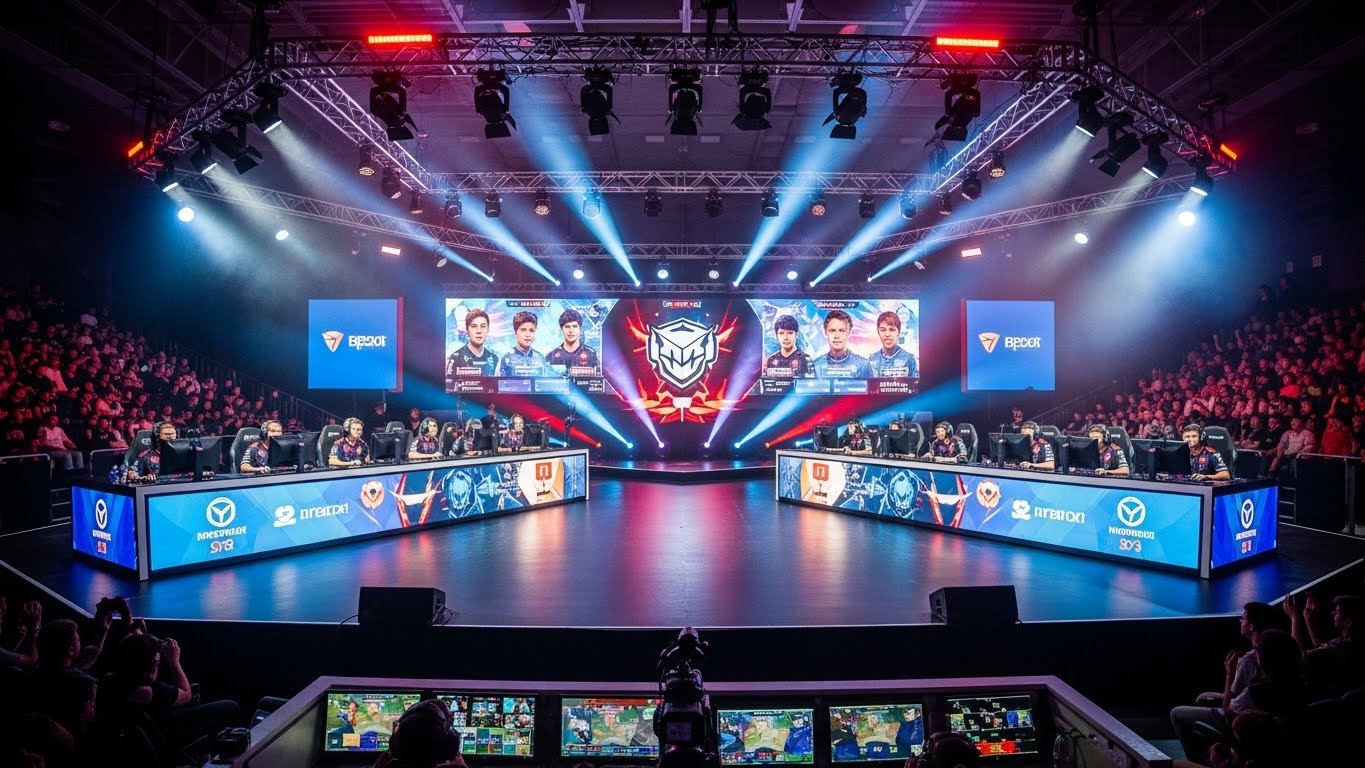
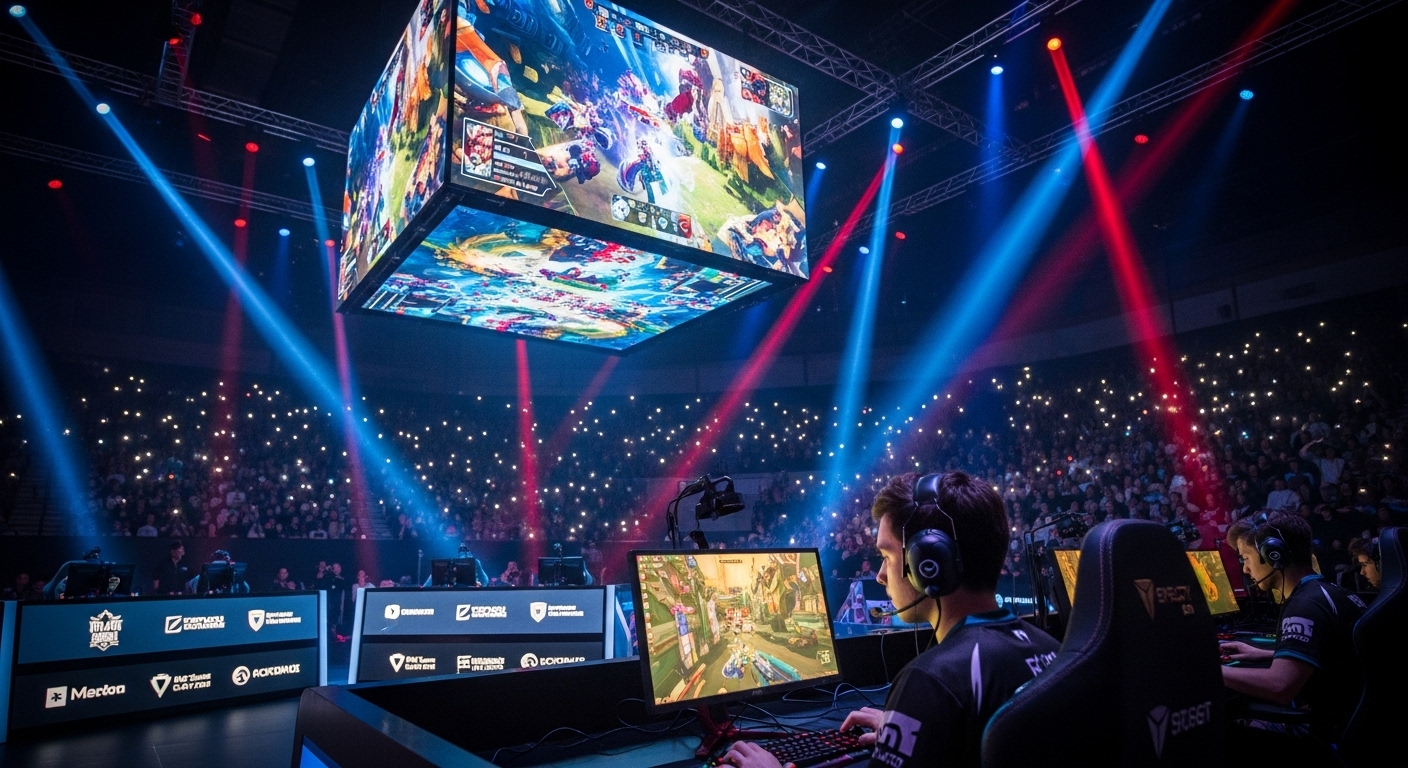
In the world of entertainment, few industries have experienced the meteoric rise that esports has in recent years. What was once a niche hobby for gamers has exploded into a multi-billion-dollar global phenomenon. From casual streamers to professional athletes, esports has created an entire ecosystem of competitions, sponsorships, and media coverage that rivals traditional sports in many ways. As technology continues to advance and gaming becomes more integrated into our daily lives, the future of esports looks brighter than ever. This blog will explore the evolution of esports, its impact on the entertainment landscape, and what the future holds for competitive gaming.
The Humble Beginnings of Esports
Esports didn’t emerge overnight. In fact, competitive gaming dates back to the early 1990s when the first multiplayer online games began to gain traction. Games like Quake, Warcraft III, and StarCraft were among the first to introduce competitive multiplayer modes. The Red Annihilation tournament in 1997, featuring Quake, is often cited as one of the earliest examples of an esports competition, though at the time, the concept was still in its infancy.
As the internet grew and broadband connections became more accessible, online gaming started to evolve rapidly. Early tournaments were often local events, but with the rise of games like Counter-Strike and StarCraft II, esports began to take on a more organized, global form. By the mid-2000s, the advent of professional leagues, such as the World Cyber Games (WCG) and Electronic Sports World Cup (ESWC), helped cement esports as a legitimate and growing industry.
Esports Goes Mainstream: The Rise of Streaming and Sponsorships
While esports had already been growing in popularity, the rise of streaming platforms like Twitch in the early 2010s played a critical role in propelling competitive gaming into the mainstream. Suddenly, fans could tune in to watch top players and teams compete in real-time, often interacting with the streamers and other viewers through live chat. This created a sense of community and fan engagement that was previously missing from many traditional sports broadcasts.
Esports has since evolved from a hobby into a major industry, with tournaments like The International for Dota 2 and the League of Legends World Championship attracting millions of viewers worldwide. These tournaments have massive prize pools, sometimes reaching tens of millions of dollars, and attract sponsorships from major brands across various industries. Companies like Intel, Coca-Cola, and Red Bull now heavily invest in esports, providing financial backing for tournaments, teams, and players.
This corporate interest has not only bolstered the financial growth of esports but has also enhanced the visibility of competitive gaming. Esports is now regularly covered in mainstream media outlets, and the increasing involvement of traditional sports teams and celebrities has further helped integrate esports into the broader entertainment ecosystem.
The Growth of Esports Leagues and Professional Players
One of the most significant developments in the esports industry has been the emergence of professional leagues. Much like traditional sports leagues such as the NFL or NBA, esports now has structured, year-round competitions for various games. Titles like Overwatch, Call of Duty, and Rocket League have created leagues with teams representing cities or countries, complete with coaches, managers, and training regimens. These professional leagues provide stability and a clear career path for aspiring gamers.
Unlike traditional sports, the career trajectory for esports players is uniquely short, with players typically reaching their peak in their late teens or early twenties. However, this has not stopped esports from becoming a viable career for many. Top players can earn substantial salaries through tournament winnings, sponsorships, streaming, and merchandise sales. The rise of platforms like YouTube and Twitch has allowed players to supplement their income by broadcasting their gameplay to massive audiences.
In addition, esports teams have become full-fledged organizations. Teams like Team Liquid, Cloud9, and FaZe Clan have millions of fans worldwide and generate revenue through a combination of sponsorships, merchandise, and tournament earnings. These teams operate much like traditional sports franchises, and players within these teams are treated like professional athletes, with access to coaches, analysts, and performance experts.
The Most Popular Esports Titles: What Games Are Dominating the Scene?
Esports spans a wide variety of genres, and the games played at the competitive level offer something for everyone. From fast-paced shooters to strategic multiplayer battle arenas, the diversity of competitive games ensures that esports appeals to different types of players and fans. Here are some of the biggest genres and titles in esports:
Multiplayer Online Battle Arenas (MOBAs)
MOBAs are among the most popular esports genres. Games like League of Legends (LoL) and Dota 2 dominate the esports scene, with massive international tournaments and passionate fanbases. In these games, teams of five players each control unique heroes or champions, working together to destroy the enemy team’s base. Strategic depth, fast reflexes, and team coordination are essential for success in these titles, making them thrilling to both play and watch.
First-Person Shooters (FPS)
FPS games like Counter-Strike: Global Offensive (CS:GO), Call of Duty, and Valorant have also made a significant impact on the esports scene. These games feature intense, tactical gameplay where teams compete to complete objectives or eliminate the opposing team. FPS esports tournaments are fast-paced and action-packed, with high-level skill and quick reflexes on full display.
Battle Royale
The Battle Royale genre has exploded in recent years with games like Fortnite and PUBG (PlayerUnknown’s Battlegrounds) becoming household names. In Battle Royale games, players drop into a large map and must fight to be the last person or team standing. The unpredictability of these games, combined with their wide accessibility, has made them fan favorites in both casual play and esports tournaments.
Fighting Games
Fighting games like Street Fighter V, Super Smash Bros., and Tekken 7 have been a staple of competitive gaming for decades. These games focus on one-on-one combat, where players use a variety of attacks, combos, and counters to defeat their opponent. Fighting games have a strong community and are often featured at major esports events, such as the Evolution Championship Series (EVO).
Esports Fan Engagement: How Fans Are Driving the Industry
One of the most unique aspects of esports is the level of fan engagement. Unlike traditional sports, where fans watch games in stadiums or on TV, esports fans can interact directly with players, teams, and commentators through streaming platforms. Twitch, YouTube Gaming, and other platforms have become the heart of esports fandom, where fans can watch live broadcasts, participate in chats, and support their favorite streamers and teams.
Fans also play a crucial role in the success of esports by creating content, from fan art to gameplay analysis. Esports tournaments often attract large online audiences, and the interaction between players and fans fosters a sense of community. In many ways, esports has democratized the way fans engage with competitive entertainment, giving them a direct connection to the players and teams they support.
The Impact of Esports on Traditional Sports and Entertainment
Esports is not only thriving on its own but is also influencing traditional sports and the broader entertainment industry. Some traditional sports teams have invested in esports, either by creating their own teams or partnering with existing organizations. This cross-pollination between esports and traditional sports is helping to further legitimize competitive gaming as a mainstream form of entertainment.
Moreover, esports has influenced the way traditional sports are broadcasted. With the rise of live streaming and on-demand content, the way we consume sports is changing. Esports has embraced these platforms, setting a precedent for how interactive, viewer-driven broadcasts could work for traditional sports as well.
The Future of Esports: What’s Next?
Looking ahead, the future of esports is incredibly promising. With more technological innovations on the horizon, such as Virtual Reality (VR) and Augmented Reality (AR), esports tournaments could become even more immersive and interactive. The potential for VR esports, where players and spectators experience the action in fully immersive digital environments, is an exciting frontier.
Esports will also continue to expand globally. Regions like Southeast Asia, Latin America, and Africa are seeing a growing interest in competitive gaming, and as internet infrastructure improves worldwide, esports will become more accessible to people everywhere.
Furthermore, with continued sponsorship, investment, and innovation, esports is likely to continue its upward trajectory, integrating into mainstream entertainment alongside traditional sports, music, and movies.
Conclusion: Esports Is the Future of Entertainment
Esports has come a long way from its humble beginnings, and it shows no signs of slowing down. With its growing fanbase, professional leagues, and lucrative opportunities, esports is rapidly becoming a dominant force in the entertainment industry. Whether you’re a competitive gamer, a fan, or someone just discovering esports for the first time, there’s no denying the immense impact this digital revolution has had—and will continue to have—on the world of entertainment.
As technology advances and more people join the esports movement, the future looks bright for competitive gaming. If the past decade has taught us anything, it’s that esports has the potential to redefine how we experience and engage with entertainment. And for many, the best is yet to come.