Introduction
In the past few decades, video games have evolved from simple pixels on a screen into vast, immersive experiences that connect millions of people worldwide. Yet, beyond casual gaming, a powerful movement has emerged—esports, or electronic sports. What began as small competitions among enthusiasts has now transformed into a global phenomenon, with professional players, huge audiences, sponsorships, and massive prize pools. Esports is no longer just a niche activity; it’s a legitimate industry that rivals traditional sports in scale, influence, and popularity.
This blog explores the fascinating world of esports, examining its history, growth, professional scene, technology, and impact on global culture. It also discusses how esports is changing perceptions about competition, entertainment, and even career opportunities in the digital age.
The Origins of Esports
The concept of competitive gaming can be traced back to the early 1970s. One of the earliest known tournaments took place at Stanford University in 1972, where players competed in a game called Spacewar! The winner received a year’s subscription to a magazine—a small reward compared to today’s million-dollar prizes, but a historic beginning nonetheless.
During the 1980s, video gaming grew in popularity with the rise of arcade culture. Titles like Pac-Man, Donkey Kong, and Space Invaders became cultural icons. Arcade competitions began appearing, and players sought to set record-breaking scores. The Space Invaders Championship in 1980 drew over 10,000 participants, marking one of the first large-scale gaming competitions.
In the 1990s, esports gained new momentum with the rise of PC and console gaming. Games such as Street Fighter II, Doom, and Quake introduced online and local competitive play. LAN parties became a major part of gaming culture, and the first professional leagues started to form. However, it wasn’t until the late 1990s and early 2000s—with the spread of broadband internet—that esports began to resemble the global industry it is today.
The Explosion of Esports in the 21st Century
The 2000s marked a turning point for esports. The rise of games like StarCraft, Counter-Strike, Warcraft III, and Dota gave birth to organized tournaments that attracted millions of viewers online. South Korea, in particular, became the epicenter of professional gaming, with television channels dedicated to esports and players achieving celebrity status.
As internet speeds improved and streaming platforms appeared, esports began to reach new audiences. The launch of Twitch in 2011 was a game changer. For the first time, fans could easily watch live tournaments and follow their favorite players from around the world.
Games like League of Legends, Dota 2, Overwatch, Fortnite, and Valorant transformed esports into a mainstream entertainment medium. The League of Legends World Championship filled stadiums with cheering fans, while The International—Dota 2’s flagship event—offered prize pools exceeding 30 million dollars. These staggering numbers rivaled the rewards of many traditional sports tournaments.
The Professional Esports Scene
Modern esports is a complex, well-structured industry. It includes professional organizations, leagues, sponsors, broadcasters, and millions of passionate fans. Players sign contracts, receive salaries, and participate in training camps similar to those of football or basketball athletes.
Top-tier organizations such as Team Liquid, Fnatic, T1, and Cloud9 are household names in the esports community. They manage multiple teams across various games, each with its own set of players, coaches, and analysts. Behind the scenes, data analysts study gameplay footage, strategists develop game plans, and fitness trainers ensure players maintain their physical and mental health.
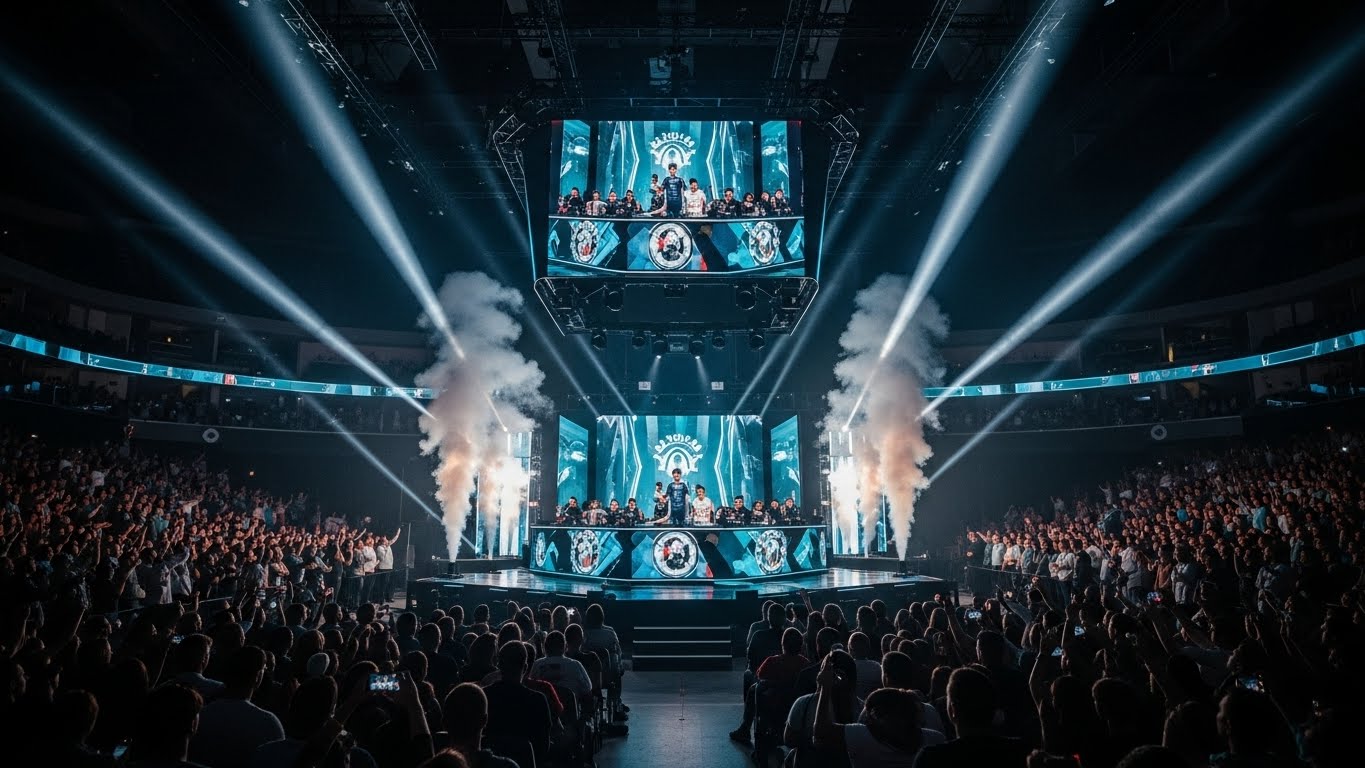
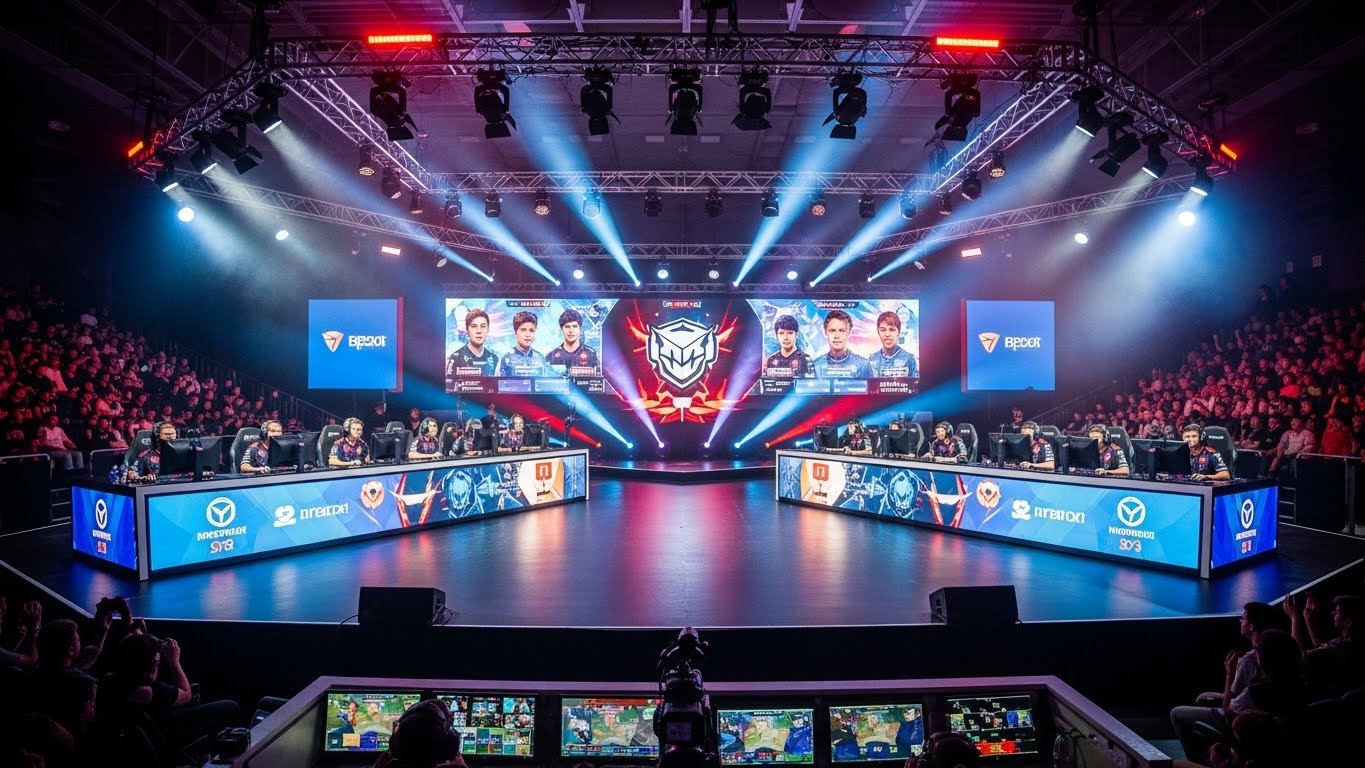
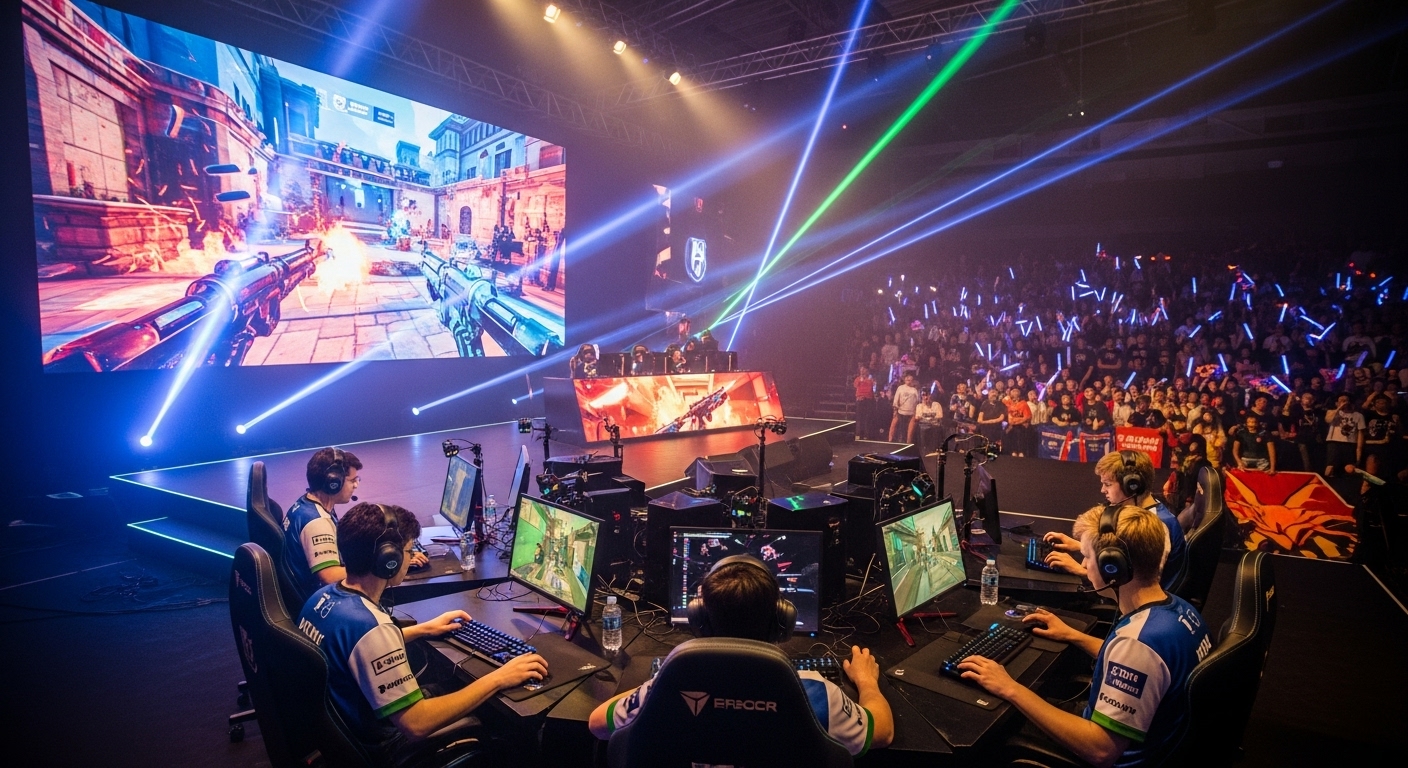
Professional tournaments are held across the globe, often in arenas filled with fans waving banners and chanting for their teams. Commentators, known as “casters,” provide live play-by-play analysis, while production crews manage lighting, sound, and visual effects that rival televised sports broadcasts.
The structure of esports leagues also mirrors traditional sports. For example, League of Legends has regional leagues like the LCS (North America), LEC (Europe), and LCK (Korea). The best teams from each region compete in international championships, creating a global narrative of rivalries and underdog victories that captivate audiences year after year.
The Technology Powering Esports
Technology is the backbone of esports. The entire industry depends on advanced hardware, stable internet connections, and powerful software platforms.
Modern gaming PCs and consoles are equipped with high-performance components capable of running games at ultra-high frame rates. Precision hardware, such as mechanical keyboards and high-DPI mice, gives players the responsiveness they need to perform at the top level.
Streaming technology has also revolutionized esports. Live streaming platforms have made it possible for fans to watch events in real time, chat with other viewers, and support their favorite players through digital donations or subscriptions. Virtual reality and augmented reality are beginning to influence esports broadcasts, adding new levels of immersion to the spectator experience.
Artificial intelligence is also making its mark. AI tools can analyze gameplay data to provide insights into player performance, predict outcomes, and even assist in coaching strategies. Machine learning algorithms help tournament organizers detect cheating, ensuring fair play in online competitions.
The Rise of Mobile Esports
While PC and console gaming dominate much of the esports world, mobile esports has become a rapidly growing frontier. In regions like Southeast Asia, India, and Latin America, mobile titles such as PUBG Mobile, Mobile Legends: Bang Bang, and Free Fire attract massive audiences.
The accessibility of smartphones has made esports more inclusive. Unlike gaming PCs, which can be expensive, mobile devices are widely available and affordable. As a result, mobile tournaments have reached millions of players and viewers who might not have access to high-end gaming setups.
Major organizations are now investing in mobile esports leagues, and sponsors are recognizing the marketing potential of this new demographic. It’s no exaggeration to say that mobile gaming is democratizing esports, bridging the gap between casual gamers and professional competitors.
Esports and the Mainstream Media
One of the most significant shifts in recent years has been the recognition of esports by mainstream media. Television networks, streaming services, and even newspapers now cover esports events alongside traditional sports. Universities have begun offering esports scholarships, and educational institutions are forming collegiate leagues.
Esports stars have become influencers with millions of followers across social media platforms. Some stream their practice sessions, share behind-the-scenes glimpses of tournaments, and interact directly with fans. This level of accessibility and transparency helps strengthen the bond between players and their audiences.
Even traditional sports franchises have entered the esports space. Football clubs like Paris Saint-Germain, Manchester City, and FC Barcelona have launched their own esports teams. The crossover between sports and esports demonstrates how digital competition has earned a respected place within the global entertainment ecosystem.
The Economic Impact of Esports
Esports is not just entertainment—it’s a multi-billion-dollar industry. Revenues come from sponsorships, advertising, media rights, merchandise sales, and ticketed events. Brands like Intel, Red Bull, and Samsung invest heavily in esports sponsorships to reach the highly engaged and tech-savvy gaming audience.
Tournament organizers generate income through partnerships with streaming platforms and broadcasters. Teams profit from brand endorsements, apparel sales, and content creation. Meanwhile, individual players can earn money through salaries, prize winnings, and streaming revenue.
According to industry analysts, the global esports market continues to grow annually, with Asia leading the charge in both audience size and revenue. This growth indicates that esports is not a passing trend but a long-term fixture in the entertainment landscape.
The Social and Cultural Influence of Esports
Beyond economics, esports has become a cultural force that shapes identities and communities. It brings people together across borders, languages, and cultures. Online communities form around favorite teams, games, and streamers, creating a sense of belonging that transcends geography.
Esports events often resemble festivals, with live music, cosplay competitions, and fan interactions. The enthusiasm of fans rivals that of any traditional sport. Supporters paint their faces, wave team flags, and travel long distances to attend live events.
Moreover, esports has influenced fashion, music, and even education. Clothing lines inspired by gaming culture are increasingly popular among young people. Music artists collaborate with game publishers to release themed songs for tournaments. Esports has also become a gateway for young people to explore technology-related careers in broadcasting, software development, and digital marketing.
Challenges and Controversies in Esports
Despite its success, esports faces several challenges. One of the most pressing issues is player burnout. The pressure to train for long hours, travel frequently, and perform consistently can take a toll on players’ physical and mental health. Some organizations now employ psychologists and wellness coaches to help players manage stress.
Another issue is the lack of regulation. Unlike traditional sports, which are governed by established bodies, esports is still fragmented. Different game publishers set their own rules, leading to inconsistencies in tournament standards and player contracts.
Cheating and match-fixing have also been problems, particularly in smaller or less-regulated competitions. Developers and organizers are investing in anti-cheat systems and integrity measures to maintain fairness.
Toxic behavior, such as harassment in online communities, is another concern. Many organizations are promoting inclusivity and respect within gaming culture to create a healthier environment for players and fans alike.
The Future of Esports
The future of esports is bright and full of potential. As technology continues to advance, new forms of gaming and competition will emerge. Virtual reality esports could redefine what it means to compete, blending physical movement with digital gameplay.
Esports will likely continue to expand into new regions and attract even larger audiences. Educational institutions may introduce esports-related degrees, focusing on game design, management, and broadcasting. Governments might begin recognizing esports athletes officially, offering visas and benefits similar to those of traditional sports professionals.
With the continued growth of 5G networks and cloud gaming, accessibility will increase further, allowing anyone with a mobile device or an internet connection to participate in the esports ecosystem.
Conclusion
Esports represents the convergence of technology, entertainment, and human competition. It has grown from small gatherings of gamers into a global cultural movement that captures the imagination of millions. In many ways, esports reflects the spirit of the digital generation—connected, ambitious, and constantly evolving.
It challenges old ideas about what sports can be, proving that skill, strategy, and teamwork can thrive in virtual spaces just as much as on physical fields. The journey of esports is far from over; in fact, it’s only just beginning. With each new game, each rising star, and each roaring crowd, the world of esports continues to redefine the meaning of play, passion, and performance in the modern era.