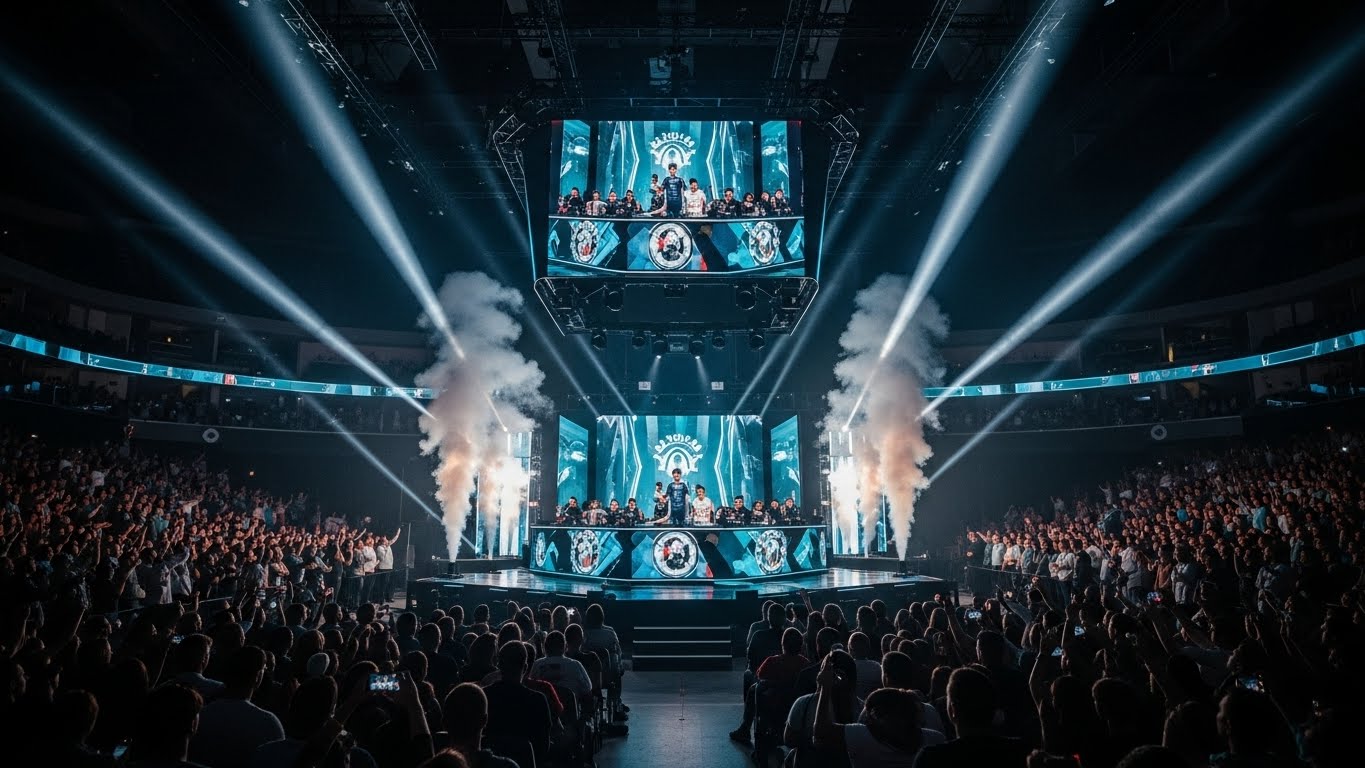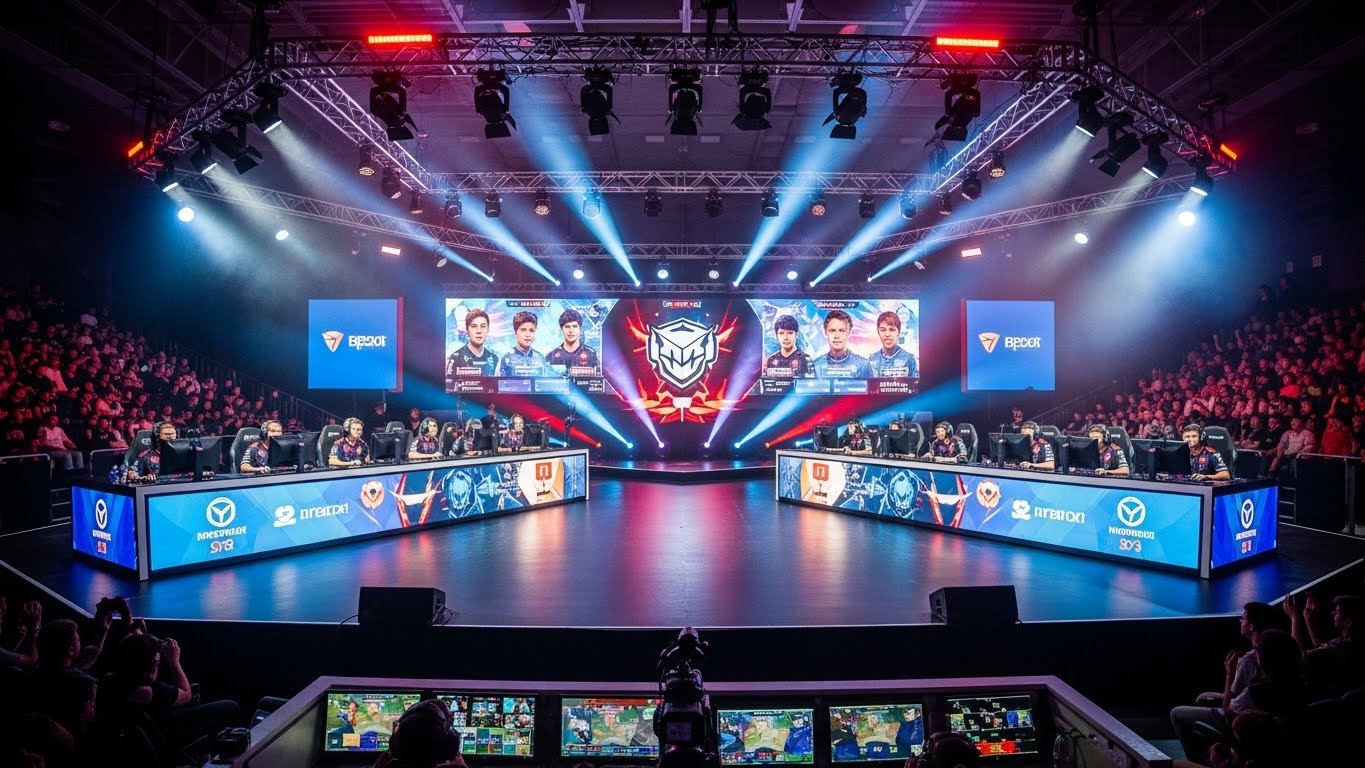
Esports, or electronic sports, is no longer a niche hobby relegated to dedicated gamers in their spare time. It has exploded into a global phenomenon, with millions of fans, massive tournaments, and professional leagues creating a new world of competition, entertainment, and opportunity. From its humble beginnings in arcades to becoming a multi-billion-dollar industry, esports has evolved into a force to be reckoned with, changing how we view competitive gaming, entertainment, and even careers in sports.
In this blog post, we will take a deep dive into the world of esports, its history, its rise to prominence, and what makes it such a powerful industry today. We will also explore the culture surrounding esports, the professional athletes involved, the major games that define the industry, and the business side of things. Whether you’re a newcomer to esports or a seasoned fan, this post will provide a comprehensive understanding of why esports is not just a passing trend but a revolution in how we engage with competitive sports and entertainment.
The Origins of Esports: From Casual to Competitive
The concept of gaming competitions dates back to the early days of video games. In the 1970s, arcade games like Space Invaders and Pong introduced people to the idea of playing games for fun—and for high scores. While these early gaming experiences were mainly about individual play, the idea of competition quickly caught on. One of the earliest known gaming tournaments was the Space Invaders Championship, held in 1980, where players competed for the top score in the popular arcade game.
However, it wasn’t until the late 1990s and early 2000s that esports as we know it began to take shape. As the internet began to expand, multiplayer gaming became more feasible. Games like StarCraft, Warcraft III, and Quake created the foundation for competitive gaming, thanks to their multiplayer modes, which allowed players to face off against each other from different locations. The birth of online gaming transformed the way people experienced video games, providing an arena for competition that was global, rather than local.
The first truly major esports tournaments emerged in the early 2000s. One of the most notable examples was the World Cyber Games (WCG), which began in 2000. It quickly became the “Olympics” of esports, drawing players from around the world to compete in games like StarCraft and Counter-Strike. The creation of organized tournaments, global championships, and media coverage helped solidify esports as more than just a hobby.
The Professionalization of Esports
By the mid-2000s, esports had entered a new era of professionalization. The competitive landscape began to mirror traditional sports leagues, with the formation of professional gaming teams, sponsorships, and massive tournaments. In South Korea, the esports scene flourished, thanks in part to the creation of professional leagues and government support. The country became a global leader in esports, with games like StarCraft taking center stage.
The rise of streaming platforms like Twitch in 2011 played a pivotal role in the further popularization of esports. For the first time, fans could watch live, competitive gaming events from anywhere in the world. This allowed players to build global fanbases, and esports tournaments could reach a much larger audience than ever before. As streaming grew in popularity, so did the monetization of the esports ecosystem. Platforms like Twitch began paying top streamers, while companies like YouTube, Facebook, and Amazon jumped on board, offering further opportunities for esports content creators.
The launch of the League of Legends World Championship in 2011 marked another significant turning point. The tournament became one of the most watched esports events in history, with millions of viewers tuning in. It was a sign that esports was no longer a fringe activity but was now firmly in the mainstream.
The Key Games Defining Esports Today
Esports is defined by the games that power it. While there are many games with competitive scenes, a few titles have risen to prominence and played a massive role in the growth of the industry. These games have cultivated professional players, teams, and leagues, and they draw the largest viewership at major esports events.
League of Legends
League of Legends (LoL), developed by Riot Games, is the undisputed king of competitive gaming. Released in 2009, the game quickly became one of the most played games in the world. A multiplayer online battle arena (MOBA) game, LoL pits teams of five players against each other in strategic, fast-paced battles. The game’s complexity and its emphasis on teamwork, strategy, and individual skill make it a perfect fit for esports. The League of Legends World Championship is one of the biggest esports events globally, with prize pools reaching tens of millions of dollars.
Dota 2
Another prominent MOBA game in the esports scene is Dota 2, developed by Valve. Known for its steep learning curve and high skill ceiling, Dota 2 has one of the most passionate fanbases in gaming. The International, the premier tournament for Dota 2, is renowned for its massive prize pools, which can exceed $30 million, making it the richest esports tournament in the world. The game’s blend of deep strategy, fast-paced action, and constant updates keeps it relevant year after year.
Counter-Strike: Global Offensive (CS: GO)
Counter-Strike: Global Offensive (CS:GO), a first-person tactical shooter, has been a mainstay in esports for over a decade. Released in 2012, the game has maintained a dedicated competitive scene, with major tournaments like ESL One and the CS:GO Major Championships drawing massive audiences. The game’s emphasis on teamwork, communication, and precise aiming has made it a favorite for both players and spectators.
Overwatch
Blizzard Entertainment’s Overwatch is a team-based first-person shooter that stands out due to its unique cast of characters, each with distinct abilities and roles. The Overwatch League (OWL), which launched in 2018, is one of the most prominent esports leagues in the world, with teams based in cities across the globe. Overwatch blends the high-octane action of a first-person shooter with the strategic depth of a team-based game, making it exciting to watch and play.
Fortnite
Epic Games’ Fortnite took the world by storm in 2017 with its battle royale mode, where 100 players fight to be the last one standing. Although it is a more casual game compared to other titles on this list, Fortnite has made a major impact on esports by hosting high-profile tournaments like the Fortnite World Cup. The game’s free-to-play model, its accessibility, and the appeal of its vibrant world have helped it become a massive cultural force.
The Culture of Esports: Fans, Streamers, and the Global Community
Esports is not just about the players—it’s also about the fans. The community surrounding esports is one of its most unique aspects. Fans engage with the content in multiple ways: by attending live events, watching tournaments online, participating in fan forums, and supporting their favorite teams and players.
The rise of streaming platforms like Twitch has given players a platform to build personal connections with their fans. Many esports athletes and streamers have developed massive followings, with viewers tuning in not only to watch the games but also to interact with the personalities of their favorite players.
The fan culture is often driven by intense loyalty to teams and players. Many esports teams now have their own branded merchandise, including clothing, peripherals, and collectibles, which are sold to fans around the world. Esports organizations, such as Cloud9, Team Liquid, and FaZe Clan, have become more than just teams—they are global brands that represent a lifestyle, a community, and a shared passion for gaming.
The Business Side of Esports: Money, Sponsorship, and Investments
Esports is a billion-dollar industry, and it continues to grow year after year. The business model behind esports is multi-faceted, with revenue coming from various sources such as sponsorships, media rights, ticket sales, advertising, and merchandise.
Sponsorships
Just like traditional sports, esports has attracted major sponsorship deals with global brands. Companies like Coca-Cola, Intel, Red Bull, and Nike have all invested in the esports space, sponsoring teams, players, and tournaments. These partnerships have been a major source of revenue for the industry, and they continue to expand as more brands see the potential in reaching the millions of esports fans.
Media Rights and Streaming
The rise of live streaming has changed the way media companies approach content distribution. Platforms like Twitch and YouTube have secured broadcasting rights to major tournaments, while traditional sports networks like ESPN have also begun to air esports events. The growth of esports viewership has led to a new market for media rights, which now account for a significant portion of esports revenue.
Prize Pools and Crowdfunding
Esports tournaments, particularly those for games like Dota 2 and Fortnite, often feature prize pools worth millions of dollars. These prize pools are funded through a combination of corporate sponsorships, ticket sales, and in-game purchases from players and fans. In some cases, tournaments also crowdfund their prize pools, with fans contributing directly to the total pot. This has led to massive sums of money being awarded to top esports players, making it a highly lucrative career for some.
The Future of Esports: Where Is It Headed?
As esports continues to evolve, its future looks incredibly promising. The industry is still in its early stages compared to traditional sports, but its trajectory points to massive growth in the coming years. Several factors are contributing to the continued rise of esports:
- Increased Investment: As more investors and major companies see the potential of esports, the industry will continue to grow. With increased financial backing, more professional leagues, and larger prize pools are likely to emerge.
- Global Expansion: While esports is already a global phenomenon, there is still room for expansion in emerging markets. Countries in Asia, Europe, and Latin America are experiencing rapid growth in esports, and new opportunities are arising in regions like Africa and the Middle East.
- Esports in Education: As esports gains legitimacy, it is being integrated into educational systems. Many universities and colleges now offer esports programs and scholarships, giving students the opportunity to pursue careers in gaming.
- Technological Advances: Advances in technology, particularly virtual reality (VR) and augmented reality (AR), may redefine what we think of as esports. These technologies have the potential to make the gaming experience even more immersive and exciting.
- Mainstream Acceptance: Esports is already being recognized as a legitimate form of entertainment, with major broadcasters airing tournaments and games being included in prestigious events like the Asian Games. As the global audience continues to grow, esports may soon be considered on par with traditional sports in terms of viewership and prestige.
Conclusion
Esports has evolved from a niche interest into a massive industry that touches millions of people around the world. From the rise of professional players and teams to the explosion of online streaming platforms, esports is reshaping how we think about sports, competition, and entertainment. With its growing audience, lucrative sponsorships, and increasing legitimacy, esports is set to continue its upward trajectory, providing new opportunities for players, fans, and investors alike. The future of esports is bright, and it promises to bring even more excitement, innovation, and global connection to the world of gaming.