Introduction
Esports, short for electronic sports, has become one of the most significant cultural and entertainment phenomena of the twenty-first century. It is no longer a niche activity limited to a small group of enthusiasts but a global industry generating billions of dollars and attracting millions of players and viewers worldwide. Esports combines the competitive nature of traditional sports with the digital world of video games, creating a unique form of entertainment that bridges technology, skill, and community. It has transformed the way people perceive gaming, turning casual play into professional careers and spectator experiences.
This blog explores the evolution of esports, from its early beginnings to its current status as a global industry. It examines the role of games, players, teams, tournaments, technology, and communities in shaping esports and discusses the challenges and future potential of this rapidly growing field.
The Origins of Competitive Gaming
The origins of esports can be traced back to the 1970s and 1980s when arcade games and early home consoles became widely available. Players began competing for high scores in games like Space Invaders, Pac-Man, and Donkey Kong. The first widely recognized competitive gaming event was the Space Invaders Championship held in 1980, which attracted thousands of participants across the United States. This event demonstrated the potential for organized competitive gaming as a form of entertainment and laid the foundation for esports as a spectator activity.
In the 1990s, personal computers and networked gaming enabled multiplayer experiences, allowing players to compete against each other beyond local arcades. Games like Doom, Quake, and StarCraft became staples of early competitive gaming. LAN parties, where players connected their computers in local networks, emerged as the primary venues for tournaments. These gatherings fostered communities of players who shared strategies, rivalries, and a passion for competition.
The growth of the internet in the late 1990s and early 2000s expanded the reach of competitive gaming. Online multiplayer games allowed participants from different cities, countries, and continents to compete, forming the basis for a global esports ecosystem.
The Birth of Professional Esports
The professionalization of esports began in South Korea in the late 1990s, where StarCraft became a national sensation. Professional players emerged, teams were formed, and televised matches attracted millions of viewers. The South Korean model demonstrated that competitive gaming could be both a profession and a spectator sport, providing inspiration for other countries to develop similar infrastructures.
Internationally, esports organizations such as the Cyberathlete Professional League in the United States and the Electronic Sports World Cup in Europe helped formalize tournaments, rules, and rankings. These early organizations established the structures that professional esports relies on today, including leagues, player contracts, and sponsorships. The transition from casual competition to professional esports transformed gaming into a legitimate career path for talented players.
Popular Esports Genres and Titles
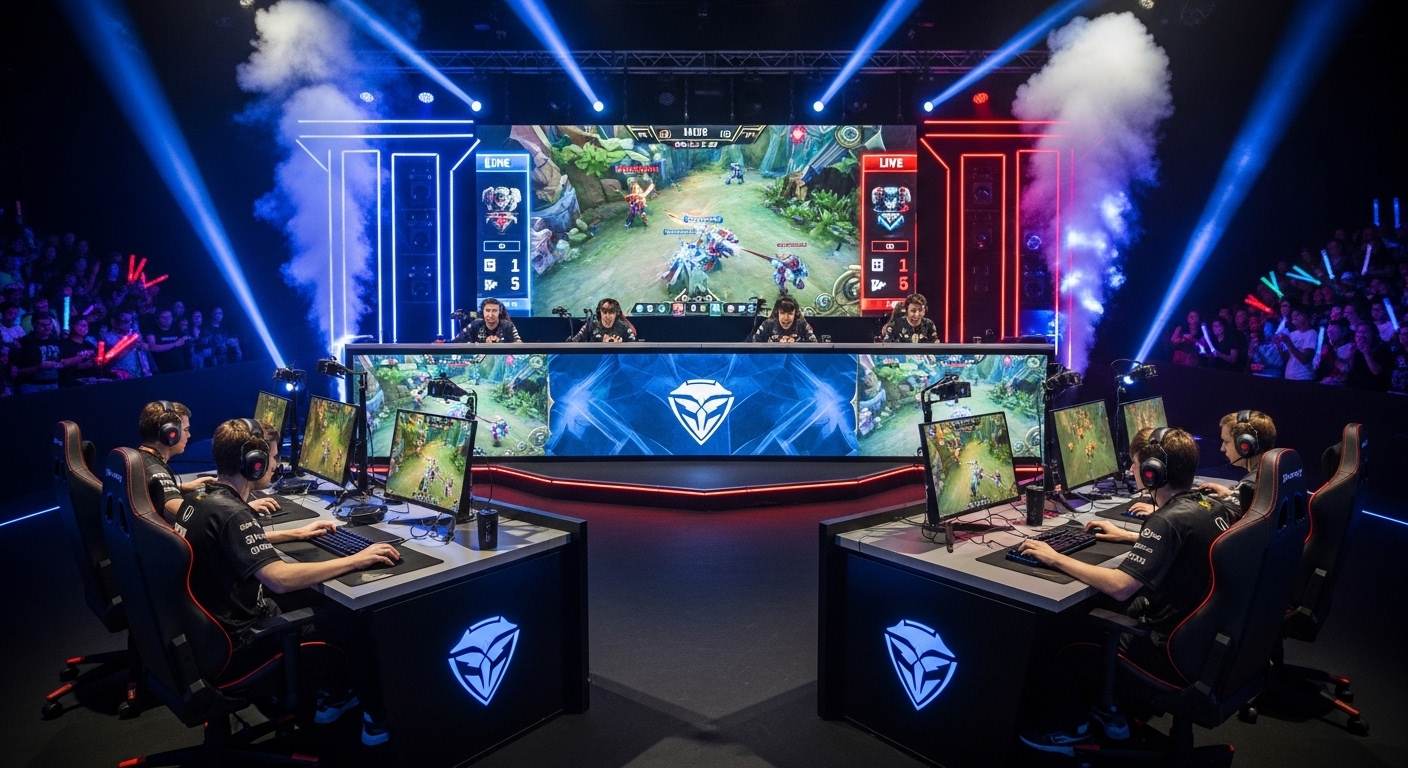
Esports encompasses a wide variety of game genres, each with its own fan base and competitive scene. Multiplayer Online Battle Arena games, or MOBAs, such as League of Legends and Dota 2, are among the most prominent. These games emphasize teamwork, strategy, and coordination, with tournaments offering multimillion-dollar prize pools.
First-person shooters, including Counter-Strike: Global Offensive, Call of Duty, and Valorant, focus on precision, reflexes, and tactical gameplay. Battle royale games like Fortnite and PUBG blend survival skills with strategy in large-scale competitions. Sports simulation games, including FIFA and NBA 2K, merge traditional sports with digital gameplay, attracting fans of real-world athletics. Each genre contributes to the diversity of esports, appealing to players with different skills and preferences.
Esports Teams and Organizations
Professional esports teams are central to the development of the industry. Teams recruit talented players, provide training facilities, and offer support in areas such as coaching, mental health, nutrition, and strategy development. Teams like Team Liquid, Fnatic, T1, and Cloud9 have become recognized brands within the esports community, competing at the highest levels across multiple game titles.
Esports organizations operate similarly to traditional sports franchises. They manage branding, merchandising, sponsorship deals, and fan engagement. Player contracts, transfers, and rivalries create a dynamic competitive ecosystem, fostering loyalty among fans and professional recognition for players. Teams serve as the backbone of the professional esports environment, ensuring consistency, structure, and a pathway to success for players.
The Role of Players and Streamers
Players are the heart of esports. Their skill, creativity, and dedication drive the industry. Professional esports athletes spend extensive hours practicing, analyzing opponents, and refining strategies. Success requires not only technical proficiency but also mental endurance, teamwork, and adaptability. Top players often become public figures, recognized for their talent, personality, and influence.
Streamers and content creators complement professional competition by engaging with audiences through live broadcasts and social media. Platforms such as Twitch and YouTube allow fans to watch gameplay, interact with players, and learn new strategies. Streamers have become influential cultural figures, promoting games, building communities, and shaping trends within the esports ecosystem.
Tournaments and Competitive Structures
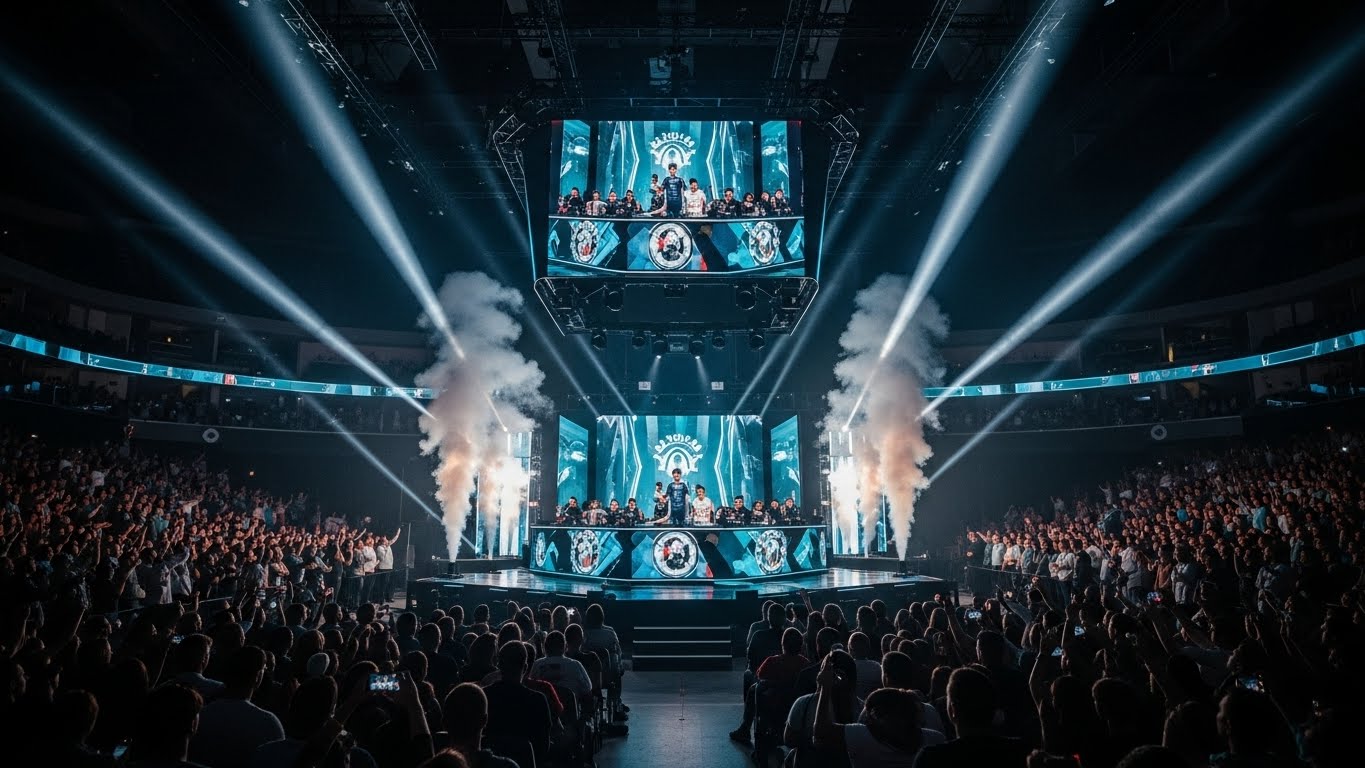
Esports tournaments have grown in scale, organization, and production quality. Events such as The International for Dota 2, the League of Legends World Championship, and the Fortnite World Cup attract millions of viewers both online and in-person. Prize pools for these events often reach tens of millions of dollars, reflecting the economic strength of the industry.
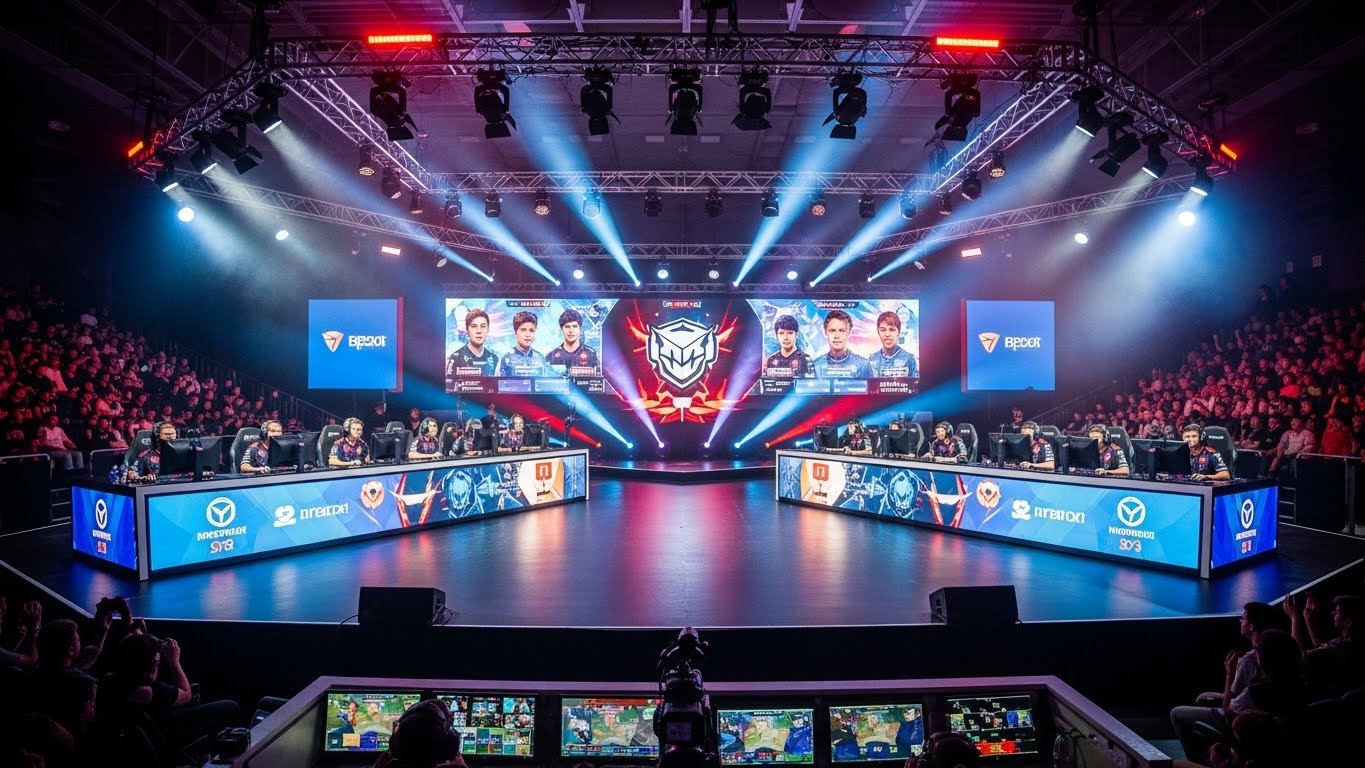
Tournaments follow structured formats, including round-robin leagues, knockout stages, and global qualifiers. Ranking systems, seasonal competitions, and regional leagues maintain engagement and competitive integrity. City-based franchise leagues, such as the Overwatch League and Call of Duty League, mirror traditional sports models, creating localized fan bases while maintaining global appeal.
The Economics of Esports
Esports has evolved into a multi-billion-dollar industry, generating revenue through sponsorships, advertising, media rights, merchandise, and ticket sales. Brands from technology companies to consumer goods actively invest in esports, recognizing its influence on younger demographics and global audiences.
Sponsorship deals provide financial stability for teams and tournaments, while streaming platforms monetize content through subscriptions, advertisements, and donations. Esports also stimulates local economies, as events hosted in arenas and convention centers generate tourism, hospitality, and employment opportunities. The economic impact of esports extends beyond gaming, influencing technology, marketing, and entertainment industries worldwide.
Technology and Innovation in Esports
Technology underpins every aspect of esports. High-performance computers, gaming peripherals, and fast internet connections enable competitive play at the highest level. Analytical tools and software help players and teams monitor performance, study opponents, and optimize strategies. Emerging technologies such as virtual reality and augmented reality are beginning to expand the possibilities for esports, offering immersive experiences for both players and audiences.
Artificial intelligence is increasingly applied in training simulations, content generation, and personalized viewer experiences. Streaming platforms leverage AI to recommend content, engage audiences, and enhance interactivity. The continuous integration of technology ensures that esports evolves alongside broader advancements in digital media and entertainment.
Global Reach and Cultural Impact
Esports has become a global phenomenon, transcending cultural and geographic boundaries. Major tournaments are broadcast in multiple languages, attracting international audiences and fostering cross-cultural exchange. Players and teams from different countries compete on a shared stage, creating a sense of unity and collaboration through gaming.
Esports also impacts education and career development. Universities offer scholarships for esports players, degree programs in game design and management, and research initiatives focused on competitive gaming. Career opportunities extend beyond playing, including coaching, event management, marketing, broadcasting, and technology development. The global influence of esports continues to grow, shaping culture, technology, and professional pathways.
Challenges and Controversies in Esports
Despite its rapid growth, esports faces several challenges. Player burnout, mental health issues, and intense competition create significant pressure. Ethical concerns such as cheating, match-fixing, and doping occasionally arise, necessitating strict regulations and oversight.
The industry also confronts issues of diversity, inclusion, and accessibility. Ensuring fair treatment, combating toxicity, and maintaining balanced representation are ongoing challenges for organizations and governing bodies. Addressing these concerns is essential for sustaining the credibility, growth, and integrity of esports as a professional and cultural phenomenon.
Community and Fan Engagement
Community engagement is at the core of esports. Fans interact with players, teams, and other viewers through social media, forums, and live events. Online communities foster collaboration, mentorship, and shared passion, strengthening loyalty and shaping industry culture.
Fan-created content, grassroots tournaments, and interactive experiences allow the community to participate actively in the ecosystem. This engagement ensures that esports remains dynamic, inclusive, and culturally relevant. The relationship between players, teams, and fans is symbiotic, with each contributing to the growth and vibrancy of the industry.
The Future of Esports
The future of esports is poised for continued growth and innovation. Advances in virtual reality, cloud gaming, and artificial intelligence will create immersive and interactive experiences for players and audiences. Expansion into emerging markets will diversify the industry, while educational programs and professionalization will establish clear pathways for aspiring esports professionals.
Esports may increasingly integrate with traditional sports, media, and entertainment, creating hybrid experiences that attract broader audiences. Its global reach ensures that esports will continue to influence popular culture, technology, and entertainment for decades to come.
Conclusion
Esports has evolved from a niche hobby to a global cultural and economic powerhouse. It combines skill, strategy, technology, and community to create an interactive and immersive form of entertainment. From local LAN competitions to international tournaments with millions of viewers, esports demonstrates the power of gaming as both profession and pastime.
With professional players, dedicated teams, sophisticated tournaments, and engaged communities, esports represents a new era of competitive entertainment. The industry continues to expand, blending tradition with innovation and offering opportunities for millions of people worldwide. Esports is more than just gaming—it is a global