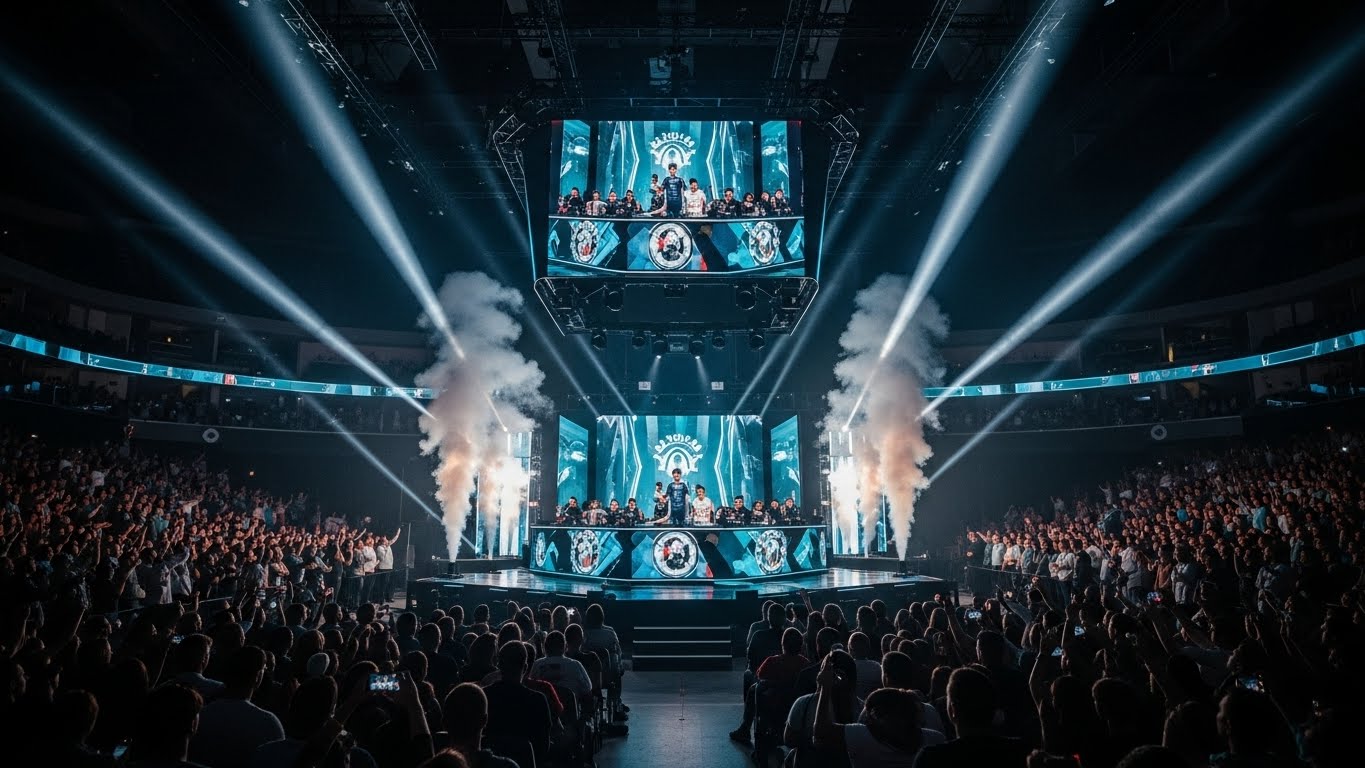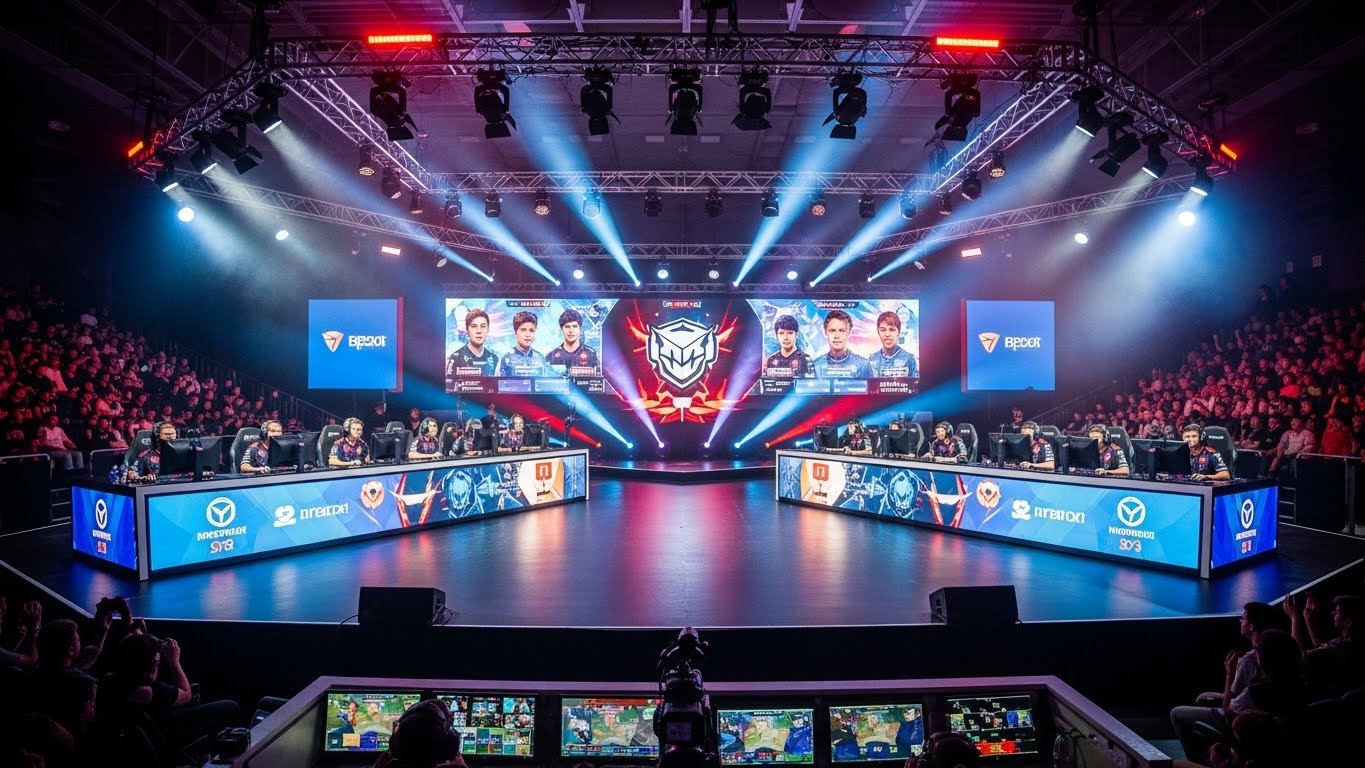
Esports, short for electronic sports, has rapidly grown from a niche pastime to a global entertainment industry worth billions of dollars. What began as friendly competitions between local players has transformed into professional tournaments watched by millions worldwide. With this rise, esports has not only redefined how games are played and experienced but has also had a profound impact on how games are designed. Developers now actively consider competitive balance, viewer engagement, and long-term playability during the design process. Esports has fundamentally reshaped modern game design, influencing everything from mechanics and aesthetics to user interfaces and post-launch updates.
In this blog, we will explore in depth how esports influences game design, what design principles have emerged from the competitive gaming scene, and how developers craft games that can thrive both as interactive experiences and as global spectator sports.
The Evolution of Esports and Its Influence on Game Design
To understand esports’ impact on game design, it is important to look back at how competitive gaming evolved. In the early 1990s and 2000s, games like Quake, StarCraft, and Counter-Strike began to attract dedicated competitive communities. Developers at that time did not necessarily design these games with esports in mind, yet players discovered that the mechanics and balance of these titles allowed for deep competitive play.
As tournaments and professional scenes began to form, developers took notice. The longevity and popularity of competitive titles demonstrated that well-balanced, skill-based games could generate sustained interest for years, far beyond the average game’s lifespan. This realization marked a turning point: studios started to integrate esports considerations directly into the design process.
Today, major titles such as League of Legends, Dota 2, Valorant, Overwatch, and Fortnite are not just games—they are esports ecosystems. Developers craft these experiences with both player skill and spectator enjoyment in mind, creating a unique design philosophy that prioritizes clarity, balance, and competitiveness.
Core Design Principles Influenced by Esports
The rise of esports has led to the development of several design principles that define modern competitive games. These principles guide developers in creating experiences that are engaging for both players and audiences.
1. Competitive Balance
At the heart of any successful esports title lies competitive balance. Players must feel that victory is determined by skill, not by random chance or overpowered mechanics. Developers meticulously analyze every character, weapon, or ability to ensure fairness across the board.
Balance patches are now a regular part of game design. Developers release frequent updates to adjust statistics, modify abilities, and fine-tune interactions. This ongoing balancing process keeps the game fresh and ensures that no single strategy or character dominates the meta.
2. Skill Expression
Esports emphasizes mastery, so games must offer depth that rewards practice and precision. Mechanics such as recoil control, timing, movement, and teamwork all contribute to a player’s ability to improve. Developers design systems that provide a high skill ceiling while remaining accessible to beginners.
For instance, League of Legends offers simple core mechanics like movement and attack, but mastering timing, positioning, and resource management can take years. This balance between accessibility and mastery keeps both casual and professional players engaged.
3. Spectator Clarity
Unlike traditional games designed solely for players, esports titles must also be enjoyable to watch. Developers design user interfaces and visual effects that make it easy for spectators to follow the action.
Visual clarity plays a crucial role—each ability, projectile, and animation must be distinct enough for viewers to understand what is happening. Developers often use color coding, camera angles, and overlay information to highlight key moments during matches.
Spectator modes and replay tools are also essential design features in esports games, allowing broadcasters to analyze plays, switch perspectives, and showcase the strategic depth of the game.
Designing Maps and Environments for Competition
Map design is one of the most critical aspects of esports-oriented game development. A well-designed map promotes fairness, strategic variety, and engaging gameplay. Developers consider factors such as symmetry, sightlines, cover placement, and choke points to create balanced arenas for competition.
For example, in Counter-Strike: Global Offensive, maps like Dust II and Mirage are iconic for their perfect blend of simplicity and tactical depth. Both teams have equal opportunities to control key areas, and each match unfolds differently based on players’ strategies. Similarly, Overwatch and Valorant maps are designed to offer multiple routes, ensuring that players can approach objectives in diverse ways.
Environmental design also considers the viewing experience. Maps are built to be visually clear, preventing clutter that might confuse players or spectators. Developers ensure that colors, lighting, and terrain design all contribute to both gameplay balance and visual readability.
The Role of Data in Esports Game Design
Data-driven design has become a defining feature of modern esports development. Developers now collect and analyze massive amounts of gameplay data from millions of matches to identify trends, imbalances, and areas for improvement.
For instance, win rates, pick rates, and player feedback all inform balance updates. If a certain weapon or character has an unusually high success rate, developers investigate whether it provides an unfair advantage. Similarly, match duration data helps determine whether pacing adjustments are needed to make games more dynamic and entertaining.
This data-driven approach ensures that esports games evolve continuously based on real-world performance. It allows developers to make informed design decisions, keeping the game healthy and fair for both casual and professional players.
Accessibility and Learning Curve
One of the challenges of designing an esports title is balancing complexity with accessibility. Developers must ensure that new players can learn the game easily while still providing enough depth to keep experienced players engaged.
Tutorials, training modes, and ranked systems help players gradually understand game mechanics. Developers often implement progression systems that reward learning, allowing players to develop their skills over time. Esports has shown that games with clear learning paths and rewarding skill development can maintain a loyal player base for years.
Esports and Visual Design
The visual design of esports titles has also evolved to accommodate competitive needs. Developers focus on clarity, readability, and performance. While realistic graphics can be appealing, they sometimes make it difficult to track fast-paced action.
Therefore, many esports games use stylized visuals that enhance gameplay visibility. Bright colors, distinct character silhouettes, and clean user interfaces make it easier for both players and viewers to follow what’s happening. Performance optimization is equally crucial; consistent frame rates and low input lag are essential for competitive integrity.
In essence, visual design in esports is not just about aesthetics—it is about functionality and clarity. Every visual element serves a purpose, whether it’s communicating information, guiding player focus, or highlighting key moments.
The Psychological Aspect of Esports Game Design
Esports developers also pay close attention to the psychological experience of players. Competitive gaming can be intense, and design choices influence how players feel during matches.
Reward systems, progression ranks, and matchmaking algorithms are designed to motivate players while maintaining fairness. Developers often include ranking systems that reflect a player’s true skill level, creating a sense of achievement as they climb the ladder.
Furthermore, psychological considerations extend to teamwork and communication. Many esports titles encourage cooperation by providing in-game tools like pings, quick commands, and voice chat, ensuring players can coordinate effectively even without verbal communication.
Long-Term Engagement and Live Service Design
Esports titles are designed for longevity. Developers adopt live service models to keep players engaged for years. This involves releasing new content, updating balance patches, hosting seasonal events, and introducing cosmetic rewards.
Regular updates not only maintain competitive balance but also keep the community active. Seasonal changes refresh the meta and create anticipation for new strategies. Games like Fortnite and Apex Legends exemplify how ongoing updates can sustain excitement within both the casual and competitive communities.
In addition, live service design allows developers to respond quickly to player feedback, ensuring the game continues to evolve alongside its audience. This dynamic approach is a direct result of the influence of esports on modern game design philosophy.
Integrating Esports Features into Game Design
Developers now integrate esports-focused features directly into the core design of their games. Some of these include:
- Spectator and Observer Tools: Allow viewers and broadcasters to follow matches from multiple angles.
- Replay Systems: Enable players and teams to review gameplay for analysis and improvement.
- Tournament Modes: Provide in-game infrastructure for hosting professional competitions.
- Anti-Cheat Systems: Maintain competitive integrity by preventing unfair play.
These features ensure that games are ready for professional competition from the moment they launch. They also demonstrate how esports considerations have become inseparable from game design itself.
The Impact of Esports on Game Genres
Esports has also influenced the evolution of entire game genres. The popularity of certain esports titles has encouraged developers to create similar experiences or expand existing genres to include competitive elements.
The rise of League of Legends and Dota 2 popularized the Multiplayer Online Battle Arena (MOBA) genre. Similarly, Counter-Strike and Call of Duty shaped the tactical shooter genre. Battle royale games like Fortnite and PUBG took inspiration from competitive principles, focusing on skill, strategy, and tension.
Developers now consider esports potential when designing new games. They focus on replayability, competitive fairness, and audience engagement, ensuring that their titles have the depth and excitement needed for long-term success.
Community Feedback and Collaborative Development
Esports has made game design more collaborative than ever. Developers actively engage with their communities through forums, social media, and test servers. Professional players, content creators, and dedicated fans often provide valuable feedback that influences design decisions.
This open communication helps developers identify balance issues and quality-of-life improvements quickly. In some cases, community-driven ideas even inspire new features or modes. By maintaining an ongoing dialogue with players, developers ensure that their games remain relevant, fair, and enjoyable.
Future Directions: Esports and Emerging Technologies
As technology evolves, the influence of esports on game design will only grow stronger. Virtual reality (VR) and augmented reality (AR) are opening new possibilities for immersive competitive experiences. Developers are also exploring artificial intelligence (AI) tools for balance testing and match analysis.
Cloud gaming and cross-platform play are expanding accessibility, allowing more players to participate in esports without expensive hardware. These innovations will redefine how competitive games are designed and experienced, further blurring the line between traditional sports and digital competition.
Conclusion
Esports has revolutionized the world of game design. It has transformed how developers think about gameplay balance, player engagement, and spectator experience. Today’s games are no longer static products; they are evolving ecosystems shaped by competitive play and community feedback.
Through esports, developers have learned that designing for both players and audiences creates deeper, more enduring experiences. From balance updates to live-service models, every aspect of modern game design now reflects the principles of competition, clarity, and continuous improvement.
As the esports industry continues to grow, its influence on game design will become even more profound. The next generation of games will not just entertain—they will inspire mastery, foster community, and redefine what interactive entertainment can achieve. Esports has become more than a trend; it is a creative revolution that continues to shape the future of gaming itself.