Introduction: The Rise of Esports
Esports, or competitive gaming, has transformed from a niche hobby into a global phenomenon. What was once considered casual entertainment has evolved into a professional industry attracting millions of players, spectators, and investors worldwide. Modern esports tournaments rival traditional sporting events in scale and excitement, offering enormous prize pools, sponsorship deals, and international recognition. This blog explores the evolution, impact, and future of esports as it continues to redefine the boundaries of competition and entertainment.
The Evolution of Competitive Gaming
Esports has a history that spans decades, beginning with early multiplayer games in arcades and local networks. Titles like Street Fighter, StarCraft, and Counter-Strike laid the foundation for competitive gaming, attracting small but dedicated communities. The advent of online gaming in the early 2000s allowed players from different regions to compete in real-time, creating the first large-scale esports competitions.
Over time, the growth of streaming platforms and social media accelerated esports’ popularity. Games like League of Legends, Dota 2, and Fortnite have cultivated massive audiences, turning players into celebrities and competitions into spectacles. Today, esports has professional leagues, franchised teams, and official tournaments that mirror the structure of traditional sports.
Major Esports Titles and Their Impact
Different games define the esports landscape, each with its own community, style, and competitive structure. Multiplayer online battle arena (MOBA) games like League of Legends and Dota 2 focus on teamwork, strategy, and coordination. First-person shooters (FPS) such as Counter-Strike: Global Offensive and Call of Duty emphasize precision, reaction time, and tactical thinking. Battle royale games like Fortnite and Apex Legends combine survival instincts with creativity, making matches unpredictable and exciting.
Each game not only attracts players but also shapes the culture of esports. Professional players become role models for aspiring gamers, and fans engage through live streams, forums, and fan art. The diversity of titles ensures that esports appeals to a wide audience, from casual spectators to hardcore competitors.
The Business of Esports
Esports is now a multi-billion-dollar industry, driven by sponsorships, advertising, merchandise, and ticket sales. Brands recognize the potential of esports to reach younger, tech-savvy audiences, leading to partnerships with teams, tournaments, and content creators. Streaming platforms generate revenue through subscriptions and advertisements, while tournament organizers offer large prize pools to attract top talent.
The professionalization of esports has created career opportunities beyond playing. Coaches, analysts, commentators, event managers, and content creators are essential parts of the ecosystem. Universities are even offering scholarships for esports athletes, highlighting its legitimacy as a career path. As the industry continues to grow, esports is not only a form of entertainment but also a significant economic driver.
Esports and Global Community
One of the most compelling aspects of esports is its ability to connect people worldwide. Unlike traditional sports, esports can be played and watched online, transcending geographical barriers. Fans from different continents can interact in real-time during tournaments, sharing strategies, cheering for players, and forming communities.
Esports also fosters inclusivity. Players of different ages, genders, and backgrounds can compete on equal footing, making it one of the most accessible competitive arenas. This global community strengthens cultural exchange, collaboration, and appreciation for diverse play styles. In essence, esports creates a digital space where passion and skill unite people beyond borders.
Mental and Physical Challenges in Esports
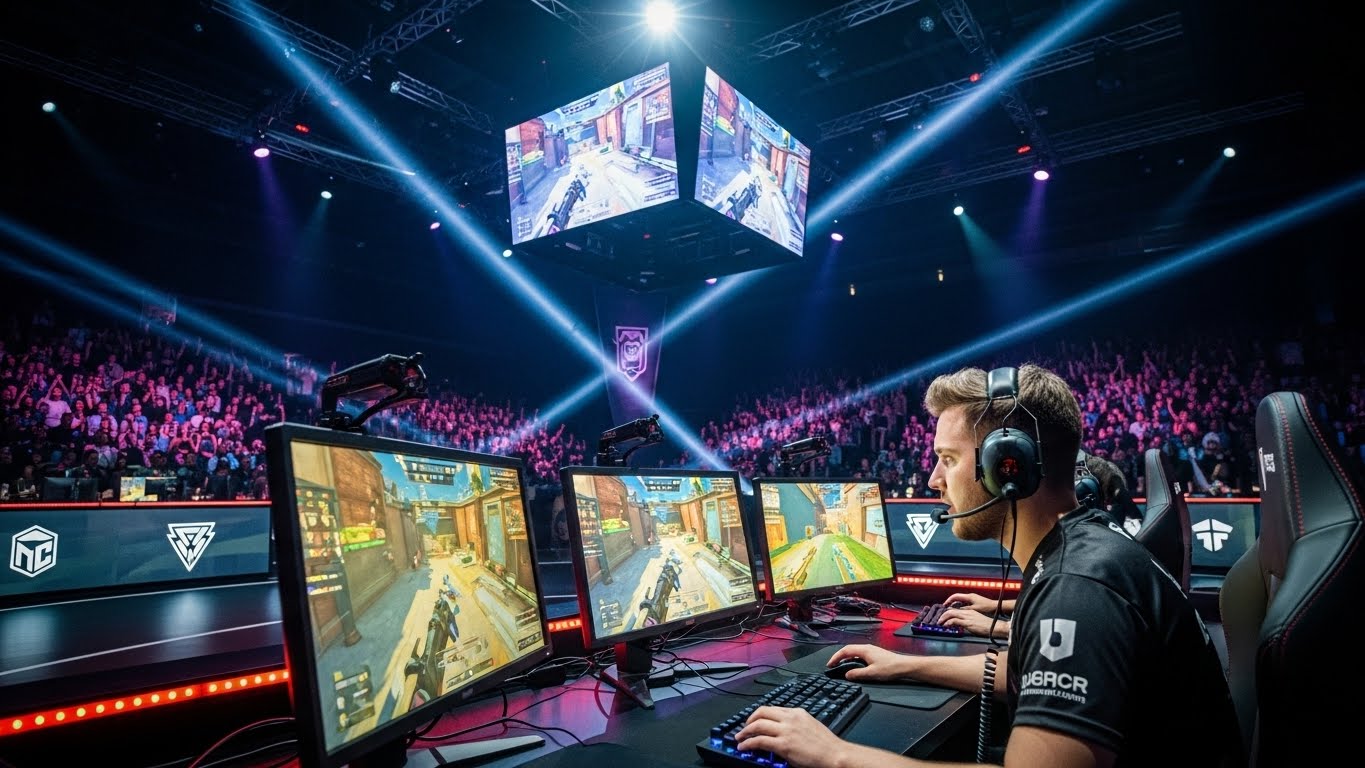
While esports may appear as purely recreational, professional players face significant mental and physical challenges. High-level gaming demands exceptional hand-eye coordination, reflexes, strategic thinking, and teamwork. Players often train for several hours a day to maintain competitive performance, similar to traditional athletes.
Mental resilience is equally important. Pressure to perform, public scrutiny, and long hours in front of screens can lead to stress, anxiety, and burnout. Organizations increasingly recognize the importance of mental health support, implementing counseling, wellness programs, and structured schedules to sustain player performance. Physical fitness, proper posture, and regular exercise are also emphasized to prevent injuries like carpal tunnel syndrome or eye strain.
The Role of Streaming and Content Creation
Streaming platforms have played a pivotal role in popularizing esports. Platforms allow players to broadcast gameplay to millions of viewers, creating interactive experiences where fans can chat, donate, and engage with their favorite gamers. Content creation, including tutorials, highlights, and vlogs, expands the reach of esports beyond competitions.
Influencers and streamers have become central to esports culture. They not only entertain but also educate, offering strategies, commentary, and insights into professional play. For many, watching streams is a social activity, fostering community engagement and creating shared experiences around gaming culture.
Esports Tournaments and Spectacle
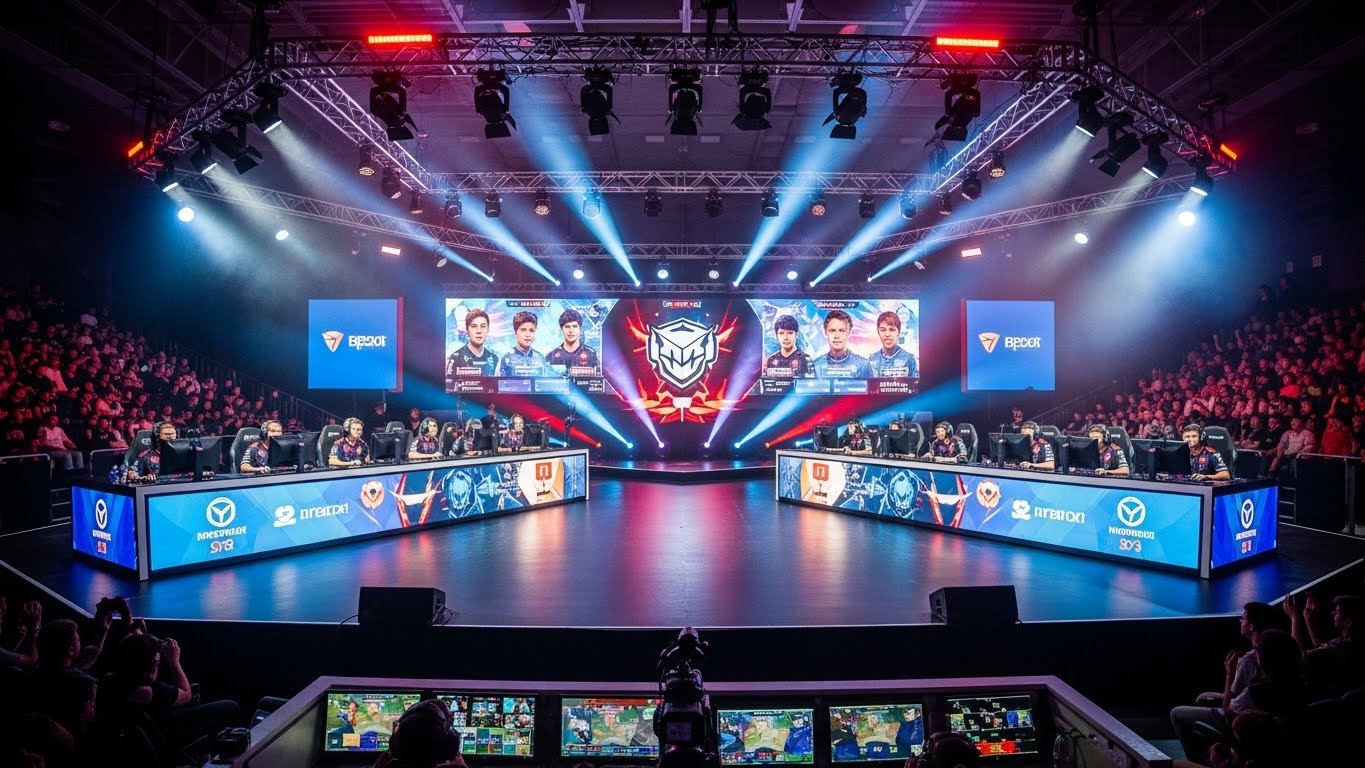
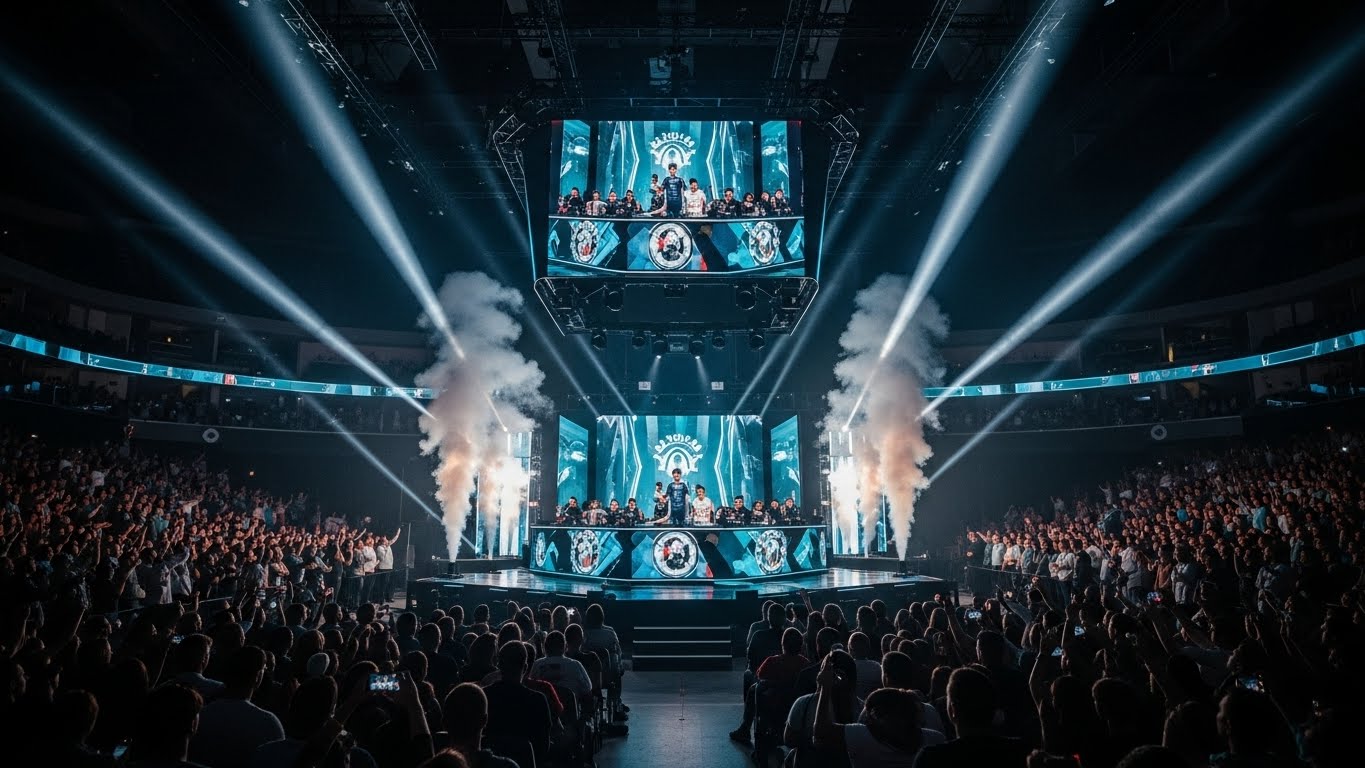
Tournaments are the heart of esports, showcasing skill, strategy, and entertainment. Events like the League of Legends World Championship, Dota 2’s International, and Fortnite World Cup attract millions of viewers and offer prize pools in the millions. These competitions are meticulously organized, with live broadcasts, professional commentary, and stage productions rivaling those of traditional sports events.
The spectacle of esports extends beyond gameplay. Cosplay, fan art, live performances, and interactive events enhance the overall experience, making tournaments immersive for fans. The combination of competition and entertainment distinguishes esports, creating a unique cultural phenomenon that blends sportsmanship with showmanship.
Technological Innovation in Esports
Esports thrives on technological advancements. High-performance gaming PCs, low-latency internet connections, and professional peripherals ensure a fair and competitive environment. Virtual reality and augmented reality are starting to influence competitive gaming, offering new modes of interaction and engagement. Analytics and AI tools are helping teams study strategies, track player performance, and optimize training.
Technology also impacts how audiences consume esports. Real-time statistics, multiple camera angles, and interactive features create engaging viewing experiences. As technology evolves, the boundary between players and spectators blurs, transforming esports into a dynamic, participatory medium.
Esports and Traditional Sports Integration
Interestingly, esports and traditional sports are increasingly intersecting. Professional sports organizations are investing in esports teams, while traditional athletes explore gaming as a competitive outlet. Concepts like virtual stadiums, online leagues, and hybrid tournaments highlight the synergy between physical and digital sports.
This integration validates esports as a legitimate form of competition and entertainment. It demonstrates that skill, strategy, and teamwork are valued across both domains, fostering collaboration and innovation in the broader sporting world.
The Future of Esports
The future of esports promises continued growth and transformation. Emerging technologies such as AI-driven training, VR tournaments, and global leagues will expand competitive possibilities. Greater recognition from educational institutions, corporations, and media outlets will solidify esports’ place as a mainstream cultural phenomenon.
Challenges remain, including player welfare, regulation, and sustainability of the industry. However, with strategic planning and innovation, esports is poised to maintain its upward trajectory, influencing entertainment, culture, and society for years to come.
Conclusion: More Than a Game
Esports is more than a pastime; it is a transformative force redefining competition, entertainment, and community. From humble beginnings in arcades to global tournaments with millions of viewers, esports has demonstrated that digital skill and teamwork can rival traditional sports. The industry continues to grow, fueled by innovation, engagement, and passion.
As esports evolves, it offers not only entertainment but also economic opportunities, social connections, and inspiration for aspiring players worldwide. Whether you are a casual viewer, a competitive gamer, or an industry professional, the world of esports is a space where talent, technology, and culture converge, creating experiences that are both thrilling and transformative.