The world of competitive gaming, commonly known as esports, has evolved from a niche hobby to a global phenomenon. With millions of players and fans worldwide, esports has not only become a professional industry but also a cultural movement influencing technology, entertainment, and even education. Unlike traditional sports, esports thrives entirely in digital arenas, offering a unique blend of competition, strategy, and community. In this post, we’ll explore the rise of esports, its structure, major games, the players behind the screen, and its broader impact on society.
The Rise of Esports: From LAN Parties to Global Arenas
Esports has a humble beginning that traces back to local gaming competitions and early arcade tournaments. In the 1980s and 1990s, gamers would gather in small venues to compete in titles like Pac-Man and Street Fighter. These gatherings laid the foundation for structured competitive gaming. The turning point, however, came with the rise of the internet and multiplayer online games. Online platforms allowed players to connect from different corners of the world, creating a global network for competition.
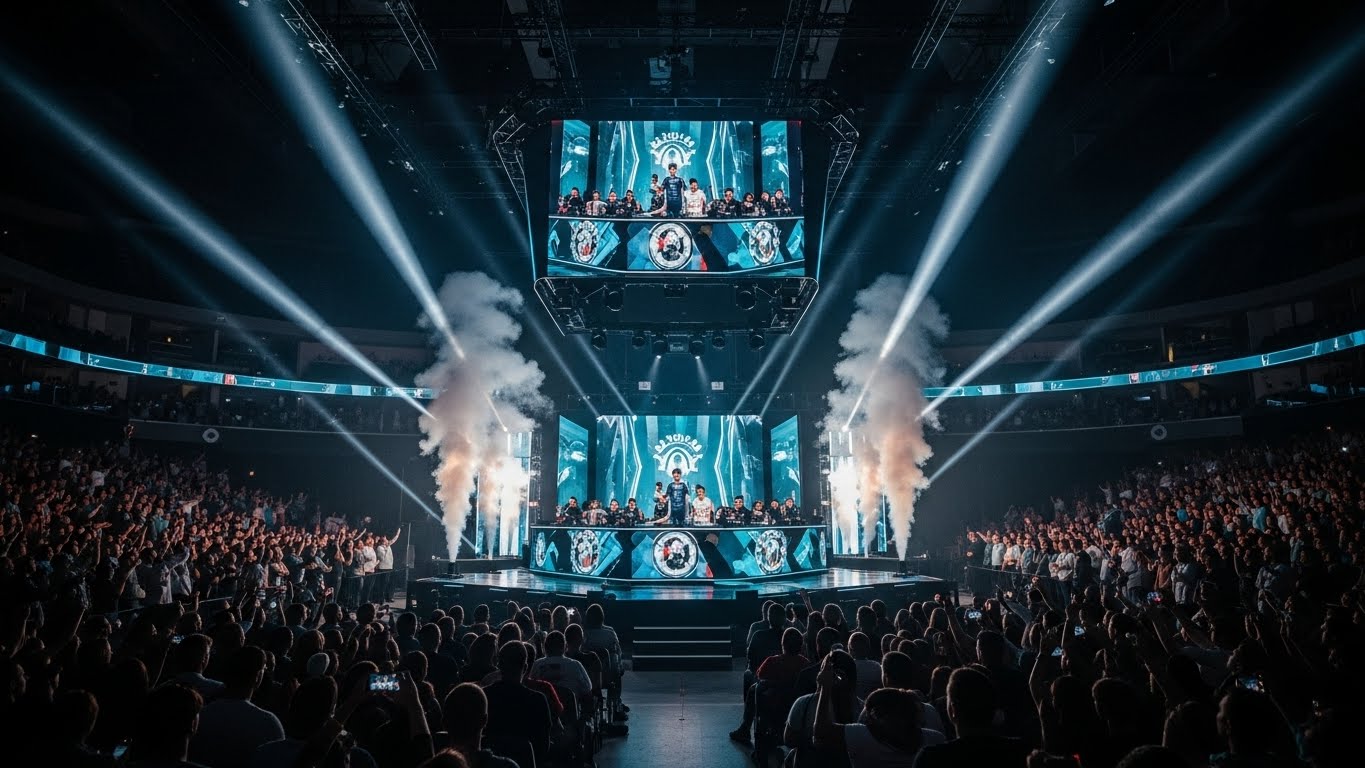
As broadband internet became widespread, tournaments grew in scale, and professional teams started to form. The early 2000s saw the emergence of titles such as Counter-Strike and StarCraft, which helped define professional esports. With the advancement of streaming technology in the 2010s, platforms dedicated to broadcasting live gaming events emerged, allowing fans to watch their favorite players and teams compete in real-time. Today, esports events attract stadium-sized audiences, sponsorship deals, and millions of viewers online, rivaling traditional sports in popularity.
Understanding the Structure of Esports
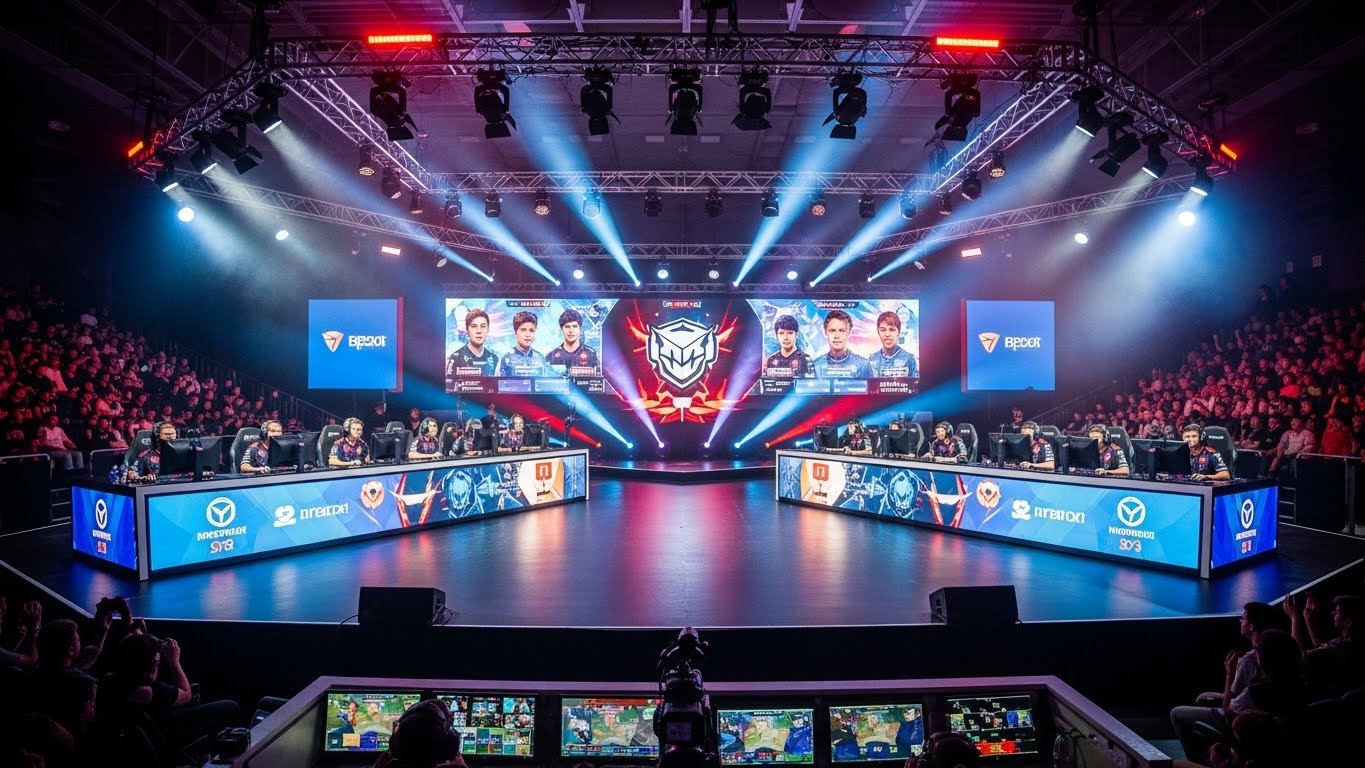
Esports may appear chaotic to outsiders, but it operates under highly organized structures similar to traditional sports. Competitions are divided into tournaments, leagues, and championships, each with its own set of rules and formats. Leagues can be regional or global, with professional teams competing over weeks or months for rankings and prize money.
Most esports leagues operate with a franchise model, where teams are permanently part of a league and compete in scheduled seasons. Tournaments, on the other hand, are often single events that invite teams to compete for a specific prize pool. These events can be offline, held in physical arenas, or online, accessible to anyone with an internet connection. The industry also supports amateur and semi-professional players through open qualifiers and community leagues, ensuring a continuous pipeline of talent.
Popular Esports Games and Genres
Esports encompasses a wide variety of games, each requiring distinct skills and strategies. While the genre is diverse, some types dominate the competitive scene:
- First-Person Shooters (FPS): Games like Counter-Strike: Global Offensive, Call of Duty, and Valorant emphasize precision, reflexes, and teamwork. FPS esports often revolve around tactical coordination and quick decision-making.
- Multiplayer Online Battle Arenas (MOBA): Titles like League of Legends and Dota 2 are known for their strategic depth and long matches. Teams must work together to destroy opponents’ bases while managing resources and character abilities.
- Battle Royale: Games such as Fortnite and PUBG challenge players to survive in large-scale maps, often requiring adaptive strategies and quick thinking. Their dynamic environments make every match unique.
- Sports Simulations: Virtual representations of traditional sports like FIFA, NBA 2K, and Madden NFL provide esports versions of popular athletic competitions. These games attract both gaming fans and traditional sports enthusiasts.
- Fighting Games: Games like Street Fighter and Super Smash Bros emphasize individual skill and reflexes, often leading to intense one-on-one battles in tournaments.
The diversity of games ensures that esports caters to a broad audience, with fans specializing in different genres and following specific competitive scenes closely.
The Professional Player: Life Behind the Screen
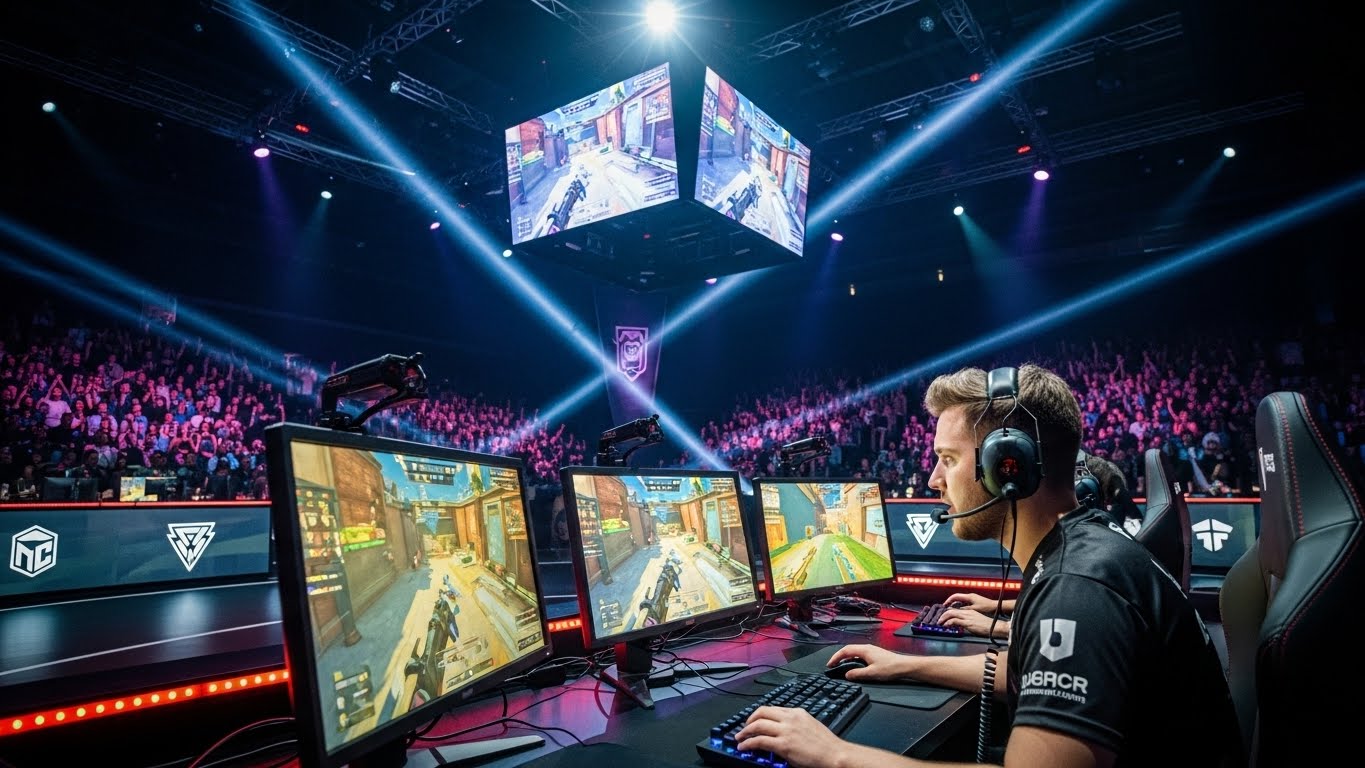
Professional esports players are athletes in every sense, dedicating long hours to practice, strategy, and teamwork. Unlike traditional sports, esports requires cognitive skills, hand-eye coordination, and rapid decision-making. Players often begin their careers at a young age, honing their skills through local competitions and online platforms.
Training for esports involves more than just gameplay. Professional teams employ coaches, analysts, and even psychologists to optimize performance. Players must maintain physical health through exercise and diet to prevent repetitive strain injuries, eye fatigue, and mental burnout. While the lifestyle may seem glamorous, it is also highly demanding, with rigorous schedules, travel for tournaments, and the pressure to perform consistently.
Esports as an Industry: Money, Sponsorships, and Careers
Esports is now a multi-billion-dollar industry, with revenue streams from tournaments, sponsorships, streaming platforms, and merchandise. Major companies sponsor teams and players, providing funding for salaries, equipment, and travel. The competitive scene also offers lucrative prize pools, sometimes reaching millions of dollars for international championships.
Beyond professional players, esports creates opportunities in coaching, content creation, event management, broadcasting, and game development. Streaming platforms allow gamers to earn income through subscriptions, donations, and advertising, making esports not only a competitive pursuit but also a viable career path.
The Cultural Impact of Esports
Esports has reshaped digital culture, influencing how people socialize, consume media, and interact online. Communities form around games, creating spaces for fans to discuss strategies, celebrate victories, and share content. Esports has also played a role in breaking down barriers between countries, allowing international competitions that bring together diverse audiences.
Moreover, esports has influenced education, with schools and universities offering programs in gaming, game design, and esports management. Scholarships for esports players are now common, recognizing gaming as a legitimate talent and career path. The inclusion of esports in academic programs also emphasizes teamwork, strategy, and critical thinking, skills transferable beyond gaming.
Challenges Facing the Esports Industry
Despite its rapid growth, esports faces several challenges. Player burnout, mental health issues, and the pressure of constant competition remain major concerns. The industry is also criticized for lack of regulation, inconsistent salaries, and exploitation of young talent. Furthermore, the competitive environment can be toxic, with harassment and unsportsmanlike behavior affecting both players and fans.
Another challenge is sustainability. Unlike traditional sports, esports relies heavily on technology and online infrastructure. Server issues, game balance changes, and reliance on specific titles can impact the longevity and stability of esports careers and leagues.
The Future of Esports: Growth, Innovation, and Mainstream Recognition
The future of esports looks promising. Advancements in virtual reality, augmented reality, and AI-driven coaching tools are set to redefine the competitive gaming experience. Esports events are likely to become even more immersive, with virtual arenas and interactive fan experiences enhancing engagement.
Mainstream recognition continues to grow as esports enters the conversation alongside traditional sports. Some countries are including esports in national sports programs, while global events like international championships are broadcast on major television networks. The blending of technology, entertainment, and competition ensures that esports will remain at the forefront of digital culture for years to come.
Conclusion
Esports has come a long way from its humble beginnings in local gaming tournaments. Today, it stands as a testament to human creativity, strategy, and the power of technology in connecting people worldwide. With professional players, organized leagues, diverse games, and a global fanbase, esports has redefined what it means to compete in the digital age. As it continues to grow, esports is not just a form of entertainment but a cultural force shaping the future of gaming, media, and community. The digital arena is here to stay, and its influence is only set to expand.