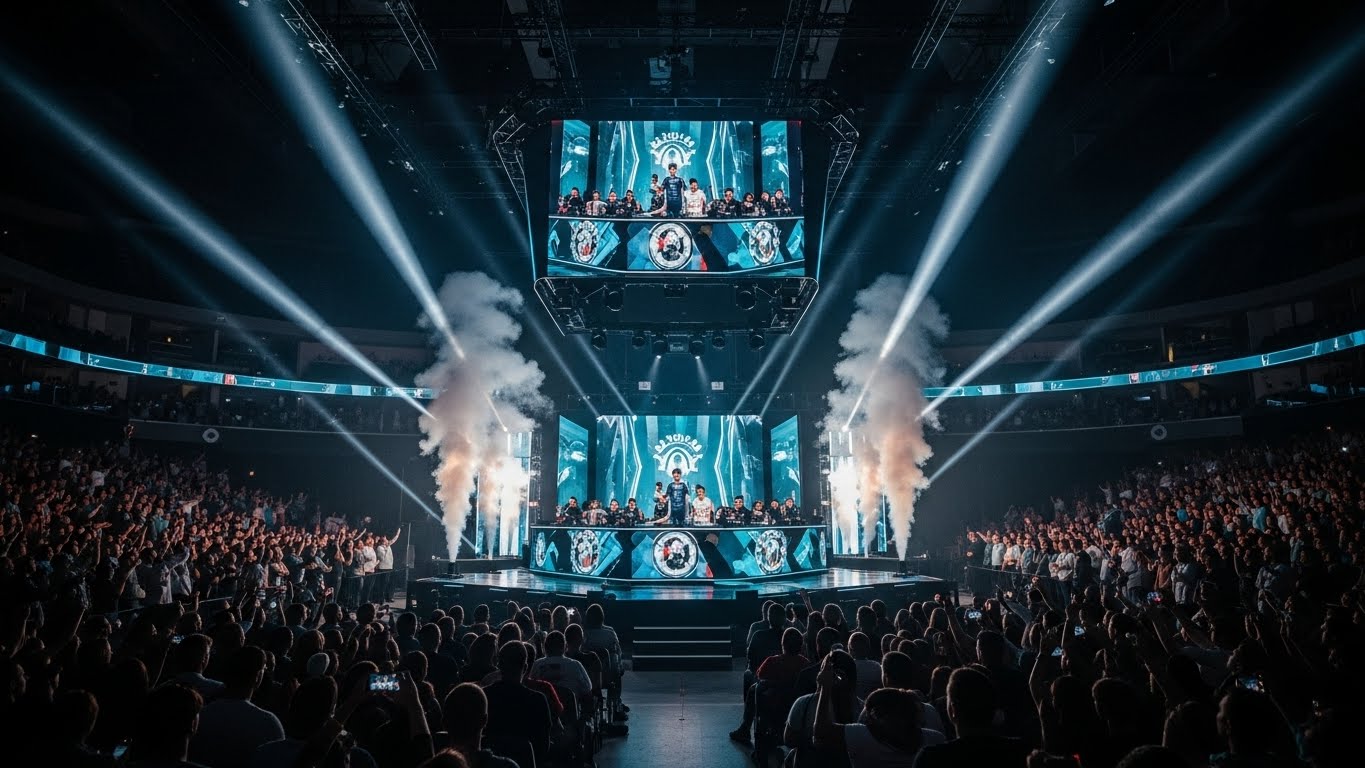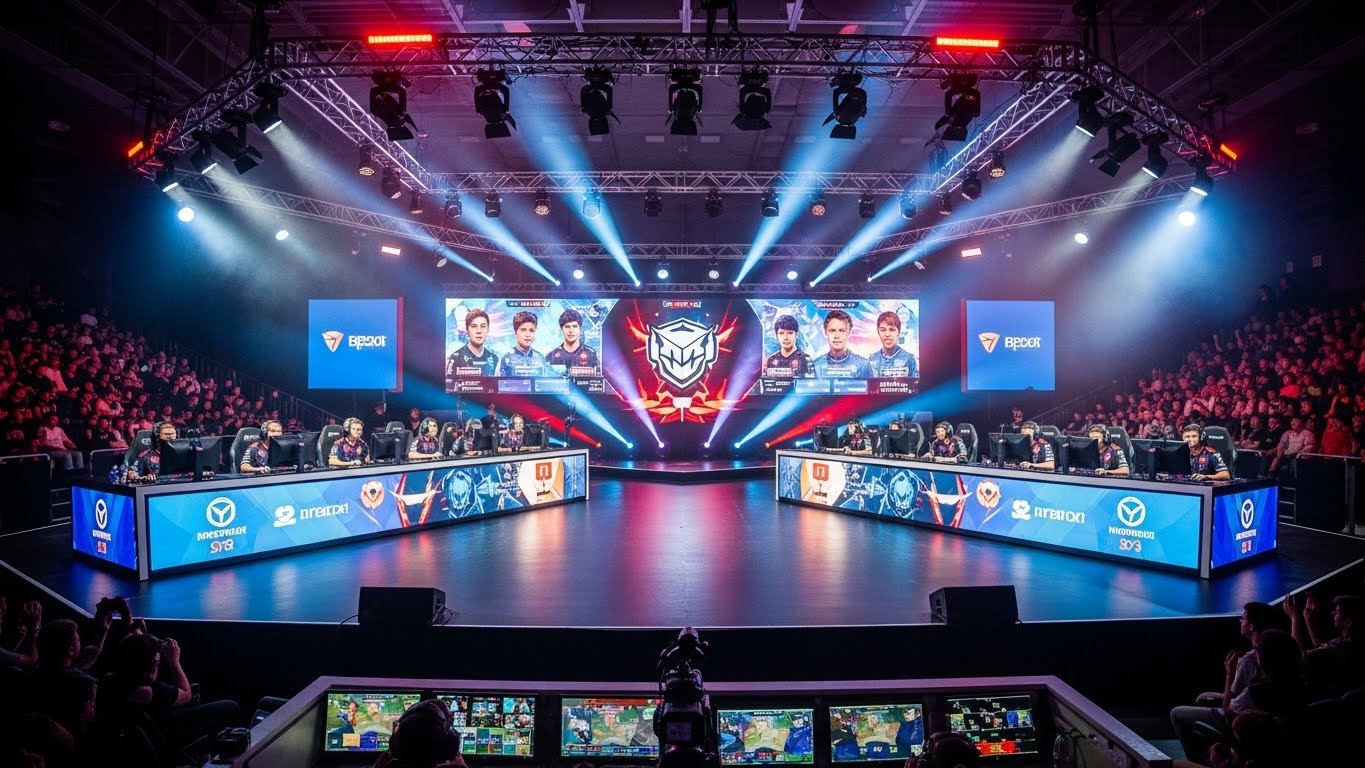
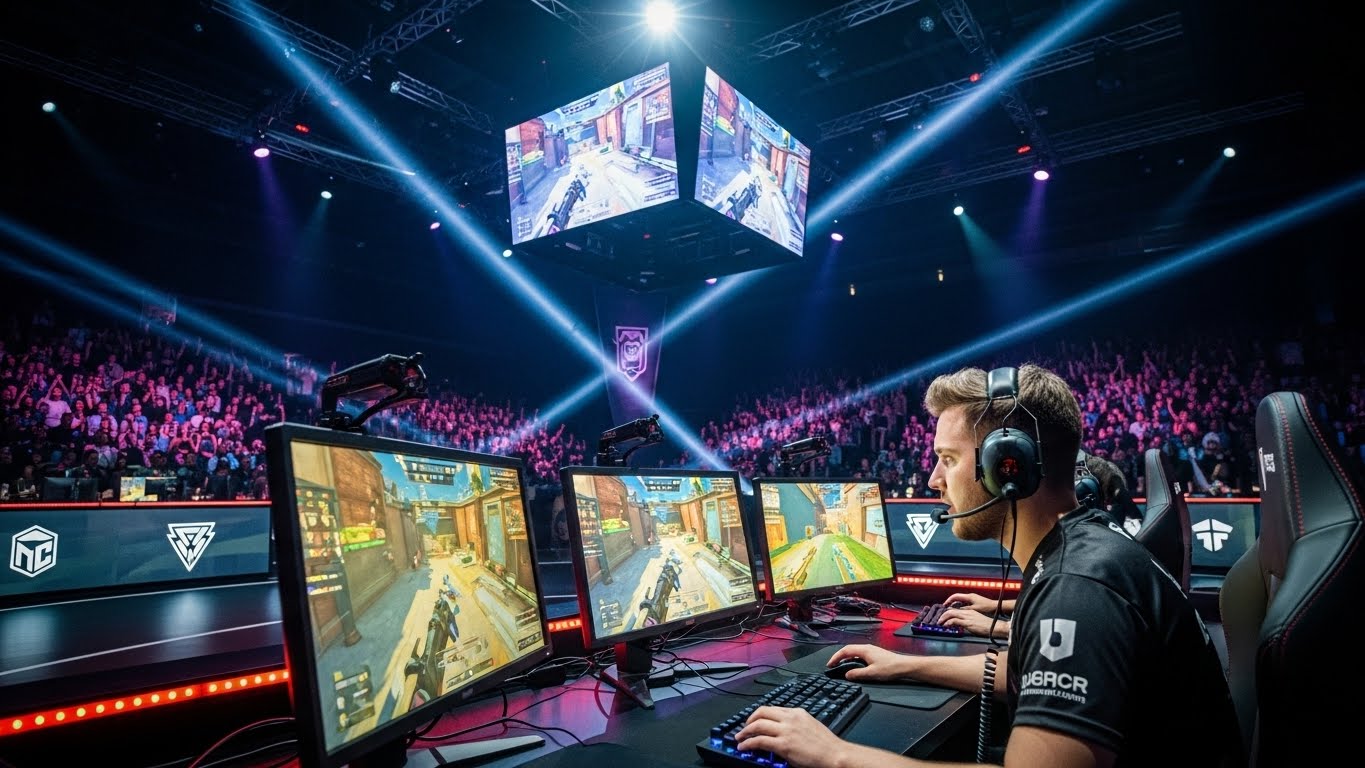
Esports, or electronic sports, has transformed the world of gaming from a casual pastime into a competitive, professional, and globally recognized industry. What once was considered a niche hobby enjoyed by a select few has now become a multi-billion-dollar enterprise with millions of fans, professional players, and international tournaments. The meteoric rise of esports has changed the perception of gaming, positioning it as both a legitimate career path and a form of entertainment comparable to traditional sports.
Understanding Esports: More Than Just Gaming
At its core, esports is competitive video gaming where individuals or teams compete against one another in organized tournaments or leagues. Unlike casual gaming, esports requires high levels of skill, strategy, and teamwork. Popular games in the esports ecosystem include titles like League of Legends, Dota 2, Counter-Strike: Global Offensive, Fortnite, and Call of Duty. Each game has its unique mechanics, competitive formats, and dedicated fan base, contributing to the rich diversity of the esports world.
Esports competitions can range from local tournaments held in small arenas to massive international championships broadcasted to millions of viewers. These events showcase intense gameplay, tactical decision-making, and the dedication of professional players, turning gaming into a spectacle that rivals traditional sports in excitement and fan engagement.
The Evolution of Esports: From Basements to Stadiums
The history of esports is fascinating, reflecting the evolution of gaming culture over the past few decades. Competitive gaming can trace its roots back to the late 1970s and 1980s, when video game tournaments started appearing in arcades and college campuses. Early competitions were relatively small, often involving games like Pong, Pac-Man, or Space Invaders.
The 1990s saw a significant leap with the rise of personal computers and networked gaming. Games like Quake and StarCraft introduced competitive online multiplayer experiences, allowing players to connect and compete globally. These developments laid the groundwork for the professionalization of esports, providing a platform for organized competitions and fostering a dedicated player community.
The 2000s marked the emergence of esports leagues, sponsorships, and streaming platforms. Platforms like Twitch revolutionized the way fans consume esports, enabling live broadcasts of tournaments, player streams, and gaming commentary. Today, esports stadiums filled with thousands of spectators, high-profile sponsorships, and mainstream media coverage have turned competitive gaming into a lucrative and widely recognized industry.
Professional Players: The New-Age Athletes
Professional esports players are the lifeblood of the industry. These players dedicate countless hours to mastering their chosen games, honing reflexes, strategic thinking, and communication skills. Much like traditional athletes, professional gamers undergo rigorous training schedules, including practice sessions, team coordination, and mental conditioning.
Esports players often specialize in specific roles or positions within a game, and their performance can determine the success of their team in competitions. Unlike casual gamers, professionals approach gaming with discipline and precision, analyzing strategies, reviewing gameplay footage, and continuously adapting to stay ahead of opponents.
The lifestyle of an esports professional is both glamorous and demanding. Top-tier players enjoy substantial financial rewards, sponsorships, and global recognition, yet they also face intense pressure, long hours, and high expectations from fans and organizations. The dedication required to succeed in esports parallels that of traditional sports, debunking the myth that gaming is merely a hobby without serious commitment.
Esports Tournaments: A Global Stage
Esports tournaments have grown into large-scale events that attract massive audiences both online and offline. Major tournaments, often referred to as “majors” or “world championships,” bring together the best teams and players from around the globe. These events feature extensive prize pools, sometimes reaching millions of dollars, reflecting the growing financial influence of esports.
Games like League of Legends, Dota 2, and Counter-Strike have become synonymous with international competitions. For instance, The International, the premier Dota 2 tournament, offers one of the largest prize pools in esports history. Similarly, the League of Legends World Championship draws millions of viewers worldwide, highlighting the widespread appeal of esports and its ability to unite fans across cultures.
Esports tournaments are not limited to traditional gaming arenas; they are increasingly integrated into mainstream entertainment venues. Arenas, stadiums, and convention centers host events with elaborate production, live commentary, and fan engagement activities. This integration of spectacle, competition, and fan interaction mirrors the dynamics of traditional sports events, establishing esports as a legitimate form of entertainment and cultural phenomenon.
The Role of Streaming and Media in Esports
Streaming platforms have played a crucial role in the growth of esports. Services like Twitch, YouTube Gaming, and other digital platforms allow fans to watch live matches, interact with players, and engage with gaming communities in real time. This direct connection between players and audiences has revolutionized the way fans experience esports, fostering a sense of community and shared excitement.
Media coverage of esports has also expanded beyond streaming platforms. Television networks, online publications, and social media channels increasingly cover major tournaments, player stories, and industry developments. This mainstream exposure has helped challenge stereotypes about gaming, positioning esports as a legitimate and respected form of competitive entertainment.
The combination of streaming, social media, and media coverage has transformed esports into a global phenomenon, reaching audiences far beyond traditional gaming communities. Fans can follow their favorite players, watch live competitions, and participate in online discussions, creating a dynamic ecosystem that fuels the growth and sustainability of the industry.
Economic Impact of Esports
Esports has evolved into a multi-billion-dollar industry with significant economic implications. Revenue streams include tournament prize money, sponsorship deals, advertising, merchandise sales, streaming subscriptions, and game sales. Major brands, from technology companies to consumer goods, recognize the marketing potential of esports and invest heavily in partnerships with teams, players, and events.
The growth of esports has also created employment opportunities beyond professional gaming. Coaches, analysts, event organizers, commentators, and content creators contribute to the industry’s ecosystem, demonstrating the diverse career paths that esports offers. Universities and educational institutions have even begun offering scholarships and academic programs focused on esports management, game design, and competitive play, reflecting the industry’s professionalization and economic significance.
Moreover, esports has a global economic footprint, with tournaments, merchandise, and media consumption generating revenue across multiple regions. Countries such as South Korea, the United States, China, and several European nations have emerged as esports hubs, fostering local talent, hosting international competitions, and promoting esports as part of their cultural and economic identity.
Challenges Facing the Esports Industry
Despite its impressive growth, esports faces several challenges that could affect its long-term sustainability. One major concern is player burnout and mental health. The intense training schedules, high-pressure competitions, and public scrutiny can take a toll on professional gamers, leading to physical and psychological strain. Organizations and teams are increasingly implementing wellness programs and support systems to address these issues, but it remains a critical area for improvement.
Another challenge is the regulation and standardization of esports. Unlike traditional sports, esports lacks a unified governing body, leading to variations in rules, tournament formats, and player contracts. Ensuring fair play, ethical conduct, and consistent standards across different games and regions is an ongoing challenge that the industry must navigate to maintain credibility and professionalism.
Additionally, the perception of esports as “real sports” continues to face skepticism in certain circles. While public awareness and acceptance are growing, there remains a need to educate audiences, sponsors, and policymakers about the skill, dedication, and cultural significance of competitive gaming.
The Future of Esports
The future of esports is bright, with continued growth expected in viewership, revenue, and global influence. Emerging technologies such as virtual reality, augmented reality, and cloud gaming have the potential to enhance the esports experience, creating new forms of competition and interaction. These innovations could redefine gameplay, tournament formats, and audience engagement, further expanding the reach of esports.
Esports is also likely to continue its integration with traditional sports and entertainment. Collaborations between esports teams, professional sports franchises, and mainstream media platforms are becoming more common, blurring the lines between digital and physical sports. This convergence offers exciting opportunities for innovation, fan engagement, and cross-industry partnerships.
Furthermore, esports has the potential to promote inclusivity and diversity within gaming communities. With global accessibility and a wide range of game genres, esports can appeal to different demographics, cultures, and skill levels, fostering a more inclusive and vibrant gaming ecosystem.
Conclusion
Esports has evolved from a niche hobby into a global cultural and economic powerhouse. Its journey reflects the broader transformation of gaming into a legitimate and respected form of competitive entertainment. From professional players and international tournaments to streaming platforms and economic impact, esports has reshaped the way we perceive gaming, competition, and digital culture.
As the industry continues to innovate, expand, and address challenges, esports is poised to remain a significant force in global entertainment. It not only offers exciting opportunities for players, fans, and businesses but also inspires a new generation to view gaming as a serious pursuit, blending skill, strategy, and passion into a truly modern phenomenon.
The rise of esports demonstrates that digital competition is more than a pastime—it is a reflection of human creativity, dedication, and the universal desire for achievement and recognition. As esports continues to grow, it will undoubtedly leave a lasting mark on global culture, redefining what it means to compete, entertain, and connect in the digital age.