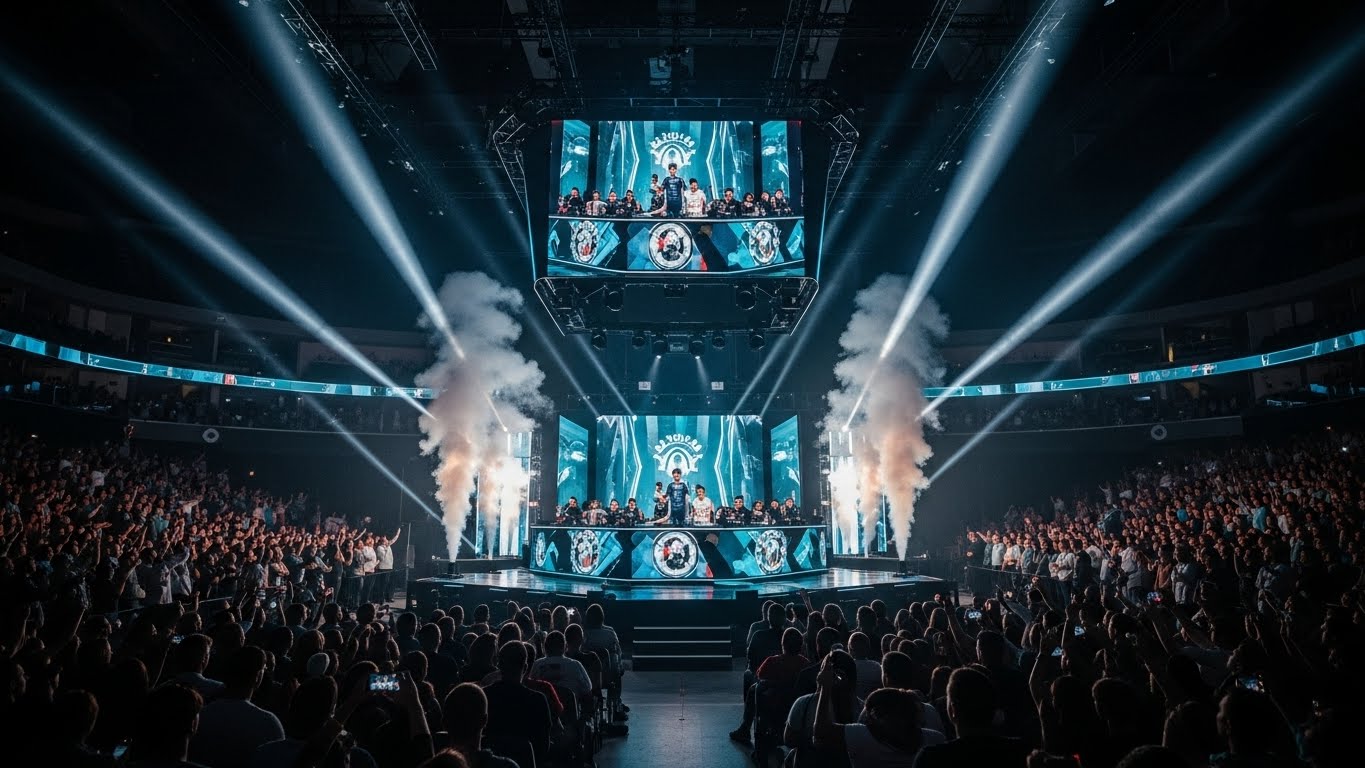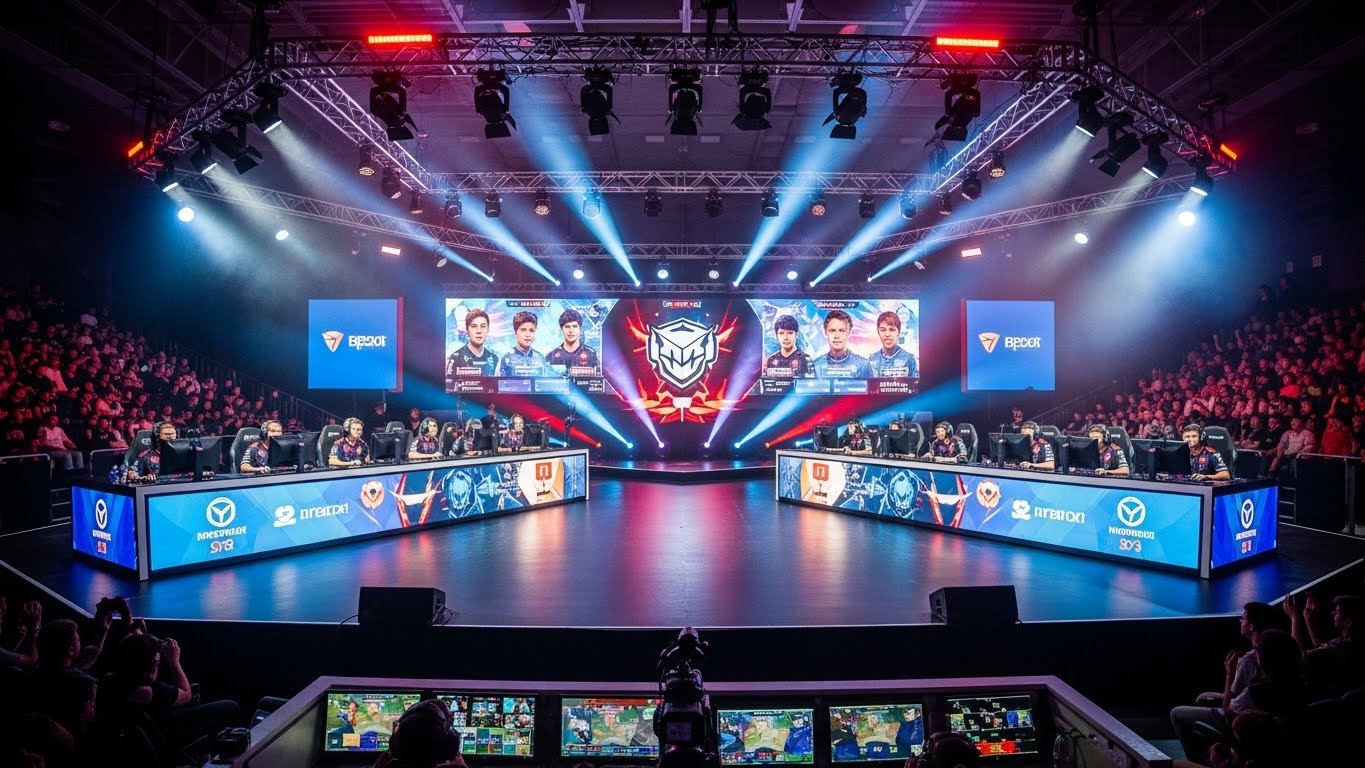
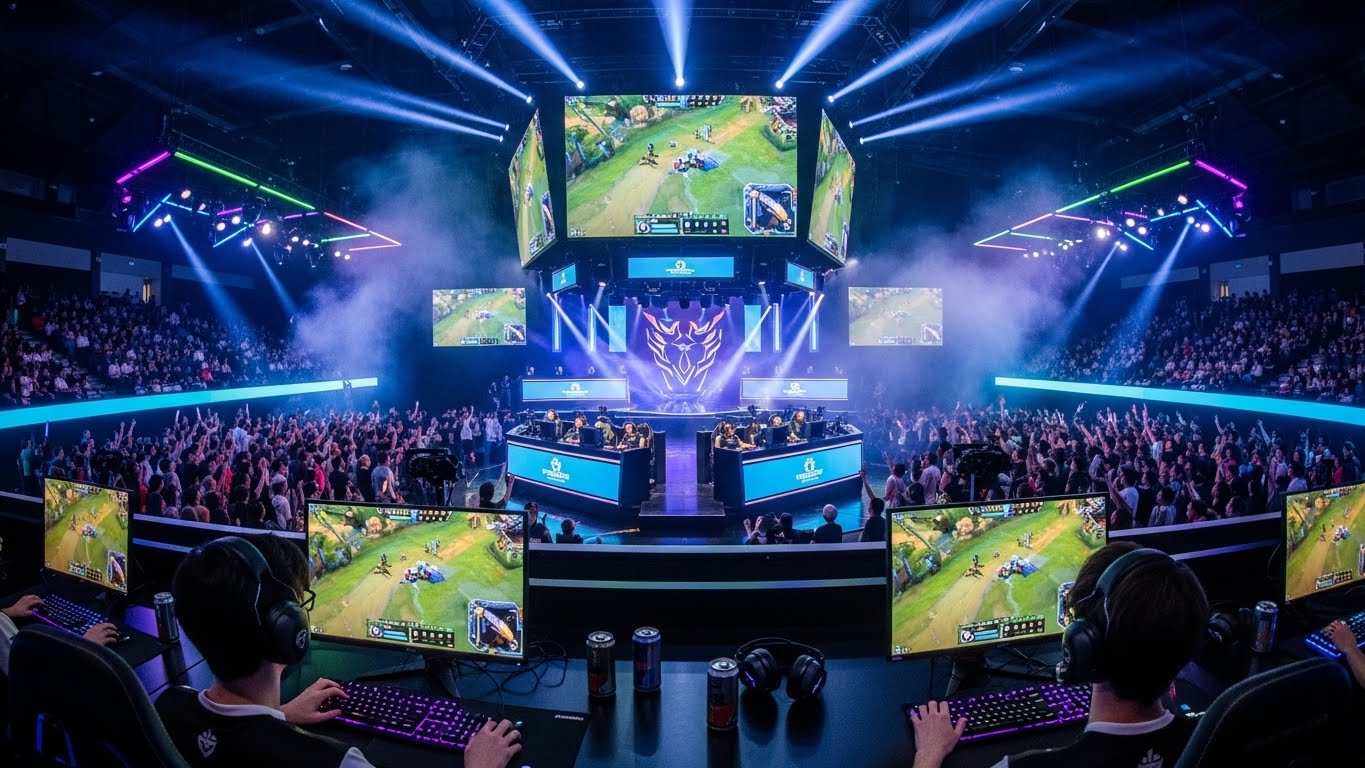
Esports, short for electronic sports, has evolved from a niche hobby into a global cultural phenomenon. Once dismissed as mere entertainment for casual gamers, it now represents a multi-billion-dollar industry, professional careers, and a vibrant community of players and fans. From local gaming competitions to international tournaments watched by millions, esports has become more than just a game—it is a lens through which we can understand competition, teamwork, and innovation in the digital age.
Understanding Esports
Esports refers to organized competitive video gaming, where individuals or teams compete in tournaments. Unlike traditional sports, which rely on physical strength and endurance, esports emphasizes strategy, reflexes, communication, and mental agility. Games in esports span a variety of genres, including first-person shooters, real-time strategy, multiplayer online battle arenas, and sports simulations. Popular titles like League of Legends, Dota 2, Counter-Strike, Valorant, and Fortnite have transformed the landscape of competitive gaming.
The structure of esports competitions mirrors traditional sports in many ways. Teams have dedicated coaches, analysts, and training routines. Leagues operate with rankings, seasons, and playoffs, creating a professional and highly organized environment. The parallels between esports and conventional sports highlight the legitimacy of gaming as a form of competitive entertainment.
The Rapid Growth of Esports
Over the past decade, esports has experienced exponential growth. Professional teams now operate like traditional sports franchises, complete with training facilities, management staff, and sponsorship deals. Major tournaments, such as the League of Legends World Championship and The International for Dota 2, offer prize pools in the millions, drawing global attention.
Streaming platforms have played a pivotal role in this growth. Millions of viewers watch live broadcasts of esports events, engaging with content, discussing strategies, and supporting their favorite teams. The accessibility of online streaming has made esports a global phenomenon, connecting fans and players across continents.
Skill, Strategy, and Mental Agility
Esports requires far more than quick reflexes. Success in competitive gaming demands strategic thinking, situational awareness, and adaptability. Players must understand the intricacies of the game, anticipate opponents’ moves, and make split-second decisions under pressure.
Team-based games, in particular, require effective communication, collaboration, and coordination. Players must work in unison, combining individual strengths to achieve collective goals. Solo games, while focusing on individual skill, demand meticulous planning, patience, and resource management. Mental resilience is crucial, as players face high-stakes situations where one mistake can decide the outcome of a match.
Esports as a Career
Esports has emerged as a viable professional career. Top-tier players earn salaries, prize money, and endorsement deals, while supporting roles such as coaches, analysts, content creators, and event organizers contribute to the ecosystem. Organizations provide structured training schedules, nutrition plans, and mental health support to help players perform at their best.
Esports academies and training programs for young players are becoming increasingly common. These programs offer structured pathways to professional gaming, combining skill development with education. The rise of esports as a career has challenged outdated stereotypes about gaming, highlighting the discipline, dedication, and professionalism required to succeed.
The Global Influence of Esports
Esports has a global impact that extends beyond gaming. International tournaments foster cultural exchange, bringing together players and fans from diverse backgrounds. The industry has inspired academic research, university programs, and even scholarships for students pursuing careers in gaming and digital media.
Technological advancements in esports also influence broader industries. High-performance gaming hardware, advanced streaming technologies, and virtual reality innovations are being developed to meet the demands of competitive gaming. These technologies enhance both gameplay and spectator experiences, driving innovation in entertainment, education, and digital media.
Mental Health and Esports
Competitive gaming can be mentally demanding. Long hours of practice, high expectations, and the pressure to perform can contribute to stress and burnout. However, with proper management, esports can have positive effects on mental well-being. Players develop critical thinking, problem-solving skills, and emotional resilience, learning to handle wins and losses constructively.
Many esports organizations now employ mental health professionals to support players. Coaches, mentors, and psychologists help manage stress, maintain balance, and encourage healthy lifestyles. This focus on mental wellness ensures that players can pursue their careers sustainably, preventing burnout and promoting longevity in esports.
Fans and Community in Esports
The esports community is one of its defining features. Fans engage with content, participate in discussions, and form communities around their favorite games and players. Unlike traditional sports, esports fans often interact directly with players through live chats, social media, and streaming platforms, creating a more interactive and participatory fan culture.
Communities form around games, tournaments, and teams, fostering a sense of belonging and shared identity. Fans contribute to the culture of esports by creating content, organizing events, and supporting professional players. The active engagement of fans is crucial to the industry’s growth and cultural impact.
Esports in Education
Esports has increasingly been integrated into educational institutions. Schools and universities offer esports clubs, tournaments, and scholarship opportunities. Academic programs related to esports cover game design, digital media, marketing, and management, preparing students for careers in this growing industry.
Participation in esports programs teaches discipline, time management, and teamwork. Students learn to balance practice with academic responsibilities, developing skills that are transferable to professional and personal life. Educational integration demonstrates that esports is not only a form of entertainment but also a valuable developmental tool.
Women in Esports
Historically, esports has been male-dominated, but female participation is steadily increasing. Women are establishing themselves as professional players, coaches, commentators, and content creators, challenging stereotypes and promoting inclusivity within the industry.
Supporting diversity in esports strengthens the competitive landscape, encourages innovation, and broadens the audience base. Representation matters, and the growing visibility of women in esports inspires the next generation of gamers while making the community more inclusive and welcoming.
Technology Shaping the Future of Esports
Technology is central to the evolution of esports. High-speed internet, advanced gaming hardware, and innovative software allow seamless gameplay and immersive experiences. Artificial intelligence, data analytics, and performance tracking tools provide insights that enhance both individual and team performance.
Virtual reality and augmented reality are opening new possibilities for competitive gaming. VR esports tournaments create immersive experiences that bridge the gap between physical and digital competition. These technological developments ensure that esports continues to evolve, offering fresh experiences for players and audiences alike.
The Economic Impact of Esports
Esports is a multi-billion-dollar industry, generating revenue through tournament prize money, sponsorships, merchandise, streaming, and media rights. Professional teams operate as businesses, employing players, coaches, analysts, and marketing specialists. Major events attract global sponsorship deals from technology, fashion, and consumer brands, underscoring the economic significance of esports.
The industry also drives job creation and innovation in related fields. From software development to media production, esports contributes to economic growth while inspiring new business opportunities. This economic influence demonstrates that esports is a sustainable and impactful sector of the global economy.
The Future of Esports
The future of esports is promising and dynamic. Emerging technologies, expanding global audiences, and increasing mainstream recognition will continue to drive growth. Mobile esports, VR competitions, and AI-driven analytics will redefine gameplay and competitive formats, offering new opportunities for innovation.
Partnerships with traditional sports, media outlets, and global brands will further legitimize esports as a core component of modern entertainment. As the industry evolves, it will continue to inspire creativity, foster community, and create opportunities for players, fans, and professionals worldwide.
Conclusion: Esports as a Cultural Revolution
Esports represents more than competitive gaming—it is a cultural revolution that bridges technology, entertainment, and human connection. It fosters skill development, mental resilience, teamwork, and global collaboration. Players gain professional opportunities, fans engage with communities, and the industry drives innovation across multiple sectors.
Through strategy, skill, and determination, esports challenges traditional notions of competition and entertainment. It empowers individuals to pursue careers, nurtures creativity, and promotes cultural exchange. The digital arena of esports proves that competition is not confined to the physical world but thrives in the virtual realm, shaping the future of entertainment and human interaction.
Esports is more than a game. It is a platform where talent meets opportunity, where technology meets culture, and where communities come together. As this industry continues to expand, its influence on society, technology, and culture will only grow, making esports one of the defining phenomena of the digital age.