Introduction
Esports, or electronic sports, has evolved from a modest pastime into a global competitive phenomenon. Once considered a niche hobby, competitive gaming now fills stadiums, attracts millions of viewers, and generates substantial revenue for players, teams, and organizations. With rapid technological advancements, a passionate global fanbase, and the rise of professional gaming careers, esports has firmly established itself as a cornerstone of modern entertainment. This blog explores how esports rose to prominence, its cultural and economic impact, the opportunities it creates, and the future awaiting this digital arena.
The Humble Beginnings of Competitive Gaming
The origins of esports can be traced back to the early days of arcade gaming. During the late twentieth century, gamers gathered in arcades to beat high scores, challenge friends, and prove their skills. These informal competitions eventually evolved into organized tournaments. Early multiplayer games introduced network play, allowing players to compete from different locations. This shift laid the foundation for structured esports competitions and professional leagues.
The turning point came when competitive gaming moved online. With the rise of high-speed internet, players could connect, challenge opponents globally, and join virtual communities. This period also saw the emergence of game genres ideal for competitive play, including strategy, shooting, and fighting games. These developments set the stage for esports to grow beyond casual fun and into a structured competitive environment.
The Rise of Professional Esports
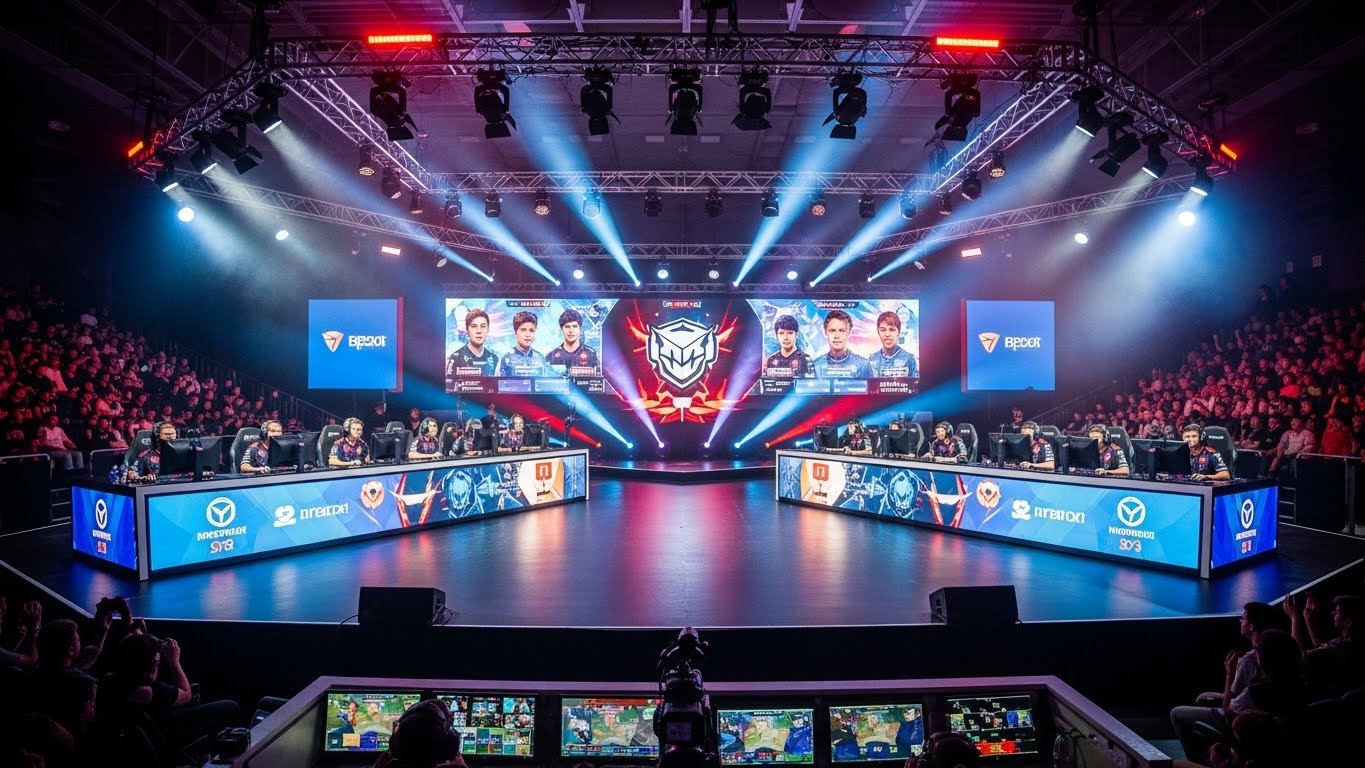
The transformation from amateur competitions to professional esports was fueled by several major developments. Gaming companies began hosting official tournaments, offering prize pools that attracted the best players from around the world. Teams formed dedicated training routines, coaching structures, and leadership roles, similar to traditional sports organizations. Players became athletes in their own right, refining their skills for hours each day and competing at the highest levels.
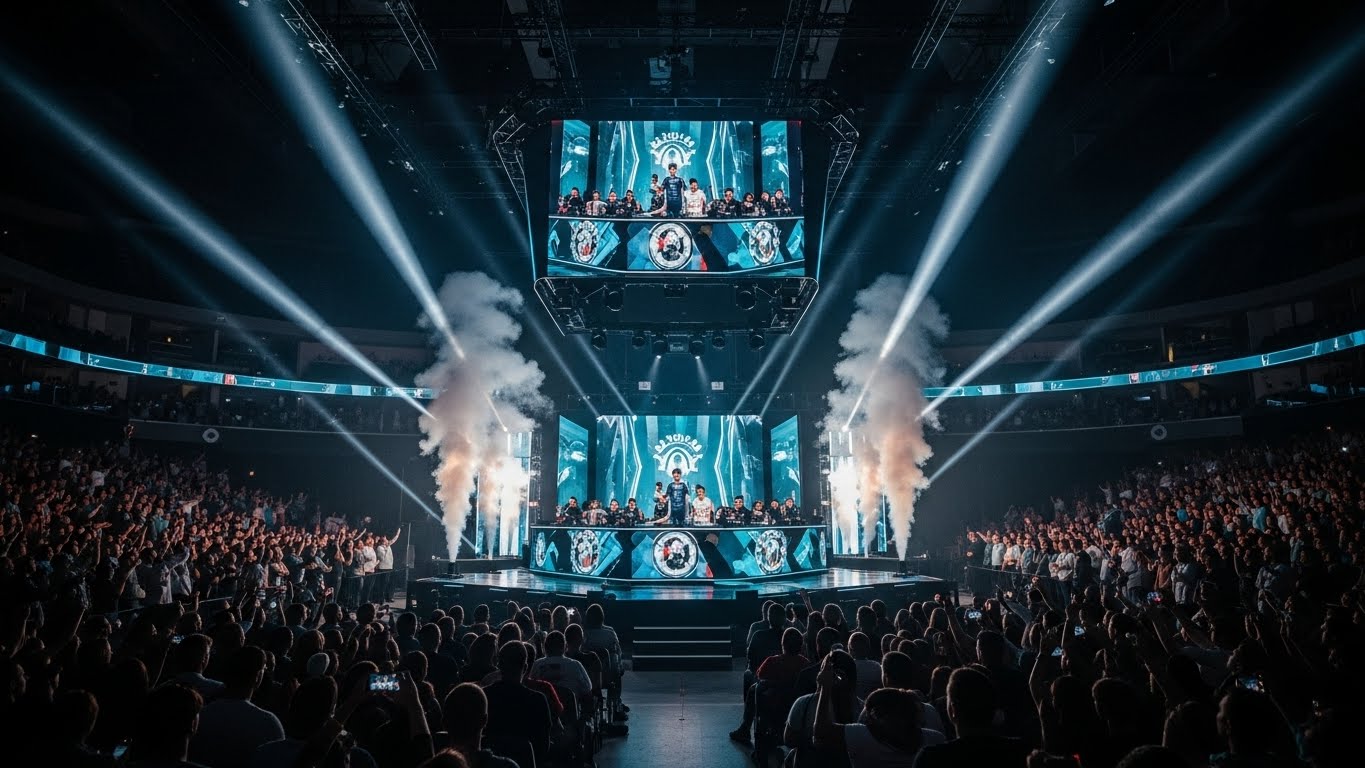
The audience grew alongside the competitions. Live events, online broadcasts, and global championship tournaments gained massive viewership. Today, esports tournaments draw millions of spectators, demonstrating the enormous demand for competitive gaming content. Professional players have become celebrities, securing sponsorships, brand deals, and substantial prize earnings. This professionalization has turned esports into a dynamic, respected industry.
Why Esports Captivates Millions
The appeal of esports lies in its accessibility, excitement, and strong community spirit. Anyone with a computer, console, or mobile device can join the gaming world, creating a sense of belonging regardless of age, background, or location. Unlike traditional sports, esports requires no specific physical attributes or specialized equipment, allowing anyone to develop skill and compete.
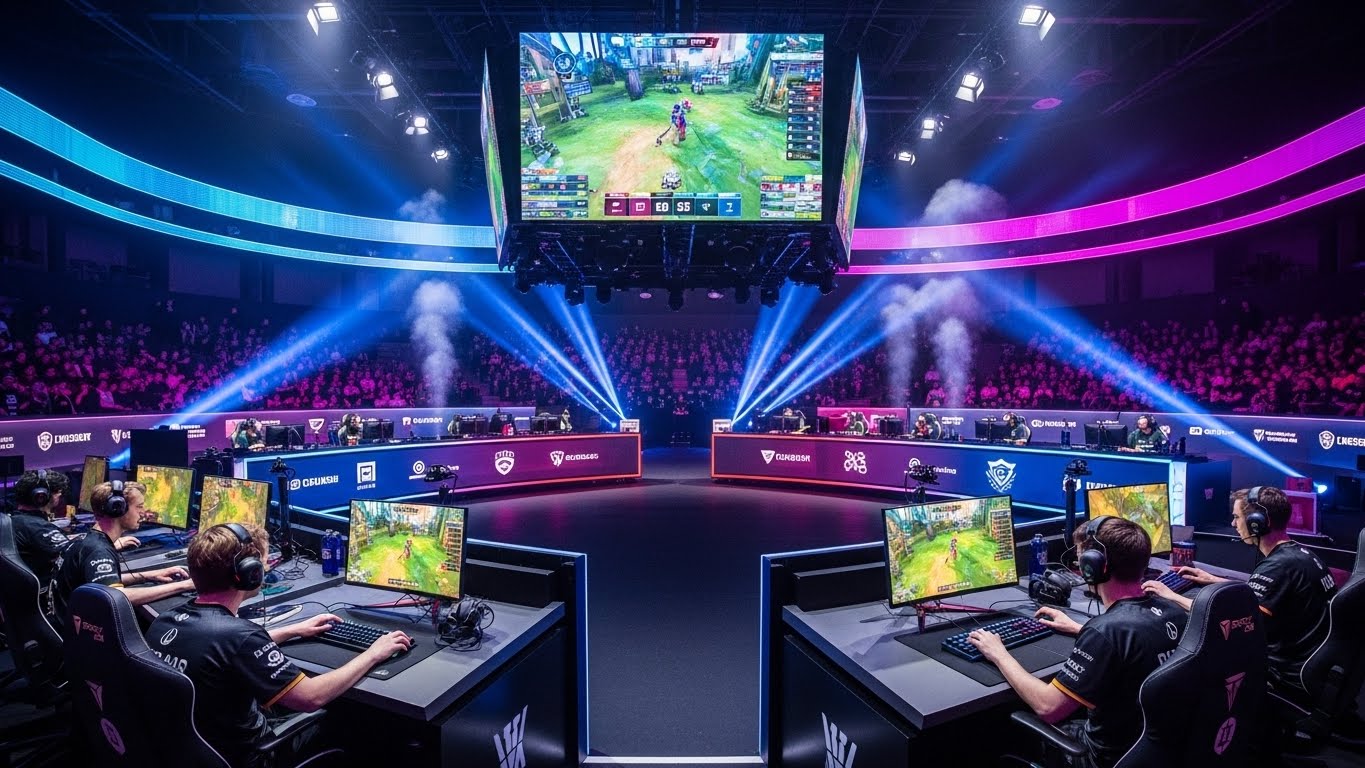
Esports also captivates audiences because of its fast pace, strategic depth, and unpredictable outcomes. Gamers at the professional level exhibit extraordinary reflexes, decision-making, and teamwork. Watching top players perform in high-pressure environments provides the same adrenaline rush that attracts fans to traditional sports. Additionally, the interactive nature of esports allows fans to engage with their favorite players through live chats, comments, and broadcasts, deepening the connection between competitors and audiences.
The Diversity of Esports Genres
Esports is not confined to a single type of game. Instead, it encompasses a wide range of genres, each offering unique challenges and competitive opportunities.
Multiplayer Online Battle Arenas (MOBAs)
MOBAs involve strategic team play, with players controlling unique characters that fulfill different roles. Games in this genre require coordination, map awareness, and precise execution.
First-Person Shooters (FPS)
FPS esports emphasize precision, reaction time, and tactical planning. Teams must communicate effectively while navigating maps and engaging in fast-paced action.
Battle Royale Games
These games combine survival, exploration, and combat mechanics. Each match creates unpredictable scenarios, making them thrilling for players and viewers alike.
Sports Simulations
Based on real-world sports, these games offer familiar gameplay enhanced by digital precision. They bridge traditional sports and esports, attracting fans from both worlds.
Fighting Games
Fighting titles showcase one-on-one battles that require perfect timing, pattern recognition, and mental agility. These games often feature intense, crowd-pleasing competitions at live events.
Each genre attracts a dedicated community, contributing to the rich and diverse landscape of esports.
The Role of Technology in Esports Expansion
Technology is the driving force behind the evolution of esports. Without advancements in hardware, software, and connectivity, the competitive gaming world would not exist at its current scale. High-performance computers and consoles enable smooth gameplay and fairness in competition. Fast internet connections reduce lag and allow players from different continents to compete seamlessly.
Streaming platforms have played a massive role as well. The ability to broadcast matches in real time has brought esports into millions of homes. High-definition streams, instant replays, and advanced production techniques create an immersive viewing experience comparable to major sports championships.
Technology also enhances gameplay with virtual reality, augmented reality, and artificial intelligence. These innovations open new possibilities for training, competition, and fan interaction, ensuring that esports continues to evolve with the digital age.
Career Opportunities Beyond Playing
Esports is not limited to professional players. The industry offers a wide range of career paths for individuals with diverse skills and passions.
Coaching and Team Management
Coaches study strategies, analyze opponents, and train players to perform at their best. Team managers handle logistics, communication, travel, and scheduling.
Broadcasting and Commentary
Casters bring energy and excitement to matches. Their commentary helps audiences understand strategies and enjoy the action.
Content Creation
Streamers and influencers produce gaming content, tutorials, and entertainment that attracts large audiences.
Event Organization
Behind every major tournament is a team of organizers who manage venues, schedules, technology setups, and player hospitality.
Game Development and Analysis
Game designers, analysts, and testers work behind the scenes to refine gameplay mechanics and ensure balanced competition.
These roles prove that esports is more than gaming; it is a fully fledged industry with opportunities for many talents.
Social Impact and Community Building
Esports builds global communities by connecting people through shared interests. Online competitions create friendships across countries and cultures, fostering understanding and collaboration. Many esports fans participate in discussions, join gaming groups, and attend events to connect with others who share their passion.
The community aspect also extends to charitable activities. Many esports personalities and organizations host charity streams, fundraisers, and tournaments that support important causes. The supportive and collaborative spirit of esports encourages players to help each other grow and succeed.
Mental and Cognitive Skills Developed Through Esports
Competitive gaming develops numerous cognitive abilities. Esports players must analyze situations quickly, make strategic decisions, and stay focused for extended periods. These mental skills improve problem-solving, reaction time, and multitasking abilities.
Esports also teaches emotional resilience. Players learn to handle pressure, manage frustration, and maintain composure in competitive environments. These traits are valuable not only in gaming but also in academics, careers, and personal growth.
Challenges Faced by the Esports Industry
Despite its rapid growth, esports faces challenges that must be addressed for long-term success. Player burnout is a concern due to long practice hours and high pressure. To combat this, organizations are implementing wellness programs, breaks, and balanced schedules.
Another challenge is maintaining fairness. Issues such as cheating, match manipulation, and toxic behavior require strict regulation and enforcement. Healthy competition depends on strong ethics, monitoring systems, and community support.
Lastly, the industry must navigate varying global regulations. Some regions accept esports as a sport, while others continue to debate its legitimacy. Establishing consistent standards will help esports gain universal recognition.
The Future of Esports
The future of esports is bright, with endless potential. As technology advances, new game genres and immersive experiences will emerge. Virtual reality competitions may grow, blending physical movement with digital strategy. Educational institutions are introducing esports programs, scholarships, and academic courses, preparing future professionals for careers in competitive gaming.
Esports will also continue merging with traditional sports. Collaborations between sports teams and gaming organizations are already common. This integration creates opportunities for expanded audiences, enhanced production quality, and shared fan experiences.
With global connectivity increasing and gaming culture spreading, esports is set to become even more influential in shaping entertainment, technology, and youth culture.
Conclusion
Esports has grown from humble beginnings into a massive global industry. It blends competition, creativity, and technology in a way that appeals to millions. Beyond the excitement of gameplay, esports provides career opportunities, builds communities, and develops valuable mental skills. Although challenges exist, the industry’s momentum shows no sign of slowing. Esports is more than a trend; it is a cultural movement that reflects the spirit of modern competition. As digital entertainment continues to evolve, esports will remain a powerful force that inspires players, fans, and innovators worldwide.