Introduction: The Digital Revolution of Competition
In the last two decades, a new form of competition has emerged that is reshaping the landscape of sports and entertainment. Esports, or competitive video gaming, has evolved from a niche hobby into a global phenomenon attracting millions of viewers and participants. What sets esports apart from traditional sports is not just its digital nature, but also the way it engages communities, drives technological innovation, and creates career opportunities. This blog explores the rise of esports, its cultural significance, and the factors that make it a dominant force in modern entertainment.
The Origins of Esports: From Arcade Rivalries to Online Tournaments
Esports did not appear overnight; it has deep roots in the early days of video gaming. In the 1970s and 1980s, arcade games like Space Invaders, Pac-Man, and Donkey Kong became competitive hubs where players tried to outscore one another. These early competitions were the precursor to organized tournaments that would later define esports.
The 1990s marked a significant turning point with the release of multiplayer games such as Doom, Quake, and StarCraft. These games allowed players to connect over local networks and later the internet, enabling competitions that were no longer restricted by geography. StarCraft, in particular, became a cultural phenomenon in South Korea, where professional gaming was treated with the same seriousness as traditional sports. These early developments laid the foundation for modern esports leagues and tournaments.
Defining Esports: More Than Just Playing Games
One of the most common misconceptions about esports is that it is merely recreational gaming. In reality, professional esports requires dedication, strategy, and physical and mental discipline comparable to traditional sports. Players spend hours practicing reflexes, studying opponents, and mastering game mechanics. Coaches, analysts, and psychologists often support top players to ensure peak performance.
Esports athletes face unique challenges as well. Unlike traditional sports, games evolve continuously through updates, patches, and new releases. Athletes must adapt their strategies to remain competitive, demonstrating flexibility and resilience. The mental stamina required in esports competitions is immense, as games demand split-second decision-making, teamwork coordination, and tactical awareness.
Popular Esports Genres and Their Global Influence
Esports encompasses a wide variety of game genres, each attracting different audiences and competitive strategies. Among the most influential genres are:
Multiplayer Online Battle Arenas (MOBA)
Games like League of Legends and Dota 2 are team-based strategy games where players control individual characters with unique abilities. Success relies heavily on communication, planning, and adaptability. MOBA tournaments have some of the largest prize pools in esports, often exceeding millions of dollars, and draw global audiences numbering in the tens of millions.
First-Person Shooters (FPS)
FPS games such as Counter-Strike, Valorant, and Overwatch focus on precision, reaction time, and tactical execution. These games are particularly popular for their fast-paced action and highlight reels, which are perfect for broadcasting to large audiences.
Battle Royale Games
Games like Fortnite and PUBG introduced a last-player-standing format that emphasizes survival, adaptability, and unpredictability. Their wide appeal among younger audiences has fueled esports’ growth across demographics and regions.
Sports Simulations
Games like FIFA, NBA 2K, and racing simulators bridge the gap between digital competition and real-world sports, drawing traditional sports fans into the esports ecosystem.
Each genre contributes to the diversity of esports and ensures that there is something for virtually every type of gamer or viewer, reinforcing the global nature of the industry.
The Surge of Esports Viewership
The rise of esports as a spectator phenomenon has been fueled by technology and social media. Streaming platforms allow millions of fans to watch live tournaments, learn from professional players, and interact with the community. Unlike traditional sports broadcasts, esports provides interactive experiences where viewers can comment, ask questions, and engage with players directly.
Global tournaments often attract viewership numbers comparable to major traditional sports events. For example, certain esports finals have drawn audiences exceeding a hundred million worldwide. The accessibility and interactivity of esports streaming have played a key role in building massive and loyal fan communities.
Professional Teams and Player Careers
Esports organizations operate like professional sports franchises. Teams recruit top talent globally, provide salaries, and support training facilities. Professional players not only compete but also serve as brand ambassadors, content creators, and public figures.
Top-tier esports athletes can earn substantial income from tournament winnings, sponsorship deals, and streaming revenue. Many players become cultural icons, influencing fashion, technology, and gaming trends. However, the profession comes with challenges such as mental fatigue, the need for constant adaptation, and relatively short career spans, which has led to a growing emphasis on player wellness and career development programs.
The Business of Esports: Investment and Economic Impact
Esports has become a multibillion-dollar industry with multiple revenue streams. Sponsorships, advertising, merchandise, media rights, and ticket sales contribute to its financial success. Global corporations from technology, consumer goods, and apparel sectors actively invest in esports to reach younger, digitally native audiences.
In addition to directly supporting professional players and tournaments, esports has fueled growth in related industries such as game development, streaming technology, event management, and analytics. The result is a rapidly expanding job market that extends far beyond the players themselves, creating opportunities for professionals in marketing, coaching, broadcasting, and content creation.
Live Events and Esports Arenas
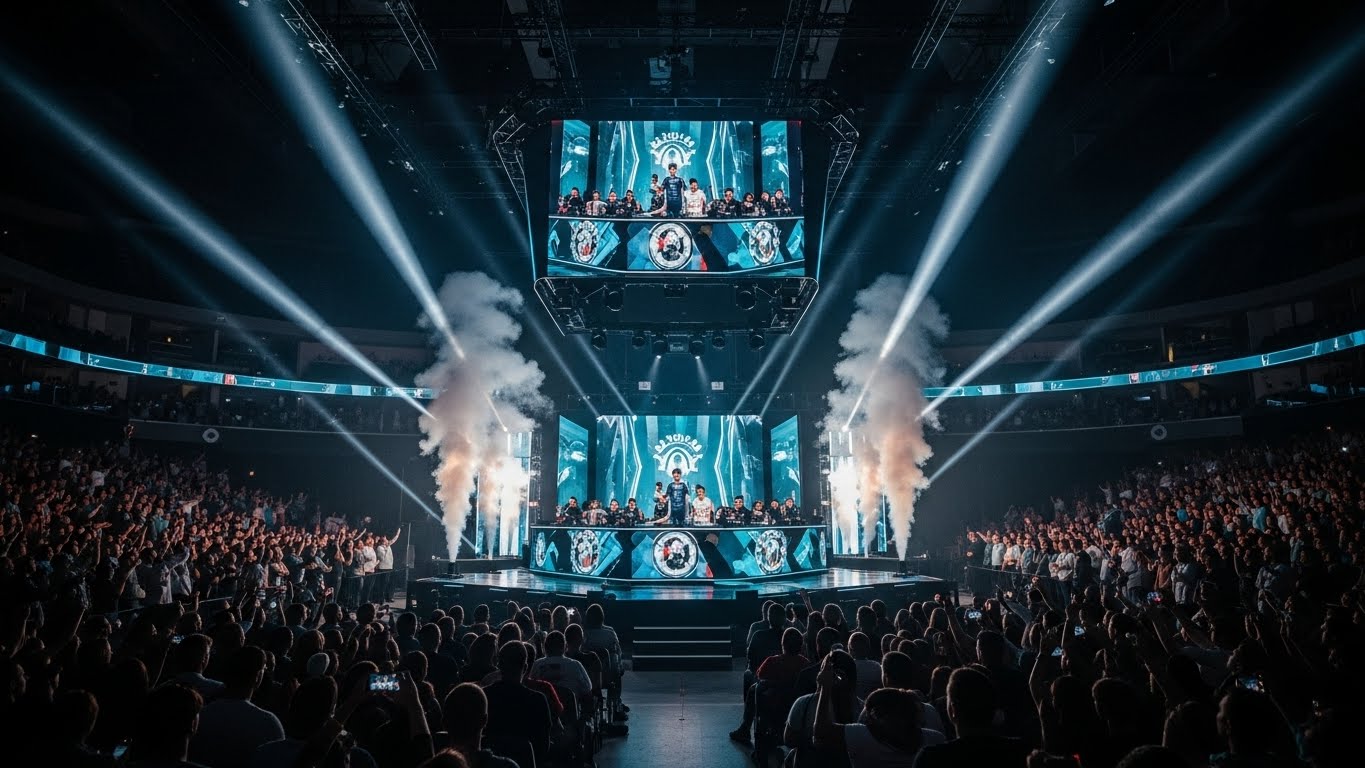
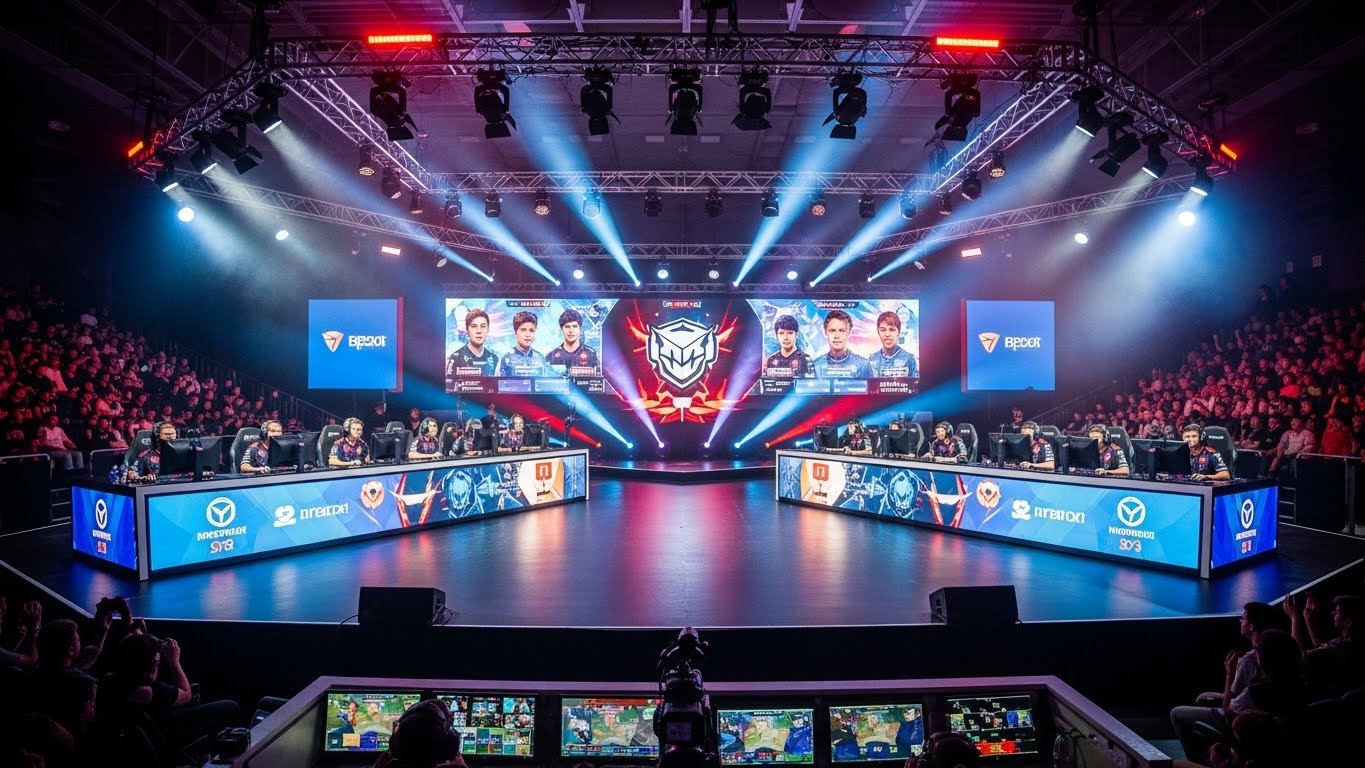
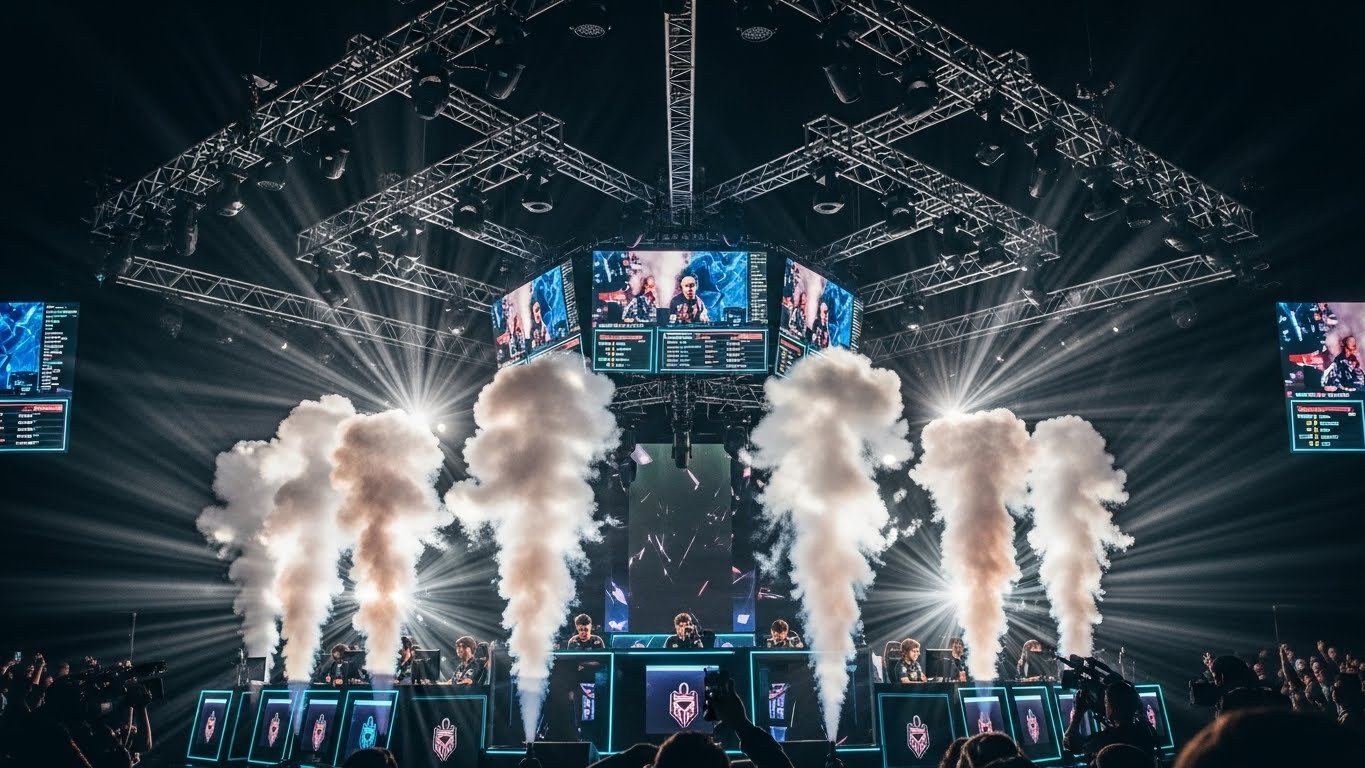
The development of dedicated esports arenas has transformed the spectator experience. Modern venues host thousands of fans and provide immersive lighting, sound, and interactive displays that rival traditional sports stadiums. Live events create a sense of community and excitement that is difficult to replicate online.
Tournaments such as international League of Legends or Dota 2 championships draw global audiences who watch players compete at the highest level. The energy of these events emphasizes esports as not just a digital activity but a tangible, cultural phenomenon capable of uniting fans worldwide.
Esports in Education: Academic and Career Opportunities
Esports is increasingly integrated into education systems. Schools and universities have established esports clubs, varsity teams, and scholarship programs. These initiatives provide students with opportunities to develop skills in leadership, communication, strategy, and digital literacy.
Additionally, esports-related courses and programs teach game design, event management, broadcasting, and marketing, preparing students for careers within the growing digital entertainment industry. By combining education and esports, institutions provide pathways to both professional gaming and complementary career fields.
Cultural Significance of Esports
Esports has transcended the digital screen to influence broader culture. It affects entertainment, fashion, music, and social interaction. Gaming slang and references have entered mainstream conversations, and collaborations with celebrities, musicians, and brands further embed esports in everyday life.
Esports also fosters a sense of global community. Players from different countries interact in tournaments and online platforms, building friendships and shared experiences. It has become a cultural bridge connecting people through a common passion, promoting inclusivity and collaboration across borders.
Technological Advancements and the Future of Esports
The future of esports is intertwined with technological progress. Innovations in virtual reality, augmented reality, artificial intelligence, and streaming technology are poised to create new forms of competition and interactive experiences.
Esports may increasingly merge with traditional sports, with hybrid events, augmented gameplay, and global tournaments that feature both digital and physical elements. As esports continues to grow, it will likely remain a space where innovation, entertainment, and competition intersect, offering experiences impossible to replicate elsewhere.
Conclusion: Esports as the New Global Arena
Esports is more than a pastime; it is a cultural, economic, and social movement. Its growth highlights the impact of technology, community, and creative competition. What began as casual gaming has evolved into a structured, high-stakes global industry that rivals traditional sports in audience engagement, career opportunities, and cultural influence.
The journey of esports shows how innovation can redefine competition and entertainment. By uniting players, fans, and industries worldwide, esports has created a new global arena where skill, strategy, and passion collide in ways that continue to captivate millions. The era of esports is not just a digital phenomenon; it is a testament to the power of human connection through play, imagination, and the thrill of competition.