Introduction: The Rise of Esports
Esports, or competitive video gaming, has grown from a niche hobby into a global phenomenon, captivating millions of fans and players worldwide. Once dismissed as mere entertainment for enthusiasts, esports is now a professional industry with structured tournaments, professional teams, sponsorship deals, and international audiences. Its growth reflects broader shifts in technology, culture, and society, demonstrating that digital competition can rival traditional sports in excitement, strategy, and skill. This blog explores how esports has evolved, its impact on players and audiences, and why it continues to shape the future of entertainment and competitive activity.
The Evolution of Competitive Gaming
Competitive gaming has a rich history that stretches back to the early days of arcades and home computers. Games like “Street Fighter,” “StarCraft,” and “Counter-Strike” were among the first to inspire organized competitions and dedicated communities. As internet connectivity improved and multiplayer online games became mainstream, esports expanded rapidly. Online tournaments and leagues allowed players from around the world to compete in real-time, fostering global engagement. Today, esports includes genres like first-person shooters, battle royale games, real-time strategy titles, fighting games, and sports simulations, reflecting the diversity of player interests and skill sets.
Professionalization of Esports
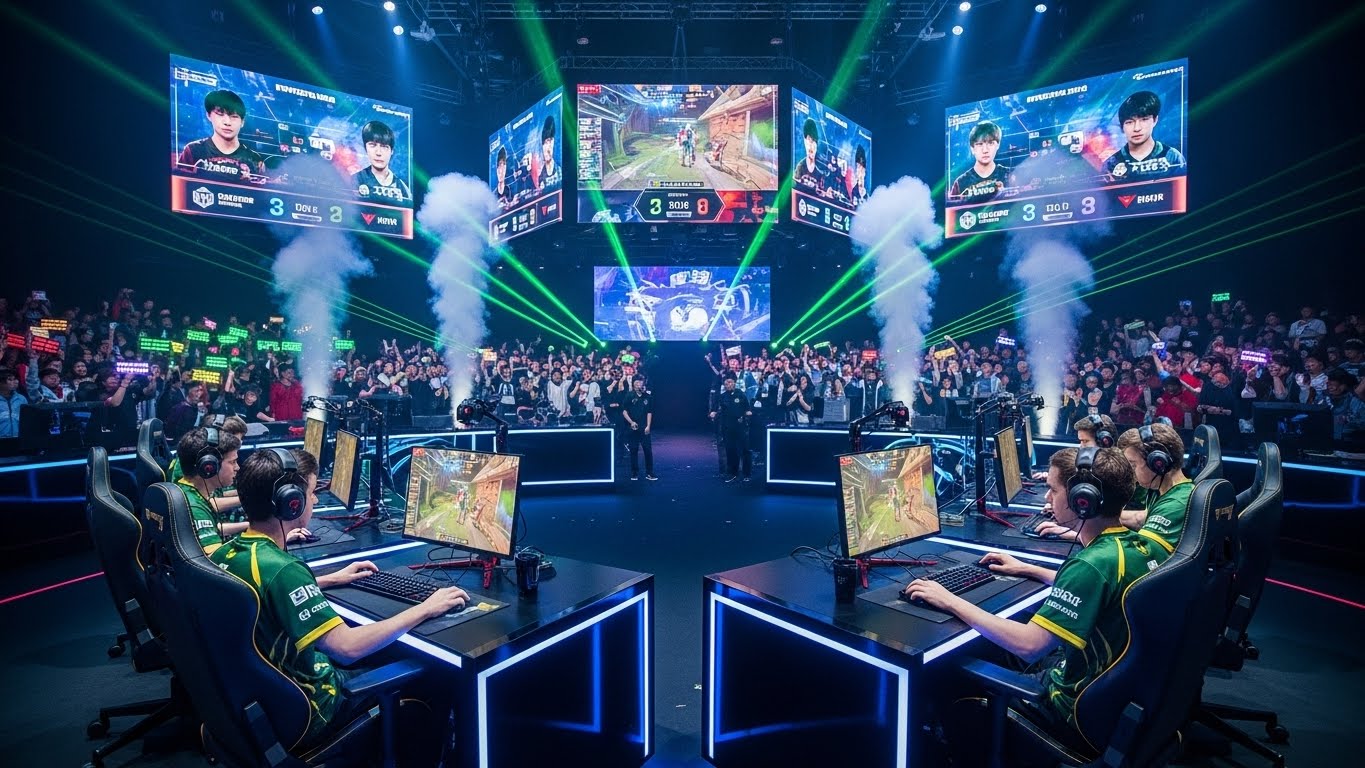
Modern esports is highly professional. Top players train rigorously, often practicing for six to twelve hours a day to master gameplay mechanics, optimize strategies, and maintain peak performance. Professional teams resemble traditional sports organizations, providing coaching, performance analysts, nutrition planning, and mental health support. Esports tournaments feature structured leagues, and players often sign contracts with sponsors, earning salaries and prize money that make competitive gaming a viable career. This professionalization has helped legitimize esports, proving that it demands discipline, skill, and dedication comparable to traditional athletics.
Essential Skills in Esports
Success in esports requires a combination of cognitive, physical, and social skills. Quick reflexes, strategic thinking, and problem-solving are essential, as players must analyze complex information in real-time and make split-second decisions. Hand-eye coordination and precision are critical, especially in fast-paced games like first-person shooters. Team-based esports emphasize communication, collaboration, and leadership. Players must coordinate strategies, adapt to opponents’ tactics, and perform under pressure. These skills are not just applicable in gaming but also translate into real-world scenarios, including professional and educational contexts.
The Global Esports Community
Esports has fostered a global community that spans continents and cultures. Online streaming platforms allow millions to watch tournaments live, interact with commentators, and follow favorite players or teams. Fan communities engage in discussions, tutorials, fan art, and collaborative projects, creating a sense of belonging and shared passion. This social aspect of esports encourages mentorship, collaboration, and friendship, transforming competitive gaming into a cultural phenomenon that extends beyond the screen.
Economic Significance of Esports
The esports industry has a substantial economic impact. Revenue comes from tournament prize pools, sponsorship deals, advertising, merchandise, and media rights. Cities that host international esports events see boosts in tourism, hospitality, and local business. Esports organizations generate employment opportunities for coaches, analysts, content creators, broadcasters, and event managers. The economic growth associated with esports illustrates its legitimacy as an industry and highlights its potential for innovation, entrepreneurship, and sustainable development.
Esports as a Form of Entertainment
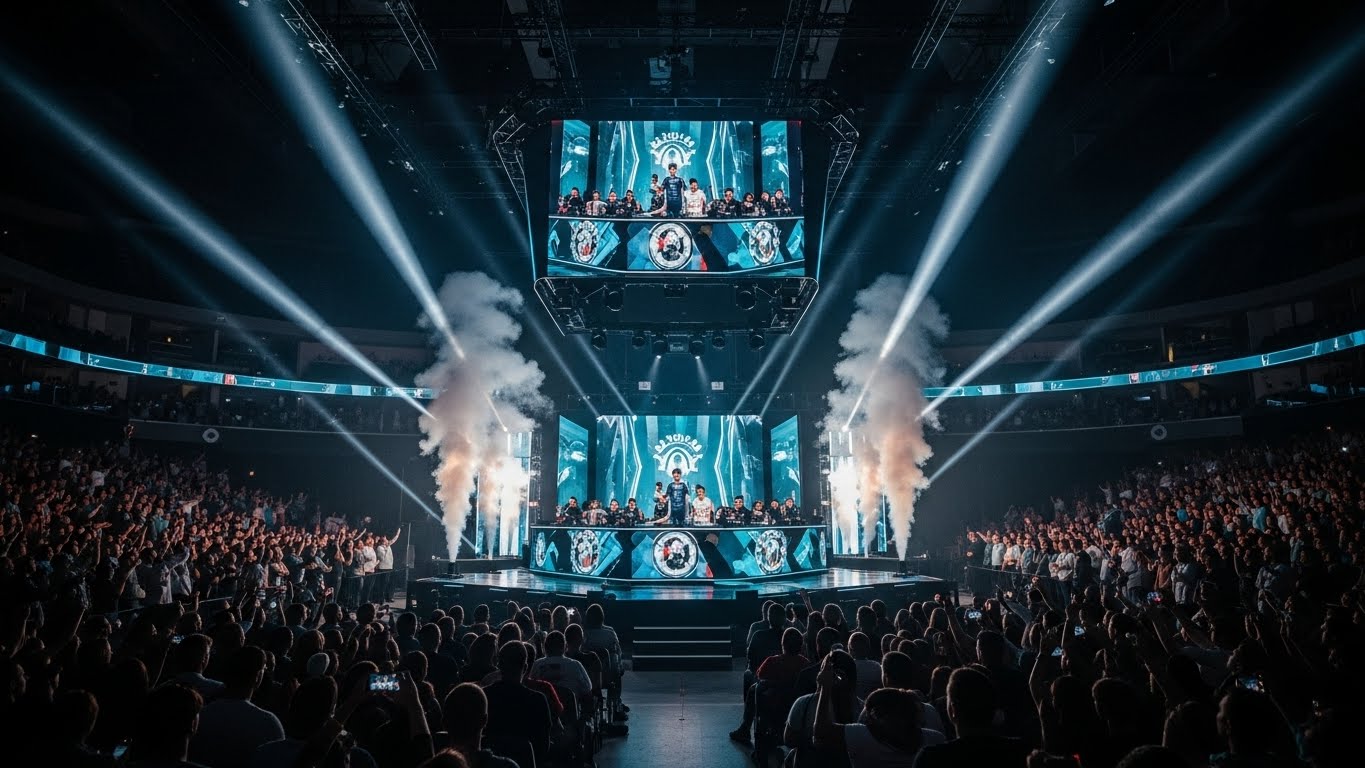
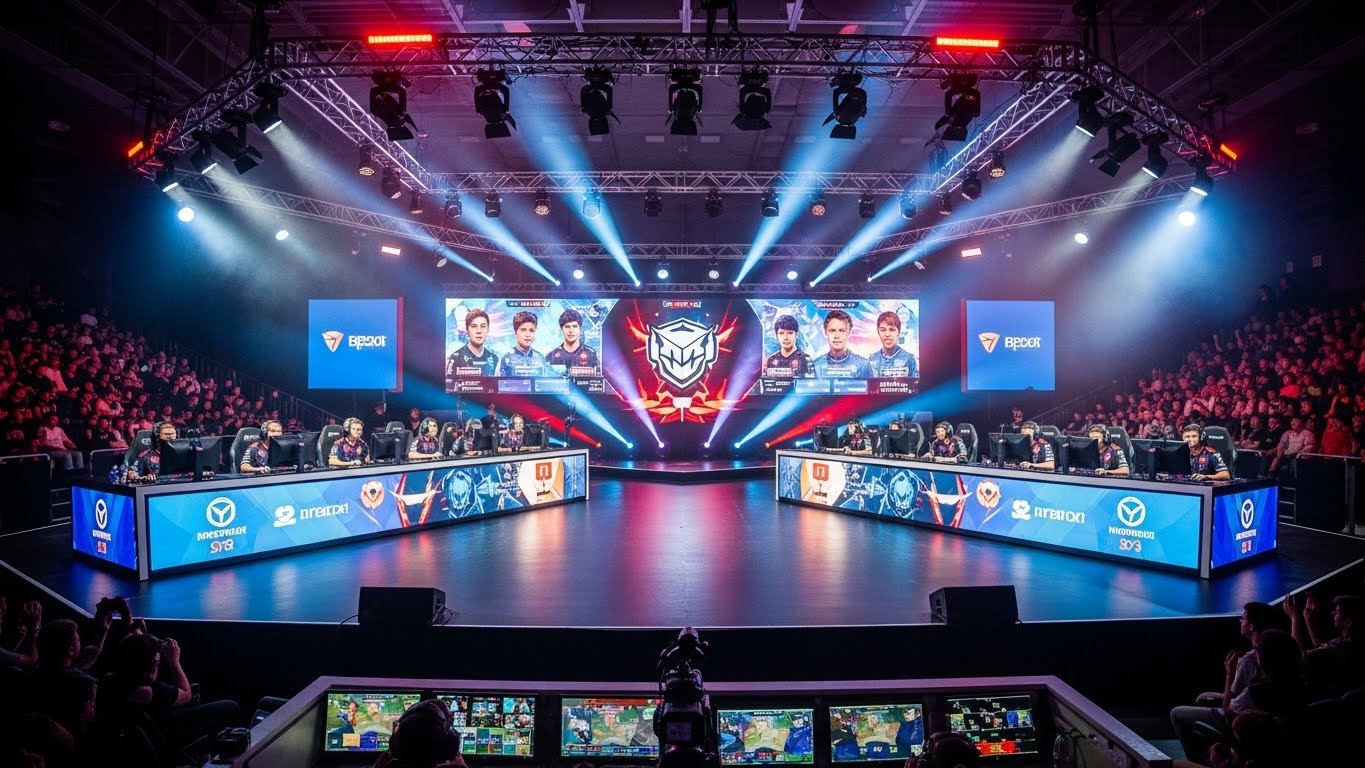
Esports is both competitive and entertaining. Professional tournaments attract millions of viewers worldwide, with high-quality production, engaging commentary, and dramatic storylines. Fans follow players’ journeys, celebrate victories, and witness intense rivalries. The combination of skill, strategy, and performance makes esports a captivating spectacle, comparable to traditional sports events. Streaming and digital platforms enhance interactivity, allowing audiences to participate in real-time discussions, polls, and reactions. Esports is redefining how entertainment can be immersive, interactive, and global.
Esports in Education
Educational institutions have begun embracing esports in meaningful ways. Many colleges and universities now offer esports programs, scholarships, and competitive teams. These programs teach teamwork, strategic thinking, time management, and communication while creating career pathways in media, technology, and event management. Esports can also serve as an educational tool, with strategy games enhancing problem-solving and decision-making skills. Integrating esports into education demonstrates its potential beyond recreation, positioning it as a medium for learning, skill development, and professional growth.
Challenges Facing Esports
Despite its growth, esports faces several challenges. Player burnout, mental health concerns, and excessive training hours are significant issues. Toxic behavior, cheating, and match-fixing can undermine fairness and reputation. Accessibility and inclusivity remain areas needing improvement, as historically esports has been dominated by specific demographics. Ensuring ethical practices, player welfare, and equitable opportunities is essential for the long-term sustainability and credibility of the esports industry.
Technology and Innovation in Esports
Technology drives the expansion and evolution of esports. High-speed internet, advanced gaming hardware, and sophisticated software enable seamless competitive play. Data analytics allow teams to analyze performance, refine strategies, and gain a competitive edge. Streaming platforms connect audiences globally, creating immersive experiences. Emerging technologies such as virtual reality and cloud gaming promise to enhance gameplay, create new tournament formats, and broaden access to esports. Technology ensures that esports remains innovative, interactive, and continuously evolving.
Cultural Influence of Esports
Esports is reshaping cultural perceptions of gaming and sports. Professional players are now recognized as athletes, influencers, and role models. The industry challenges traditional notions of athleticism by emphasizing mental agility, strategy, and digital skill. International competitions foster cultural exchange, allowing players and fans from diverse backgrounds to interact and collaborate. Esports also inspires creative expressions, including fan art, cosplay, content creation, and digital media projects, demonstrating its impact on broader culture.
Future Prospects of Esports
The future of esports is full of promise. Innovations in technology, immersive experiences, and artificial intelligence will redefine gameplay and fan engagement. Expanding educational programs and career opportunities will provide structured paths for aspiring esports professionals. Increased regulation, industry standards, and ethical oversight will ensure fair competition and player well-being. Globalization will continue to connect communities, making esports an inclusive and dynamic industry. The future promises continued growth, innovation, and cultural significance.
Conclusion: Esports as a Transformative Medium
Esports has grown from a niche interest into a global industry that entertains, inspires, and connects millions. It develops cognitive, social, and professional skills while offering economic opportunities and cultural influence. By professionalizing, innovating, and embracing inclusivity, esports is challenging traditional notions of sports and entertainment. Its transformative potential lies not only in competition but also in fostering global communities, advancing technology, and shaping cultural narratives. Esports is more than gaming; it is a movement redefining what it means to compete, connect, and excel in the digital age.