Introduction to a New Era of Competition
Esports has become a powerhouse of modern entertainment, transforming the way people view competition, skill, and digital culture. What began as casual gaming sessions has evolved into a global ecosystem powered by professional athletes, massive audiences, sophisticated technology, and thriving online communities. Esports is no longer simply about playing games; it is a dynamic industry reshaping entertainment and redefining what it means to be an athlete.
As technology grows and gaming becomes more accessible, esports continues to expand its influence across generations, cultures, and industries. This blog explores how esports has risen to global prominence, its cultural and economic impact, and why it has captured the hearts of millions around the world.
The Evolution of Esports
The story of esports began decades ago, long before live streaming and modern consoles existed. Early competitions were simple, often held in arcades or on university campuses. Games like Space Invaders and Doom introduced players to competitive gaming, marking the beginning of organized digital tournaments.
The real transformation took place in the late 1990s and early 2000s, when internet access became widely available. Games such as StarCraft, Counter-Strike, and Warcraft helped lay the foundation for online multiplayer battles. Players could now compete globally, making gaming more interactive and competitive.
Today, esports is deeply integrated with cutting-edge technology, high-level strategy, and polished production values. It has matured into a professional and respected industry with leagues, tournaments, training programs, and global fanbases.
The Games that Built the Esports World
Several games have played crucial roles in shaping modern esports. Titles like League of Legends, Dota 2, Counter-Strike, Fortnite, and Valorant dominate the global scene. These games offer fast-paced action, complex mechanics, and opportunities for endless strategies.
What makes these games exceptional is their ability to evolve. Developers frequently release updates, add new features, and adjust game mechanics to keep gameplay fresh. This constant evolution keeps players engaged and ensures that every tournament brings new surprises and strategies.
The Rise of Global Tournaments
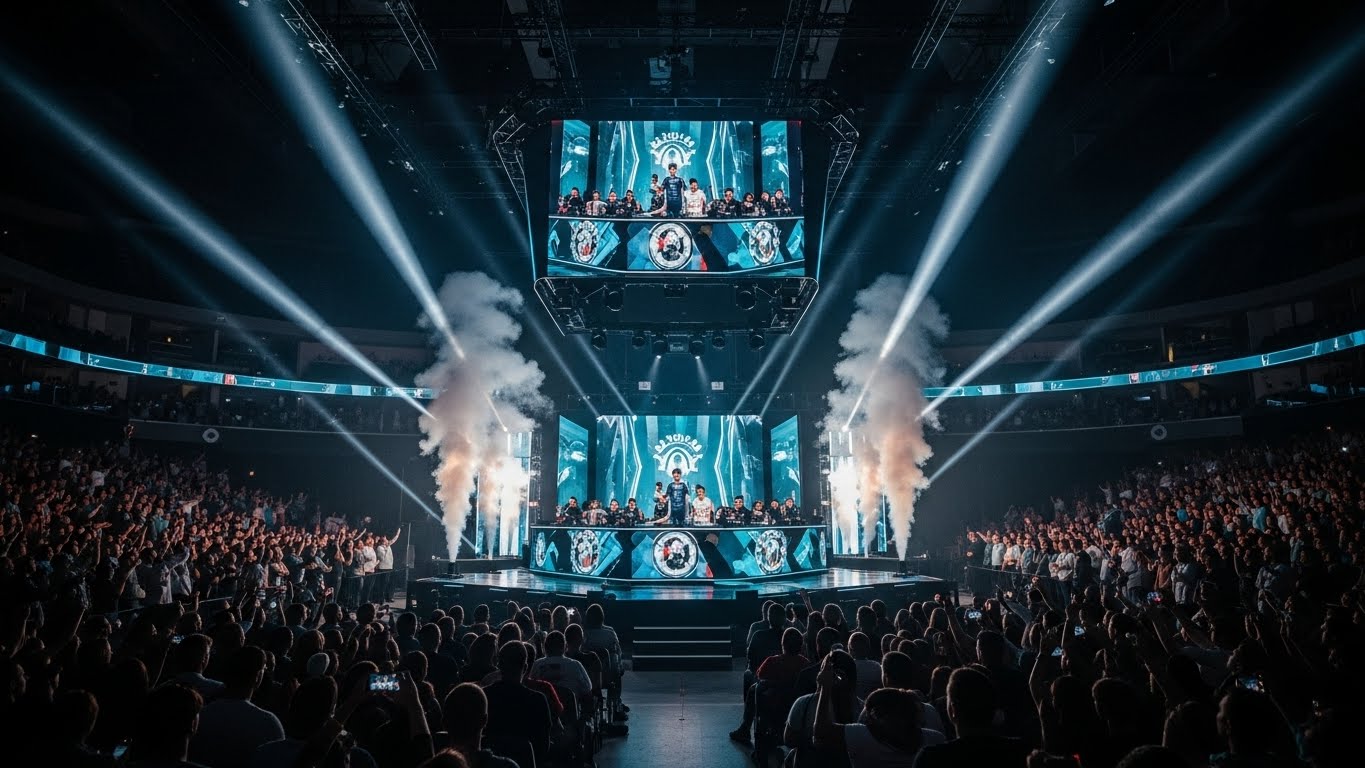
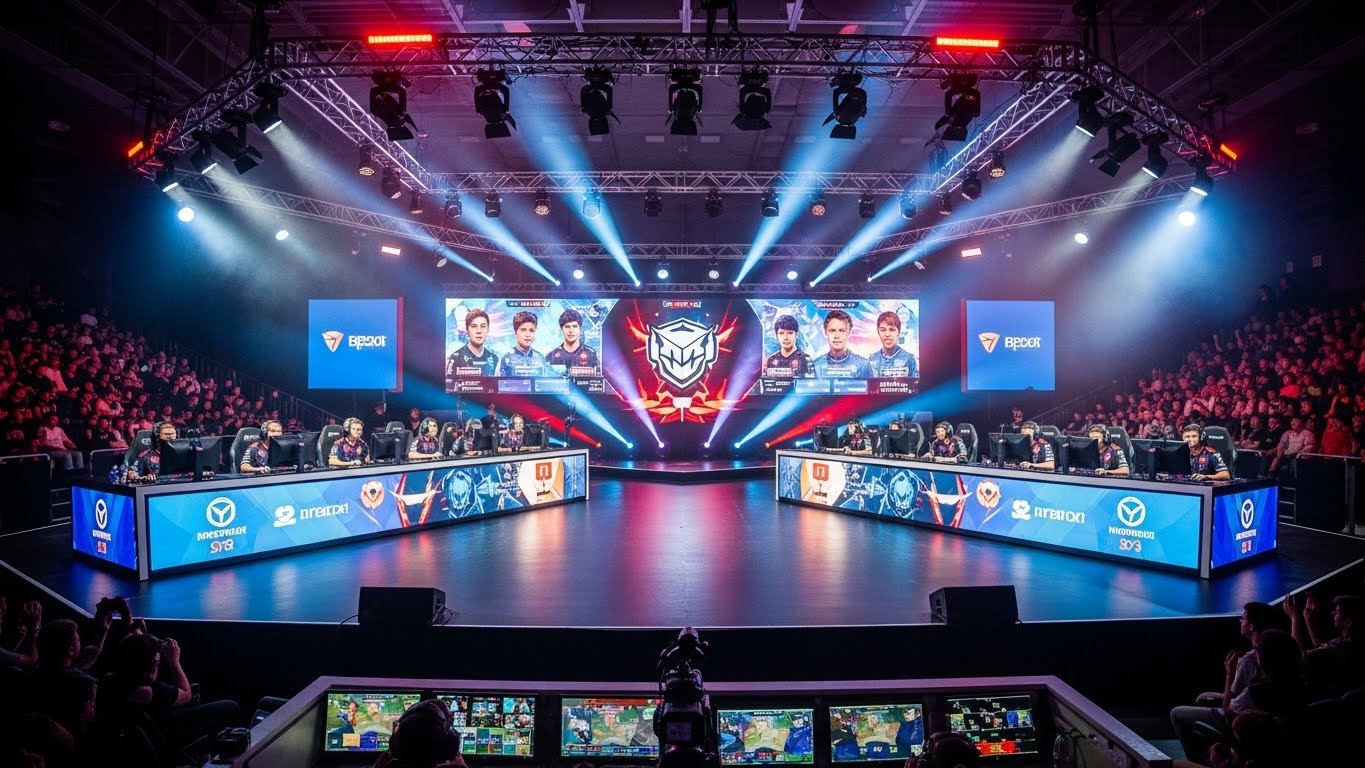
Esports tournaments are now massive entertainment events, drawing viewers from every corner of the world. They are held in large arenas where thousands of fans gather to cheer for their favorite teams. The production quality of these tournaments rivals traditional sports events, complete with professional commentators, analysts, and elaborate stage designs.
The jerseys, lights, team chants, and competing strategies create an atmosphere filled with energy and anticipation. Matches often come down to split-second decisions, unexpected plays, and unpredictable outcomes. This combination of excitement and unpredictability is what keeps fans hooked.
The Role of Technology in Esports Growth
Technology is the backbone of esports. Modern computers, gaming consoles, and high-speed internet connections have enabled players to compete at the highest level without geographical limitations.
Streaming technology has also played a significant role in esports’ growth. Millions of fans watch live matches and replays online, interacting with players and fellow fans in real time. As streamers gained popularity, gaming became more than a competition; it became entertainment, education, and a way for audiences to feel connected.
Advanced analytics and performance tools help professional players improve their skills. Many teams now employ coaches, analysts, and strategists who study game footage and refine team strategies. Technology transforms esports into a discipline that requires precision, planning, and constant learning.
The Life of a Professional Esports Player
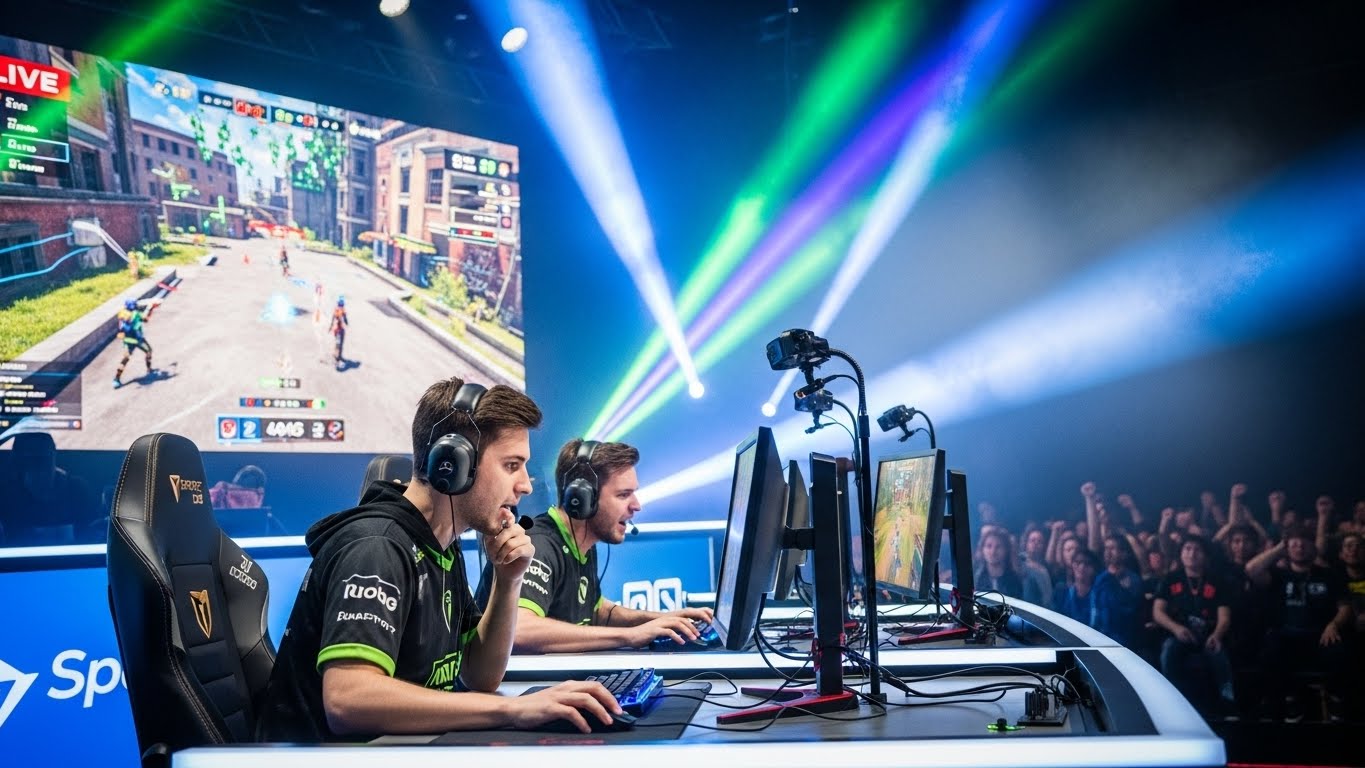
Becoming a professional esports player requires dedication, discipline, and talent. These athletes spend hours each day practicing, analyzing gameplay, and improving teamwork. Just like traditional sports, esports demands consistent training to stay competitive.
Players must maintain strong mental focus, fast reflexes, and strategic thinking. The pressure to perform is immense, as tournaments are watched by millions. Many players also maintain public profiles, interacting with fans and creating content to grow their personal brands.
Although demanding, the life of a professional player can be rewarding. Successful players earn recognition, support from fans, and career opportunities beyond competition, such as coaching, streaming, designing strategies, or working with gaming organizations.
The Expanding Esports Ecosystem
Esports is more than just players and games. It has become an ecosystem fueled by broadcasters, analysts, content creators, managers, coaches, producers, event organizers, and marketers. Every role contributes to creating an entertaining and professional competitive environment.
Brands and companies are increasingly investing in esports, recognizing its potential to reach younger audiences and global markets. This investment supports tournaments, teams, and player training, helping the industry grow and innovate.
Esports as a Career Path
Esports has opened the door to many career opportunities. Students can now pursue esports-related studies, from digital media to game development to esports management. Many universities offer scholarships to talented players and include esports facilities on their campuses.
Even those who are not interested in competing can still build a career in the industry. Opportunities include content creation, broadcasting, coaching, event management, game design, and performance analysis. The esports industry thrives on creativity, innovation, and teamwork, making it a promising field for people with diverse skills.
The Community Powering Esports
Esports would not exist without its passionate community. Fans play a crucial role in streaming matches, supporting teams, attending events, and participating in online discussions. Communities form around games, teams, and players, creating a sense of unity and purpose.
Online platforms allow fans to interact in real time, share strategies, celebrate victories, and mourn defeats. This engagement makes esports feel alive and constantly evolving. The community’s enthusiasm keeps players motivated and gives tournaments their electric energy.
Esports and Cultural Influence
Esports has become a major part of modern culture. It influences music, fashion, entertainment, and technology. Players and teams have brand partnerships, merchandise, and appearances in media, helping esports blend with mainstream culture.
Streaming personalities and pro players often become influencers, shaping trends and inspiring fans. Esports is not just about playing games anymore; it is about storytelling, personalities, and moments that resonate with global audiences.
Inclusivity in Esports
One of esports’ strengths is its accessibility. Unlike traditional sports, esports does not require specific physical attributes. Anyone, regardless of gender, age, or physical ability, can compete and excel.
This inclusivity has created opportunities for players from diverse backgrounds to shine. Initiatives are growing to support female players, young talent, and underrepresented communities, making esports more welcoming and supportive.
Challenges Facing the Industry
While esports has seen massive success, it also faces challenges. Player burnout is a major concern, as many professionals train long hours and compete under intense pressure. Health issues, including mental stress and physical strain, need better recognition and support.
Fair play is also a critical challenge. Esports must continue improving rules, oversight, and technology to prevent cheating and ensure ethical competition. Internet security and player safety are equally important as online platforms grow.
Despite these challenges, the industry continues to evolve and adopt better standards to ensure long-term sustainability.
The Future of Esports
The future of esports looks promising and filled with possibilities. Advances in technology will introduce new game genres, immersive experiences, and smarter competitions. Virtual reality, augmented reality, and cloud gaming are likely to revolutionize how esports is played and viewed.
As the industry grows, esports may become even more integrated into traditional sports entertainment. Schools, brands, and media companies will continue to invest in esports, expanding its global reach. With every passing year, esports becomes more diverse, more professional, and more influential.
Conclusion Esports and the Digital Transformation of Sports
Esports is no longer a side activity or a hobby. It is a global culture, a competitive arena, and a powerful form of entertainment that continues to evolve. The rise of esports showcases humanity’s creativity, ambition, and connection through technology.
Players, fans, creators, and innovators come together to celebrate the thrill of digital competition. Whether you are a casual gamer or a dedicated fan, the world of esports offers something for everyone. Its rapid growth and cultural impact prove that digital competition is here to stay, shaping the future of entertainment for generations to come.