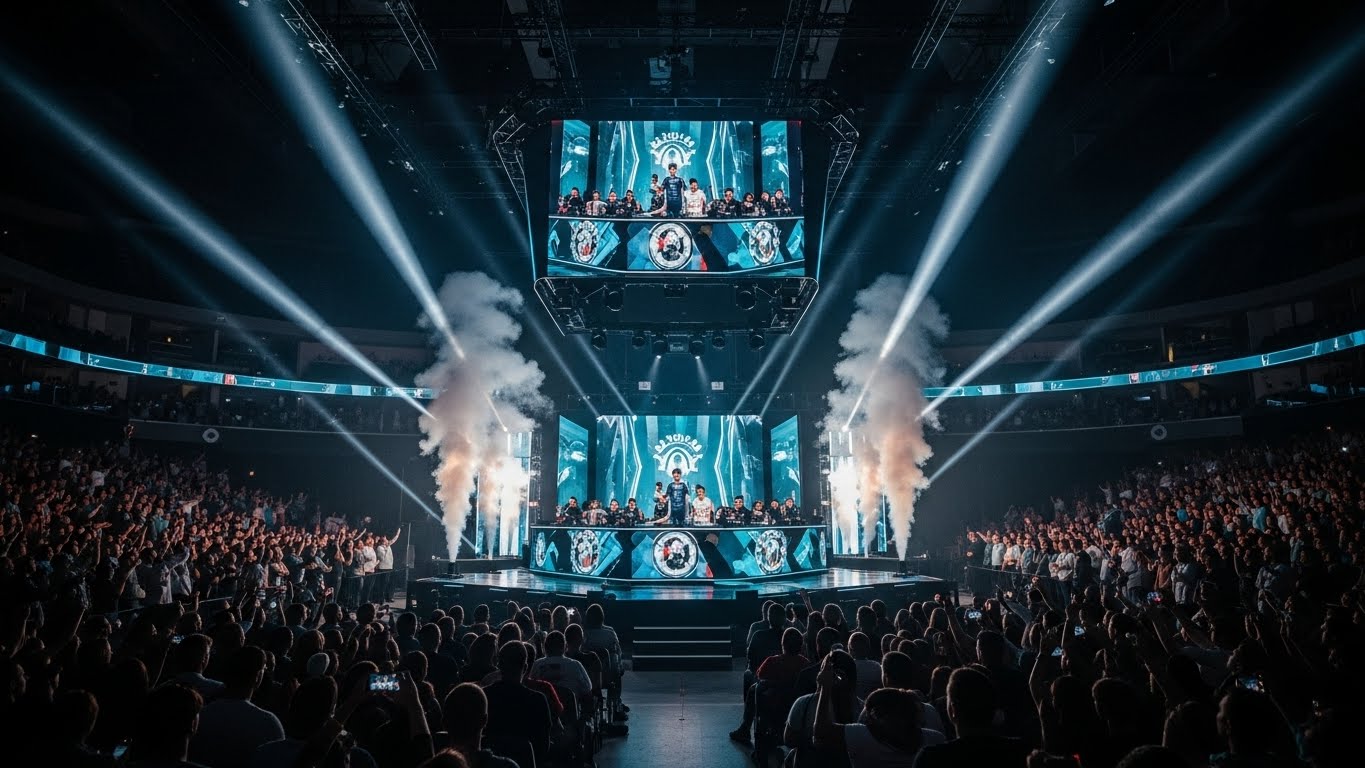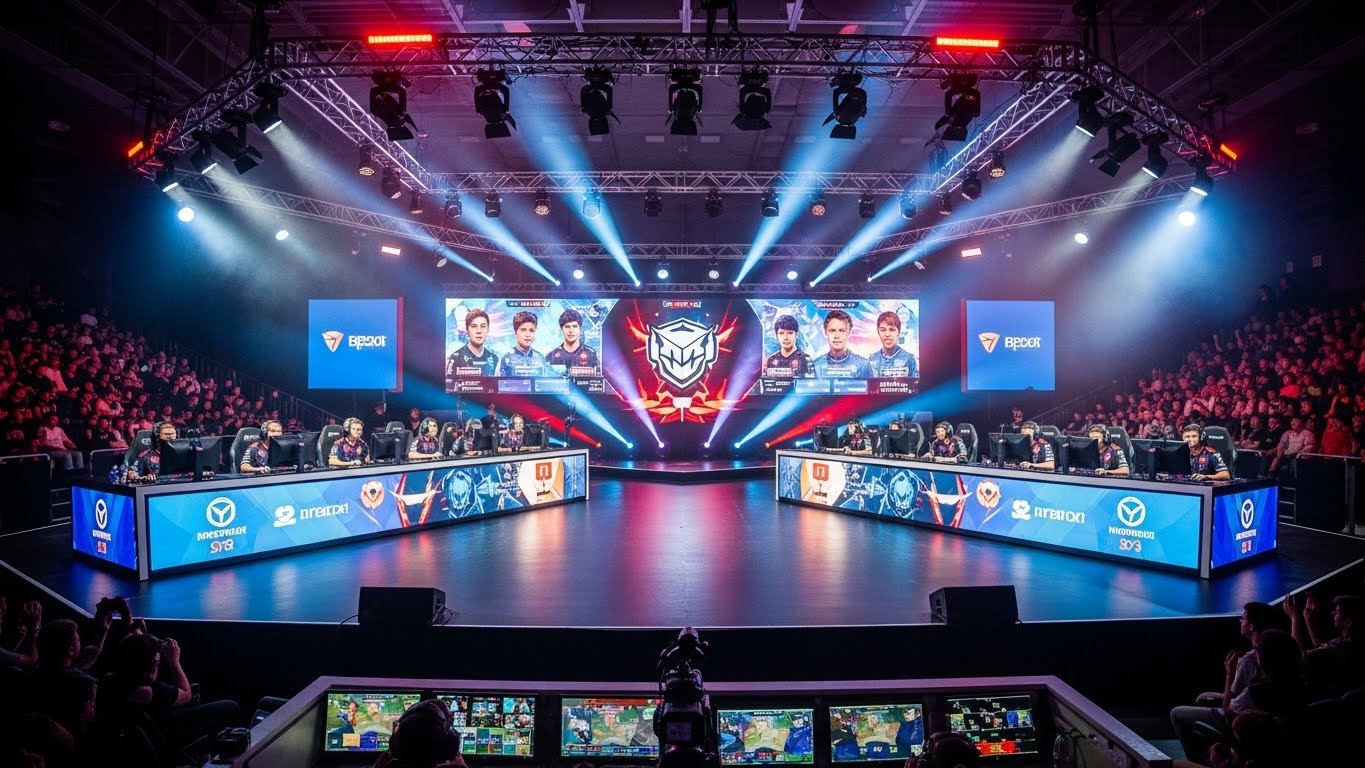
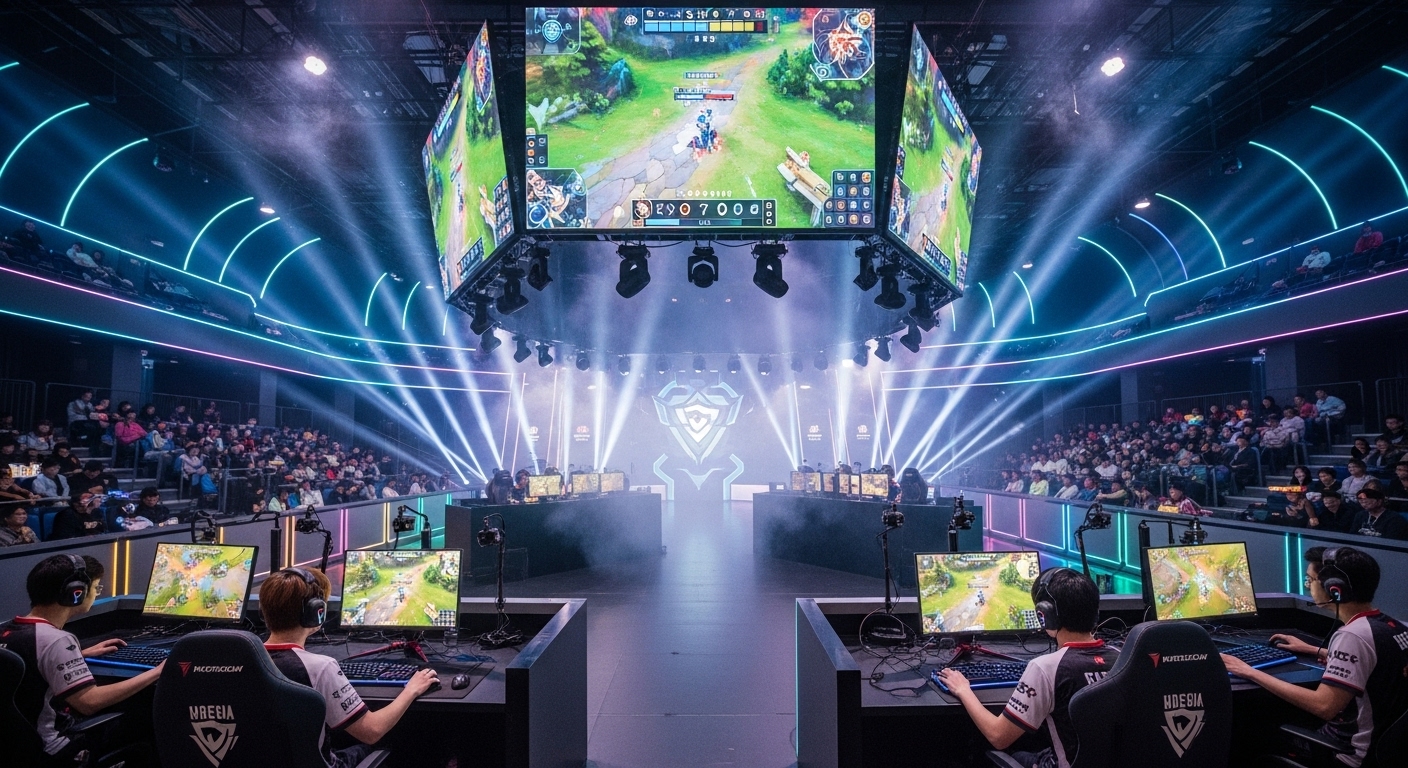
In a world increasingly dominated by digital technology, a new form of competition has risen to captivate millions of fans around the globe. Esports, or electronic sports, has transformed from a niche hobby into a mainstream industry, rivaling traditional sports in terms of viewership, engagement, and economic impact. As millions of gamers participate in online tournaments, professional teams compete for multi-million-dollar prizes, and fans gather in massive arenas or watch from their screens, esports is reshaping how we view competition, entertainment, and even the concept of sports itself. This blog explores the rise of esports, its significance in the modern world, and its future trajectory as a dominant cultural force.
Understanding Esports: A Digital Revolution in Competition
At its core, esports is competitive gaming. It involves professional players or teams competing against each other in various video games, such as League of Legends, Dota 2, Counter-Strike: Global Offensive, Fortnite, and many others. Unlike casual gaming, esports demands high levels of skill, strategy, and teamwork. Players train intensively, much like athletes in traditional sports, to master the intricacies of their chosen games, improve their reaction times, and refine their strategies.
Esports can be played across a range of game genres, from first-person shooters (FPS) like Call of Duty to real-time strategy (RTS) games such as StarCraft. The most common format is team-based competition, where professional teams battle against each other for championships. The rise of esports has seen not only players but also coaches, analysts, and broadcasters becoming integral parts of the ecosystem.
The Early Days: How Esports Evolved
The journey of esports began in the late 20th century. While the idea of competitive gaming dates back to the 1970s with the creation of early arcade games like Space Invaders, it wasn’t until the 1990s that the concept of esports began to gain traction. Early games like Warcraft and Quake paved the way for multiplayer gaming, allowing players to connect over local area networks (LAN) and compete against one another.
The late 1990s and early 2000s saw the birth of some of the most iconic esports titles. StarCraft became particularly popular in South Korea, where it evolved into a national pastime. The game’s professional scene was established through leagues and tournaments, and the first signs of esports’ potential as a mainstream entertainment form began to show. By the time League of Legends was released in 2009, esports had already begun to expand into a global community, and tournaments began to draw large crowds.
In North America, the formation of Major League Gaming (MLG) in 2002 marked a pivotal moment in esports’ growth. MLG brought professional gaming to the United States and hosted tournaments for games like Halo and Call of Duty. As the internet became more accessible and bandwidth improved, online gaming expanded, allowing players from across the world to compete in global tournaments. The establishment of Twitch, a live-streaming platform for gamers, in 2011 further accelerated the growth of esports, offering fans real-time access to matches and gameplay.
The Global Appeal of Esports
Esports’ meteoric rise is largely due to its global appeal. Unlike traditional sports, which may be confined by geography or culture, esports transcends borders and is accessible to anyone with an internet connection. Whether it’s players in the United States, South Korea, Europe, or China, esports has become a universal language, allowing people from all over the world to participate in the same events and cheer for their favorite teams.
One of the countries where esports has gained tremendous traction is South Korea. The country is widely regarded as the birthplace of professional esports, with games like StarCraft and League of Legends becoming national obsessions. South Korea’s dedicated esports infrastructure includes television networks that broadcast esports events, state-of-the-art gaming facilities, and a highly organized talent pipeline for players. The country even hosts its own esports stadiums, where live events draw thousands of spectators.
China, too, has emerged as a powerhouse in the esports industry. The country’s huge population, rapidly expanding internet access, and booming gaming culture have made it a leader in esports both in terms of participation and viewership. Chinese players and teams have dominated some of the largest esports tournaments, and the country has become a critical market for game publishers and esports organizations alike.
In North America and Europe, esports has found a diverse and passionate fanbase. International tournaments such as The International, the annual Dota 2 championship, and the League of Legends World Championship attract millions of viewers worldwide, often surpassing the viewership of traditional sports events like the Super Bowl. The global nature of esports also allows for cross-cultural collaborations, with tournaments and leagues spanning multiple continents and bringing people together to celebrate the sport.
The Economics of Esports: A Multi-Billion Dollar Industry
Esports has not only transformed the way we perceive competition, but it has also become a major economic force. According to industry reports, the global esports industry is worth more than $1 billion annually, with revenue coming from various sources such as sponsorships, advertising, media rights, merchandise, and ticket sales.
Sponsorships and Advertising
One of the largest sources of revenue for esports organizations and tournaments comes from sponsorships. Global brands, such as Intel, Coca-Cola, Mercedes-Benz, and Nike, have realized the immense value of associating with esports due to its young, engaged, and tech-savvy audience. These brands often sponsor teams, individual players, or entire tournaments, providing financial support in exchange for brand visibility.
In addition to sponsorships, advertising plays a significant role in the financial landscape of esports. Platforms like Twitch and YouTube Gaming generate substantial income through advertising revenue. As esports broadcasts attract millions of viewers, advertisers see it as an opportunity to target a demographic that is often difficult to reach through traditional media channels.
Prize Pools and Player Salaries
Prize pools for major esports tournaments can reach into the millions of dollars. The International 2019, a Dota 2 event, had a record-breaking prize pool of over $34 million, with the winning team taking home more than $10 million. These massive prize pools reflect not only the growing popularity of esports but also the immense financial backing it receives from sponsors, media rights deals, and crowdfunding (as seen in The International’s crowd-funded prize pool).
Professional players, especially those at the top of their games, can earn substantial salaries through tournament winnings, sponsorship deals, and streaming. The rise of Twitch and YouTube has allowed players to build personal brands, generating additional revenue through donations, subscriptions, and ad revenue from their streams. The highest-earning esports players can make millions of dollars annually, living much like traditional sports stars.
Merchandising and Ticket Sales
Merchandise sales, from team jerseys to branded gaming equipment, also contribute to the growing financial success of esports. Fans who support specific teams or players are eager to purchase official merchandise, which not only generates revenue for the teams but also helps to further solidify the connection between the esports organizations and their fanbases.
In addition to online revenue streams, ticket sales for live esports events have become a significant source of income. Large tournaments, such as League of Legends Worlds, often sell out arenas, with tickets ranging from affordable general admission to premium VIP packages. The success of live events further demonstrates the cultural significance of esports, as fans travel from all over the world to experience the excitement in person.
Esports and Traditional Sports: The Growing Intersection
While esports is still relatively young compared to traditional sports like soccer or basketball, it has started to intersect with these established industries in exciting ways. One of the most noticeable trends is the increasing involvement of traditional sports organizations in esports. Football clubs such as Paris Saint-Germain and Manchester City have invested in esports teams, while basketball’s NBA launched the NBA 2K League, a professional esports league based on the popular NBA 2K video game.
The financial success of esports, along with its massive appeal to younger audiences, has prompted more traditional sports networks and media outlets to invest in broadcasting esports events. Networks like ESPN and TBS have started airing esports tournaments, and esports segments are now common in mainstream sports coverage.
Additionally, the structure of esports has become more professionalized, mirroring traditional sports. Teams have dedicated coaches, analysts, and support staff to help players perform at their best. Player contracts, sponsorship deals, and media appearances have become standard parts of the esports ecosystem. The rise of esports as a legitimate form of competition has led many to consider it an equal to traditional sports in terms of skill, professionalism, and entertainment value.
The Future of Esports: What’s Next?
The future of esports appears bright, with new technologies and innovations on the horizon. Virtual reality (VR) and augmented reality (AR) are expected to play a major role in the evolution of esports. As VR and AR technologies continue to advance, they will likely introduce new ways for players to compete and interact with the digital environment, making esports even more immersive and dynamic.
Additionally, esports is expected to continue its expansion into education and career development. With universities offering esports scholarships and specialized degree programs in esports management, the next generation of players, coaches, and industry professionals will be well-equipped to take the industry to new heights.
Esports’ growing global appeal suggests that it will continue to thrive in the coming years. As traditional sports continue to adapt to the digital age, esports will undoubtedly remain at the forefront of this technological revolution in competition.