In the past decade, one of the most significant cultural shifts in the world of entertainment has been the explosive growth of esports. What began as a niche activity for gamers has blossomed into a multi-billion-dollar industry with millions of fans, professional teams, and sponsorships. Esports, or competitive video gaming, is no longer just a pastime for hobbyists; it has become a legitimate global phenomenon that is attracting audiences, players, and investors from all corners of the world.
This blog post delves into the fascinating rise of esports, exploring its history, the mechanics behind its success, the cultural impact it has had, and what the future holds for this rapidly growing sector.
The Origins of Esports
While competitive gaming might seem like a recent trend, its roots go back much further. The first recorded video game competition took place in 1972 at Stanford University. The event, known as the “Intergalactic Spacewar Olympics,” featured players competing in the game Spacewar, a classic arcade game that had become popular on early computer systems.
However, it wasn’t until the late 1990s and early 2000s that esports began to take shape in its current form. With the rise of multiplayer games like Quake, StarCraft, and Warcraft III, players around the world began organizing tournaments. These competitions were initially small, often held in gaming cafes or online communities, but they laid the groundwork for what would become a global industry.
In the early 2000s, large-scale tournaments like the World Cyber Games (WCG) and Electronic Sports World Cup (ESWC) began to gain traction, attracting players and fans alike. These early competitions were often streamed on platforms like Twitch and YouTube, providing a glimpse into what esports could become.
The Evolution of Competitive Gaming
As the internet grew faster and more accessible, the potential for online multiplayer gaming expanded exponentially. Games like League of Legends, Counter-Strike, Dota 2, and Overwatch revolutionized competitive gaming by offering sophisticated team-based gameplay, strategic depth, and the possibility for professional play. Esports organizations and events began to form around these games, and sponsorships from major brands like Intel, Coca-Cola, and Nike started pouring in.
One of the key turning points for esports came with the rise of streaming platforms, particularly Twitch. Launched in 2011, Twitch allowed gamers to stream their gameplay in real-time and interact with their audiences. This platform became a critical tool for esports, providing a direct link between players and fans. The growth of streaming not only helped to popularize competitive gaming but also gave birth to a new form of entertainment, where fans could watch their favorite players and teams compete live from the comfort of their homes.
The Globalization of Esports
One of the most striking aspects of esports is its global appeal. Unlike traditional sports, esports does not have physical boundaries. Players can compete against one another regardless of their location, and events can be broadcasted to millions of fans worldwide. This international reach has made esports a truly global phenomenon, with large fanbases in countries like South Korea, China, the United States, and Europe.
In countries like South Korea, esports has become a cultural institution. The country has long been a leader in the competitive gaming scene, thanks in part to its robust internet infrastructure and government support for gaming as an esport. South Korean players have dominated games like StarCraft and League of Legends for over a decade, and the country’s professional leagues, like the League of Legends Champions Korea (LCK), are watched by millions of fans each season.
In recent years, China has also emerged as a powerhouse in the world of esports. With massive investments in esports infrastructure, the country has become home to some of the biggest teams, tournaments, and sponsors in the industry. China is now a key player in games like Dota 2 and Honor of Kings, and the region is set to continue growing as the demand for esports events and content increases.
The Mechanics of Esports: How It Works
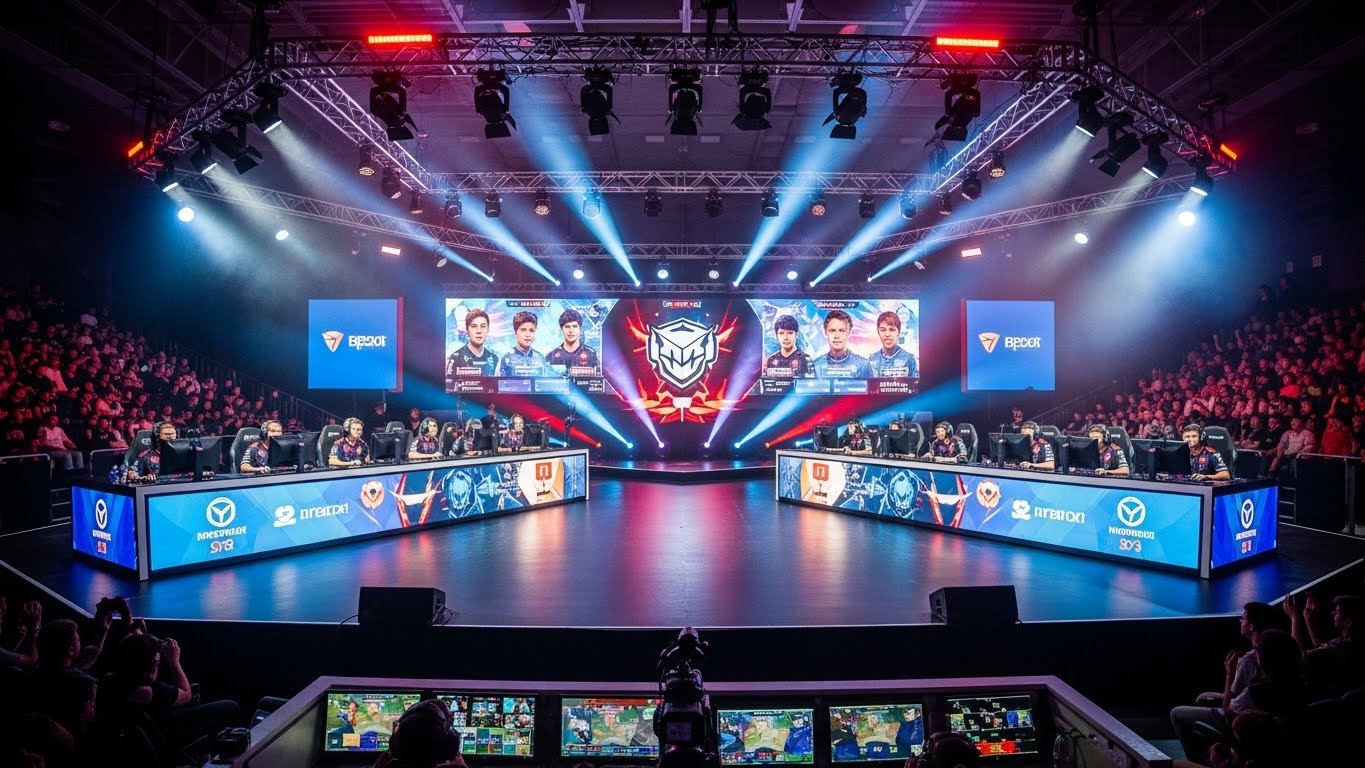
At its core, esports is about competition. Players or teams compete in organized tournaments, often with a prize pool at stake. These tournaments are typically organized by game developers, third-party organizers, or esports leagues, with many events held both online and in physical arenas.
The games themselves can vary widely in style, but they generally fall into one of several categories:
- Multiplayer Online Battle Arenas (MOBAs): Games like League of Legends and Dota 2 fall under this category. These games typically involve teams of five players, each controlling a character with unique abilities. The goal is to work together to destroy the enemy’s base while defending your own.
- First-Person Shooters (FPS): Games like Counter-Strike: Global Offensive (CS:GO) and Overwatch are FPS titles, where players engage in gunfights and tactical maneuvers. These games require quick reflexes, precision aiming, and strategic thinking.
- Real-Time Strategy (RTS): Games like StarCraft II are RTS titles, where players manage resources, build armies, and engage in tactical battles. RTS games often require high levels of multitasking and deep strategic planning.
- Sports Simulators: Titles like FIFA and NBA 2K are sports simulation games that replicate real-world sports. These games attract both casual and competitive players, and they have been integral in the growth of esports in countries with strong sports cultures.
The Players and Teams
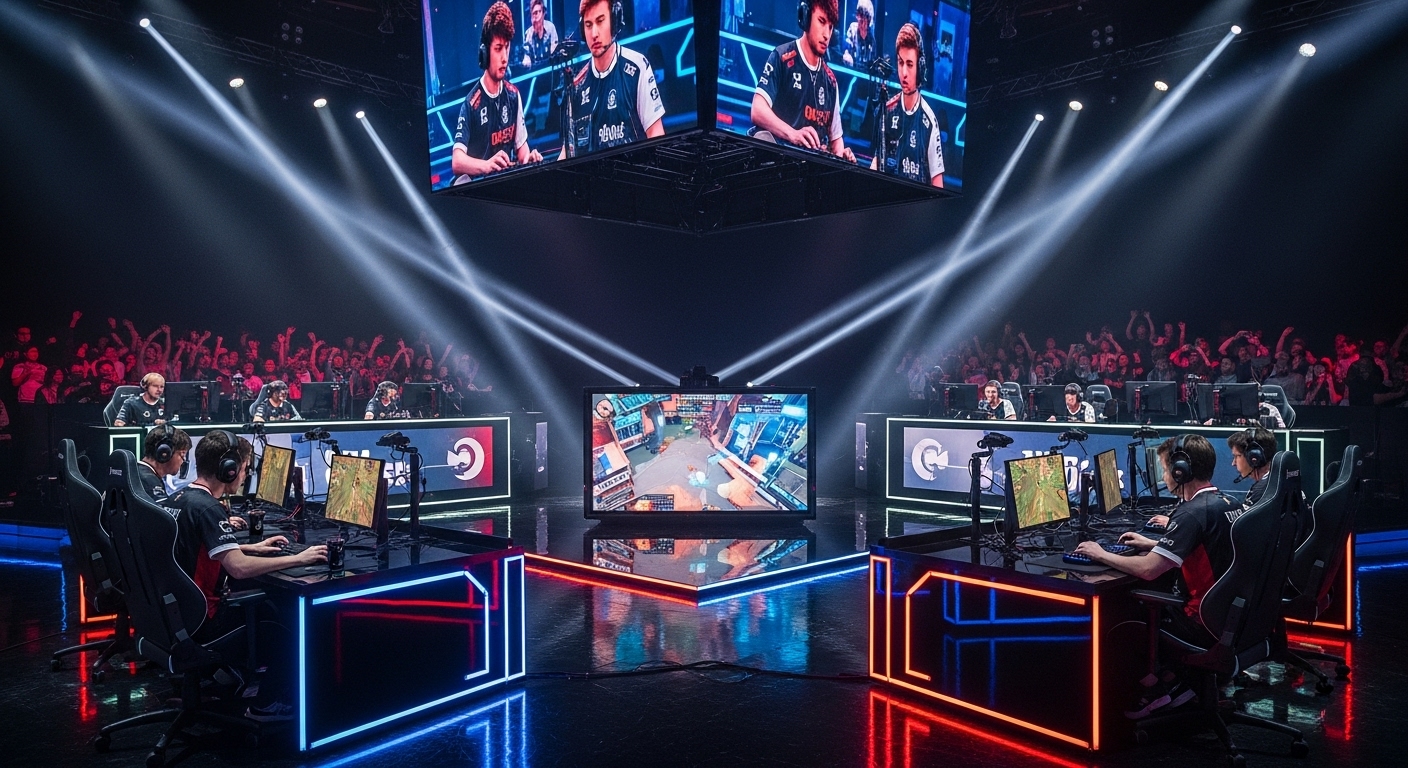
Esports players are at the heart of the industry. Professional players often spend years honing their skills in a specific game before reaching the top tier of competition. Just like athletes in traditional sports, esports players undergo rigorous training routines, analyzing gameplay footage, practicing strategies, and competing in online and offline events to sharpen their skills.
Some esports players are well-known celebrities in the gaming world, with massive followings on platforms like Twitch, YouTube, and social media. Many top players have lucrative sponsorships, partnerships with gaming hardware companies, and even their own brands or merchandise.
Teams in esports often resemble those in traditional sports, with rostered players competing in organized leagues and tournaments. These teams are often backed by major organizations, such as Cloud9, Team Liquid, and Fnatic, which provide support in terms of training, equipment, coaching, and even mental health services for players. The team structure adds an additional layer of strategy and coordination to esports, as players must work together to succeed, much like in real-world sports.
Esports and Its Cultural Impact
The impact of esports extends far beyond the realm of gaming. It has influenced everything from entertainment to education, business, and even health and wellness.
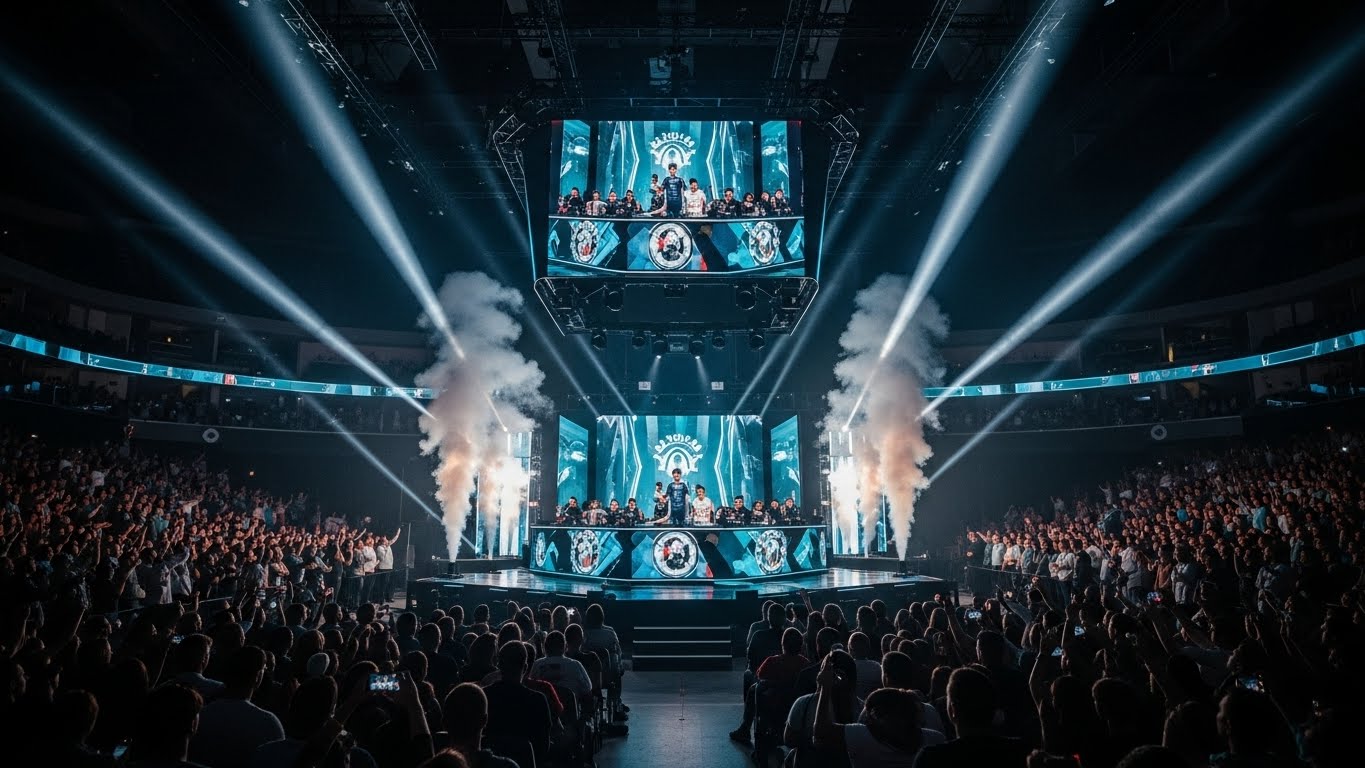
In terms of entertainment, esports events attract millions of viewers, rivaling traditional sports broadcasts. Major events like The League of Legends World Championship and The International (the premier Dota 2 tournament) have drawn crowds of over 40,000 fans to live events and have been streamed to millions more online. These events are often accompanied by elaborate opening ceremonies, live commentary, and even musical performances, making them more than just competitions—they are full-fledged entertainment spectacles.
Esports has also impacted education, with schools and universities now offering scholarships and academic programs dedicated to competitive gaming. Institutions like the University of California, Irvine, and Robert Morris University have embraced esports, offering degrees in esports management, game design, and other related fields. High schools have followed suit, with esports clubs and competitions becoming commonplace in schools across the United States and beyond.
In terms of business, esports is a major driver of growth for the gaming industry. Companies are investing heavily in the esports ecosystem, sponsoring teams, leagues, and events. Brands like Coca-Cola, Intel, and Red Bull are some of the most visible sponsors in the space, leveraging esports to reach a younger, tech-savvy audience.
The Future of Esports
Looking ahead, the future of esports seems bright. As technology continues to evolve, esports is set to become even more immersive. Virtual reality (VR) and augmented reality (AR) could soon play a larger role in competitive gaming, offering players and fans alike a more immersive experience. Additionally, the continued growth of mobile esports, particularly in regions like Asia, suggests that esports will only become more accessible to a wider audience.
With the increasing integration of esports into mainstream media and the continued rise of streaming platforms, the boundaries between traditional sports and esports are becoming increasingly blurred. Esports is on track to become a global entertainment powerhouse, and it’s clear that it’s not just a passing trend—it’s the future of competitive entertainment.
Conclusion
Esports has come a long way from its humble beginnings as a hobby for gamers to a global entertainment phenomenon that draws millions of viewers, players, and investors. The industry has grown at an unprecedented rate, fueled by advances in technology, streaming platforms, and global connectivity. Esports has also influenced culture, business, and education, making it an integral part of the entertainment landscape.
As we look to the future, it’s clear that esports is here to stay. The competitive gaming scene is only getting bigger, more inclusive, and more professional, and the potential for growth is limitless. Whether you’re a die-hard fan, a casual observer, or someone looking to get into the industry, esports is a world that offers something for everyone. It’s not just about playing games—it’s about being part of a global community that celebrates skill, teamwork, and passion.