Introduction: The Rise of a Digital Revolution
In the span of just a few decades, gaming has transformed from a pastime for a small community of enthusiasts into a global phenomenon that defines modern entertainment. At the heart of this transformation stands esports—a digital battleground where skill, strategy, and teamwork reign supreme. Esports, short for electronic sports, refers to organized video game competitions, often involving professional players and large audiences. What was once seen as niche entertainment has now become a billion-dollar industry that rivals traditional sports in viewership, sponsorships, and global influence.
The rise of esports represents not only a shift in how people consume entertainment but also a broader cultural evolution. From packed stadiums to live online broadcasts viewed by millions, esports has broken boundaries, merging technology, creativity, and competition in ways few could have imagined.
The Origins of Esports
To understand the present glory of esports, one must look back to its humble beginnings. The roots of competitive gaming can be traced to the early 1970s, when students at Stanford University competed in a “Spacewar!” tournament. Though primitive by today’s standards, it marked the first official gaming competition. Fast forward to the 1980s, arcade culture introduced millions to competitive play. Games like “Pac-Man” and “Donkey Kong” inspired high-score battles, and video game magazines began listing world records.
The 1990s brought the internet revolution, connecting gamers globally. Titles like “Street Fighter II,” “Doom,” and “StarCraft” transformed local contests into international tournaments. LAN parties—where players would physically connect their computers—became a staple of the gaming community. The seeds of modern esports were planted here: the thrill of competition, community, and skill mastery that would one day fill stadiums.
The Explosion of Online Gaming
The 2000s marked a turning point. As broadband internet became widespread, online gaming took off. Multiplayer titles such as “Counter-Strike,” “Warcraft III,” and “Halo” became household names among competitive gamers. The ability to play against others from across the world revolutionized gaming culture. Communities formed, clans emerged, and the idea of being a professional gamer began to take shape.
This era also saw the birth of global tournaments like the World Cyber Games and the Electronic Sports World Cup, offering prizes worth thousands of dollars. The foundations were laid for esports to move from basements and local arcades to international arenas.
The Modern Era of Esports
The modern esports era truly began in the 2010s. This was the decade where gaming became mainstream entertainment. Streaming platforms such as Twitch and YouTube Gaming provided gamers with a direct channel to audiences. Suddenly, professional players weren’t just competitors—they were entertainers, influencers, and global icons.
Games like “League of Legends,” “Dota 2,” “Overwatch,” and “Fortnite” became staples of the esports ecosystem. Their competitive formats, constant updates, and massive fanbases kept audiences engaged year-round. Major tournaments like “The International” for Dota 2 began offering prize pools worth millions, capturing global attention. The dream of being a professional gamer was no longer fantasy—it was a legitimate career path.
The Culture Behind Esports
Esports is more than just games—it’s a culture. It thrives on community, passion, and innovation. Online forums, Discord servers, and fan gatherings have built a strong social framework around esports. Fans don’t just watch; they participate in discussions, predict match outcomes, and even contribute to strategy analysis.
Cosplay, fan art, and music have also become intertwined with esports culture. Themed merchandise, digital avatars, and in-game events keep the energy alive. The esports community celebrates diversity—players come from every corner of the globe, united by a shared love for gaming. It is one of the few spaces where cultural and language barriers blur in favor of collaboration and competition.
Esports and Mainstream Recognition
Once dismissed as a “fad,” esports has now earned recognition from media giants, brands, and even governments. Universities around the world offer esports scholarships. Global sports organizations, including football clubs and the NBA, have launched their own esports divisions. Television networks have aired tournaments alongside traditional sports broadcasts.
This recognition has legitimized esports as a profession. Players train rigorously, maintain strict schedules, and follow physical and mental conditioning routines. Teams employ coaches, analysts, nutritionists, and psychologists to ensure peak performance. In essence, esports professionals are modern athletes of the digital age.
The Economics of Esports
Behind the flashing lights and roaring crowds lies an economic powerhouse. Esports generates billions annually through sponsorships, advertising, media rights, and merchandise sales. Brands ranging from tech giants to beverage companies have entered the scene, realizing the marketing potential of reaching younger, tech-savvy audiences.
Tournaments themselves have become major business events. The largest competitions fill arenas and are broadcast to millions online. The economic model resembles traditional sports—teams, leagues, franchises, and fan engagement drive revenue streams. The rise of mobile esports, particularly in Asia, has expanded the market even further, attracting new demographics and opportunities.
The Life of an Esports Athlete
While the glory of winning championships is enticing, the life of an esports athlete is demanding. Success requires precision, discipline, and resilience. Players spend countless hours practicing, studying opponents, and refining strategies. Unlike traditional sports, where the average career may span decades, the lifespan of a professional gamer is often short—usually peaking in their early to mid-twenties.
Burnout is a real issue. The mental strain of constant competition, public scrutiny, and the pressure to perform can take a toll. However, the industry has begun to acknowledge this, emphasizing mental health support, proper scheduling, and sustainable career paths. Many former players transition into coaching, commentary, or content creation, extending their influence in the gaming world.
The Role of Technology in Esports Evolution
Esports wouldn’t exist without technological advancement. From graphics processing units (GPUs) to high-speed internet, technology has shaped every facet of the industry. The constant evolution of gaming hardware allows for more immersive and complex gameplay. Virtual reality (VR) and augmented reality (AR) are opening new possibilities, potentially redefining the future of competition.
Streaming technology has been equally transformative. With platforms enabling high-quality broadcasts accessible from any device, esports has reached audiences far beyond the traditional gamer demographic. Artificial intelligence and data analytics are now used to analyze player performance and refine strategies, mirroring how professional sports teams use statistics to gain an edge.
The Spectator Experience
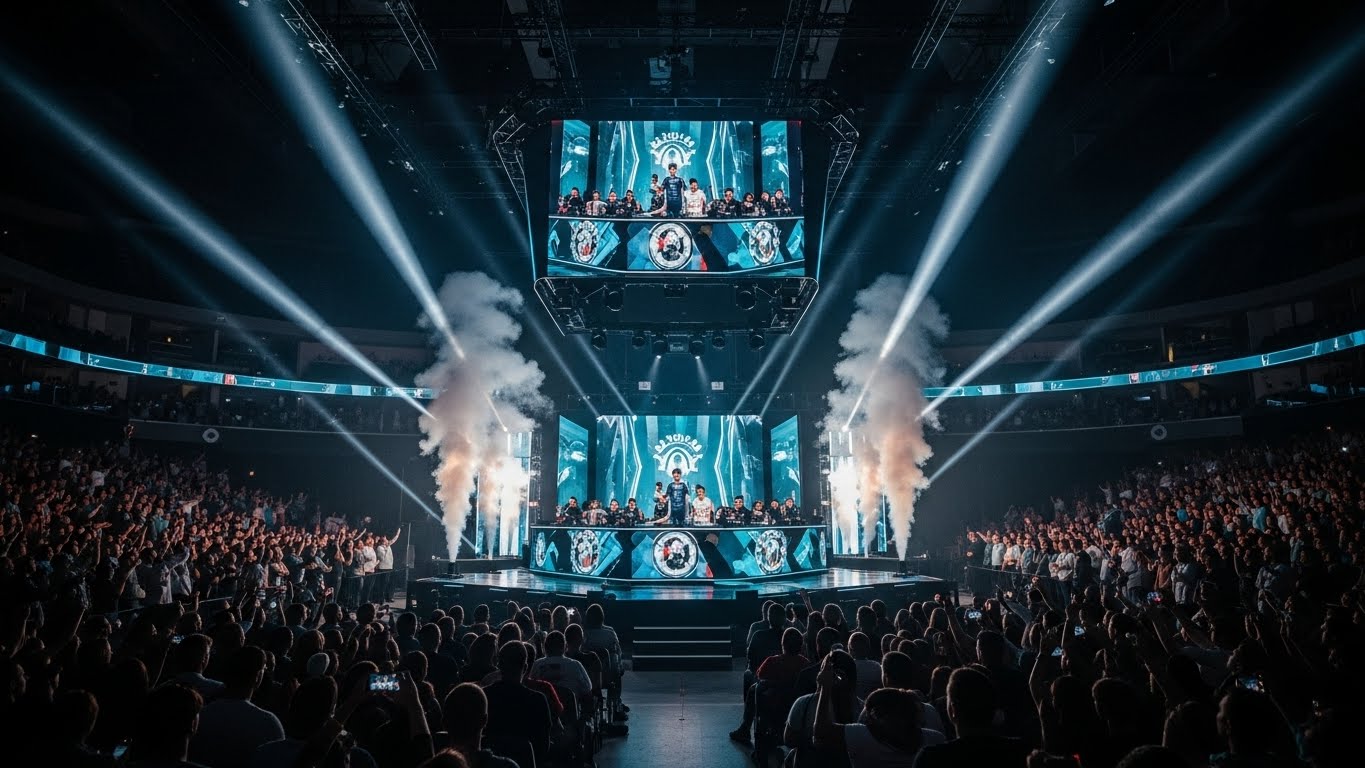
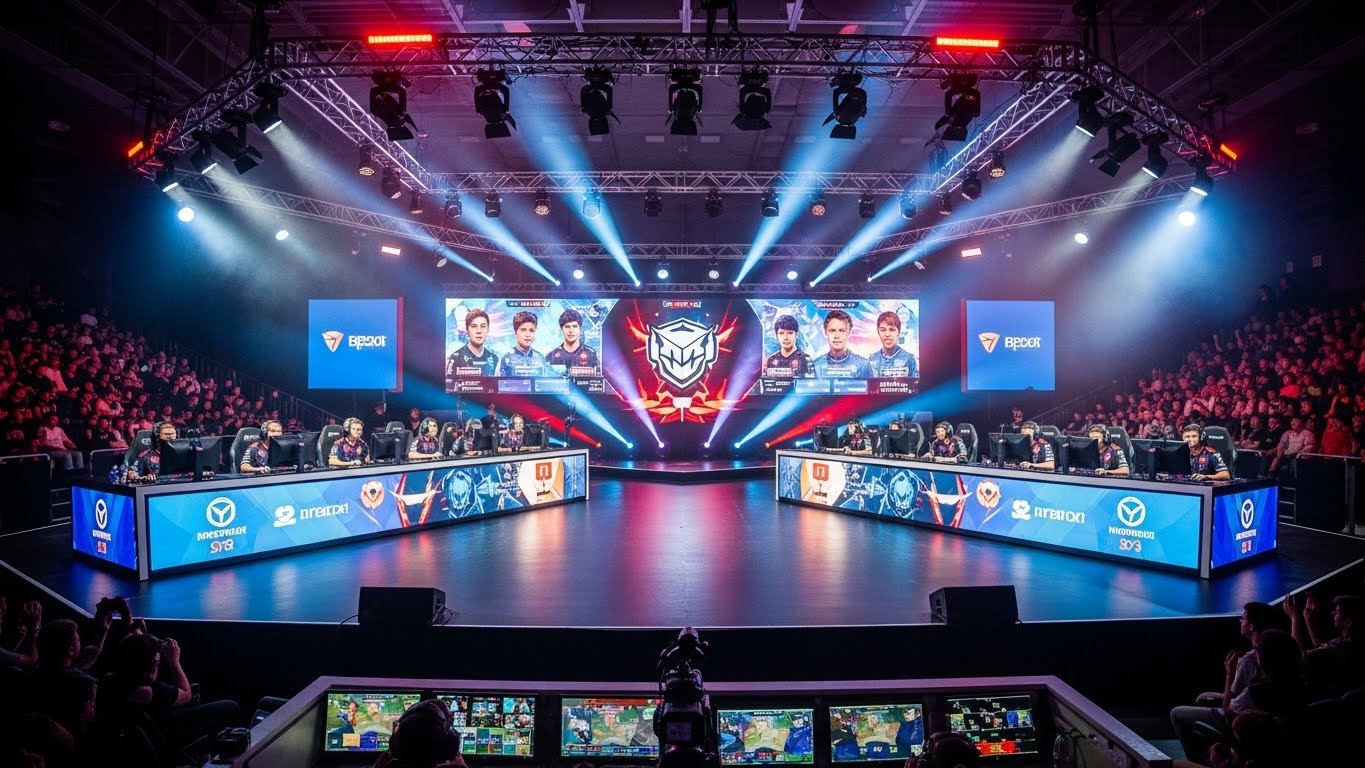
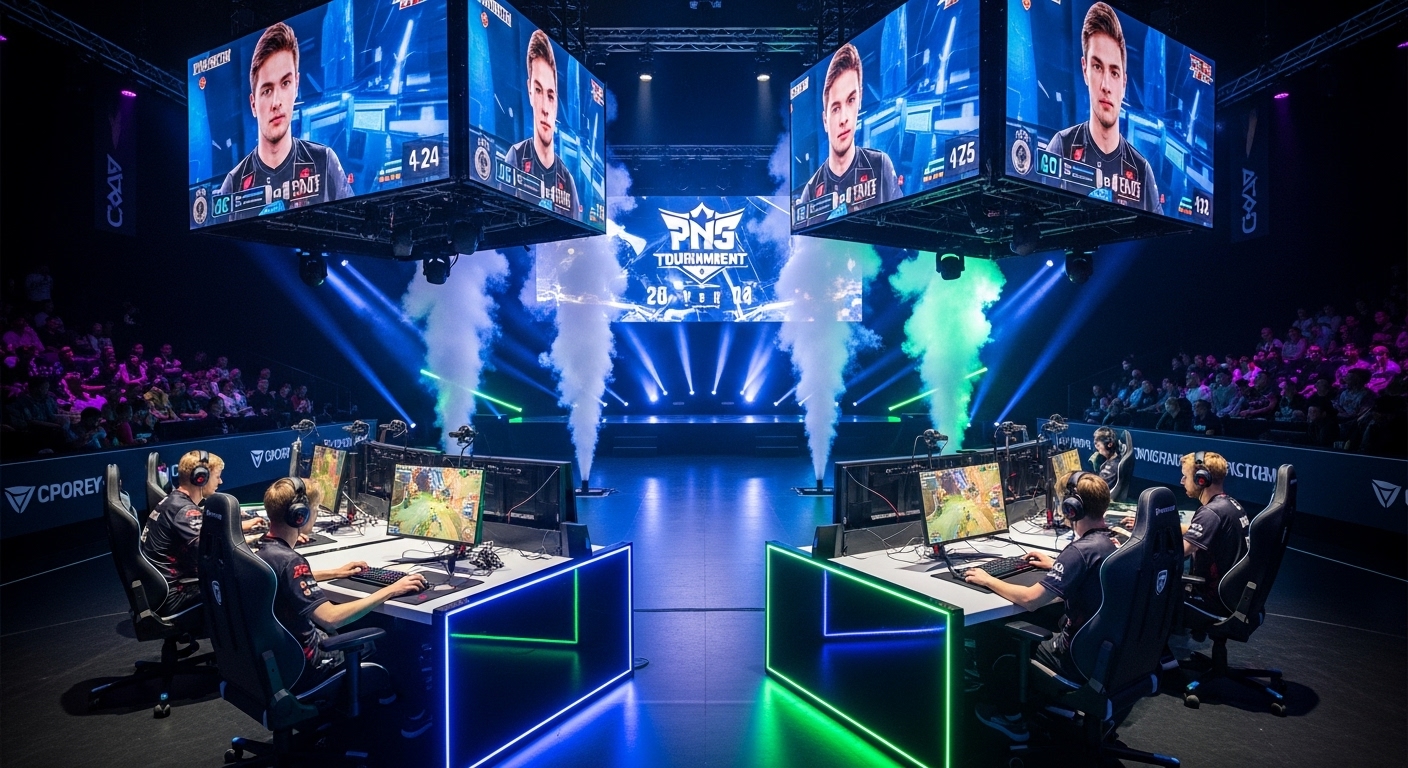
Watching esports is an experience unlike any other. Audiences are not just passive viewers—they are active participants. Live chats, social media reactions, and fan-created memes make every match a community event. The production quality of modern esports tournaments rivals that of major sporting events, with commentators, analysts, cinematic replays, and elaborate stage setups enhancing the spectacle.
The inclusion of storytelling in broadcasts—player backstories, rivalries, and underdog narratives—adds emotional depth to the matches. Fans form strong loyalties to teams and individual players, creating passionate followings comparable to those in traditional sports.
Diversity and Inclusion in Esports
One of esports’ defining characteristics is its accessibility. Unlike physical sports that require specific physiques or equipment, anyone with a computer or mobile device can participate. This inclusivity has fostered a diverse and global community.
However, the industry continues to grapple with representation challenges. While female gamers and marginalized groups are making their mark, there is still work to be done in promoting equality and combating toxicity. Initiatives and organizations dedicated to inclusivity are paving the way for a more welcoming future. The visibility of women’s tournaments and diverse content creators helps inspire the next generation of gamers to pursue esports careers.
The Global Esports Ecosystem
Esports is a truly global phenomenon. Different regions have developed unique identities and strengths. South Korea, for instance, is considered the birthplace of professional esports, with its deep-rooted culture of competitive gaming and government support. China and Southeast Asia dominate the mobile esports scene, while North America and Europe lead in PC-based titles.
The Middle East, South America, and Africa are emerging as exciting new frontiers, driven by youthful populations and increasing internet access. Global tournaments now feature teams from all continents, turning esports into a universal language of competition.
The Role of Education and Esports Academies
With esports gaining legitimacy, education systems are beginning to adapt. Universities and schools now offer esports-related courses that blend technology, marketing, management, and psychology. Esports academies train players in a structured environment, preparing them for professional competition while emphasizing teamwork, leadership, and communication skills.
These programs bridge the gap between gaming passion and career development. They nurture talent not only for players but also for commentators, event managers, developers, and designers—broadening the ecosystem and creating sustainable opportunities.
Challenges Facing the Esports Industry
Despite its success, esports faces several challenges. Issues such as player burnout, lack of regulation, and inconsistent tournament structures remain prevalent. The rapid growth of the industry has outpaced the development of standardized rules and protections for players. Match-fixing, cheating, and exploitative contracts have also tarnished its image at times.
Monetization presents another challenge. While viewership is massive, converting that attention into steady revenue streams is complex. Additionally, the volatility of game popularity—where titles rise and fall rapidly—makes long-term stability difficult. Addressing these challenges requires collaboration between developers, organizations, and governing bodies.
The Future of Esports
The future of esports is bright, shaped by innovation and expanding global reach. The integration of emerging technologies such as virtual reality, cloud gaming, and artificial intelligence will redefine how players and fans experience competition. Hybrid events that combine live audiences and virtual participation could become the norm.
Esports will continue to blur the line between gaming and traditional entertainment. Collaborations with film, music, and fashion industries are already creating immersive cultural crossovers. As younger generations grow up immersed in gaming culture, esports will become even more ingrained in mainstream life.
The push for inclusivity, professionalism, and sustainability will shape the next phase of this evolution. Esports is no longer just a trend—it’s the foundation of a new digital era where competition, creativity, and community thrive together.
Conclusion: A New Definition of Sportsmanship
Esports has redefined what it means to be an athlete, a fan, and a community member in the 21st century. It embodies the essence of modern sports—discipline, strategy, teamwork, and passion—while embracing the limitless possibilities of technology. From small college tournaments to global arenas filled with roaring fans, the journey of esports is a testament to how human innovation and connection can transform play into a global movement.
As we move deeper into a digital world, esports will continue to lead the way, bridging cultures, inspiring creativity, and proving that greatness can be achieved with both mind and machine.