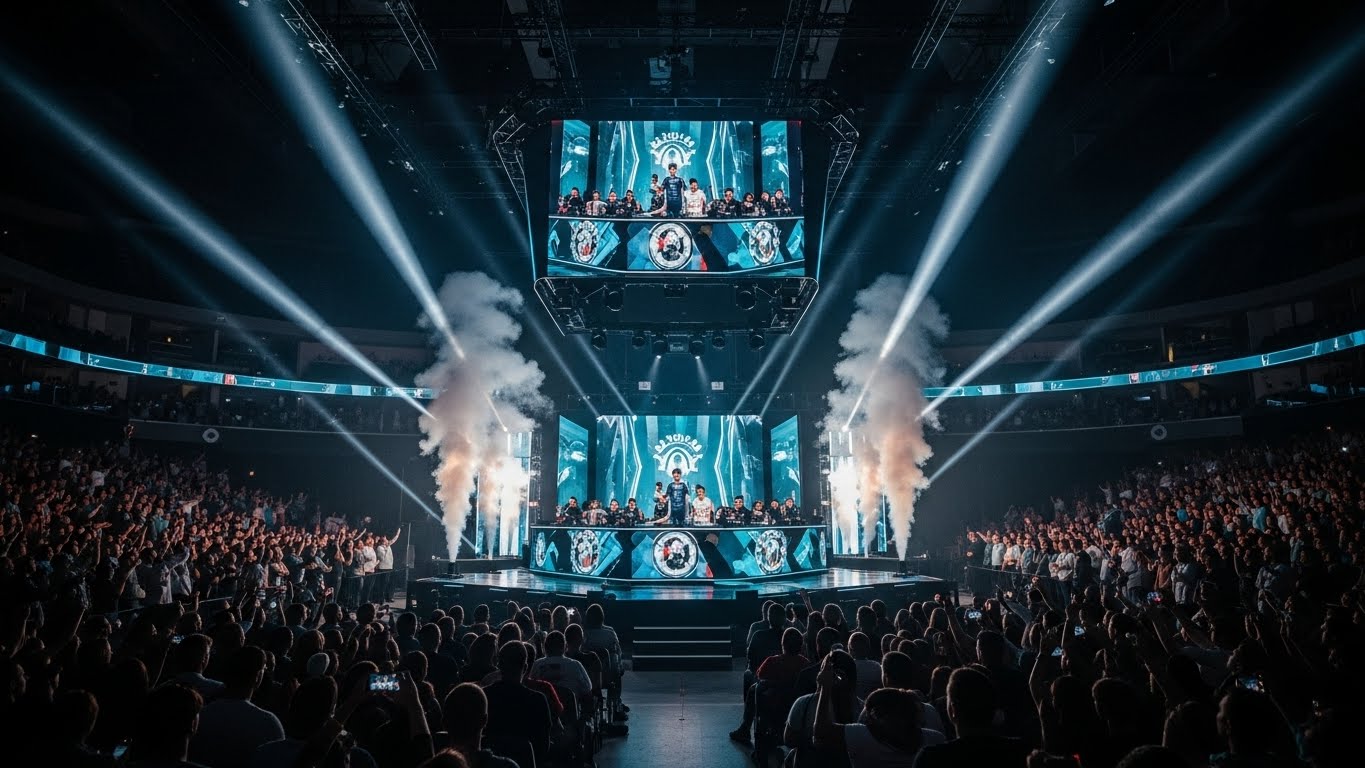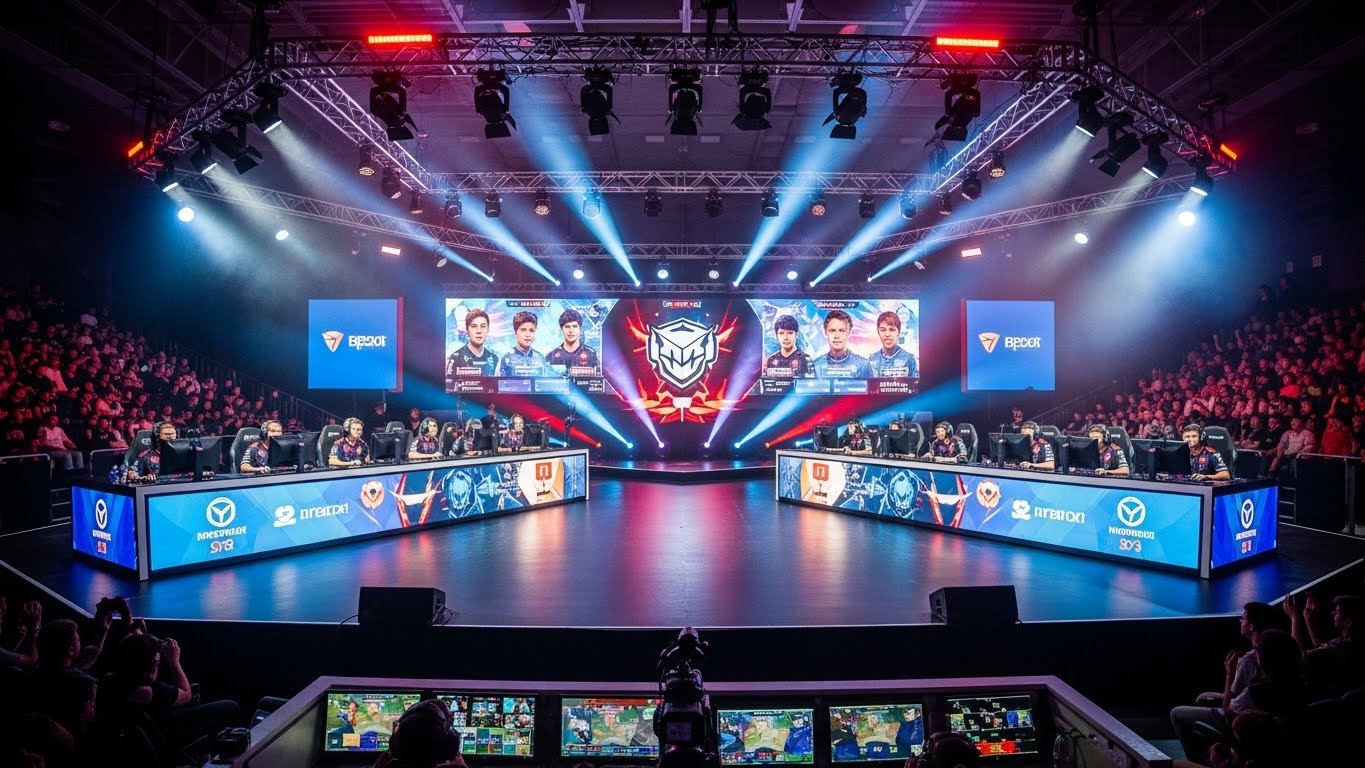
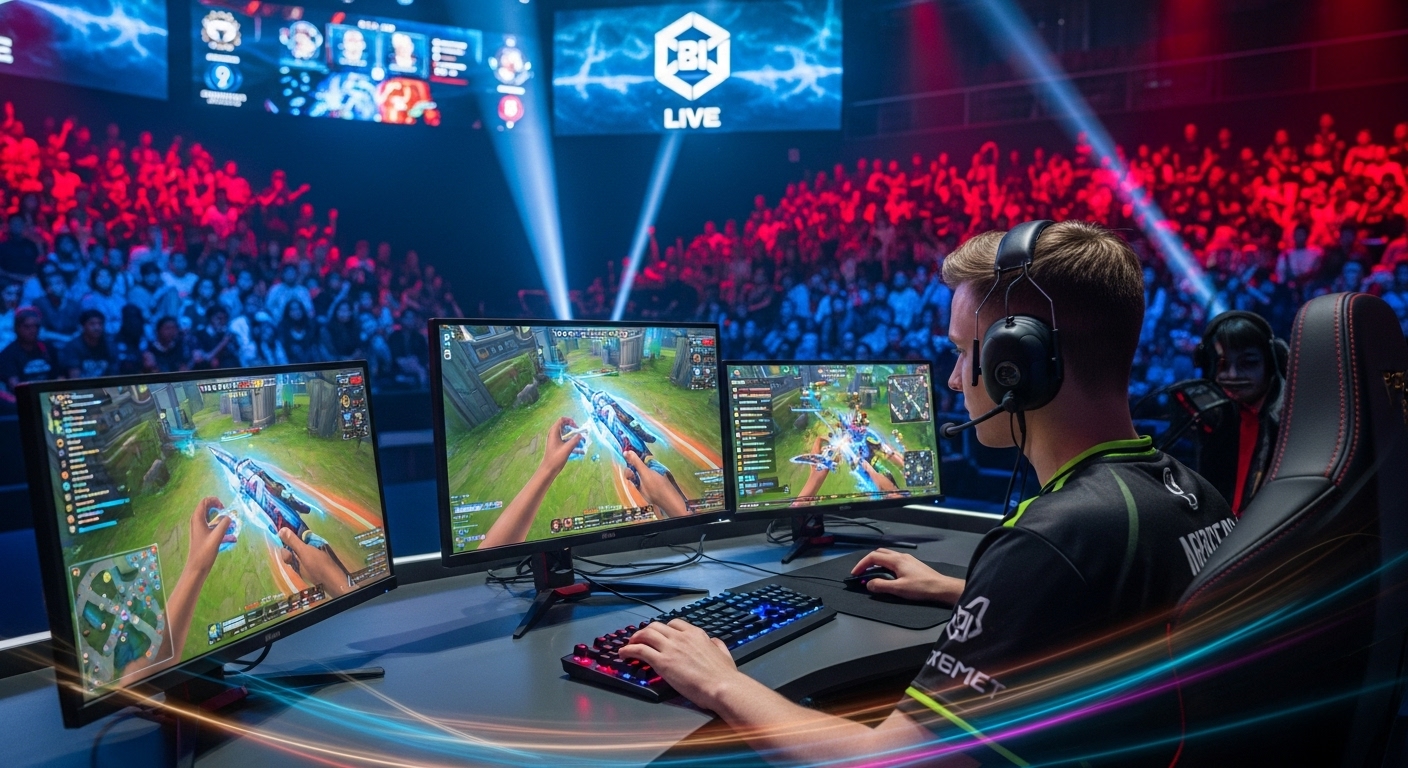
Esports, or electronic sports, has emerged as one of the most influential and rapidly growing industries of the 21st century. What began as casual video game competitions among friends has evolved into a global spectacle attracting millions of players, fans, and investors. The industry has grown so exponentially that it now rivals traditional sports in viewership, sponsorship, and cultural impact. This blog explores the evolution, impact, challenges, and future of esports, delving into how digital competition has transformed into a legitimate form of entertainment and professional endeavor.
The Origins of Esports
The roots of esports can be traced back to the early days of video gaming in the 1970s and 1980s. The first known video game competition took place in 1972 at Stanford University, where players competed in a game called “Spacewar.” However, the industry began gaining real traction in the 1990s with the rise of personal computers and multiplayer games. Titles like Doom, StarCraft, and Quake introduced competitive gaming as a serious pursuit, often held in small tournaments with passionate fan bases.
During this period, internet connectivity began to change the landscape of competitive gaming. Online multiplayer games allowed players to compete across distances previously unimaginable. South Korea, in particular, played a pivotal role in transforming esports into a professional ecosystem with the establishment of leagues, televised tournaments, and professional player contracts. By the late 1990s, esports had firmly planted its roots in a few niche communities, setting the stage for its global rise in the 2000s and beyond.
The Explosion of Popularity in the 2000s
The 2000s marked a turning point for esports, as technological advancements made online gaming more accessible and mainstream. High-speed internet became widely available, enabling seamless multiplayer experiences that were previously limited by dial-up connections. Games like Counter-Strike, Warcraft III, and Halo emerged as the pillars of competitive gaming, attracting thousands of participants and fans.
During this decade, esports tournaments began drawing larger audiences, both online and in-person. Organizations such as Major League Gaming (MLG) in North America and the Electronic Sports World Cup (ESWC) in Europe helped formalize competitive circuits, establishing prize pools and structured formats. South Korea’s esports boom, especially with games like StarCraft: Brood War, also gained international attention, with players becoming celebrities and matches being broadcast on dedicated television channels.
The Rise of Multiplayer Online Battle Arenas
The introduction of Multiplayer Online Battle Arenas (MOBAs) such as League of Legends and Dota 2 revolutionized esports in the 2010s. These games offered complex, strategic gameplay that required teamwork, skill, and strategy, capturing the attention of millions of players worldwide. Their popularity also led to massive competitive scenes with international tournaments offering multi-million-dollar prize pools.
The success of MOBAs showcased the potential of esports as a spectator sport. Matches were streamed live to global audiences on platforms like Twitch, YouTube, and later Facebook Gaming. Fans could watch professional players compete in high-stakes matches, analyze strategies, and even interact with broadcasters, creating a dynamic and immersive viewing experience that traditional sports often struggle to replicate.
Esports as a Professional Career
One of the most remarkable aspects of esports is the emergence of professional players. Individuals who dedicate countless hours to mastering games can earn salaries, sponsorships, and prize winnings comparable to athletes in traditional sports. Esports organizations recruit talent, provide training facilities, and invest in player development, reflecting the professional infrastructure seen in leagues like the NBA or Premier League.
The lifestyle of a professional esports player is intense and highly competitive. Players often spend six to twelve hours a day practicing, studying opponents, and refining strategies. Team coordination, communication, and mental fortitude are critical to success. As the industry grows, there is increasing recognition of player well-being, with organizations providing coaching, mental health support, and physical training to ensure longevity and peak performance.
Esports Tournaments and Leagues
Competitive esports is structured around tournaments and leagues, much like traditional sports. Tournaments can be regional, national, or international, often featuring round-robin stages, playoffs, and finals. Some of the most renowned esports tournaments include The International for Dota 2, the League of Legends World Championship, and the Fortnite World Cup. These events draw audiences in the millions, with live events filling massive stadiums and online streams reaching tens of millions.
Leagues like the Overwatch League and Call of Duty League have introduced city-based franchises, further professionalizing esports and attracting investment from mainstream sports organizations and celebrities. This structure mirrors traditional sports leagues and provides fans with consistent schedules, team loyalty, and storylines that deepen engagement.
The Role of Streaming Platforms
The growth of esports is inextricably linked to streaming platforms. Twitch, founded in 2011, became the central hub for gaming content, allowing fans to watch live competitions, follow their favorite players, and engage with communities. YouTube Gaming, Facebook Gaming, and other platforms have since expanded the reach of esports content, making it accessible to viewers across the globe.
Streaming has also provided opportunities for amateur players to gain recognition and potentially enter professional circuits. The interactive nature of these platforms allows for direct fan engagement, sponsorship opportunities, and the cultivation of personal brands. Many professional esports players now have social media followings rivaling those of traditional athletes, emphasizing the cultural influence of the industry.
Esports and Mainstream Culture
Esports has transcended gaming communities to become a significant cultural phenomenon. Celebrities, athletes, and entertainers frequently engage with esports, either through sponsorships, participation in tournaments, or investments in esports organizations. Esports merchandise, including jerseys, collectibles, and branded peripherals, has created an ecosystem similar to that of traditional sports merchandising.
Moreover, esports has influenced media and entertainment, inspiring documentaries, movies, and series that explore the lives of professional players, the history of competitive gaming, and the societal impact of the industry. Schools and universities have also started offering esports scholarships, recognizing gaming as a viable career path and further legitimizing the field.
The Economic Impact of Esports
The esports industry has grown into a multi-billion-dollar global market. Revenue streams include tournament prize pools, sponsorships, advertising, merchandise sales, and media rights. Brands from diverse sectors, ranging from technology to fashion, see esports as a powerful channel to reach younger, digitally-native audiences. Investments in esports organizations, infrastructure, and content creation continue to surge, making the industry a significant driver of economic activity.
Job opportunities within esports extend beyond professional players. Coaches, analysts, commentators, event organizers, marketers, content creators, and software developers all contribute to the ecosystem. As the industry matures, traditional business models are being adapted to suit the unique demands of esports, emphasizing engagement, community building, and digital monetization.
Challenges Facing the Esports Industry
Despite its success, esports faces several challenges that could impact its growth. One major concern is player burnout. The intensive training schedules, high expectations, and constant travel can take a toll on physical and mental health. Unlike traditional sports, the esports community is still developing comprehensive support systems to ensure long-term player well-being.
Regulation and governance also remain complicated. With tournaments spanning multiple countries, issues related to contracts, player rights, and cheating require standardized rules and oversight. Furthermore, the industry faces challenges related to inclusivity, as esports remains heavily male-dominated, and there are ongoing efforts to create more diverse and equitable opportunities.
Finally, sustainability is a concern. The reliance on digital infrastructure, energy-intensive servers, and frequent live events raises questions about the environmental impact of the industry. Addressing these issues will be critical for esports to maintain its growth responsibly.
The Future of Esports
The future of esports looks promising, with continued growth expected across all sectors of the industry. Emerging technologies such as virtual reality, augmented reality, and cloud gaming could further revolutionize competitive gaming, creating immersive experiences for both players and fans. Expanding into mobile esports, which has already gained immense popularity in regions like Southeast Asia, presents new markets and opportunities for innovation.
As esports becomes more integrated into mainstream culture, partnerships with traditional sports leagues, media companies, and educational institutions are likely to expand. This convergence may redefine entertainment, sports, and media consumption in the digital age, positioning esports as a permanent fixture in global culture.
Moreover, esports has the potential to foster global connectivity. Unlike traditional sports limited by geography, digital competitions can transcend borders, bringing together players and fans from all over the world. This global appeal is one of esports’ strongest advantages, allowing it to create communities and narratives that unite people across cultures and languages.
Conclusion
Esports has transformed from niche hobbyist competitions into a global powerhouse, reshaping how we view gaming, entertainment, and professional sports. With its impressive economic growth, professional infrastructure, and cultural impact, esports is no longer just about playing games—it’s about creating communities, building careers, and pushing the boundaries of what competition can look like in the digital era. While challenges remain, the industry’s innovation, resilience, and passion ensure that esports will continue to thrive and redefine the future of competitive entertainment.
The journey of esports demonstrates the power of technology, creativity, and human ingenuity. From early LAN parties to stadium-filling world championships, the evolution of esports highlights how a simple love for gaming can transform into a global phenomenon that inspires millions. As the lines between digital and physical competition blur, esports stands poised to leave an indelible mark on the cultural and economic landscape for decades to come.